Incheon
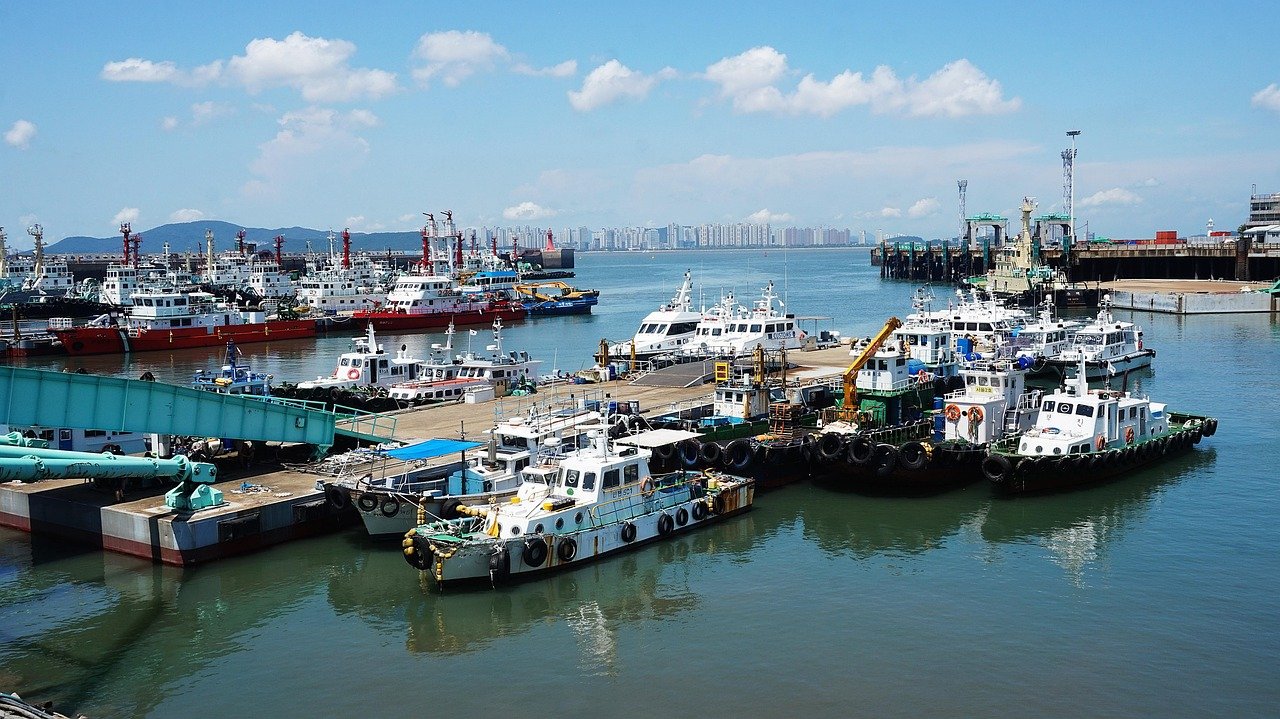
Incheon, South Korea's historic port city and gateway to Seoul, blends a modern skyline and busy harbour with cultural districts, coastal islands and a lively food scene.
Passengers
Luggage
About Incheon
Incheon is a coastal metropolitan city and South Korea's main international gateway, located west of Seoul on the Yellow Sea. It is known for Incheon International Airport, one of Asia's busiest air hubs, and for its role as a major port and logistics centre. The city combines modern districts with a distinctive maritime and trading history.
Incheon's history reaches back to the late 19th century, when the port of Jemulpo was opened to foreign trade in 1883. The city later became known worldwide for the 1950 Incheon Landing, a turning point in the Korean War. That heritage is still visible in the Open Port area, Chinatown and Jayu Park, alongside memorials and early modern architecture.
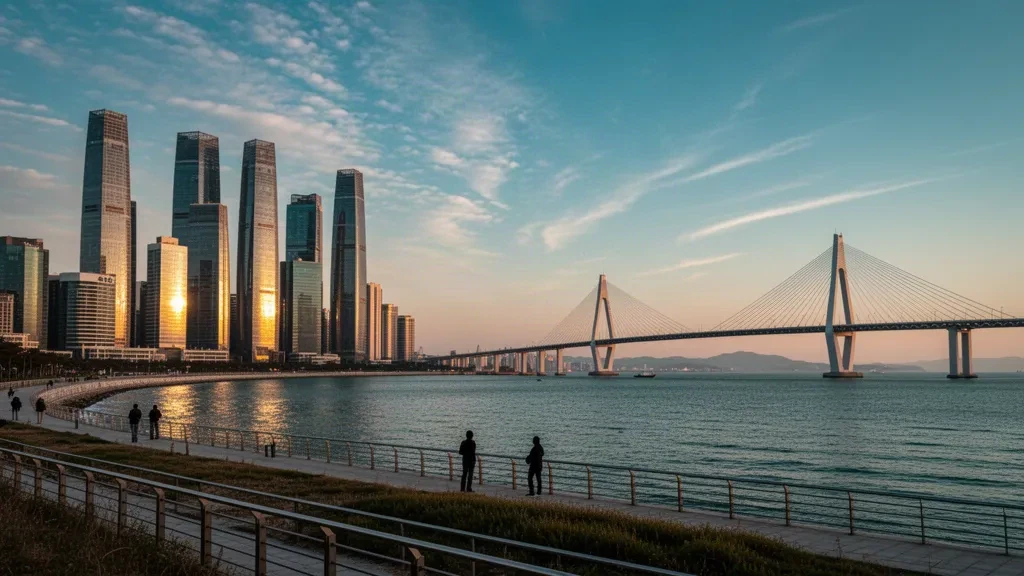
The city is shaped by several distinct districts. Songdo International Business District is a futuristic urban centre with Songdo Central Park, modern towers, convention facilities and waterfront walkways. Inland areas such as Bupyeong and Guwol-dong offer shopping and entertainment, while Wolmido Island, Incheon Grand Park and Incheon Bridge add coastal and green spaces for visitors.
Incheon is also an important business and innovation hub. The Incheon Free Economic Zone, international airport, port infrastructure and conference venues attract companies, trade events and international meetings. Its position next to Seoul makes it convenient for both leisure and business travellers.
Visitors can explore Chinatown and the Open Port area, try local seafood, or take ferries to nearby islands such as Muuido and Ganghwa. With its airport, modern business districts, historic neighbourhoods and coastal attractions, Incheon offers a broad mix of experiences in one of South Korea's most connected cities.
Incheon Travel Guide
Best Time to Visit
Spring from April to May and autumn from September to October are the most pleasant seasons in Incheon, with mild temperatures and clear skies. Summer is hot and humid, while winter is cold but generally less crowded for indoor and coastal sightseeing.
How to Get Around
Incheon has an extensive public transport network including Incheon Subway lines 1 and 2, city buses and the AREX express rail link to Seoul and the airport. Taxis and rental cars are widely available, and ferries connect the city with nearby islands.
Where to Stay
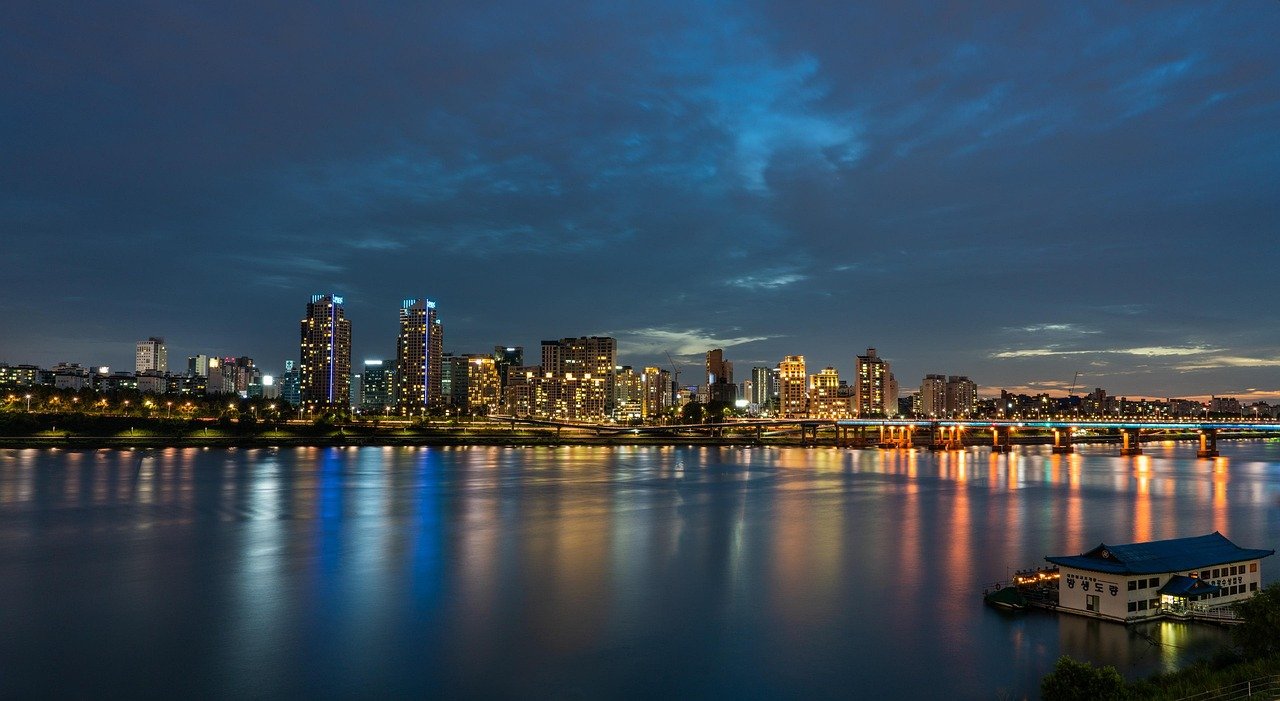
Songdo is convenient for business travellers and conventions with modern hotels near Songdo Central Park. Bupyeong and Guwol-dong are good for shopping and nightlife, while the Jung-gu area near Chinatown and the Open Port offers a more historic atmosphere.
Food & Drink
Incheon is famous as the origin of jajangmyeon, the Korean black bean noodle dish, especially around Chinatown. Seafood is a local highlight at Sorae Port, while markets, cafés and restaurants across the city serve Korean and international food.
Ground Transportation Services in Incheon
Airport Transfers
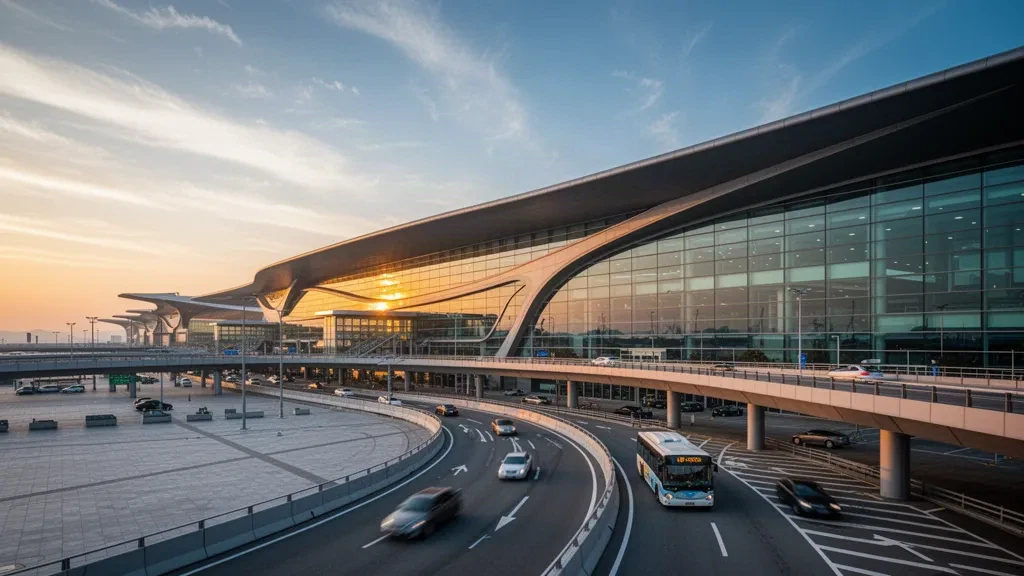
Travel between Incheon International Airport and hotels, business districts, Songdo, Seoul and other destinations across the Incheon area.
Hourly Chauffeur
Book a private chauffeur by the hour for business meetings, events, sightseeing and flexible travel around Incheon.
Car Rental
Rent a car in Incheon for independent travel around the city and convenient trips to nearby areas such as Ganghwa Island.
Bus & Group Transfers
Arrange minibuses or charter buses for groups, corporate travel, events, airport transfers and tours in Incheon.
Frequently Asked Questions
Related Cities in South Korea
View all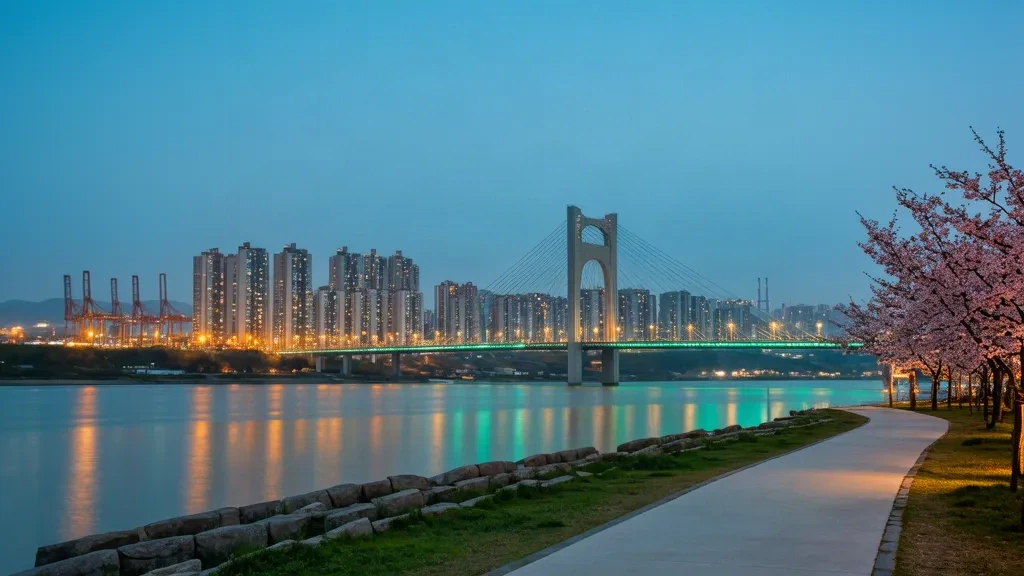
Ulsan
Ulsan, South Korea's industrial powerhouse on the southeast coast, blends a major shipbuilding and automotive base with the ancient Bangudae petroglyphs, Taehwa River trails, and Ganjeolgot's celebrated sunrise views.
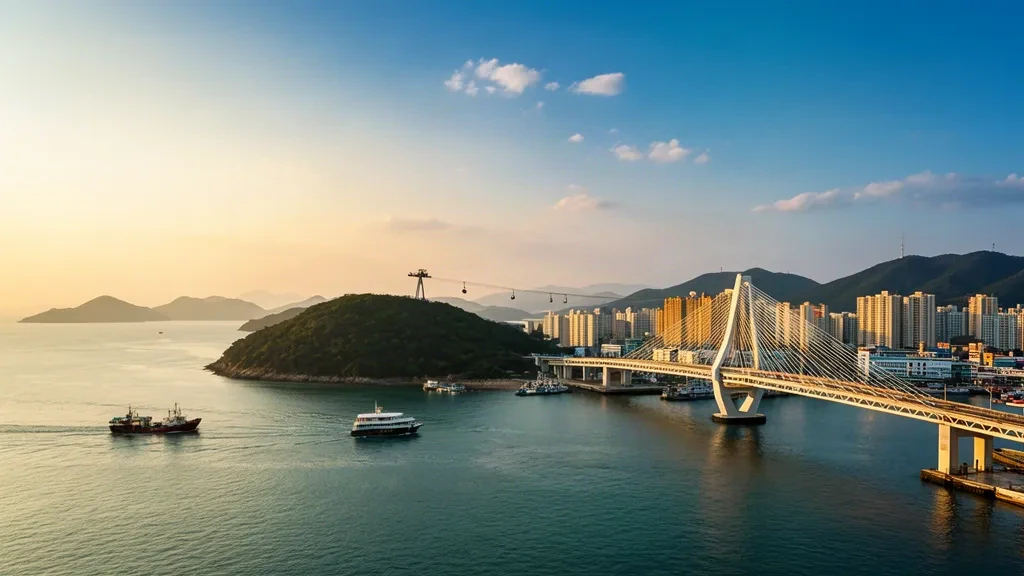
Yeosu
Yeosu, a coastal city in South Jeolla, pairs a historic naval heritage with a lively seafood market, scenic island views and a growing waterfront culture.
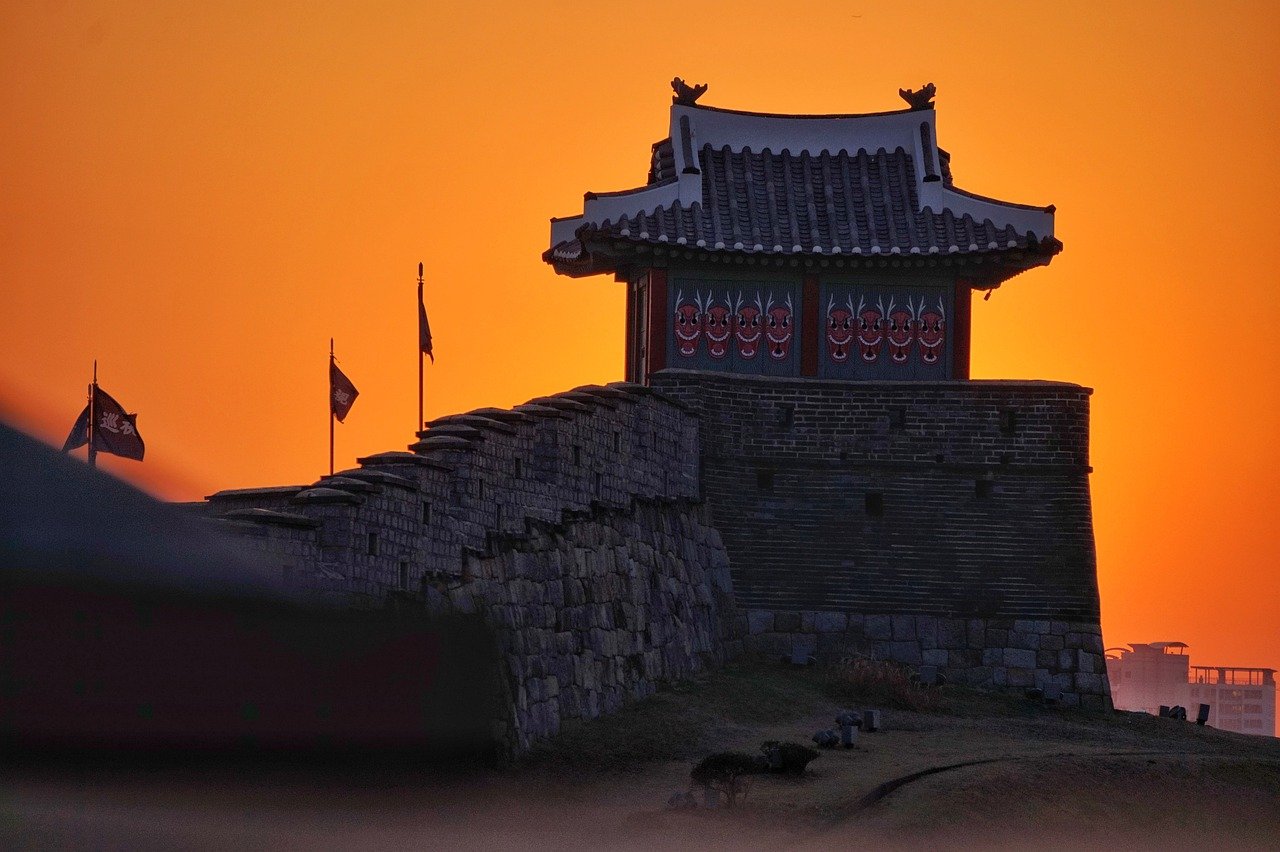
Changwon
Changwon, the capital of South Gyeongsang Province, is a planned city known for its industrial heritage, green spaces and cultural venues. Its districts of Masan and Jinhae add coastal scenery and famous cherry blossom views.