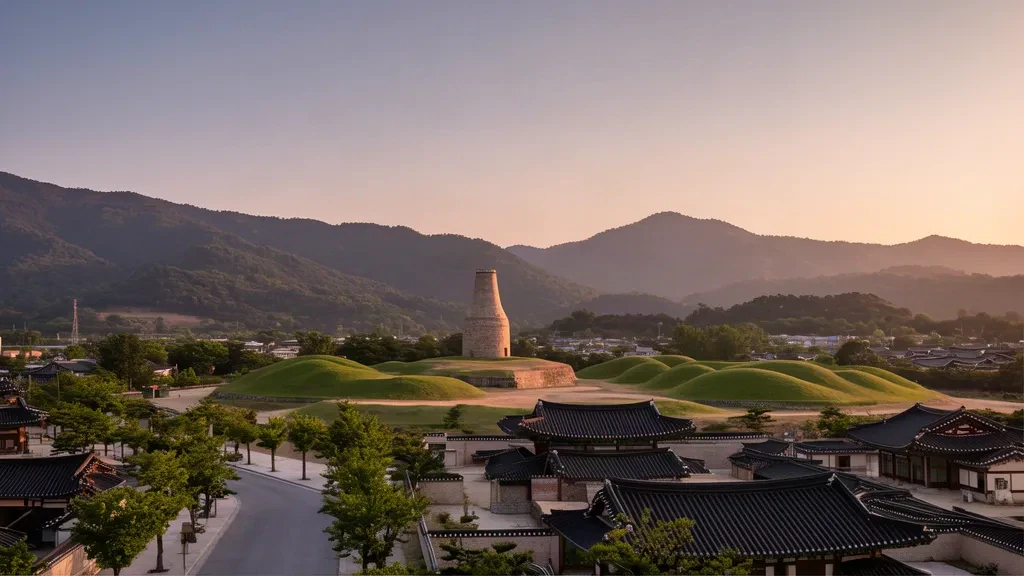
Gyeongju
Gyeongju, a historic city in North Gyeongsang Province, South Korea, is known for its ancient Silla capital heritage, royal tombs, temples and cultural landmarks.
Passengers
Luggage
About North Gyeongsang
North Gyeongsang (Gyeongsangbuk-do) is South Korea's largest province by area, stretching across the country's eastern interior from the Baekdudaegan mountain range to the East Sea coast. It is often described as the cultural heartland of Korean heritage, home to the ancient Silla capital of Gyeongju and the Confucian traditions of Andong.
The region's past is visible in Gyeongju's UNESCO-listed Bulguksa Temple, Seokguram Grotto and royal tomb parks, as well as the well-preserved Hahoe and Yangdong folk villages. Mountains, temples and hanok houses sit alongside the modern industrial cities of Pohang and Gumi.
Coastal Pohang, home to POSCO steelworks and Homigot sunrise plaza, contrasts with inland Andong, where the Hahoe Mask Dance and riverside hanok village draw visitors. Gyeongju remains the main sightseeing base, while Ulleungdo island offers volcanic cliffs and hiking.
Pohang's steel and science campuses and Gumi's electronics industry give the province a strong industrial base, and Mungyeong, Sangju and Yeongju add quieter mountain and temple experiences. Local food ranges from Andong jjimdak and heotjesabap to Gyeongju's hwangnam bread and Pohang's raw-fish mulhoe.
Whether tracing Silla-era history, hiking national parks or visiting company headquarters and industrial parks, North Gyeongsang rewards both leisure and business travellers with a mix of heritage, nature and regional industry.
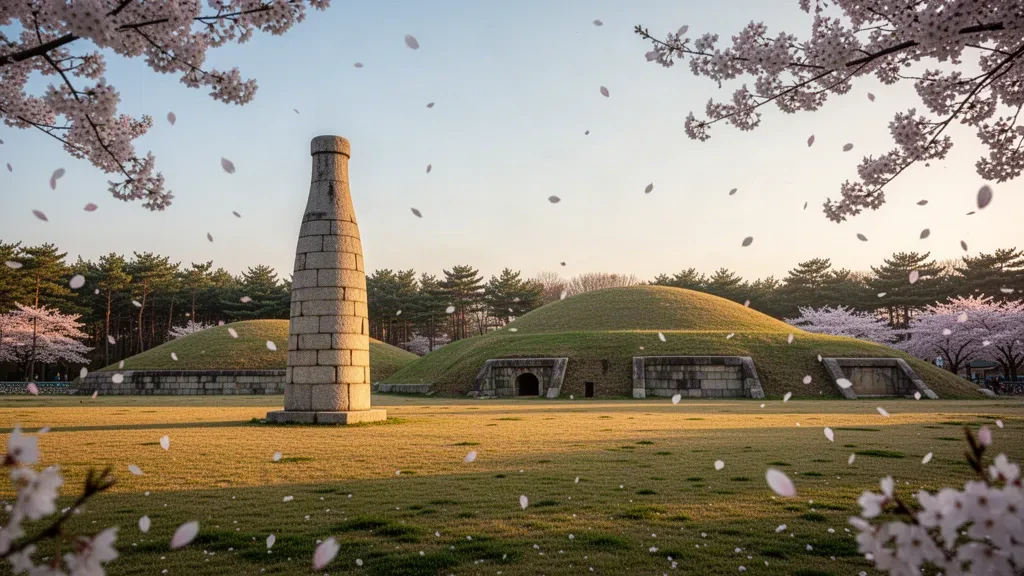
North Gyeongsang Travel Guide
Best Time to Visit
Spring and autumn are the most comfortable seasons for visiting North Gyeongsang, with cherry blossoms in Gyeongju and clear mountain weather. Summer brings green landscapes and coastal trips to Pohang and Ulleungdo, while winter is quieter and suited to temple and museum visits.
How to Get Around
Gyeongju, Andong, Pohang and Gumi are linked by KTX and intercity buses, with local buses and taxis covering smaller towns and sights. Renting a car is useful for reaching temples, folk villages and mountain parks outside the main centres.
Where to Stay
Gyeongju is the most convenient base for Silla-era heritage, while Andong suits travellers focused on folk villages and Confucian culture. Pohang offers coastal hotels and business-friendly stays, and smaller hanok guesthouses are available in Gyeongju and Andong.
Food & Drink
Regional specialities include Andong jjimdak, heotjesabap and Andong soju, as well as Gyeongju's hwangnam bread and Pohang's cold raw-fish mulhoe. Local markets, hanok cafés and countryside restaurants offer a broad taste of Gyeongsang cuisine.
Ground Transportation Services in North Gyeongsang
Airport Transfers
Travel between Daegu International Airport and destinations across North Gyeongsang, including Gyeongju, Andong, Pohang and Gumi.
Hourly Chauffeur
Book a private chauffeur by the hour for temple and heritage sightseeing, business meetings and flexible travel around North Gyeongsang.
Car Rental
Rent a car in Daegu, Gyeongju or Pohang for independent travel to folk villages, national parks and coastal towns across North Gyeongsang.
Bus & Group Transfers
Arrange minibuses or charter buses for group tours, corporate travel, events and airport or station transfers throughout North Gyeongsang.

Frequently Asked Questions
Related Cities in South Korea
View all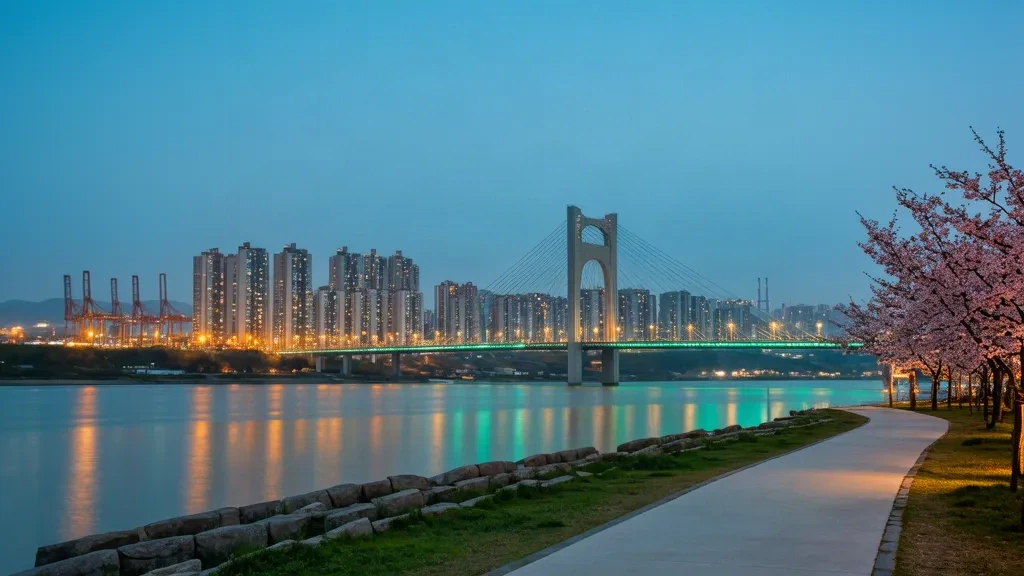
Ulsan
Ulsan, South Korea's industrial powerhouse on the southeast coast, blends a major shipbuilding and automotive base with the ancient Bangudae petroglyphs, Taehwa River trails, and Ganjeolgot's celebrated sunrise views.
Yeosu
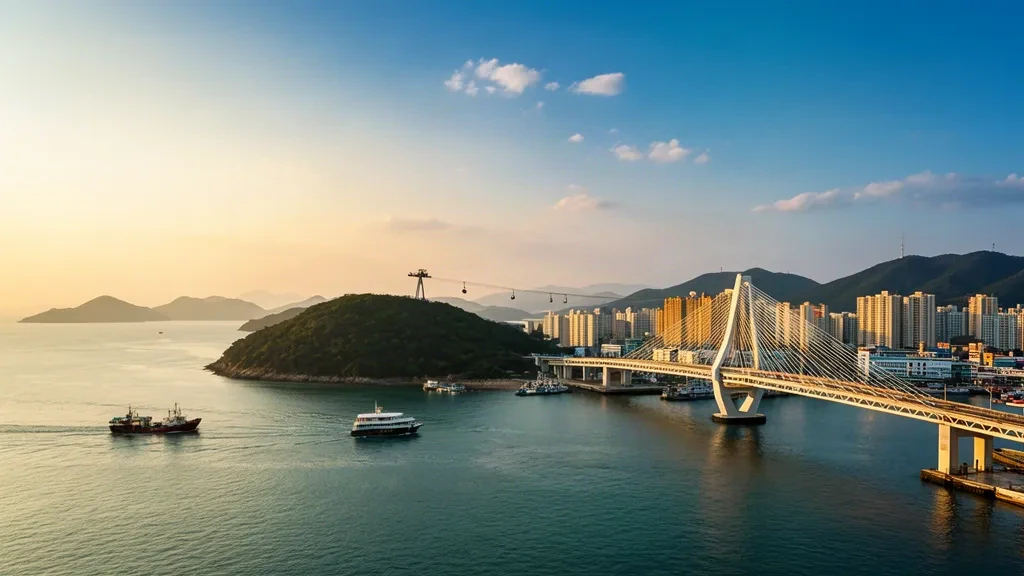
Yeosu, a coastal city in South Jeolla, pairs a historic naval heritage with a lively seafood market, scenic island views and a growing waterfront culture.
Changwon
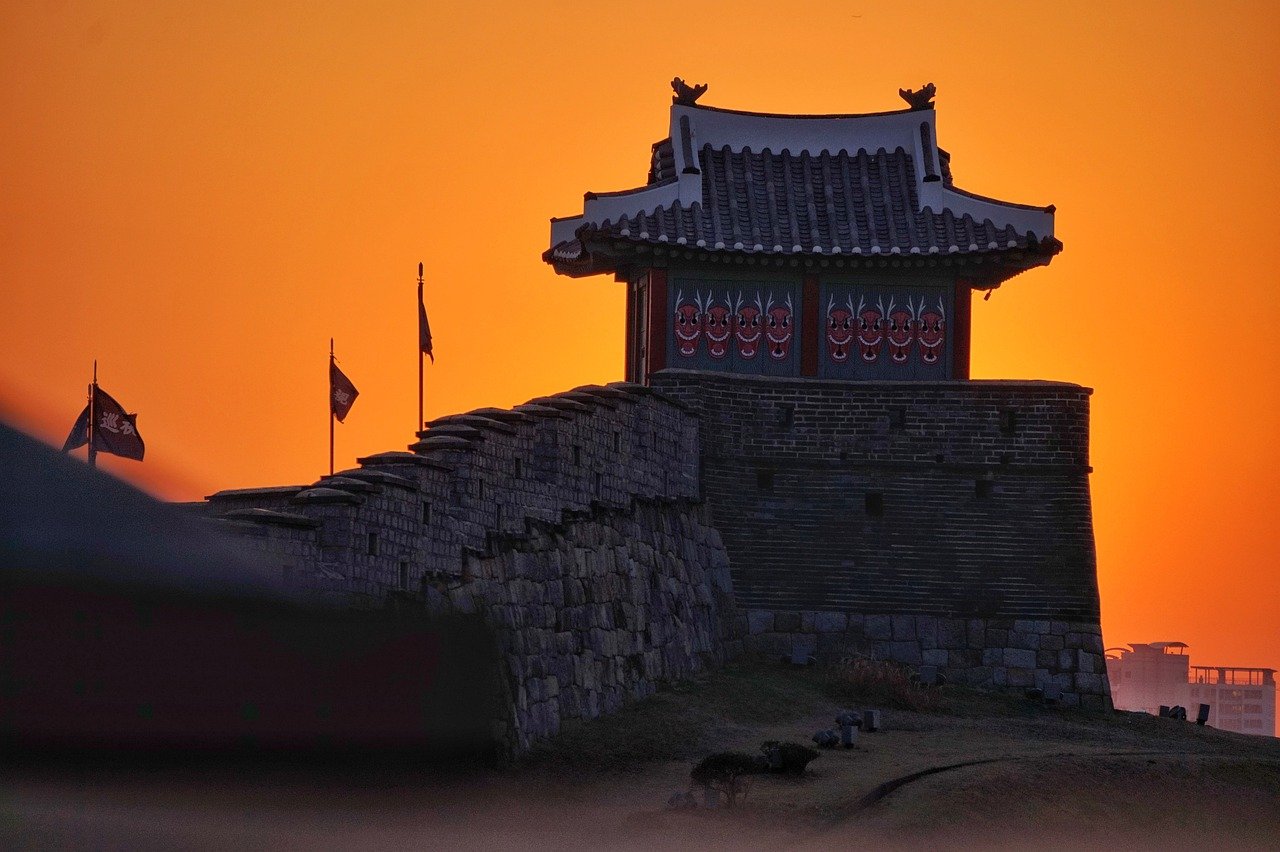
Changwon, the capital of South Gyeongsang Province, is a planned city known for its industrial heritage, green spaces and cultural venues. Its districts of Masan and Jinhae add coastal scenery and famous cherry blossom views.