Chachapoyas
Chachapoyas, the capital of Peru's Amazonas region, pairs colonial streets and Andean scenery with access to the ancient Kuelap fortress and cloud forest trails.
Passengers
Luggage
About Amazonas
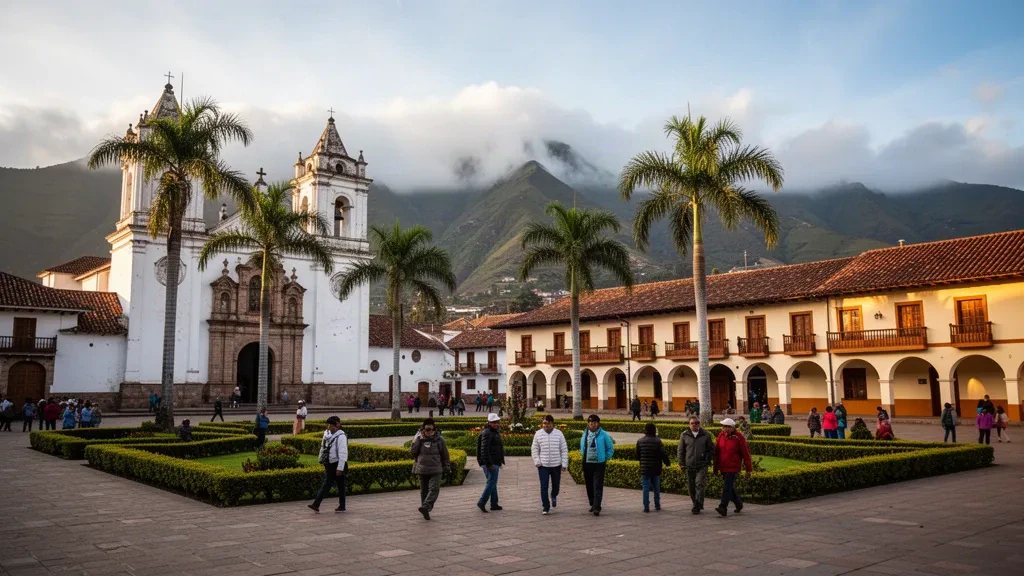
Chachapoyas is the capital of Peru's Amazonas region and the main gateway to the cloud-forest archaeology of the ancient Chachapoya people. The city sits in the northern highlands at about 2,335 metres, with a compact colonial centre of whitewashed walls, red-tiled roofs and wooden balconies.
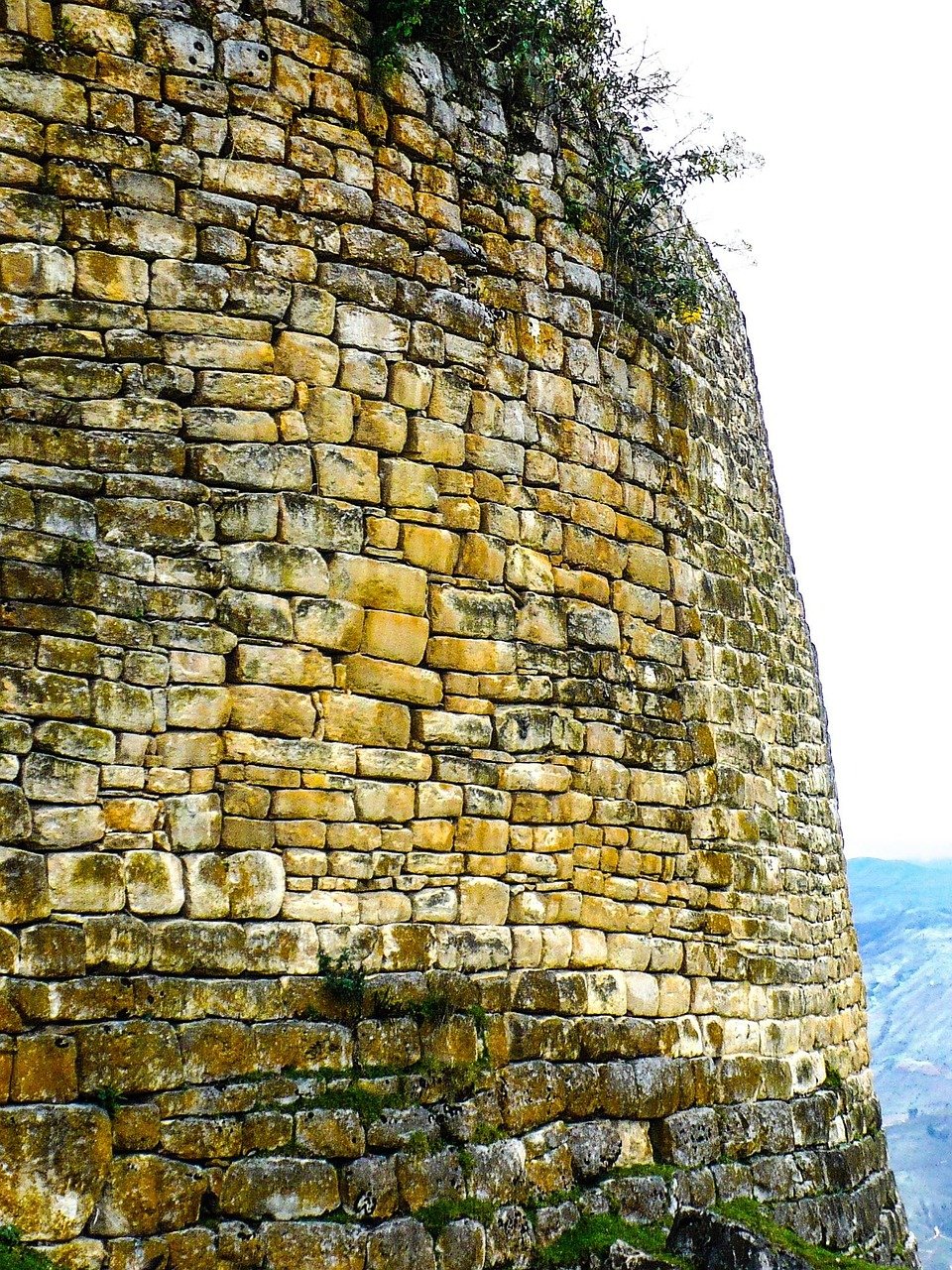
Founded in 1538 as San Juan de la Frontera de los Chachapoyas, the city grew from a Spanish colonial outpost into the administrative and commercial hub of the region. Around it, the Chachapoya culture left some of Peru's most dramatic pre-Inca sites, most famously the walled citadel of Kuélap.
Kuélap stands at roughly 3,000 metres and is reached by cable car from Nuevo Tingo, offering views over the Utcubamba valley. Nearby, the Gocta waterfall drops about 771 metres, while the Karajía sarcophagi overlook a cliff near Luya and the Leymebamba Museum preserves Chachapoya mummies and artefacts.
The city's Plaza de Armas anchors a walkable historic centre with the cathedral, markets, cafés and tour agencies. Rural villages such as Cocachimba, Nuevo Tingo and Leymebamba serve as bases for hiking, horse riding and visits to coffee and cacao farms across the surrounding valleys.
As the regional capital, Chachapoyas also functions as a centre for government, agriculture and growing tourism. It attracts travellers interested in archaeology, trekking and highland culture, while business visitors come for regional trade, coffee production and tourism-related projects.
Amazonas Travel Guide
Best Time to Visit
The dry season from May to October offers the most reliable conditions for visiting Kuélap, Gocta and local hiking trails, with June to August being the busiest months. November to April brings heavier rain and greener landscapes, though some trails become muddy and harder to access.
How to Get Around
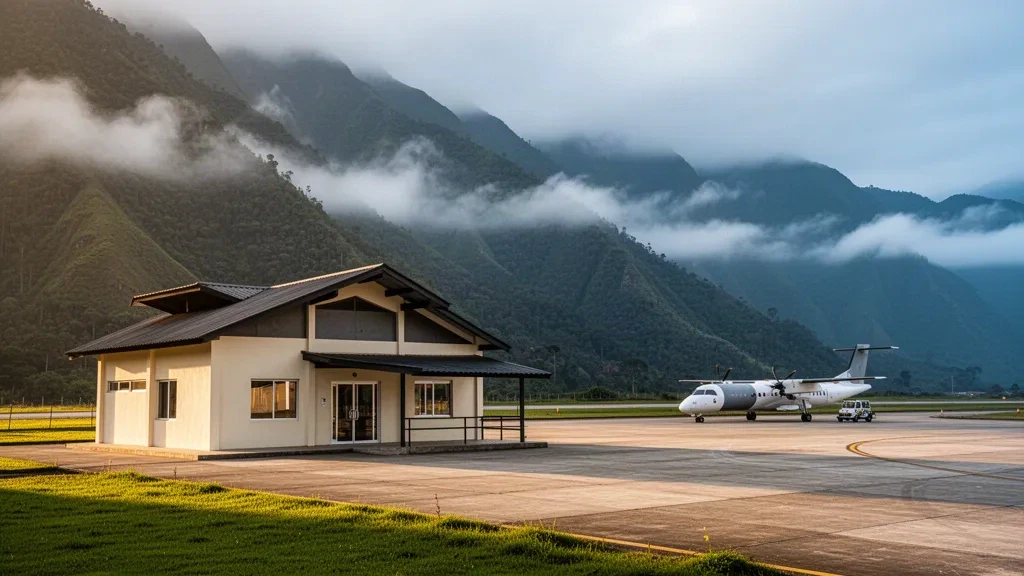
The historic centre is compact and easy to explore on foot, while mototaxis and taxis handle short trips around the city. Colectivos and shared vans connect Chachapoyas with Nuevo Tingo, Cocachimba, Leymebamba and other sites, and most visitors arrive via Chachapoyas Airport or the road from Jaén Airport.
Where to Stay
The area around Plaza de Armas is convenient for restaurants, museums and travel agencies. Luya Urco hill offers quieter stays with valley views, while rural lodges near Cocachimba, Nuevo Tingo and Leymebamba suit travellers focused on Gocta, Kuélap and outdoor activities.
Food & Drink
Local dishes include purtumute, a bean and corn stew, and cecina, dried smoked meat served with mote. Markets, cafés and family-run restaurants around the centre offer juane, tamales, cuy, chicha de jora and coffee grown in the surrounding Amazonas highlands.
Ground Transportation Services in Amazonas
Airport Transfers
Arrange transfers between Chachapoyas Airport (CHH), or the longer Jaén Airport route, and hotels, guesthouses and other destinations in Chachapoyas and the Amazonas region.
Hourly Chauffeur
Book a private chauffeur by the hour for flexible travel around Chachapoyas, including visits to Kuélap, Gocta, Karajía and business appointments in the city.
Car Rental
Rent a car in Chachapoyas for independent travel through the Amazonas region and journeys to Kuélap, Gocta, Leymebamba and other nearby attractions.
Bus & Group Transfers
Arrange minibuses or charter buses for group tours, corporate events, airport pickups and excursions to Kuélap, Gocta and other sites in the Amazonas region.
Frequently Asked Questions
Related Cities in Peru
View all
Pucallpa
Pucallpa, the capital of Peru's Ucayali region, is a bustling Amazonian city known as a gateway to the rainforest, with a lively port, markets and access to nearby natural wonders.
Tumbes
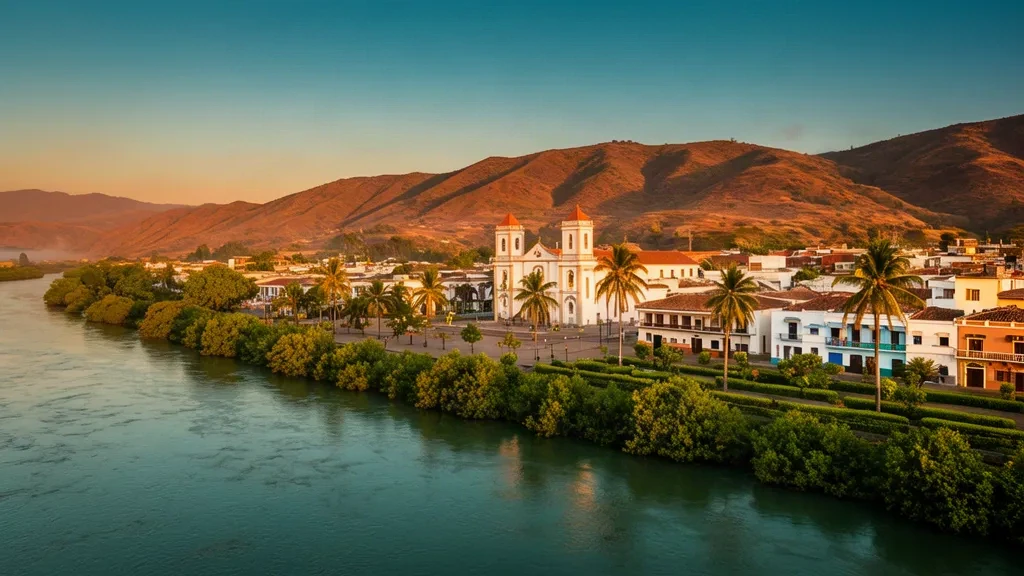
Tumbes, a tropical coastal city in northwestern Peru, pairs Pacific beaches and mangrove wetlands with a warm borderland culture and a relaxed plaza-centered pace. Its history and proximity to Ecuador give the city a distinct character.
Tacna
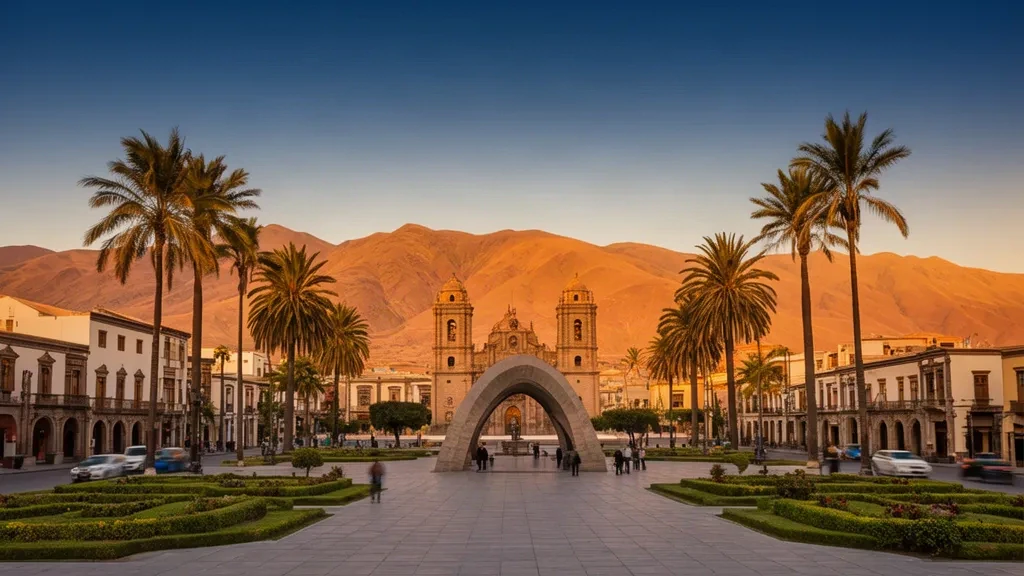
Tacna, known as Peru's Heroic City, blends desert landscapes and Pacific beaches with a proud civic history, colonial-era architecture and a lively market and food scene.