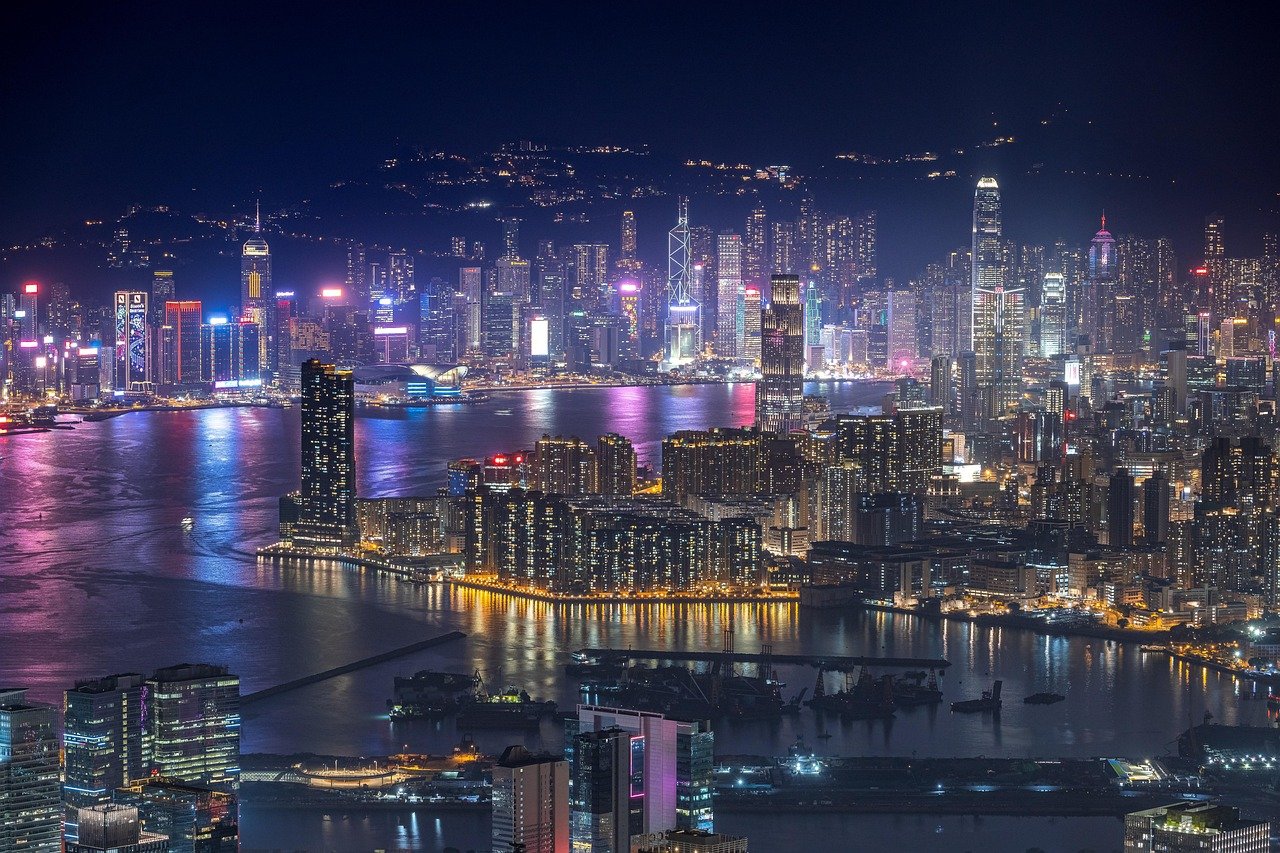
Lagos
Lagos, Nigeria's largest city and former capital, pairs Atlantic coastline and busy markets with an influential music scene, colonial-era architecture and a fast-paced business culture.
Passengers
Luggage
About Lagos
Lagos is Nigeria's largest city and economic centre, stretched along the Atlantic coast and the Gulf of Guinea in the country's southwest. Fast-paced, crowded and constantly changing, it combines a major port, a thriving financial district and one of Africa's most influential cultural scenes.
The city grew from Èkó, a Yoruba Awori fishing settlement, and took its Portuguese name in the 15th century before developing into a British colonial port and Nigeria's capital until 1991. Its layered history appears in landmarks such as Tafawa Balewa Square, Freedom Park, the National Museum and the Brazilian-influenced architecture around Lagos Island, while newer icons include the National Theatre, Nike Art Gallery and the Lekki Conservation Centre.
Districts differ sharply across the metropolis. Lagos Island holds the historic core and busy markets, Victoria Island and Ikoyi are the main business and upscale areas, and Lekki spreads along the coast with malls, beaches and fast-growing residential estates. Yaba is known for its tech and creative energy, Ikeja is the state capital around the airport, and Surulere mixes residential life with entertainment and sport.
As West Africa's commercial hub, Lagos drives banking, trade, manufacturing and logistics through its ports and the Lekki Free Zone. It is also home to Nollywood, a major Afrobeats music scene and a growing start-up ecosystem, with events, clubs, restaurants and street food ranging from jollof rice and suya to pepper soup across the city.
For travellers, Lagos offers a compelling mix of business access, waterfront leisure, heritage and round-the-clock urban energy. Visitors come for trade and conferences as much as for its beaches, galleries, music and food, making the city a key gateway to Nigeria and the wider region.
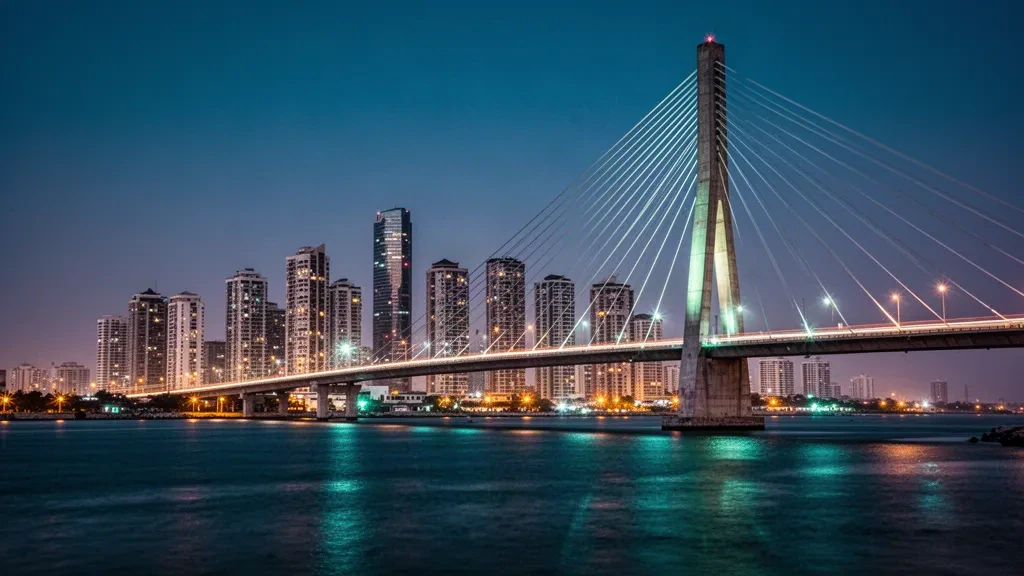
Lagos Travel Guide
Best Time to Visit
The dry season from November to March is the most comfortable time to visit, with less rain and lower humidity. December is especially lively for festive events, while the heaviest rains usually fall between April and July and again around September and October.
How to Get Around
Lagos has BRT buses, danfo minibuses, ferries, taxis, ride-hailing services and the growing Lagos Rail Mass Transit network, with the Blue Line running from Marina toward Mile 2. Traffic can be heavy, so private drivers, chauffeurs and rental cars are common choices for reliable travel between districts.
Where to Stay
Victoria Island and Ikoyi are convenient for business and upscale hotels, while Lekki offers modern apartments, resorts and beach access. Ikeja is practical for airport access, and Lagos Island suits travellers focused on the historic centre and markets.
Food & Drink
Lagos food ranges from street-side suya, puff-puff and pepper soup to jollof rice, eba and amala served in local bukkas and busy restaurants. Victoria Island, Ikoyi and Lekki have wide international dining, cafés and lively bars, while markets and roadside spots give a more local experience.
Ground Transportation Services in Lagos
Airport Transfers
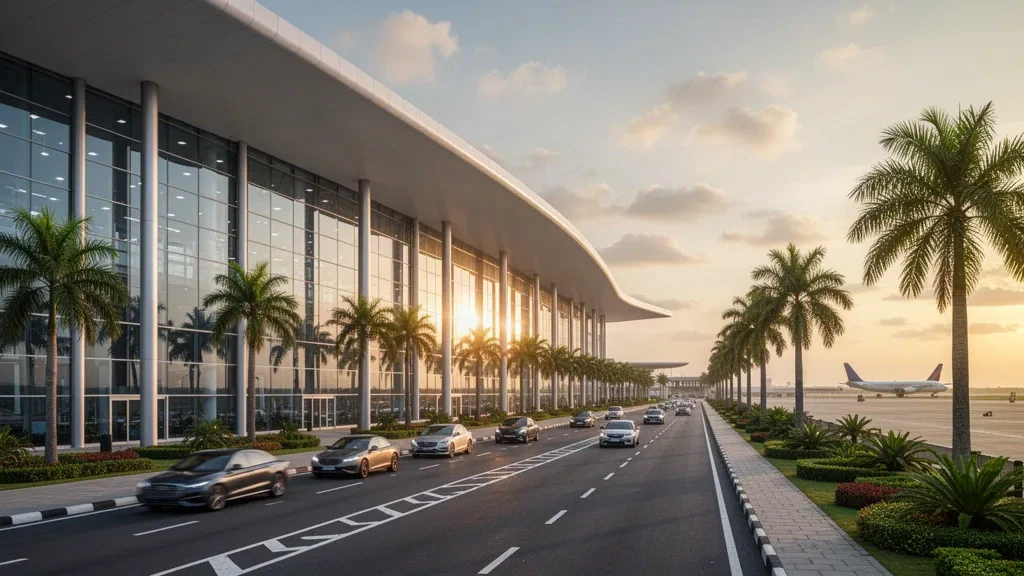
Travel between Murtala Muhammed International Airport and hotels, business districts, event venues and residential areas across Lagos with a pre-booked private transfer.
Hourly Chauffeur
Book a private chauffeur by the hour for business meetings, events, shopping and flexible travel around Lagos without navigating heavy traffic yourself.
Car Rental
Rent a car in Lagos for independent movement across Victoria Island, Ikoyi, Lekki and beyond, with self-drive or driver options for city travel and day trips.
Bus & Group Transfers
Arrange minibuses or charter buses for groups, corporate travel, conferences, airport transfers and sightseeing tours across Lagos and nearby destinations.
Frequently Asked Questions
Related Cities in Nigeria
View all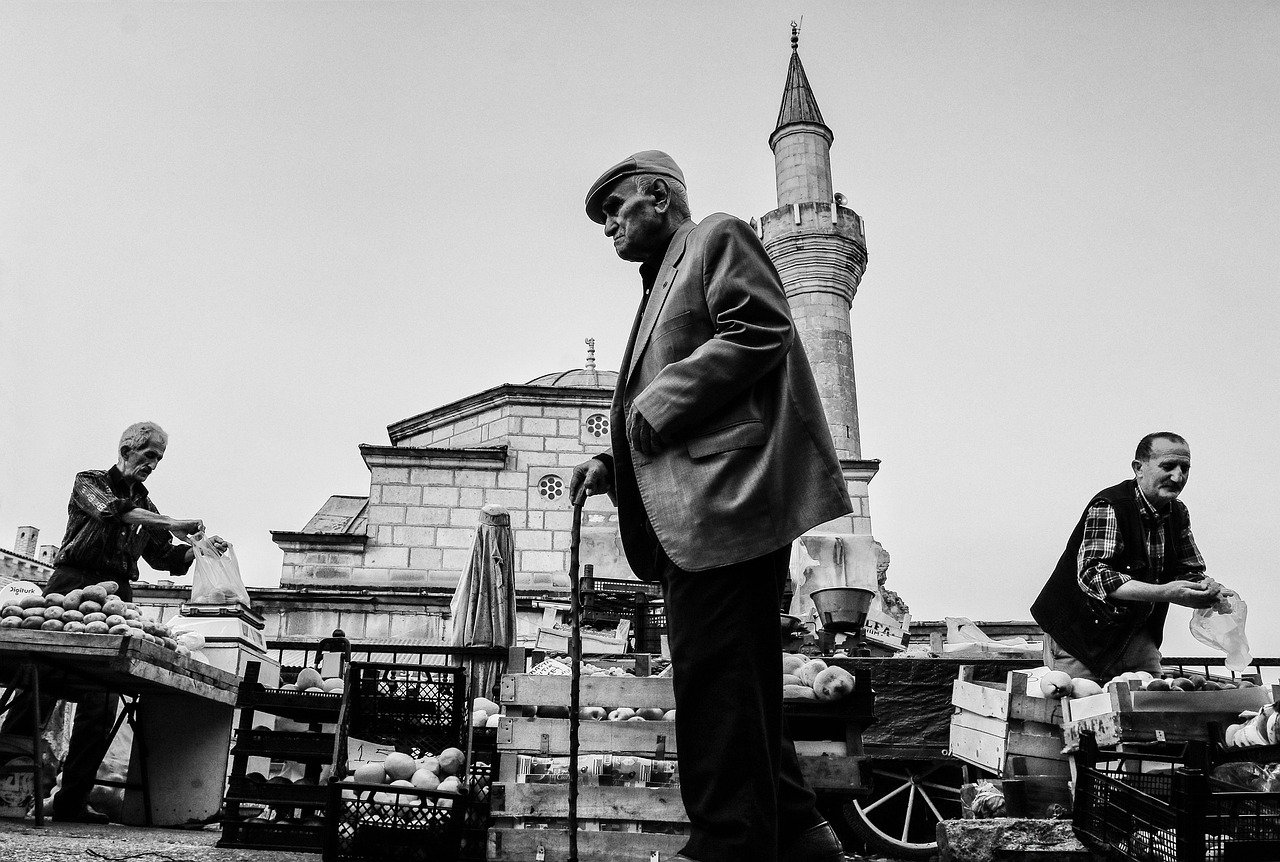
Zamfara
Zamfara, in northwestern Nigeria, is a land of historic emirates, vibrant Hausa culture and bustling markets set against savannah and rolling hills.
Yobe
Yobe, in northeastern Nigeria, is a place of Sahelian landscapes, historic settlements and a cultural heritage shaped by trade and community life.
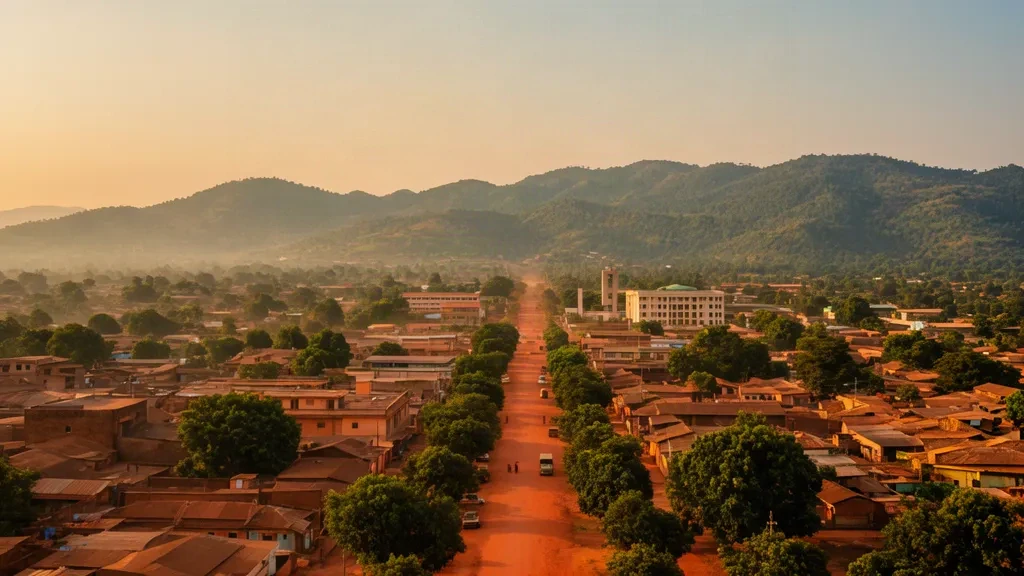
Jalingo
Jalingo, the capital of Taraba State, is a lively agricultural and commercial hub in north-eastern Nigeria. Its diverse communities and position near the Mambilla Plateau and Gashaka Gumti National Park make it a practical base for exploring the region.