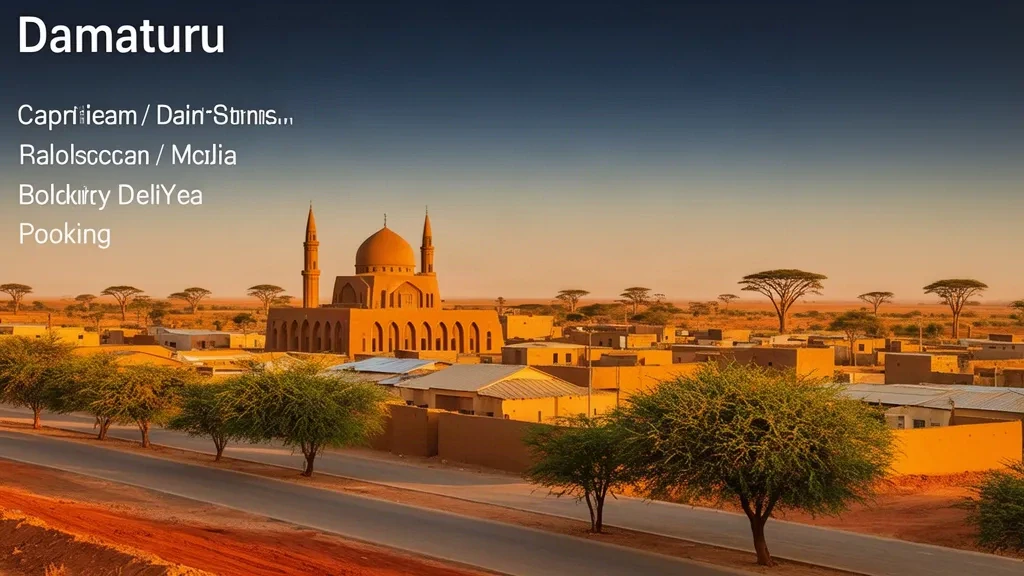
Yobe
Yobe, in northeastern Nigeria, is a place of Sahelian landscapes, historic settlements and a cultural heritage shaped by trade and community life.
Passengers
Luggage
About Yobe
Damaturu is the capital of Yobe State in northeastern Nigeria and a growing administrative and trade centre in the Sahel savanna. It became the state capital in 1991 and lies on the A3 highway, connecting it with Potiskum, Maiduguri and other towns in the region.
Local life centres on government offices, markets and transport links that serve surrounding farming communities. Millet, sorghum, groundnuts and livestock are important, and the city's markets are meeting points for traders from across Yobe and neighbouring Borno.
Landmarks include the central mosque, state government institutions, Yobe State University and cultural sites reflecting the region's Kanuri, Hausa and Fulani heritage. Visitors can experience local markets, traditional crafts and the everyday rhythm of a northern Nigerian state capital.
Damaturu also functions as a base for government, business and NGO activity in Yobe State, with hotels, fuel stations and road connections supporting travel across northeastern Nigeria. Its position on regional routes makes it a practical stop for travellers moving between towns in the northeast.
Travellers should check current security advice before visiting and arrange reliable local transport, but the city offers an authentic view of daily life in the Sahel and a practical gateway to Yobe's institutions and projects.
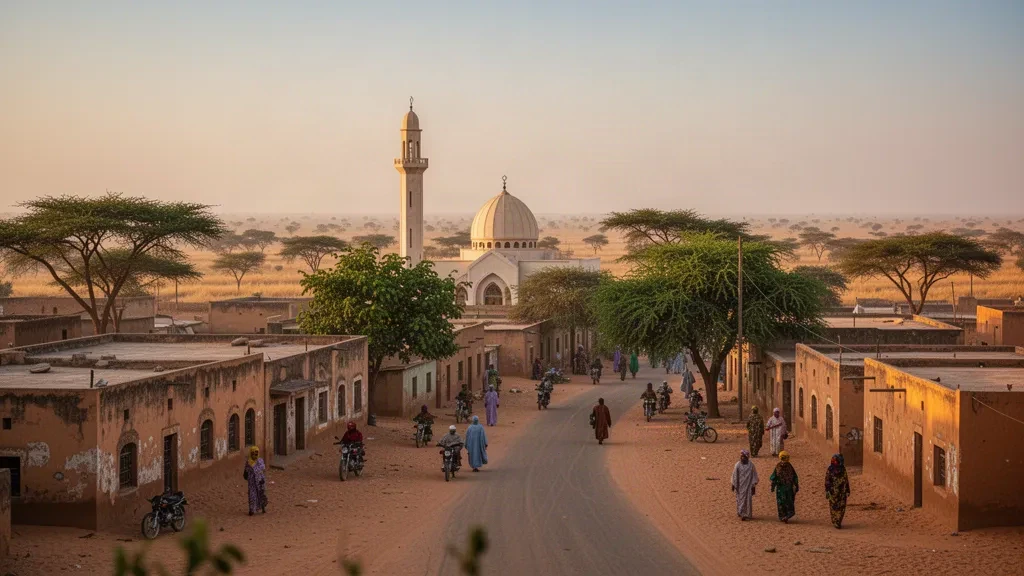
Yobe Travel Guide
Best Time to Visit
The dry season from November to February is the most comfortable time to visit Damaturu, with lower humidity and more reliable road travel. The rainy season, roughly June to September, can make some rural roads harder to navigate and is less predictable for sightseeing.
How to Get Around
Within Damaturu, visitors typically use shared taxis, motorcycle taxis known as okadas and three-wheeled keke napeps for short trips. For greater comfort and security, private transfers or a hired car with a driver are practical options, especially when travelling outside the city.
Where to Stay
Most accommodation is concentrated in the city centre and along major roads, with a small range of hotels and guest houses serving government, NGO and business visitors. Staying near the central district keeps markets, offices and transport hubs within easy reach.
Food & Drink
Local food reflects northern Nigerian and Hausa cooking, including tuwo, rice dishes, grilled meat suya and roasted fish sold along roadsides. Damaturu's markets and small restaurants offer millet-based foods, tea and other everyday staples.
Ground Transportation Services in Yobe
Airport Transfers
Arrange transfers between Muhammadu Buhari International Cargo Airport, Damaturu and hotels, offices and meeting venues across the city and nearby towns.
Hourly Chauffeur
Use a private chauffeur by the hour for business appointments, project visits, market tours and reliable travel around Damaturu.
Car Rental
Rent a car with or without a driver for independent travel within Damaturu and road journeys to Potiskum, Maiduguri and other regional destinations.
Bus & Group Transfers
Book minibuses or larger coaches for NGO teams, government delegations, events and group travel within Yobe State and across northeastern Nigeria.
Frequently Asked Questions
Related Cities in Nigeria
View all
Zamfara
Zamfara, in northwestern Nigeria, is a land of historic emirates, vibrant Hausa culture and bustling markets set against savannah and rolling hills.
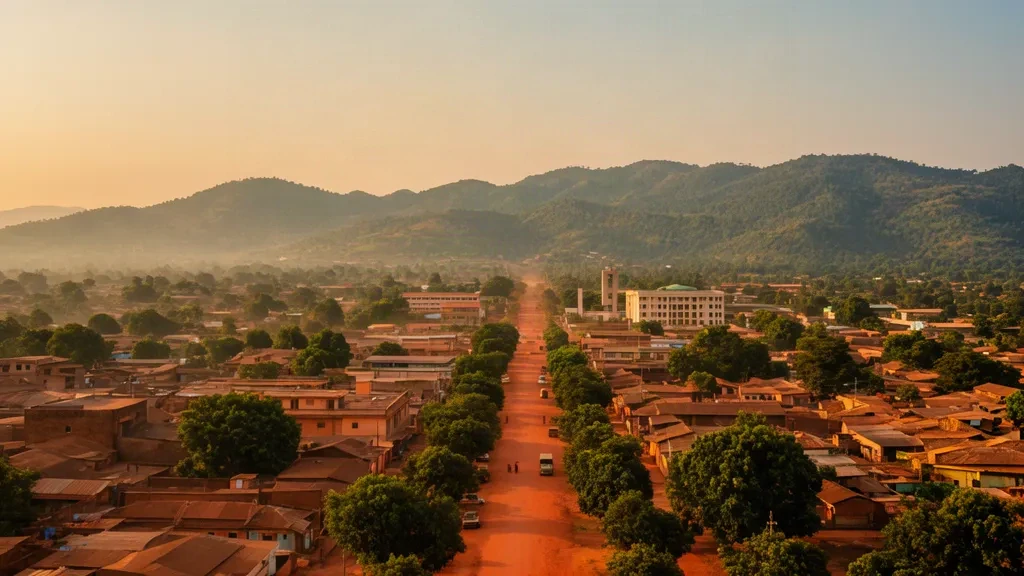
Jalingo
Jalingo, the capital of Taraba State, is a lively agricultural and commercial hub in north-eastern Nigeria. Its diverse communities and position near the Mambilla Plateau and Gashaka Gumti National Park make it a practical base for exploring the region.
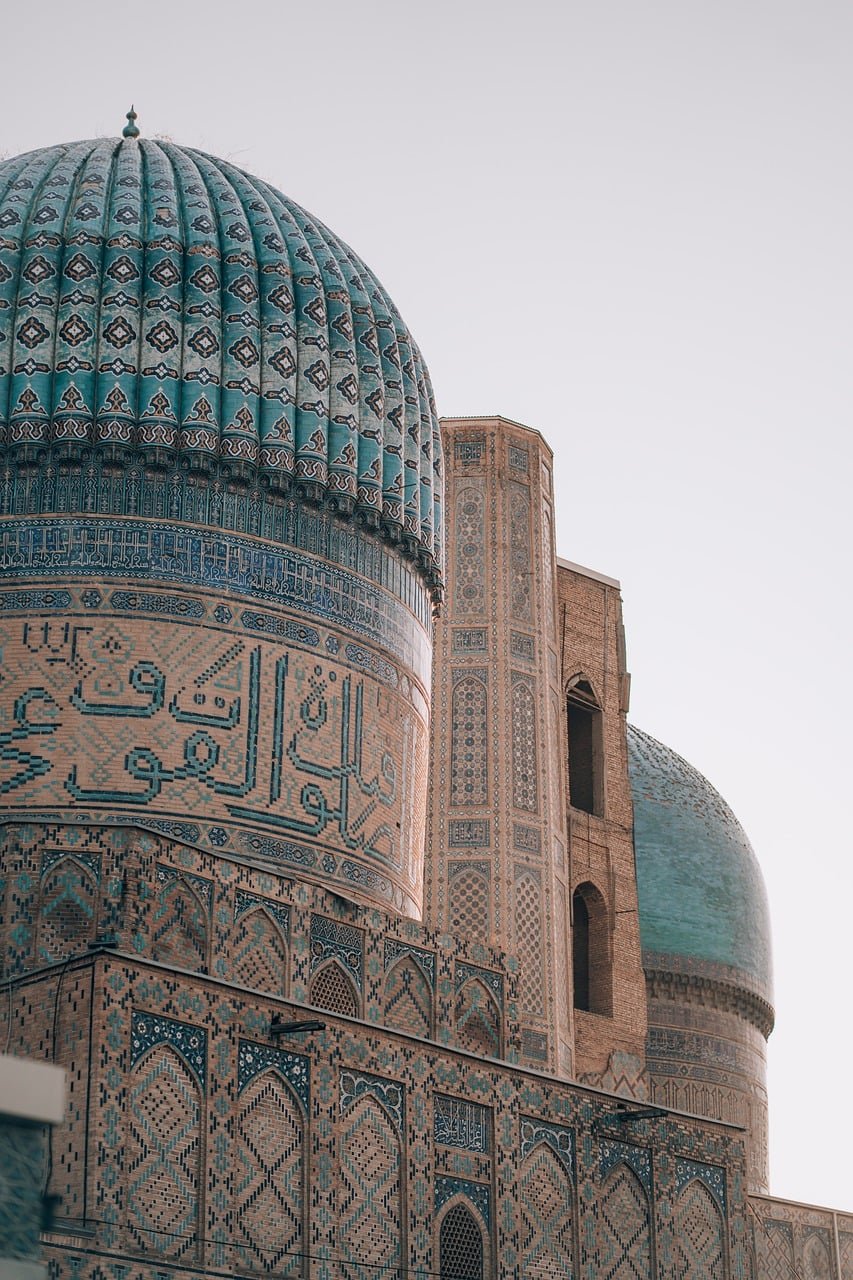
Sokoto
Sokoto, a historic city in northwestern Nigeria and seat of the Sokoto Sultanate, is known for its Islamic scholarly heritage, traditional architecture and lively markets.
Airports in Nigeria
View all airports in the country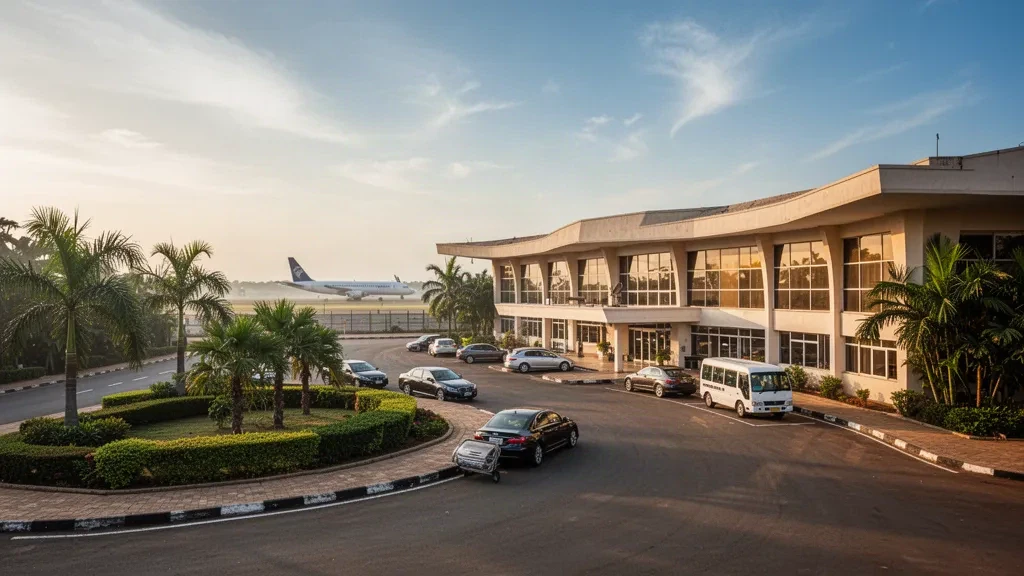
Benin Airport (BNI)
Benin Airport (BNI) serves Benin City, the capital of Edo State, and connects travelers with domestic flights mainly to Lagos and Abuja. Compare transfer options to Benin City centre, the GRA, the University of Benin area, and other nearby locations.
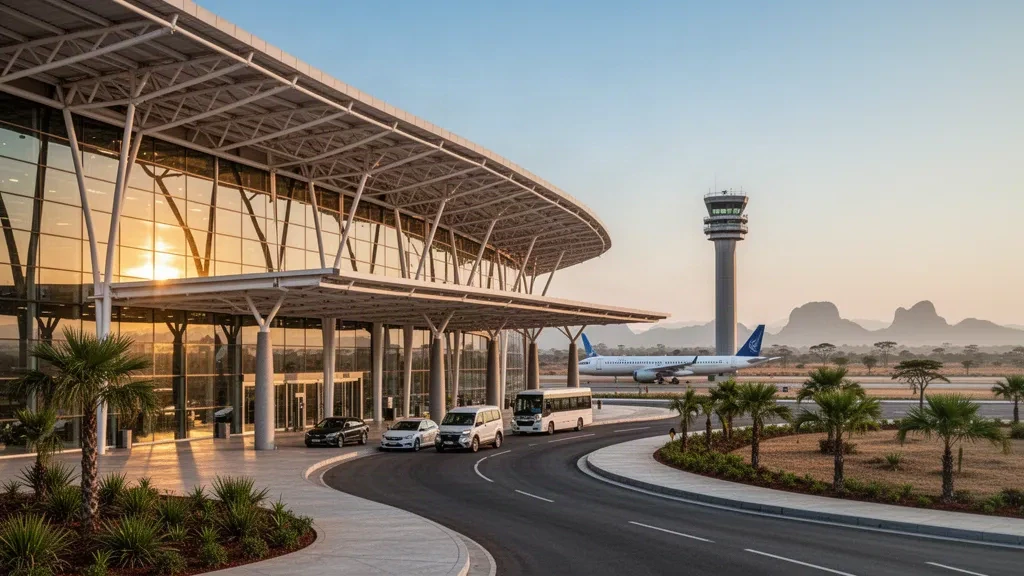
Sir Abubakar Tafawa Balewa Bauchi State International Airport (BCU)
Sir Abubakar Tafawa Balewa Bauchi State International Airport serves Bauchi, the capital of Bauchi State, and provides access to northeastern Nigeria, including Yankari Game Reserve and Wikki Warm Springs. Compare transfer options to Bauchi city centre and nearby areas to plan your journey with ease.
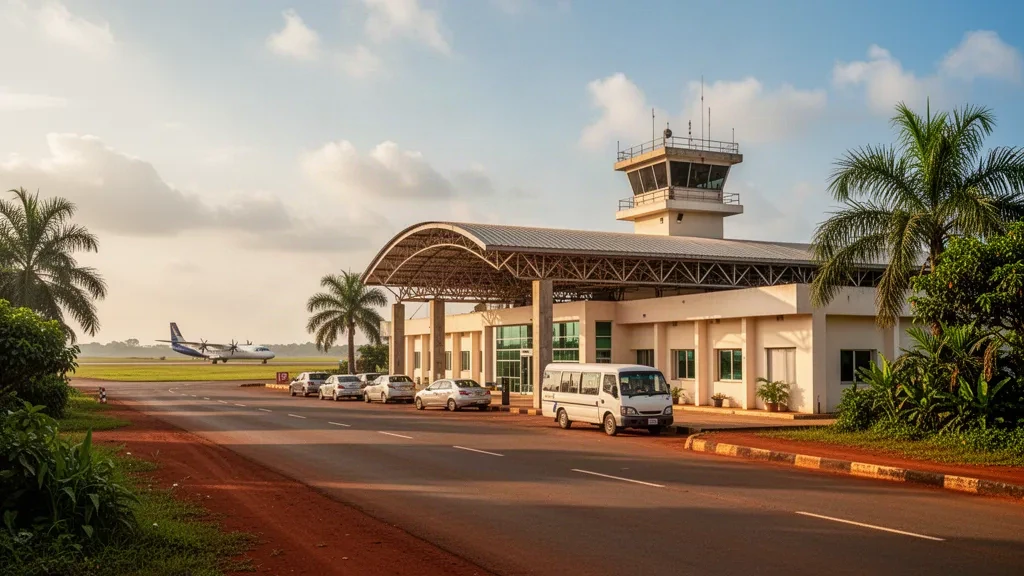
Akure Airport (AKR)
Akure Airport is a domestic gateway serving Akure, the capital of Ondo State, with scheduled flights to Lagos and Abuja. Compare transfer options to central Akure, Oba-Ile and other nearby towns in southwestern Nigeria, and plan your onward journey with ease.
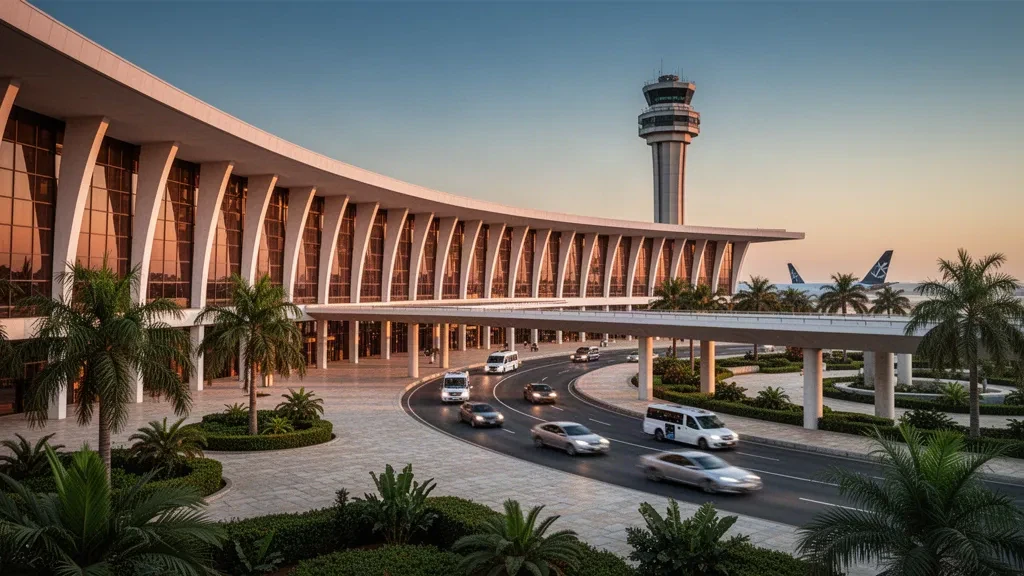
Nnamdi Azikiwe International Airport (ABV)
Nnamdi Azikiwe International Airport is the main gateway to Abuja, the Federal Capital Territory and central Nigeria. Compare transfer options from ABV to the city centre, Wuse, Garki, Maitama and surrounding areas, and plan your onward journey with ease.