Zamfara
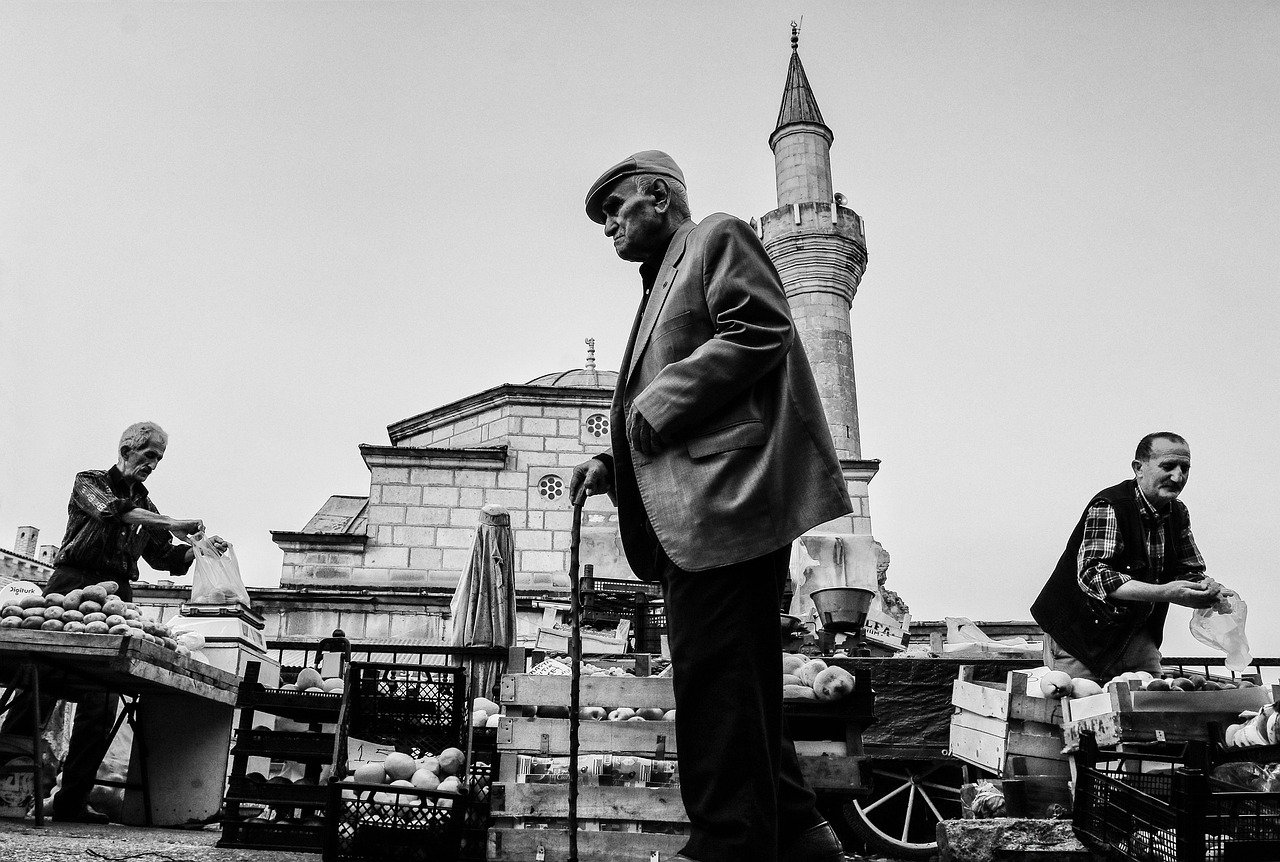
Zamfara, in northwestern Nigeria, is a land of historic emirates, vibrant Hausa culture and bustling markets set against savannah and rolling hills.
Passengers
Luggage
About Zamfara
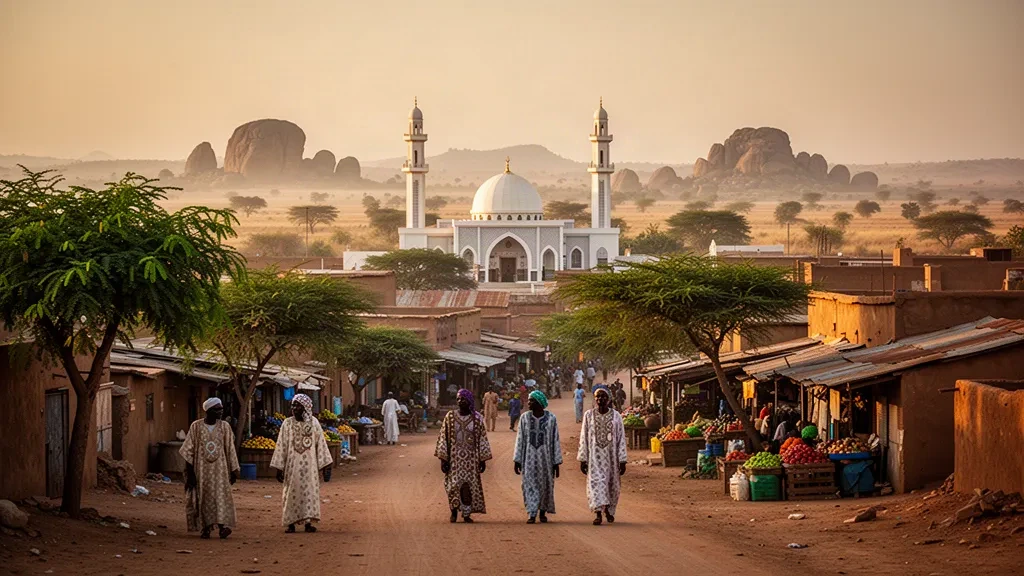
Gusau is the capital of Zamfara State and one of the main commercial centres of northwestern Nigeria. The city sits on the Sokoto River and serves as the administrative heart of the state, with a character shaped by Hausa-Fulani culture, long-distance trade and agriculture.
Gusau was founded around 1799 by Mallam Muhammadu Sambo Dan Ashafa, a follower of Usman dan Fodio, and grew into an important settlement within the Sokoto Caliphate. Cotton ginning, weaving and dyeing have been local trades for generations, and a modern textile plant opened in the 1960s. The railway reached the town in 1929, strengthening its role as a trading centre for cotton, groundnuts and tobacco.
The old city and its newer districts are anchored by landmarks such as the Emir of Gusau's Palace, the busy Central Market and the Sokoto River. Gusau Dam lies on the city's edge, while surrounding neighbourhoods mix traditional compounds, workshops and expanding commercial streets.
Today Gusau functions as a hub for government, agriculture and trade. Cotton, groundnuts, cereals and livestock move through its markets, and Zamfara's wider economy adds mining and small-scale industry to this base. Visitors come mainly for business, government affairs and as a gateway to the state.
For travellers, Gusau offers a direct view of northern Nigerian urban life, with strong local markets, Hausa food and a practical base for exploring Zamfara. Security conditions in the wider state vary, so visitors should check current advice and plan travel with reliable local support.
Zamfara Travel Guide
Best Time to Visit
The dry season from November to February is the most comfortable period, with lower humidity, cooler evenings and better road conditions. The Harmattan can bring dusty air in December and January, while the rainy season from May to September often makes some rural routes more difficult.
How to Get Around
Gusau is compact enough to explore by taxi, tricycle (keke napep) and motorcycle taxi, with minibuses serving main routes. A private car and driver is useful for reaching outlying areas, government offices and nearby towns.
Where to Stay
Most hotels are concentrated in central Gusau and along main roads such as Sokoto Road, close to the state secretariat, markets and transport links. Options are limited compared with larger Nigerian cities, so booking ahead is recommended.
Food & Drink
Local food is rooted in Hausa cuisine, including tuwo shinkafa, miyan kuka, suya, kilishi and fura da nono. Central markets and roadside tea spots offer inexpensive meals, while hotels and restaurants serve a mix of Nigerian and international dishes.
Ground Transportation Services in Zamfara
Airport Transfers
Travel between Gusau International Airport and hotels, government offices, business areas and other destinations in and around the city.
Hourly Chauffeur
Book a private chauffeur by the hour for business meetings, government appointments, site visits and flexible travel around Gusau.
Car Rental
Rent a car in Gusau for independent travel across the city and journeys to nearby towns and communities in Zamfara State.
Bus & Group Transfers
Arrange minibuses or charter buses for groups, corporate travel, events, airport transfers and tours in and around Gusau.
Frequently Asked Questions
Related Cities in Nigeria
View all
Yobe
Yobe, in northeastern Nigeria, is a place of Sahelian landscapes, historic settlements and a cultural heritage shaped by trade and community life.
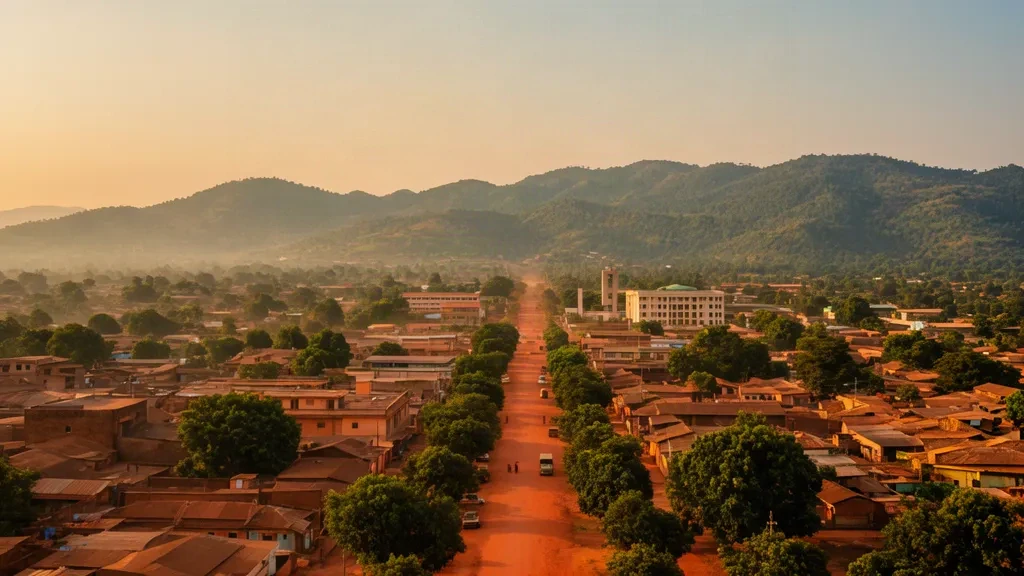
Jalingo
Jalingo, the capital of Taraba State, is a lively agricultural and commercial hub in north-eastern Nigeria. Its diverse communities and position near the Mambilla Plateau and Gashaka Gumti National Park make it a practical base for exploring the region.
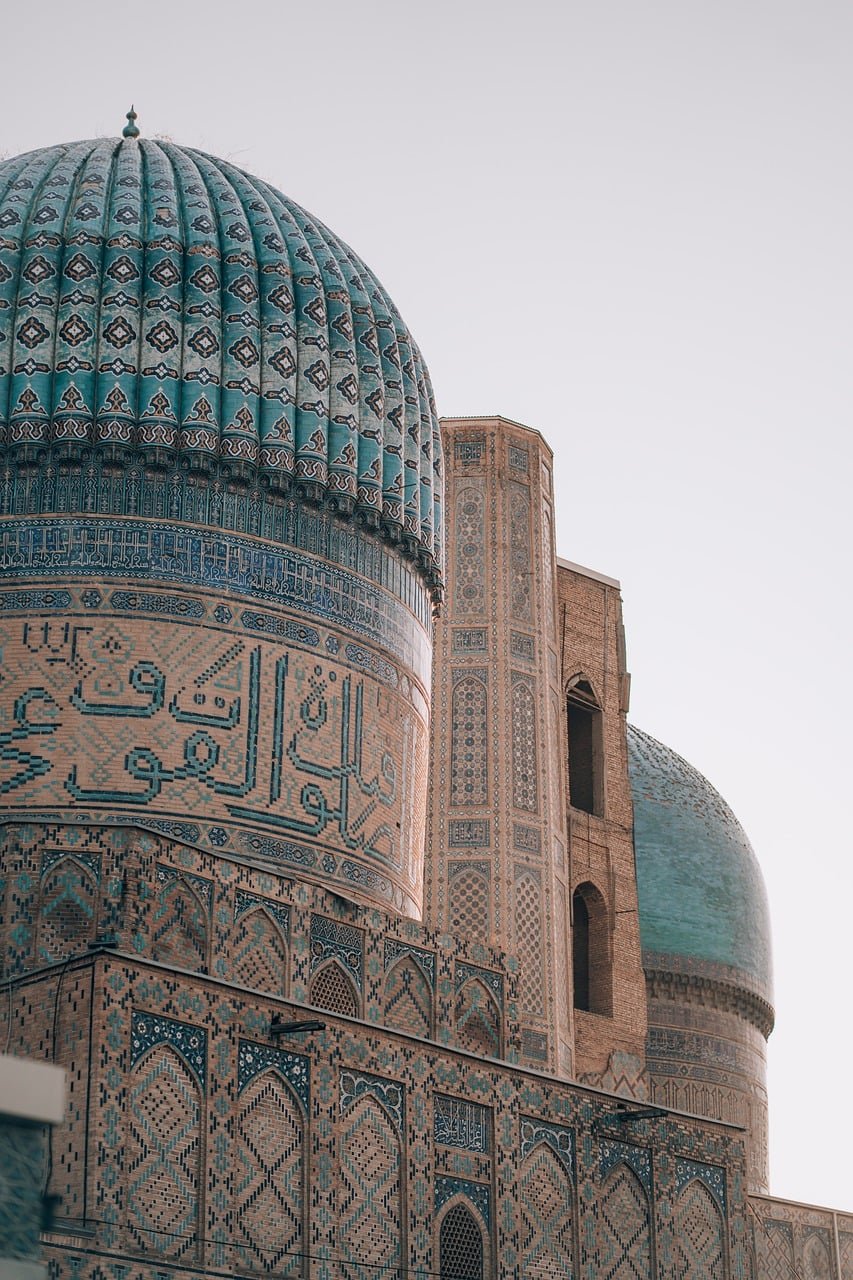
Sokoto
Sokoto, a historic city in northwestern Nigeria and seat of the Sokoto Sultanate, is known for its Islamic scholarly heritage, traditional architecture and lively markets.
Airports in Nigeria
View all airports in the country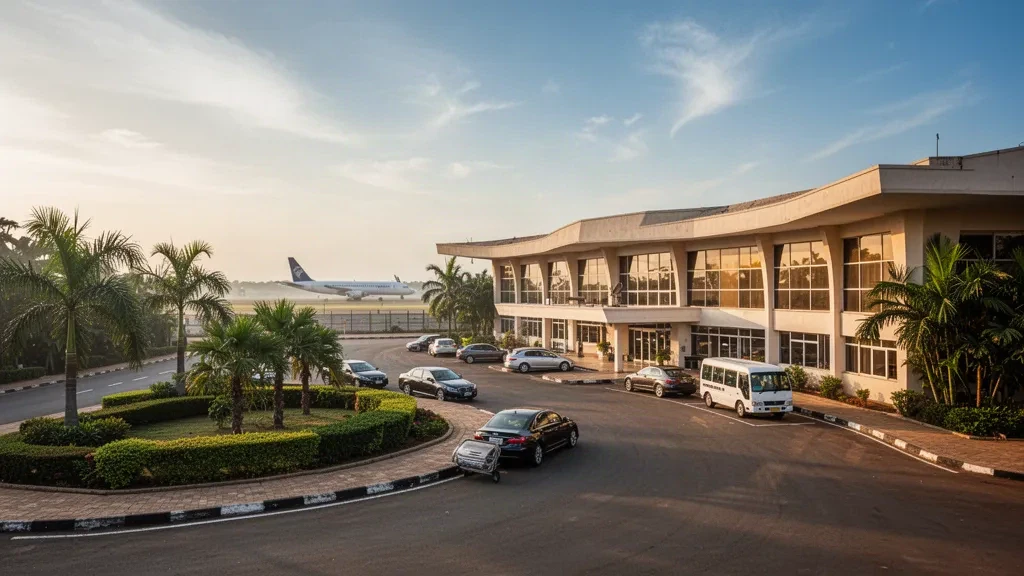
Benin Airport (BNI)
Benin Airport (BNI) serves Benin City, the capital of Edo State, and connects travelers with domestic flights mainly to Lagos and Abuja. Compare transfer options to Benin City centre, the GRA, the University of Benin area, and other nearby locations.
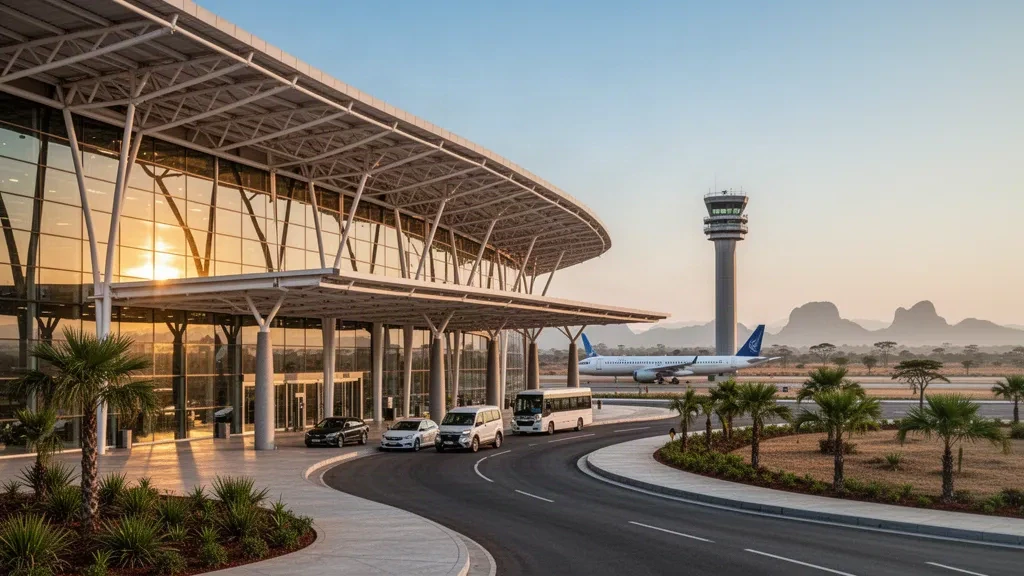
Sir Abubakar Tafawa Balewa Bauchi State International Airport (BCU)
Sir Abubakar Tafawa Balewa Bauchi State International Airport serves Bauchi, the capital of Bauchi State, and provides access to northeastern Nigeria, including Yankari Game Reserve and Wikki Warm Springs. Compare transfer options to Bauchi city centre and nearby areas to plan your journey with ease.
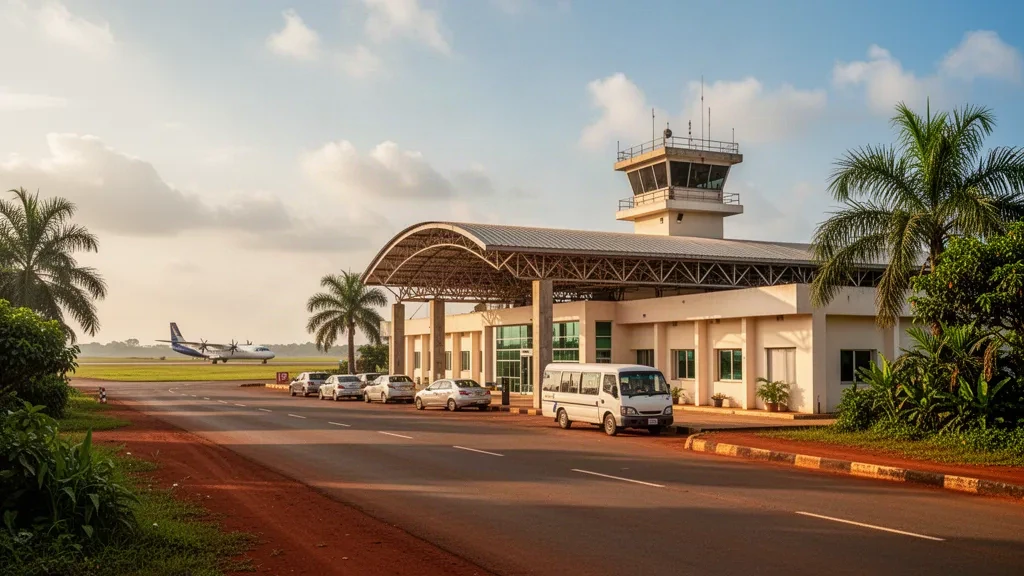
Akure Airport (AKR)
Akure Airport is a domestic gateway serving Akure, the capital of Ondo State, with scheduled flights to Lagos and Abuja. Compare transfer options to central Akure, Oba-Ile and other nearby towns in southwestern Nigeria, and plan your onward journey with ease.
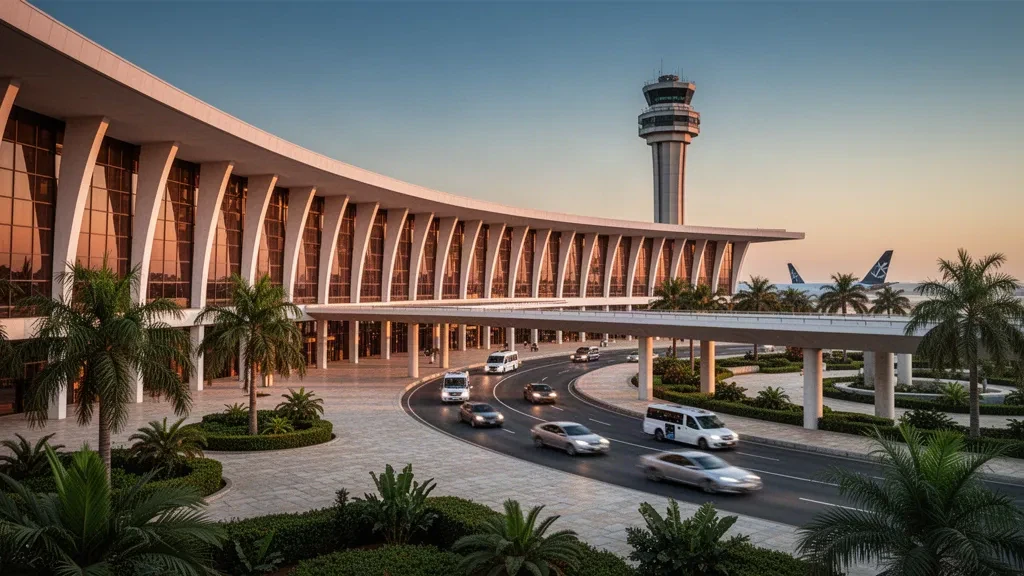
Nnamdi Azikiwe International Airport (ABV)
Nnamdi Azikiwe International Airport is the main gateway to Abuja, the Federal Capital Territory and central Nigeria. Compare transfer options from ABV to the city centre, Wuse, Garki, Maitama and surrounding areas, and plan your onward journey with ease.