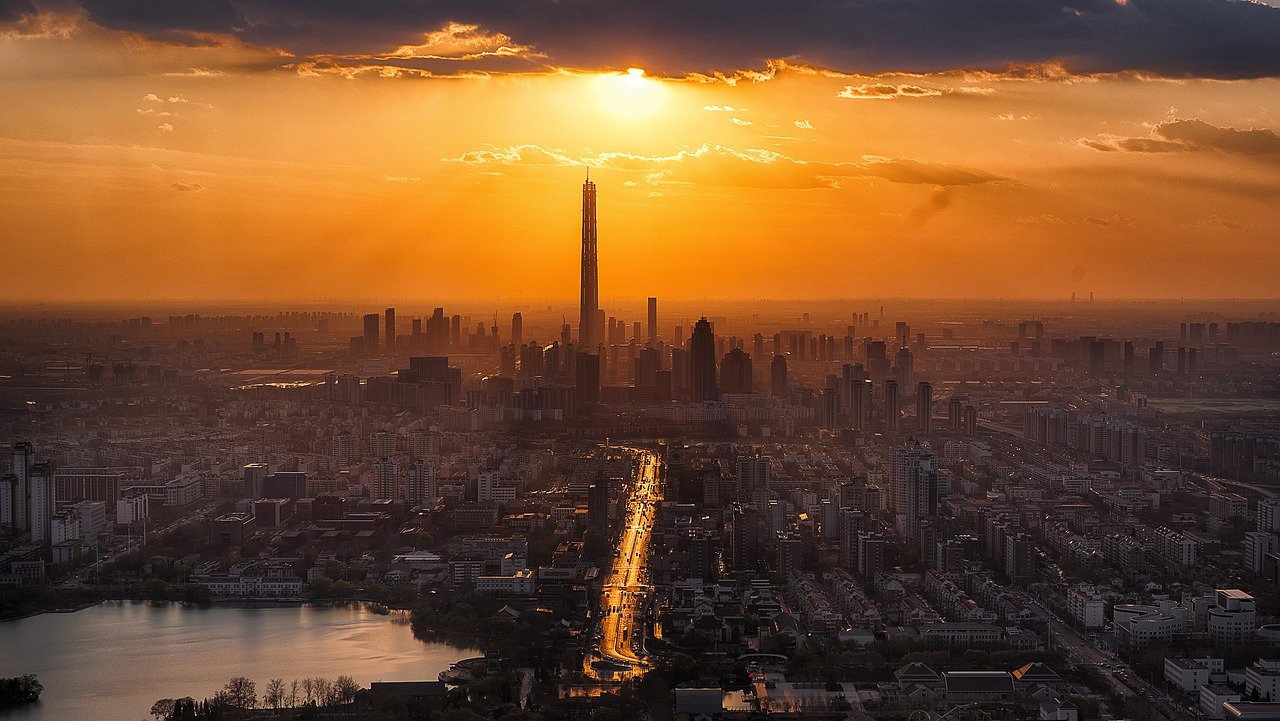
Abuja
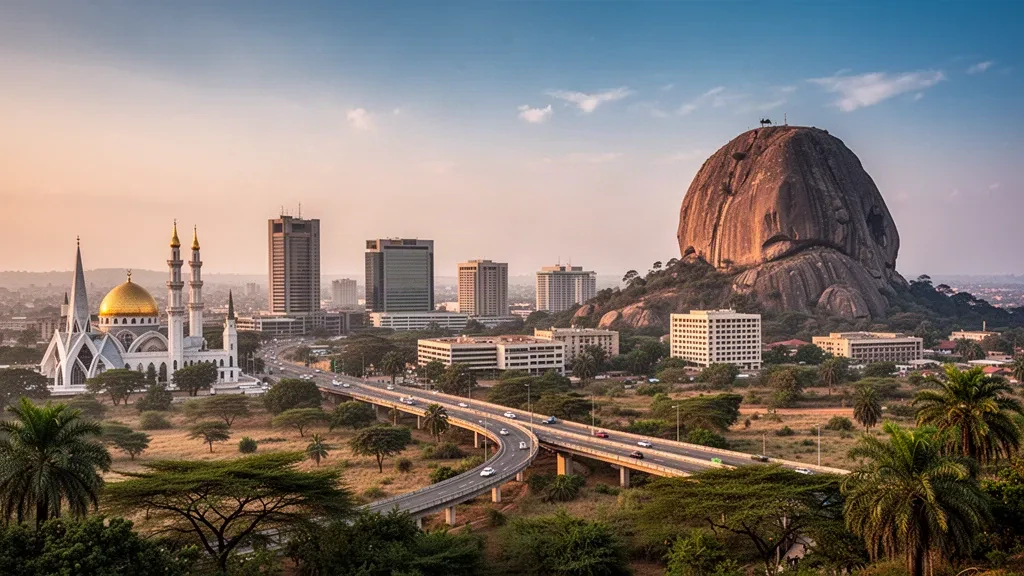
Abuja, Nigeria's purpose-built capital, is known for its modern architecture, broad boulevards and landmarks such as Aso Rock, the National Mosque and the National Christian Centre. It serves as the country's political and diplomatic centre, with a growing cultural and business scene.
Passengers
Luggage
About Abuja Federal Capital Territory
Abuja is Nigeria's planned capital and the seat of the federal government, located in the centre of the country within the Federal Capital Territory. Built from the 1980s to replace Lagos as the capital, it has wide roads, modern government buildings and Aso Rock as its most recognizable natural landmark.
The city's landmarks include the Nigerian National Mosque, the Nigerian National Christian Centre, Millennium Tower, the Central Bank of Nigeria headquarters and Zuma Rock near the city's edge. Its architecture mixes monumental civic buildings, hotels and residential districts arranged in planned phases.
Popular districts include Maitama, Wuse, Garki, Asokoro and Jabi, each known for embassies, offices, markets, restaurants or leisure areas. Millennium Park and Jabi Lake provide green and waterfront spaces, while the Arts and Crafts Village and local markets offer shopping and cultural experiences.
Abuja is also a major centre for government, diplomacy, conferences and business, hosting ECOWAS institutions and international events. Its dining scene ranges from Nigerian suya and jollof rice to West African and international restaurants.
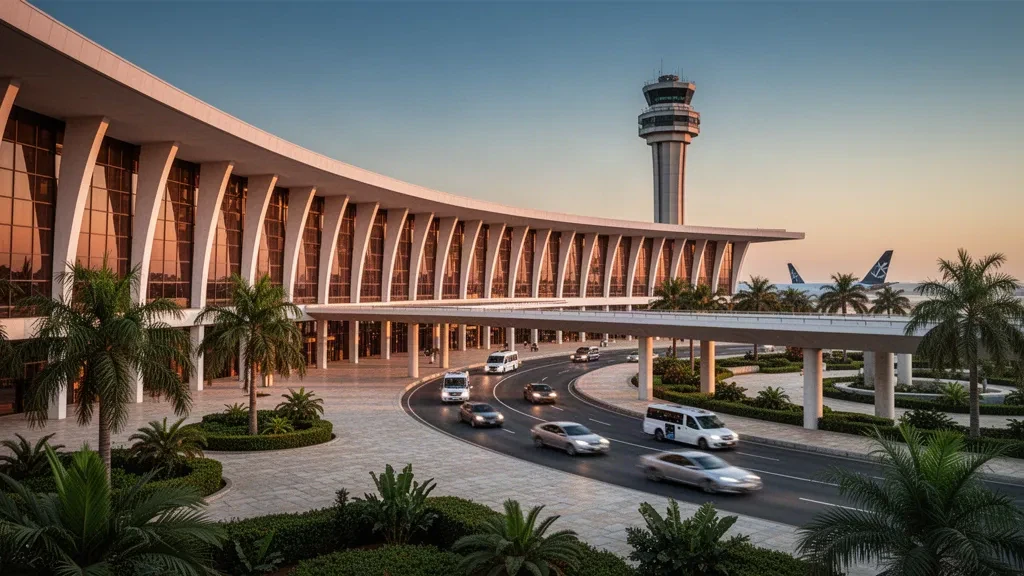
For both leisure and business travellers, Abuja combines national landmarks, green spaces, hotels and event venues with practical access through Nnamdi Azikiwe International Airport.
Abuja Federal Capital Territory Travel Guide
Best Time to Visit
The dry season from November to March is the most comfortable time to visit Abuja, with lower humidity, little rain and sunny days. Harmattan haze can appear around December and January, while the wet season from April to October brings heavier showers and greener surroundings.
How to Get Around
Abuja is best explored by taxi, ride-hailing service or private car because attractions are spread across planned districts. A light rail line links the city centre with the airport corridor, while minibuses and tricycles operate in many neighbourhoods.
Where to Stay
Maitama and Asokoro are known for embassies, upscale hotels and quieter residential streets, while Wuse and Jabi offer shopping, restaurants and more mid-range options. Garki is convenient for government offices and business areas, and districts near the airport corridor suit early departures.
Food & Drink
Abuja's food scene includes Nigerian staples such as jollof rice, pounded yam with soups, suya and pepper soup, alongside West African and international restaurants. Wuse, Jabi and Maitama are popular for dining, while local markets and street grills offer more casual options.
Ground Transportation Services in Abuja Federal Capital Territory
Airport Transfers
Travel between Nnamdi Azikiwe International Airport and hotels, government districts, business areas and residential neighbourhoods across Abuja.
Hourly Chauffeur
Book a private chauffeur by the hour for business meetings, diplomatic appointments, events and flexible sightseeing around Abuja.
Car Rental
Rent a car in Abuja for independent travel around the city and convenient trips to nearby destinations in the Federal Capital Territory.
Bus & Group Transfers
Arrange minibuses or charter buses for groups, corporate events, conferences, airport transfers and tours in and around Abuja.
Frequently Asked Questions
Related Cities in Nigeria
View all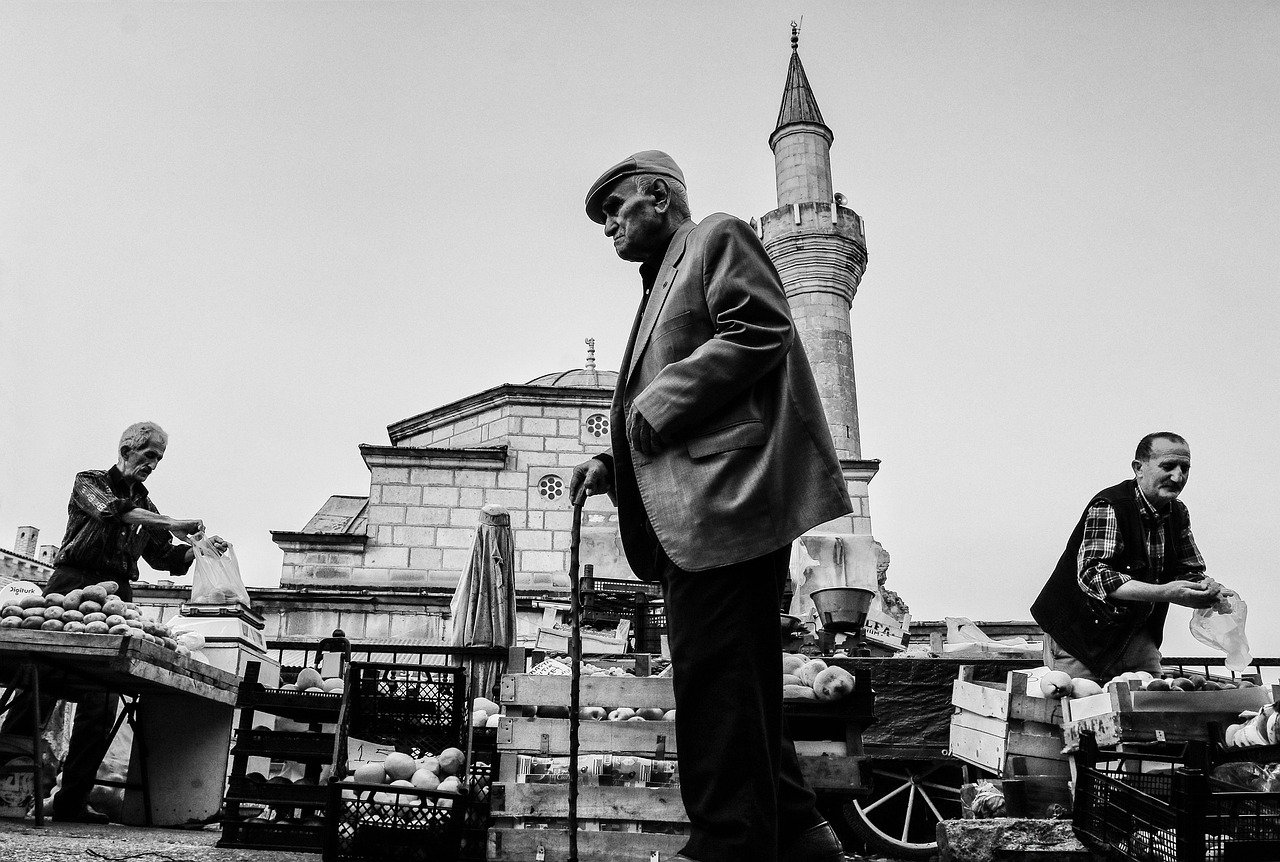
Zamfara
Zamfara, in northwestern Nigeria, is a land of historic emirates, vibrant Hausa culture and bustling markets set against savannah and rolling hills.
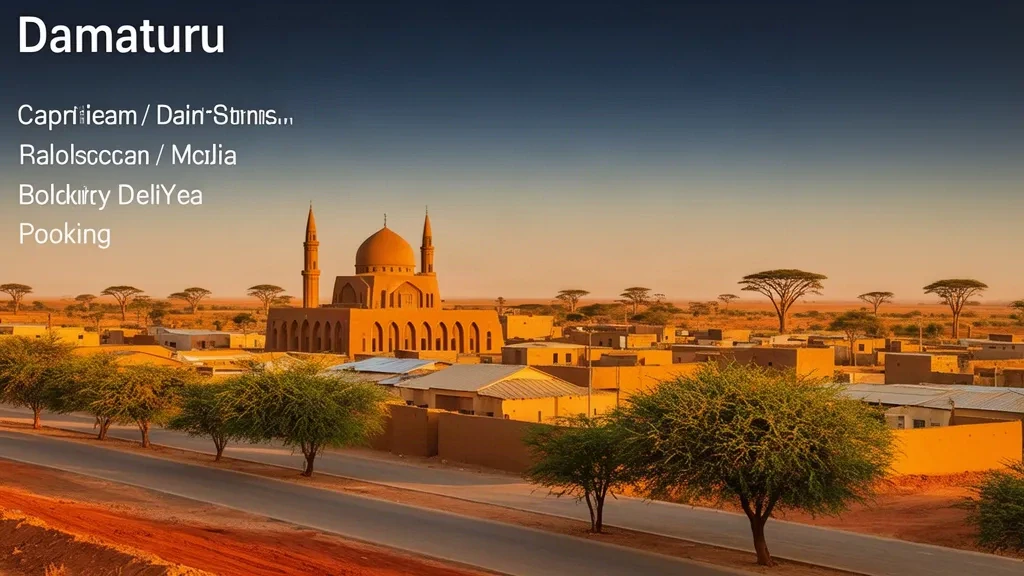
Yobe
Yobe, in northeastern Nigeria, is a place of Sahelian landscapes, historic settlements and a cultural heritage shaped by trade and community life.
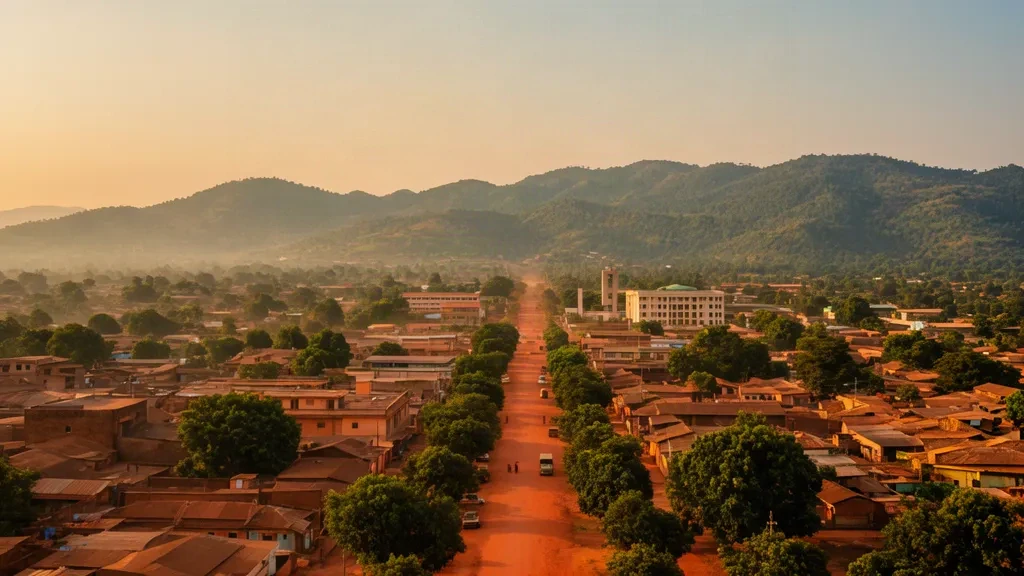
Jalingo
Jalingo, the capital of Taraba State, is a lively agricultural and commercial hub in north-eastern Nigeria. Its diverse communities and position near the Mambilla Plateau and Gashaka Gumti National Park make it a practical base for exploring the region.