Karas
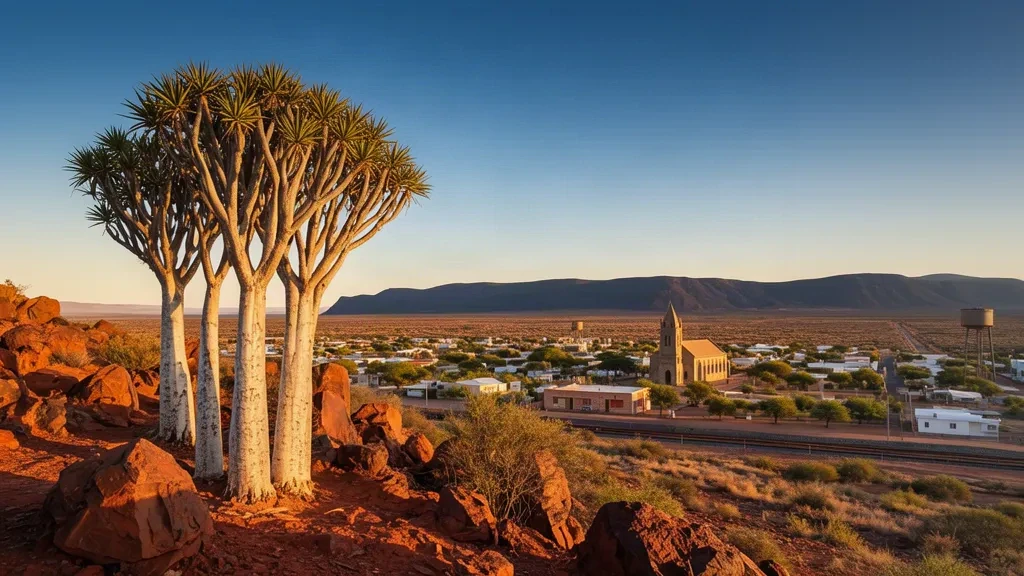
Karas, in southern Namibia, is a land of dramatic desert horizons, historic railway towns and rugged mountains that reward slow, scenic travel.
Passengers
Luggage
About Karas
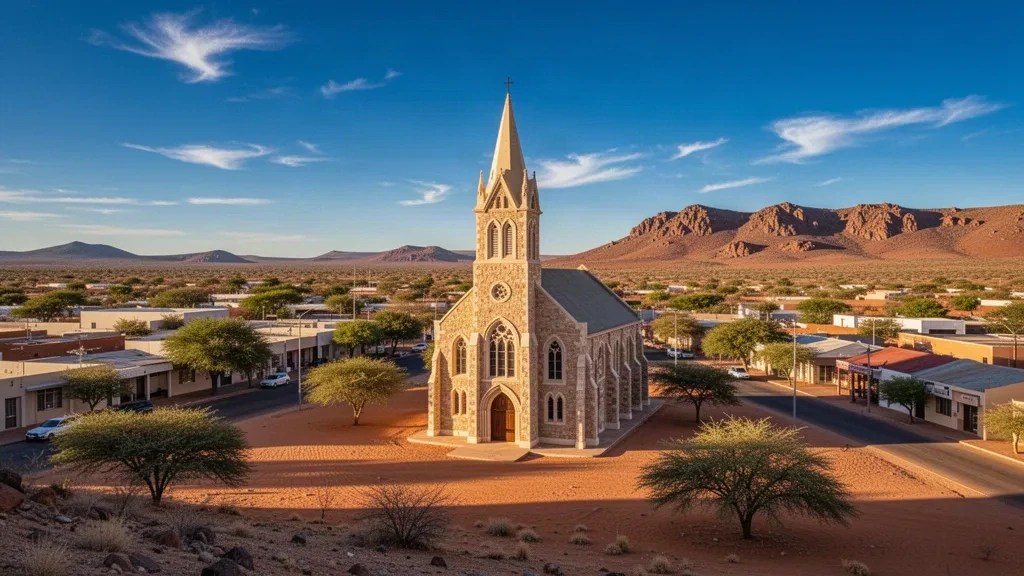
Keetmanshoop is the administrative and commercial capital of Namibia's ǁKaras Region, set in the dry southern plains along the B1 highway between Windhoek and the South African border. As a long-established stopping point on this key route, the town combines a practical role as a transport and supply hub with easy access to some of Namibia's most striking desert landscapes.
Founded as a Rhenish Mission Society station in 1866 and named after the German merchant Johann Keetman, the town still shows its colonial past through sandstone buildings and the Rhenish Mission Church, completed in 1895 and now home to the Keetmanshoop Museum. These historic sites reflect the town's missionary origins and its development as a centre for the surrounding farming region.
The best-known attractions lie just outside town. The Quiver Tree Forest holds hundreds of tall aloe trees known as kokerboom, while the nearby Giant's Playground is a maze of weathered dolerite boulders. Further afield, visitors use Keetmanshoop as a base for the Mesosaurus Fossil Site, Naute Dam and the Fish River Canyon, one of Africa's largest canyons.
Keetmanshoop also serves as a regional transport and business centre, with rail links, agricultural trade and services supporting southern Namibia. Karakul sheep farming and tourism are important local activities, and the town provides fuel, shops, accommodation and vehicle services for travellers crossing the south.
For leisure and business travellers alike, Keetmanshoop works as a practical stopover and a gateway to the wider Karas region, offering quiet guesthouses, local restaurants and a manageable town centre while the dramatic attractions of the south remain within reach.
Karas Travel Guide
Best Time to Visit
The cooler months from May to September are the most comfortable for exploring Keetmanshoop, with mild daytime temperatures and cold, clear nights. Summer from November to February can be very hot, so outdoor visits to the Quiver Tree Forest and Giant's Playground are best planned for early morning or late afternoon.
How to Get Around
Keetmanshoop's town centre is compact enough to explore on foot, while taxis are available for short trips. A rental car is the most practical option for reaching the Quiver Tree Forest, Giant's Playground and other attractions outside town, with the B1 providing good road access.
Where to Stay
Most guesthouses, bed and breakfasts and small hotels are located in the town centre, close to shops, restaurants and the main road. A few lodges and farm stays can be found near the Quiver Tree Forest and on surrounding properties, offering quieter settings outside town.
Food & Drink
Keetmanshoop's dining scene is modest and centred on the town, with restaurants and cafés serving Namibian meat and game dishes, German-influenced baking and local snacks such as biltong. Guesthouses often provide meals, and the town is a practical place to stock up before travelling further south.
Ground Transportation Services in Karas
Airport Transfers
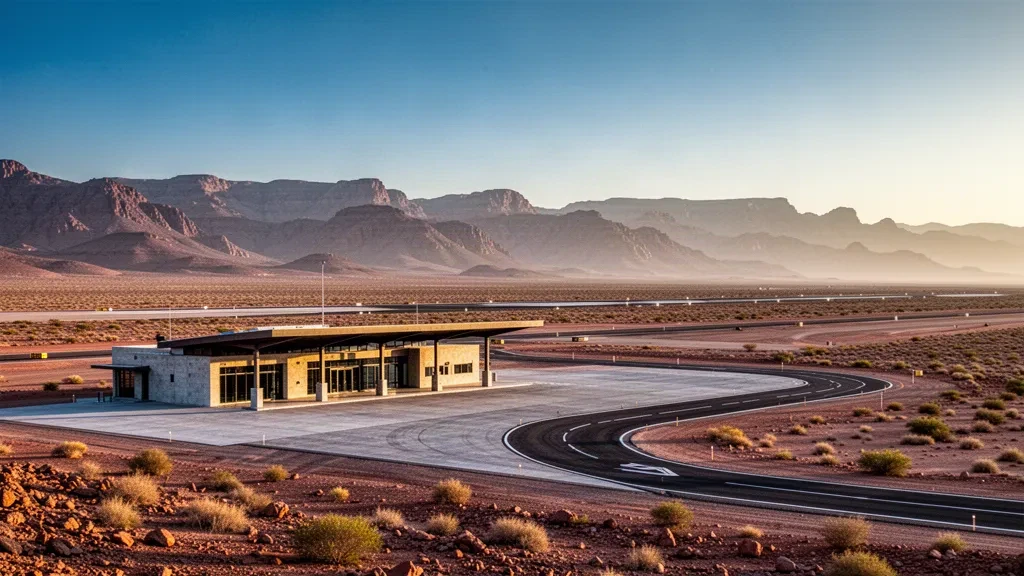
Travel between Keetmanshoop Airport, about 5 km north of town, and hotels, guesthouses, business addresses and other locations in Keetmanshoop.
Hourly Chauffeur
Book a private chauffeur by the hour for business meetings, sightseeing and flexible journeys to the Quiver Tree Forest, Giant's Playground and nearby attractions.
Car Rental
Rent a car in Keetmanshoop for independent travel along the B1 and convenient trips to the Fish River Canyon, Naute Dam and other destinations in southern Namibia.
Bus & Group Transfers
Arrange minibuses or charter buses for groups, corporate travel, events, airport transfers and tours in Keetmanshoop and across the ǁKaras Region.
Frequently Asked Questions
Related Cities in Namibia
View all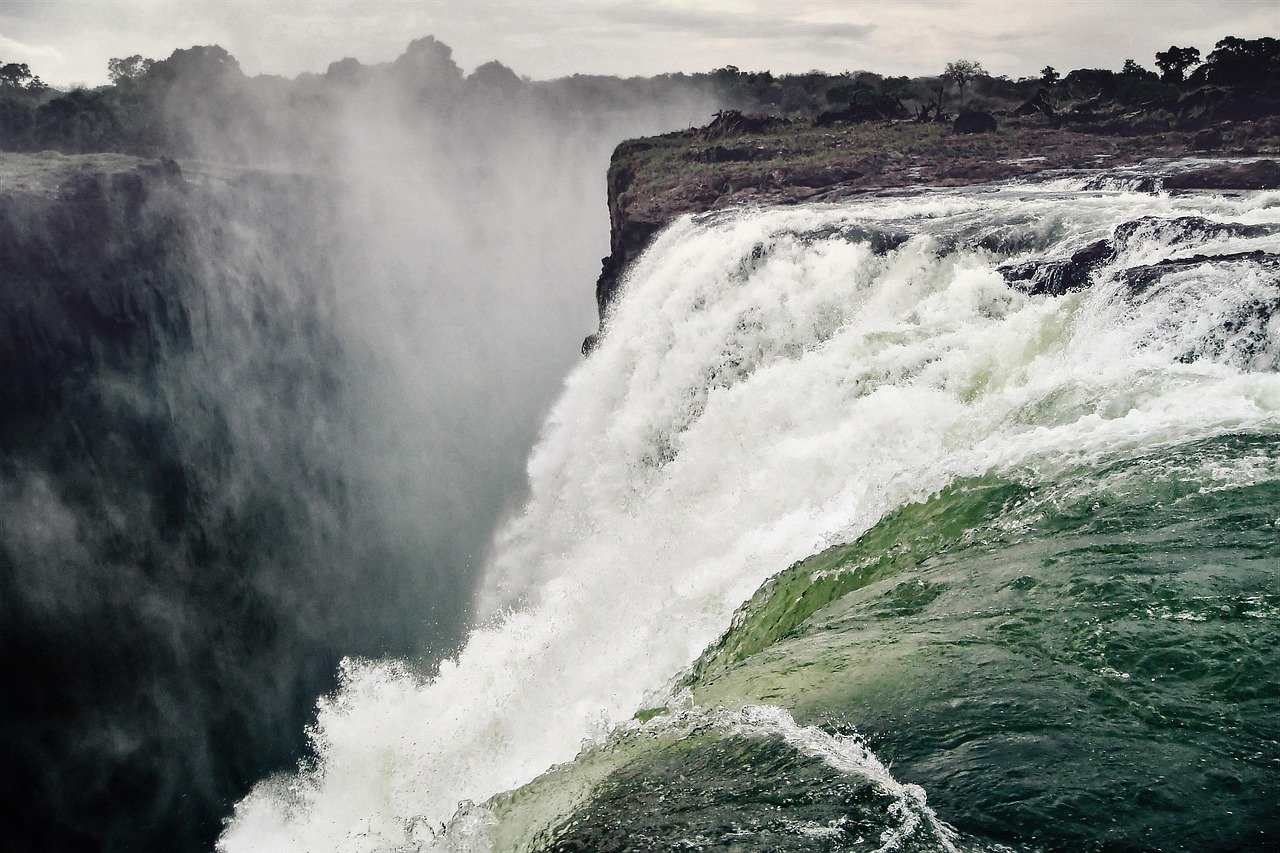
Zambezi
Zambezi, in Namibia's far northeast, is a riverine gateway known for its wildlife-rich wetlands, cultural diversity and unhurried pace.
Otjozondjupa
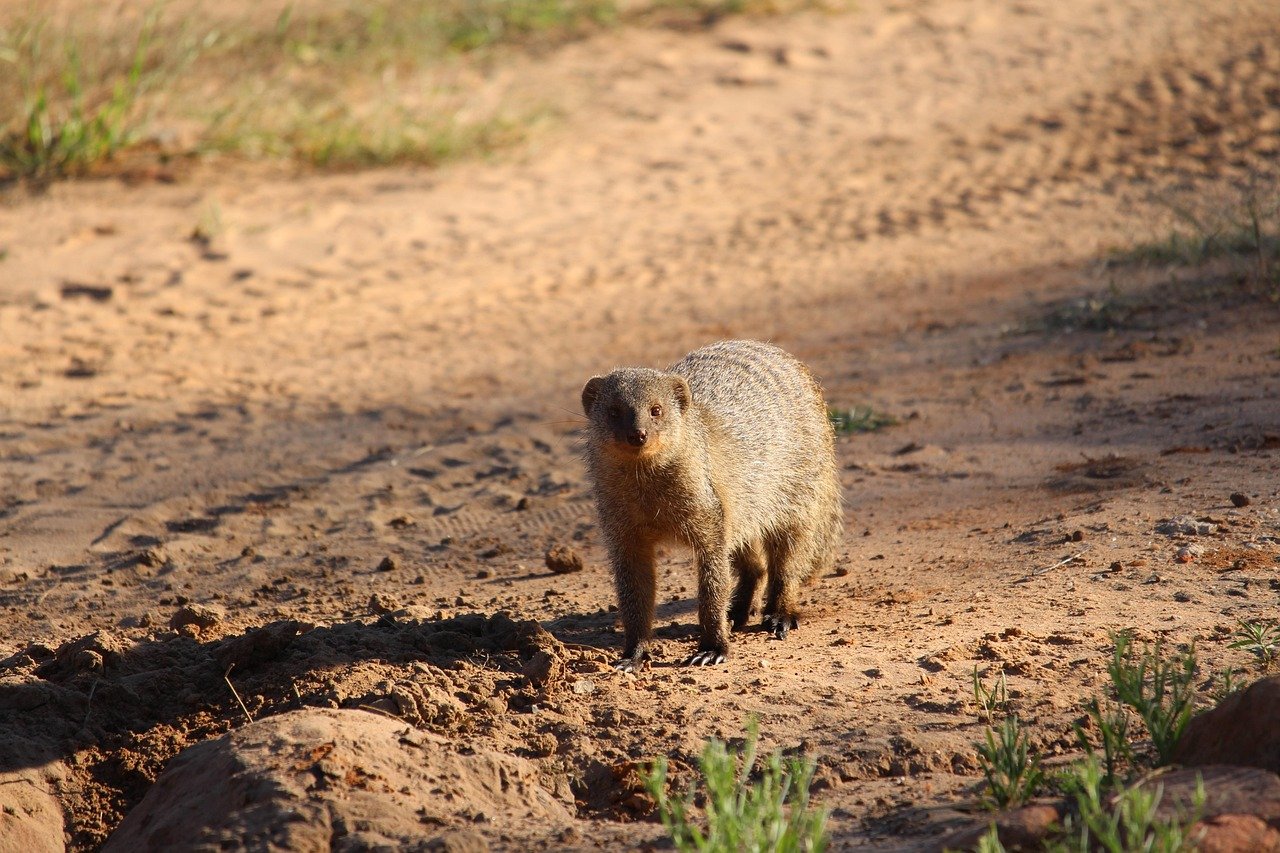
Otjozondjupa, in central Namibia, is a land of open savannah, wildlife-rich reserves and a gateway to the Waterberg Plateau.
Oshikoto
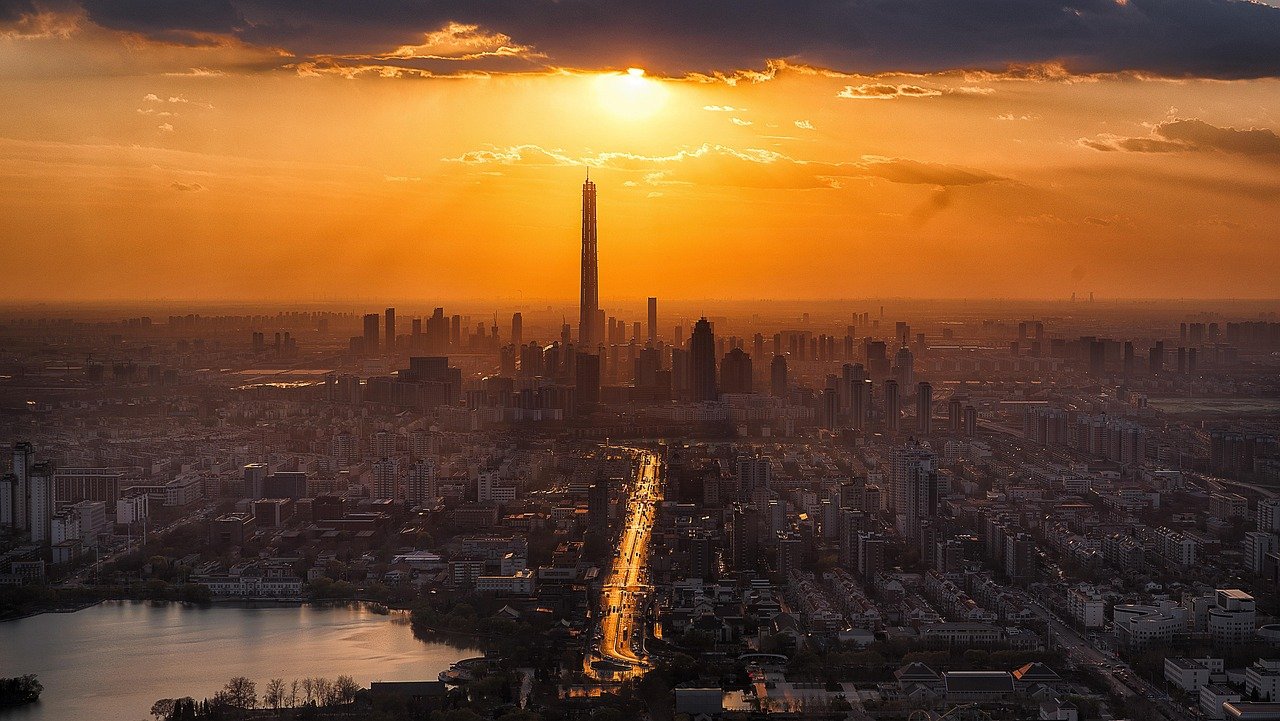
Oshikoto, in northern Namibia, is known for its open landscapes, cultural heritage and proximity to Etosha National Park.