Mérida
Mérida, the capital of Yucatán, blends colonial architecture and Mayan heritage with a lively food, arts and business scene, and serves as a gateway to the region.
Passengers
Luggage
About Yucatán
Mérida is the capital of Yucatán and the cultural heart of Mexico's Yucatán Peninsula, known for its white-stone colonial buildings, tree-lined boulevards and strong Maya heritage. Founded in 1542 on the site of the Maya city of T'Hó, it blends Spanish colonial architecture with living Indigenous traditions, visible in its language, food and festivals.
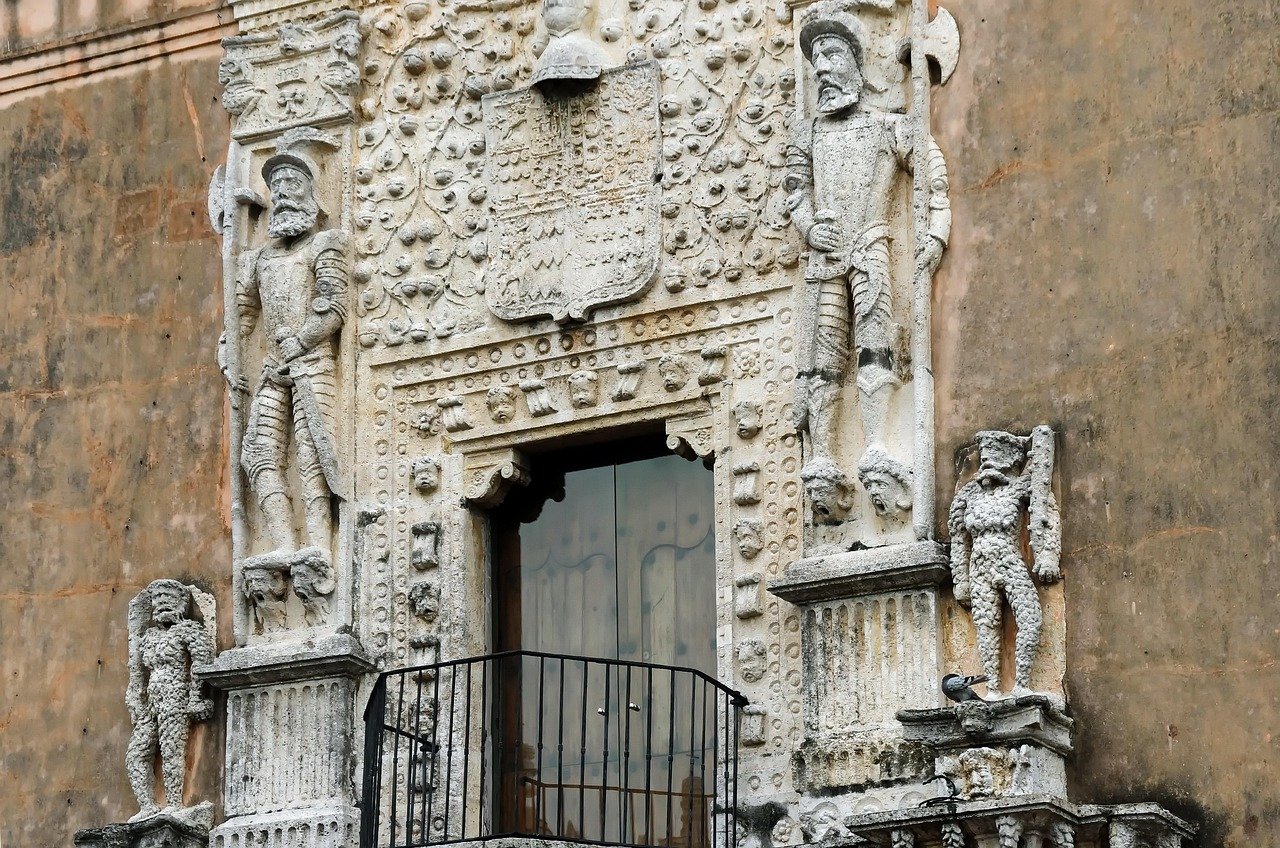
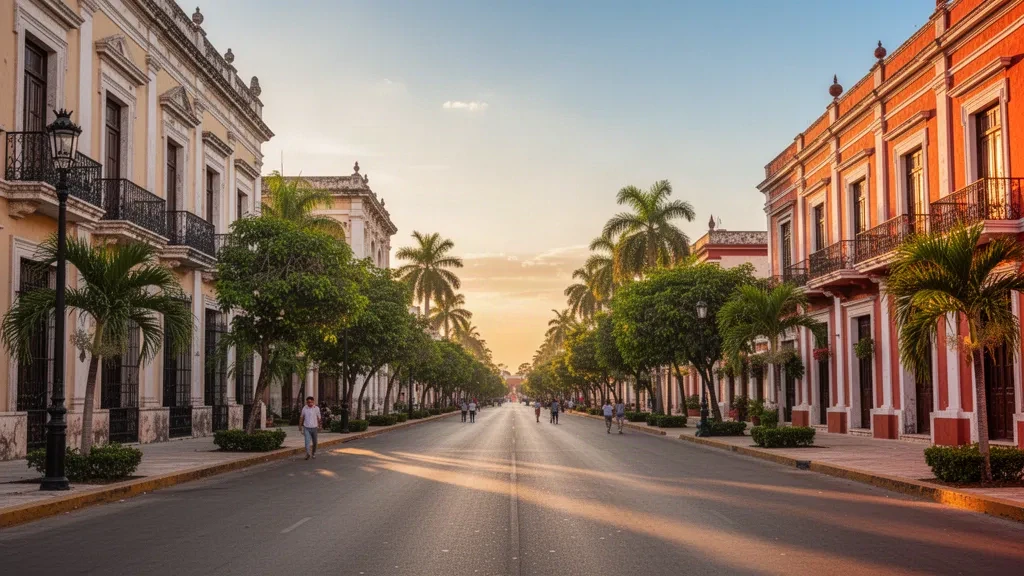
The historic centre revolves around the Plaza Grande, flanked by the 16th-century San Ildefonso Cathedral, the Governor's Palace and the Casa de Montejo. Nearby, Paseo de Montejo avenue is lined with elegant 19th-century mansions built during the henequen boom, while the Gran Museo del Mundo Maya explores the region's deep pre-Hispanic history.
Beyond the centre, neighbourhoods such as Santa Lucía, Santiago and García Ginerés offer quiet plazas, local markets and a relaxed pace, and the city serves as a gateway to Chichén Itzá, Uxmal and dozens of cenotes. Mérida's food scene is a highlight, with Yucatecan classics such as cochinita pibil, sopa de lima, panuchos and salbutes served in markets, cantinas and family restaurants.
As the peninsula's economic and cultural capital, Mérida is also relevant for business, education, conferences and medical travel, with a growing technology and services sector. Its reputation as one of Mexico's safest cities and its year-round cultural calendar, including the Mérida Fest and Hanal Pixán, make it appealing for both leisure visitors and business travellers.
Yucatán Travel Guide
Best Time to Visit
November to March is the most comfortable season in Mérida, with dry weather, warm days and lively cultural events. April and May can be extremely hot, while the rainy season from June to October brings humidity and afternoon showers.
How to Get Around
Mérida's historic centre is walkable, and public buses, taxis and ride-hailing apps cover most of the city. For cenotes, Maya sites and nearby beaches, renting a car or booking a private driver is often the most practical option.
Where to Stay
The Centro Histórico near the Plaza Grande is best for first-time visitors, while Santa Lucía and Paseo de Montejo offer quieter, more upscale surroundings. North Mérida has modern hotels and shopping, and Progreso suits travellers wanting a beach base.
Food & Drink
Yucatecan cuisine is the star in Mérida, from cochinita pibil and sopa de lima to panuchos, salbutes and queso relleno. Try Mercado Lucas de Gálvez and Santa Lucía's restaurants, or sip local drinks in a traditional cantina.
Ground Transportation Services in Yucatán
Airport Transfers
Travel between Mérida International Airport (MID) and hotels, the historic centre, Paseo de Montejo, Progreso and other destinations across the region.
Hourly Chauffeur
Book a private chauffeur by the hour for business meetings, events, sightseeing and flexible travel around Mérida and nearby Maya sites.
Car Rental
Rent a car in Mérida for independent travel to cenotes, Chichén Itzá, Uxmal, Progreso and other Yucatán destinations at your own pace.
Bus & Group Transfers
Arrange minibuses or charter buses for groups, corporate travel, events, airport transfers and guided tours in Mérida and the Yucatán.
Frequently Asked Questions
Related Cities in Mexico
View all
Zacatecas
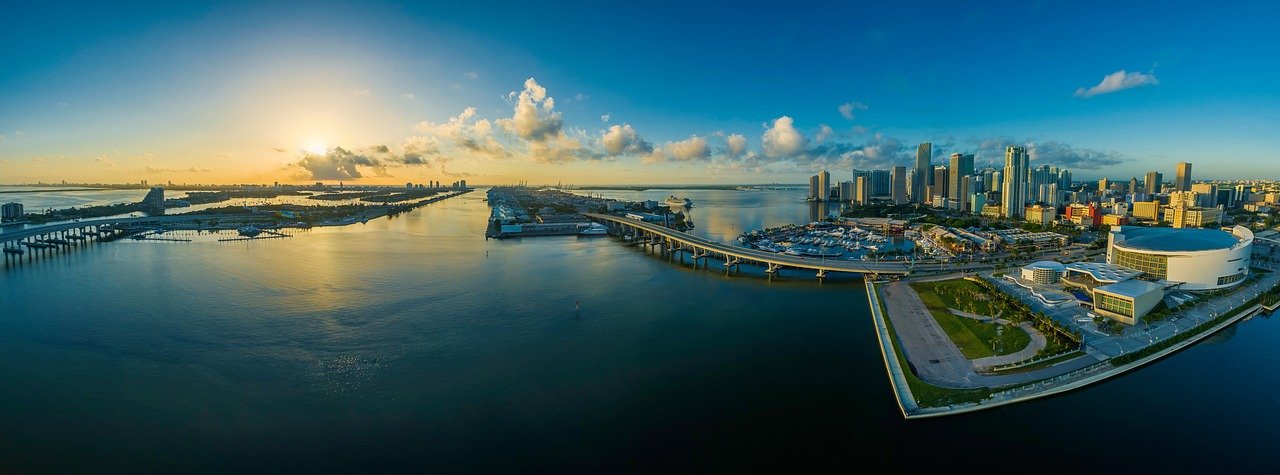
Zacatecas is a historic silver-mining city in central Mexico, known for its Baroque architecture, steep streets and lively cultural scene. Its UNESCO-listed centre, museums and hilltop viewpoints give it a distinctive character.
Veracruz de Ignacio de la Llave
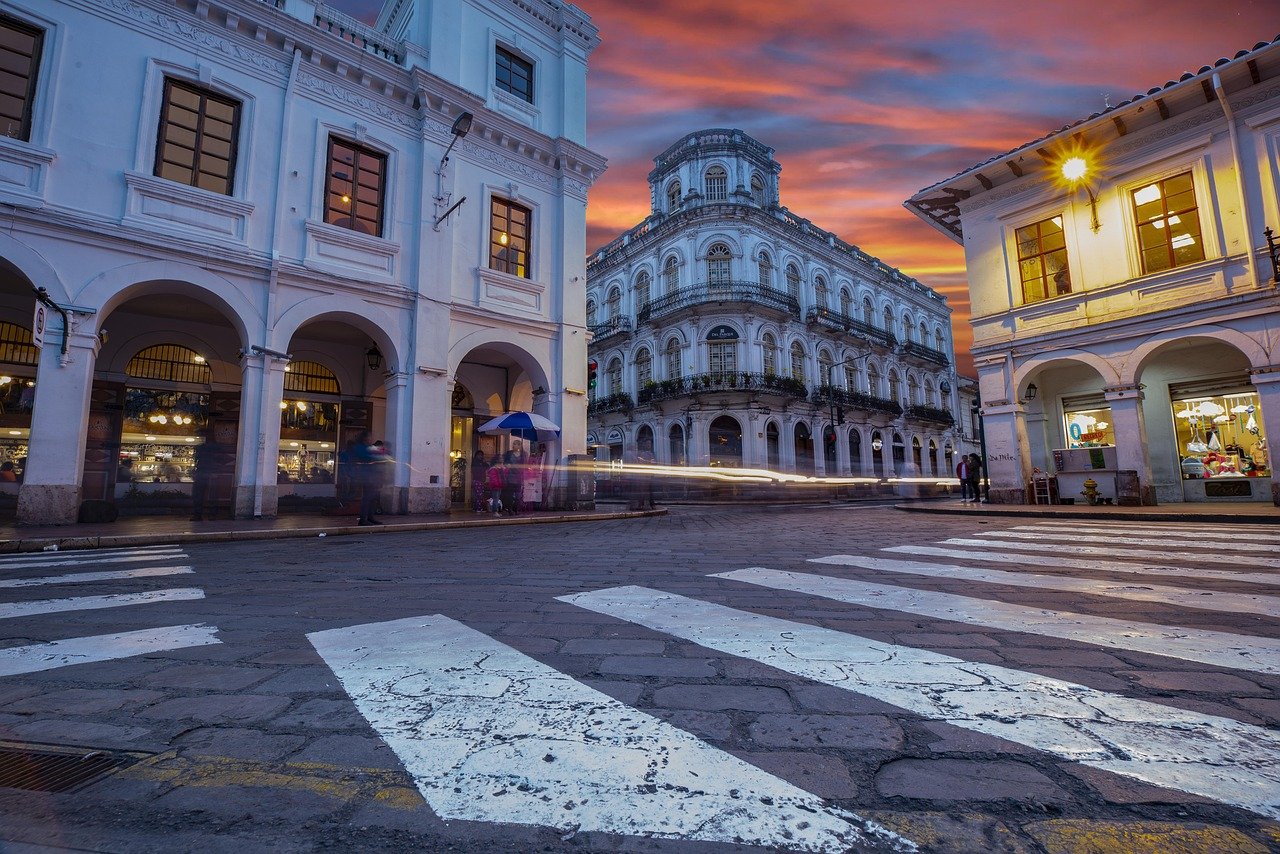
Veracruz de Ignacio de la Llave, a historic city on Mexico's Gulf Coast, blends colonial architecture, vibrant culture and diverse landscapes.
Tlaxcala
Tlaxcala, the capital of Mexico's smallest state, pairs a well-preserved colonial centre with deep pre-Hispanic heritage. Its plazas, murals and nearby archaeological sites give the city a calm, culturally rich character.
Airports in Mexico
View all airports in the country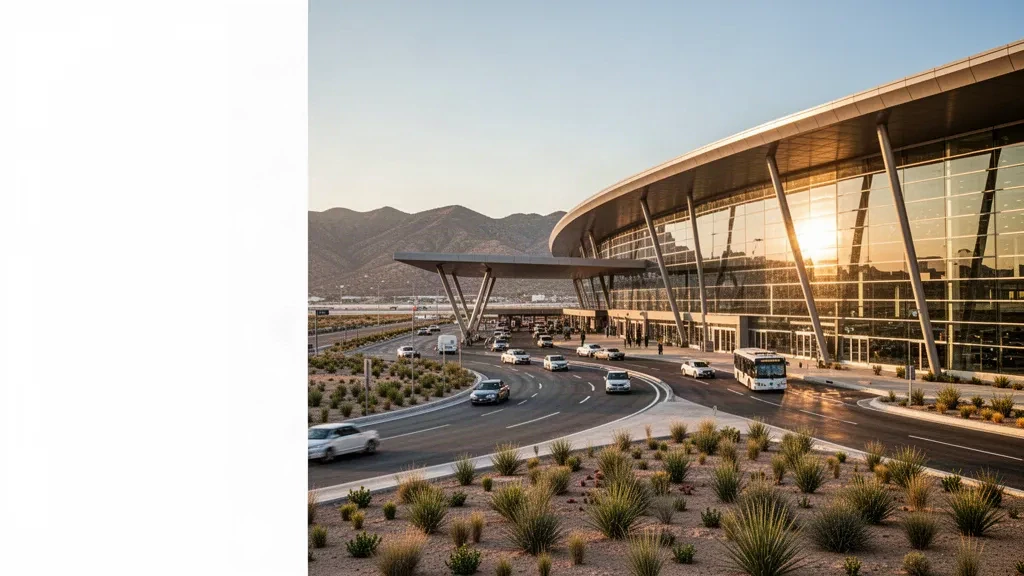
Guanajuato International Airport (BJX)
Guanajuato International Airport (BJX) is the main gateway to León, Guanajuato City and the Bajío region of central Mexico. Compare transfer options to León, Guanajuato, Silao, San Miguel de Allende and nearby destinations, and plan your journey with ease.
Bahía de los Ángeles Airport (BHL)
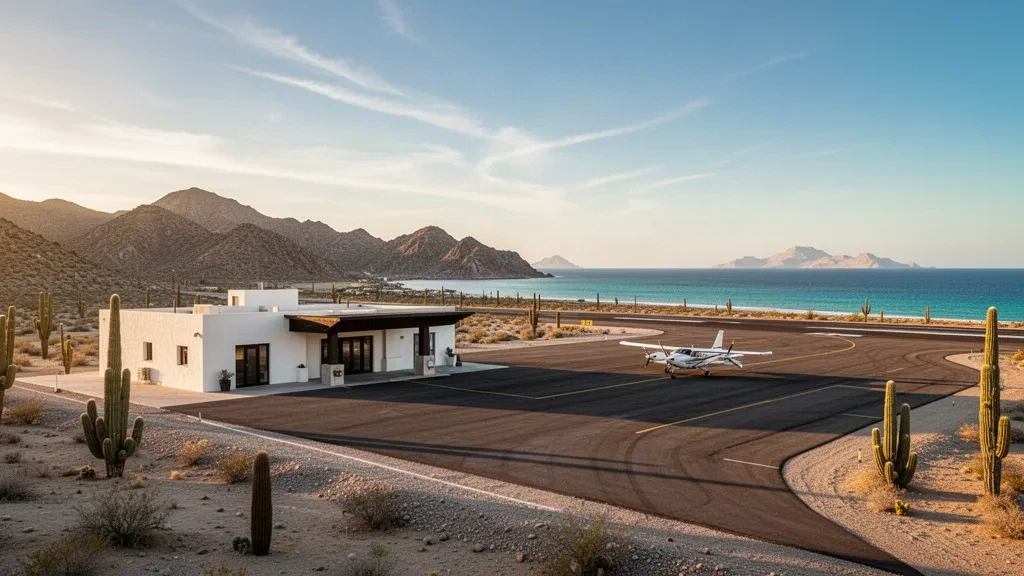
Bahía de los Ángeles Airport is a small general aviation gateway serving Bahía de los Ángeles and the remote Gulf of California coast of Baja California. Pre-arranged transfers connect travelers to the town, nearby eco-lodges, and onward points such as Guerrero Negro and the wider peninsula.

Jorge Jiménez Cantú National Airport (AZP)
Jorge Jiménez Cantú National Airport is a general aviation gateway in Atizapán de Zaragoza, serving the northern part of the Mexico City metropolitan area. Compare transfer options to Mexico City, Naucalpan, Tlalnepantla, and nearby State of Mexico destinations.
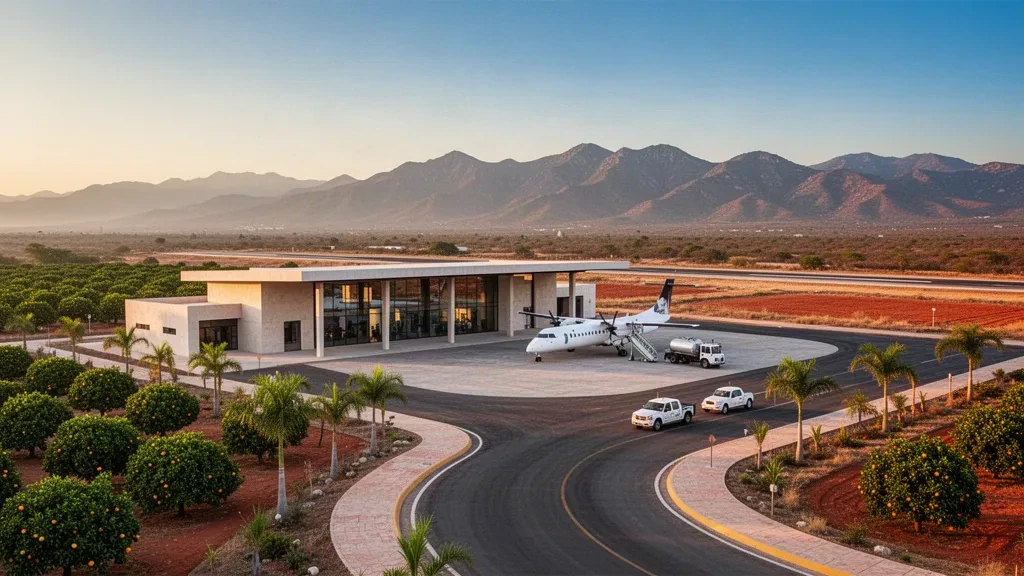
Pablo L. Sidar National Airport (AZG)
Pablo L. Sidar National Airport is a small gateway serving Apatzingán and the surrounding Tierra Caliente region of Michoacán, Mexico. Compare transfer options to the city centre and nearby communities, and plan your onward journey with ease.