Basra
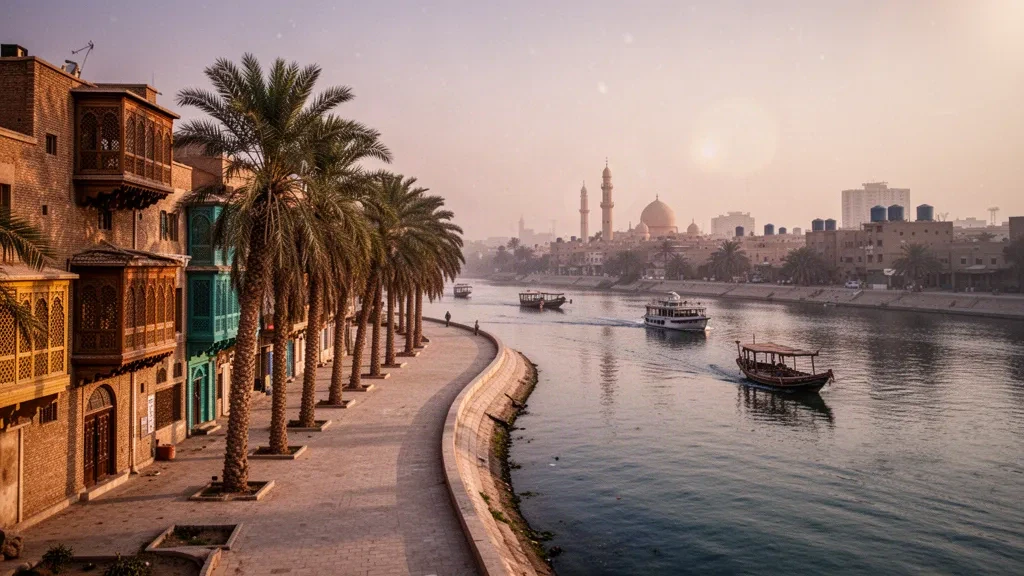
Basra, Iraq's main southern port, sits along the Shatt al-Arab and carries a long trading heritage, visible in its historic architecture, busy markets and palm-lined waterways. Its mix of old riverfront life and modern commercial energy gives the city a character that is both grounded and constantly in motion.
Passengers
Luggage
About Basra
Basra is Iraq's main southern port city and the capital of Basra Governorate, standing on the Shatt al-Arab where the Tigris and Euphrates meet. Long known as the 'Venice of the East' for its historic canals, it remains the country's key gateway for oil exports, maritime trade and cross-border connections with Kuwait and Iran.
Founded in 636 as a military camp, Basra grew into a major centre of Islamic learning, literature and commerce. The Basra Museum, housed in a former riverside presidential palace, displays archaeological and Islamic collections, while landmarks such as the old canals, traditional shanasheel houses, the Grand Mosque and the Shatt al-Arab Corniche reflect the city's layered history.
Neighbourhoods offer distinct experiences: the corniche and riverside areas are popular for evening walks and boat views, Al-Ashar is a busy commercial district, and old Basra retains traces of its historic canal network. Palm groves and marshland excursions outside the city show the region's natural character.
Basra is also central to Iraq's energy economy, with oil fields, refineries and nearby port facilities drawing business and technical visitors. The food scene centres on river fish such as masgouf, dates and Iraqi dishes, while venues around the Corniche and sports city host gatherings and events.
For travellers, Basra combines Gulf-facing commerce, deep history and everyday riverside life, making it relevant for business missions and visitors interested in southern Iraq's cultural landscape.
Basra Travel Guide
Best Time to Visit
November to March offers mild daytime temperatures and the most comfortable conditions for sightseeing. Summers in Basra are extremely hot, often exceeding 45°C, so outdoor activity is best avoided in July and August.
How to Get Around
Basra is mainly served by taxis and private drivers, with shared taxis and limited buses on main routes and no metro system. The Shatt al-Arab Corniche and parts of the centre can be explored on foot, while a car or driver is useful for reaching the airport, ports and surrounding districts.
Where to Stay
The Corniche and Shatt al-Arab waterfront offer well-located hotels with river views and easy access to restaurants, while Al-Ashar and the city centre suit visitors who want markets and business facilities. Airport-area and chain hotels are convenient for short business stays.
Food & Drink
Basra is known for river fish, especially masgouf grilled over open flames, alongside Iraqi rice dishes, samoon bread and dates from the region's palm groves. Riverside restaurants along the Corniche serve local seafood, while cafés and traditional tea houses are common in the centre.
Ground Transportation Services in Basra
Airport Transfers
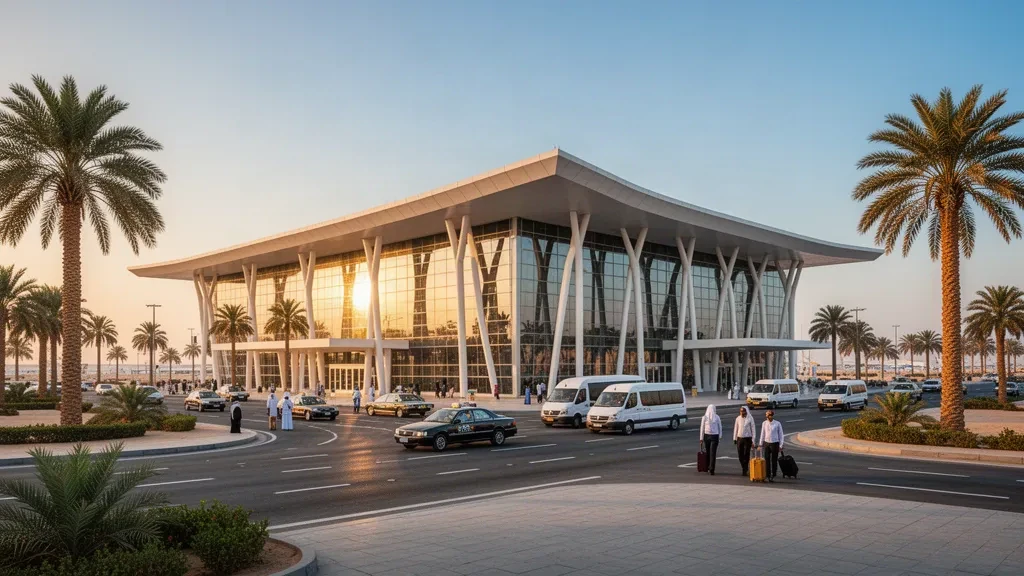
Travel between Basra International Airport and hotels, the Corniche, business districts, port areas and other destinations across the city.
Hourly Chauffeur
Book a private chauffeur by the hour for business meetings, oil and energy site visits, sightseeing and flexible travel around Basra.
Car Rental
Rent a car in Basra for independent travel around the city and convenient journeys to nearby sites and surrounding districts.
Bus & Group Transfers
Arrange minibuses or charter buses for groups, corporate travel, events, airport transfers and tours in Basra.

Frequently Asked Questions
Related Cities in Iraq
View all
Sulaymaniyah
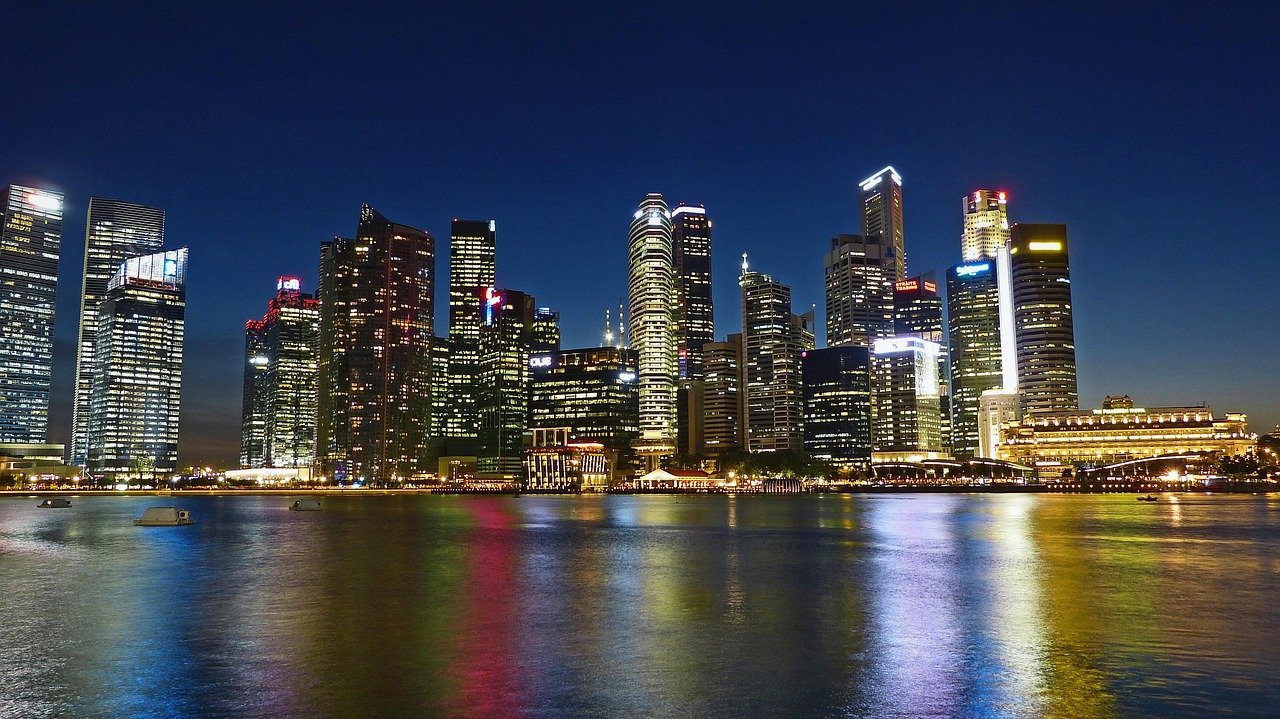
Sulaymaniyah is a lively cultural and economic hub in the Kurdistan Region of Iraq, known for its literature, universities, bustling bazaars and easy access to the surrounding mountains.
Wasit
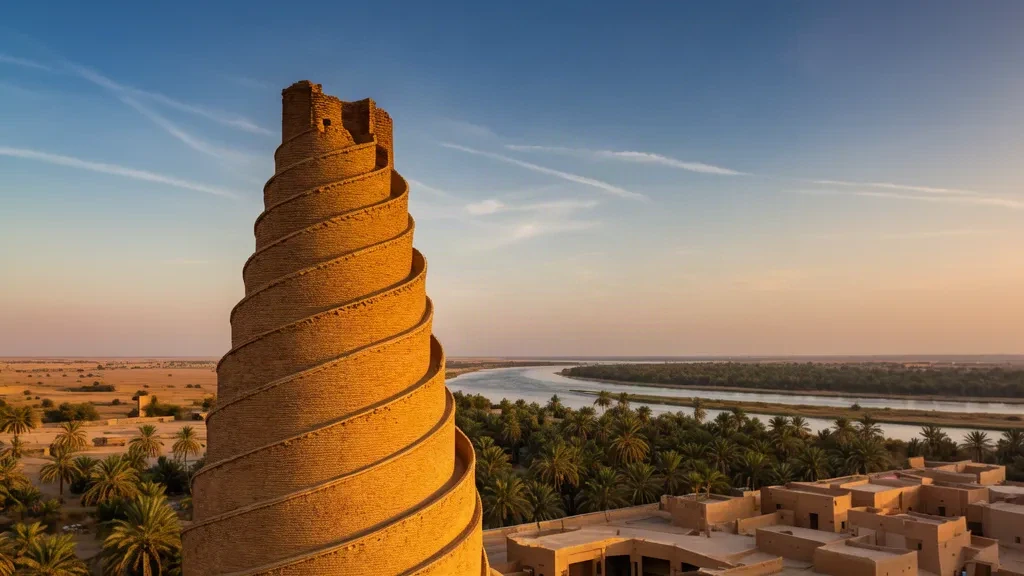
Wasit is a historic Iraqi city founded in the early eighth century, once a major Umayyad administrative and cultural centre on the Tigris. Its archaeological remains and river setting recall its role in early Islamic history.
Saladin
Saladin, in Iraq, blends a deep historical legacy with cultural landmarks and Tigris River landscapes that reflect its place in the region's past.