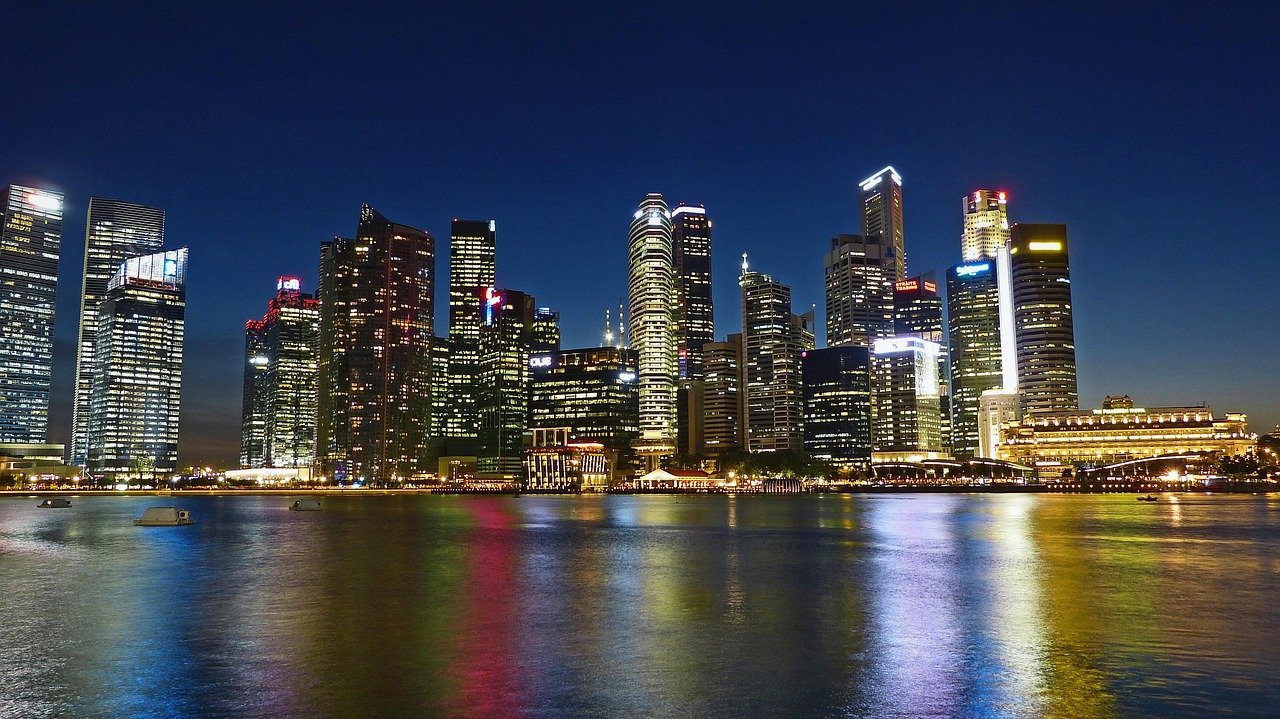
Wasit
Wasit is a historic Iraqi city founded in the early eighth century, once a major Umayyad administrative and cultural centre on the Tigris. Its archaeological remains and river setting recall its role in early Islamic history.
Passengers
Luggage
About Wasit
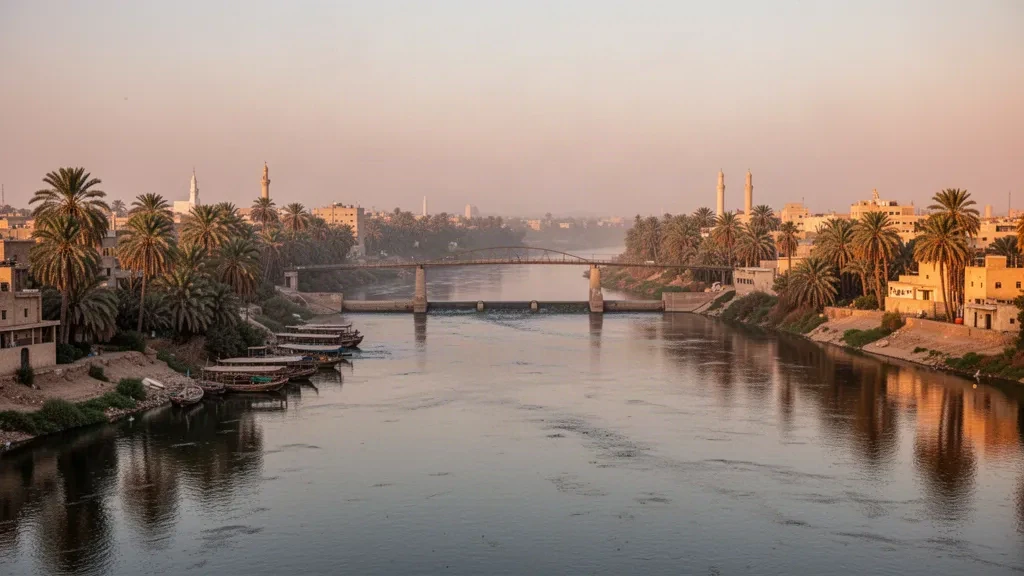
Wasit is a governorate in eastern Iraq, centred on its capital Al-Kut, which sits on the Tigris River roughly 160–180 kilometres southeast of Baghdad. The region is known for its agricultural land, Islamic heritage and position on historic trade routes.
The historic city of Wasit was founded in 702 by the Umayyad governor al-Hajjaj ibn Yusuf and became an important early Islamic administrative and scholarly centre. Its ruins south of Al-Kut preserve traces of the old city and its notable gate, while modern Kut developed near the medieval settlement of Madharaya.
The Kut Barrage, completed in the 1930s to regulate Tigris irrigation, is a defining landmark along the city's riverside corniche. Other points of interest include the Shrine of Saeed ibn Jubayr near Al-Hai, the tomb of the poet Al-Mutanabbi in Al-Numaniya and the remains of historic Wasit.
Beyond the capital, districts such as Al-Hai, Al-Suwaira, Al-Aziziya, Al-Numaniya and Badra support an economy based on wheat, barley, dates, poultry, fish and oil. The Ahdab oil field and the Badra border crossing with Iran add to the governorate's commercial significance.
For visitors, Wasit offers religious shrines, historical sites and Tigris riverfront life away from Iraq's larger cities, while its agricultural and energy sectors make it relevant for business and project-related travel.
Wasit Travel Guide
Best Time to Visit
Spring and autumn offer the most comfortable weather for visiting Wasit and Al-Kut, while summers can be extremely hot. Religious and cultural events around local shrines bring additional visitors at different times of year.
How to Get Around
Most visitors reach Wasit by road from Baghdad, since the governorate has no commercial airport. Within Al-Kut and nearby districts, taxis and private cars are the main options, with limited local public transport.
Where to Stay
Al-Kut is the most practical base, with hotels near the city centre and the Tigris corniche. Options become more limited in smaller districts such as Al-Hai, Al-Numaniya and Badra, so booking ahead is advisable.
Food & Drink
Local cuisine centres on Iraqi staples such as grilled Tigris fish, rice dishes, kebabs and fresh bread, alongside dates from the region's farms. Small restaurants, tea houses and markets in Al-Kut offer everyday dining.
Ground Transportation Services in Wasit
Airport Transfers
Arrange private transfers between Baghdad International Airport and Al-Kut or other towns in Wasit for a direct road journey of around 170 kilometres.
Hourly Chauffeur
Book a private chauffeur by the hour for business meetings, visits to shrines and historical sites, or flexible travel around Wasit and Al-Kut.
Car Rental
Rent a car in Baghdad or Al-Kut for independent travel through Wasit and convenient journeys to nearby governorates and the Badra border area.
Bus & Group Transfers
Organise minibuses or charter buses for groups travelling between Baghdad, Al-Kut and destinations across Wasit for pilgrimages, events and corporate trips.

Frequently Asked Questions
Related Cities in Iraq
View all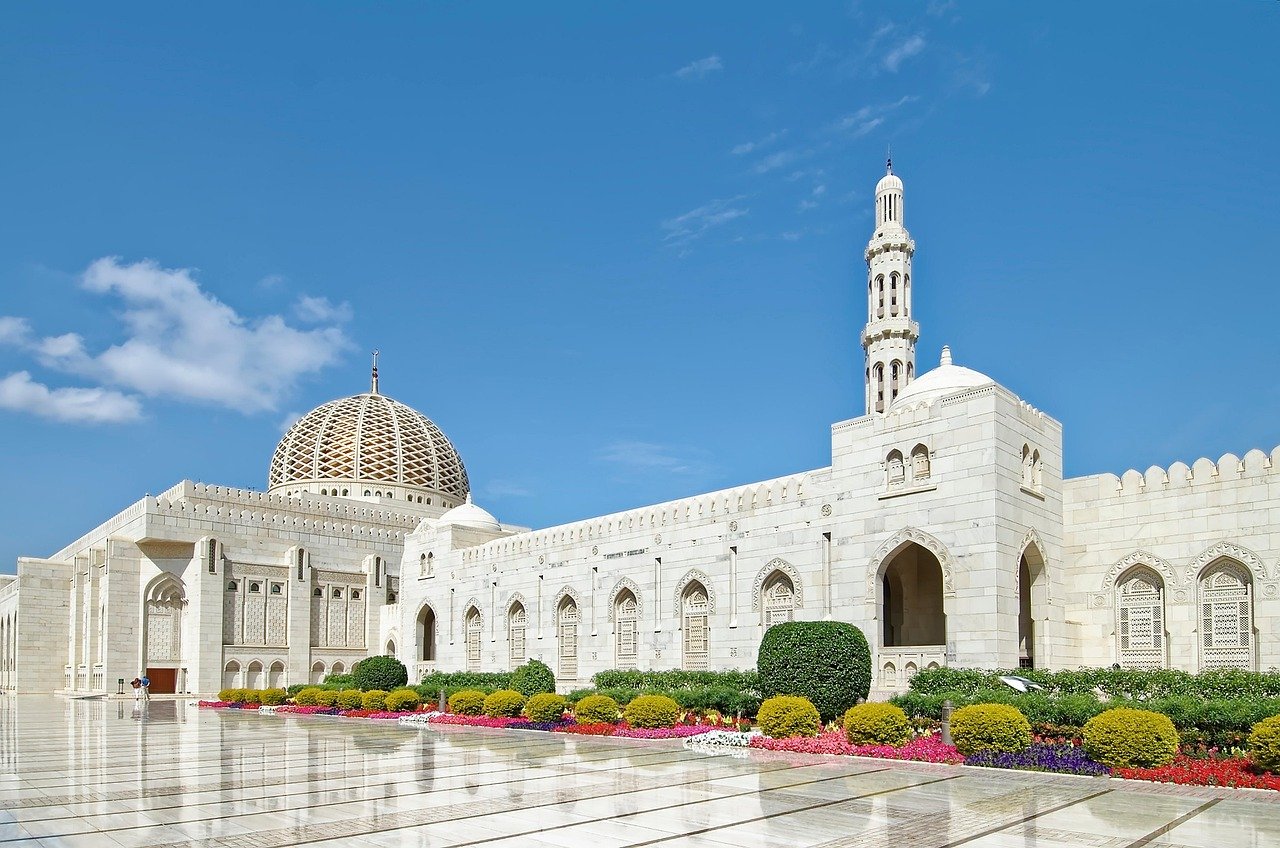
Sulaymaniyah
Sulaymaniyah is a lively cultural and economic hub in the Kurdistan Region of Iraq, known for its literature, universities, bustling bazaars and easy access to the surrounding mountains.
Saladin
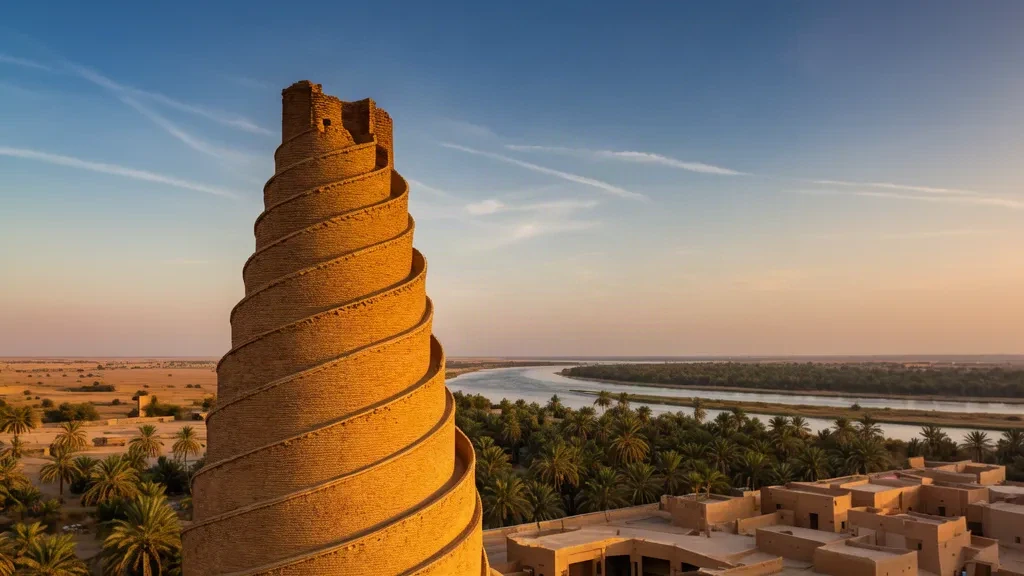
Saladin, in Iraq, blends a deep historical legacy with cultural landmarks and Tigris River landscapes that reflect its place in the region's past.
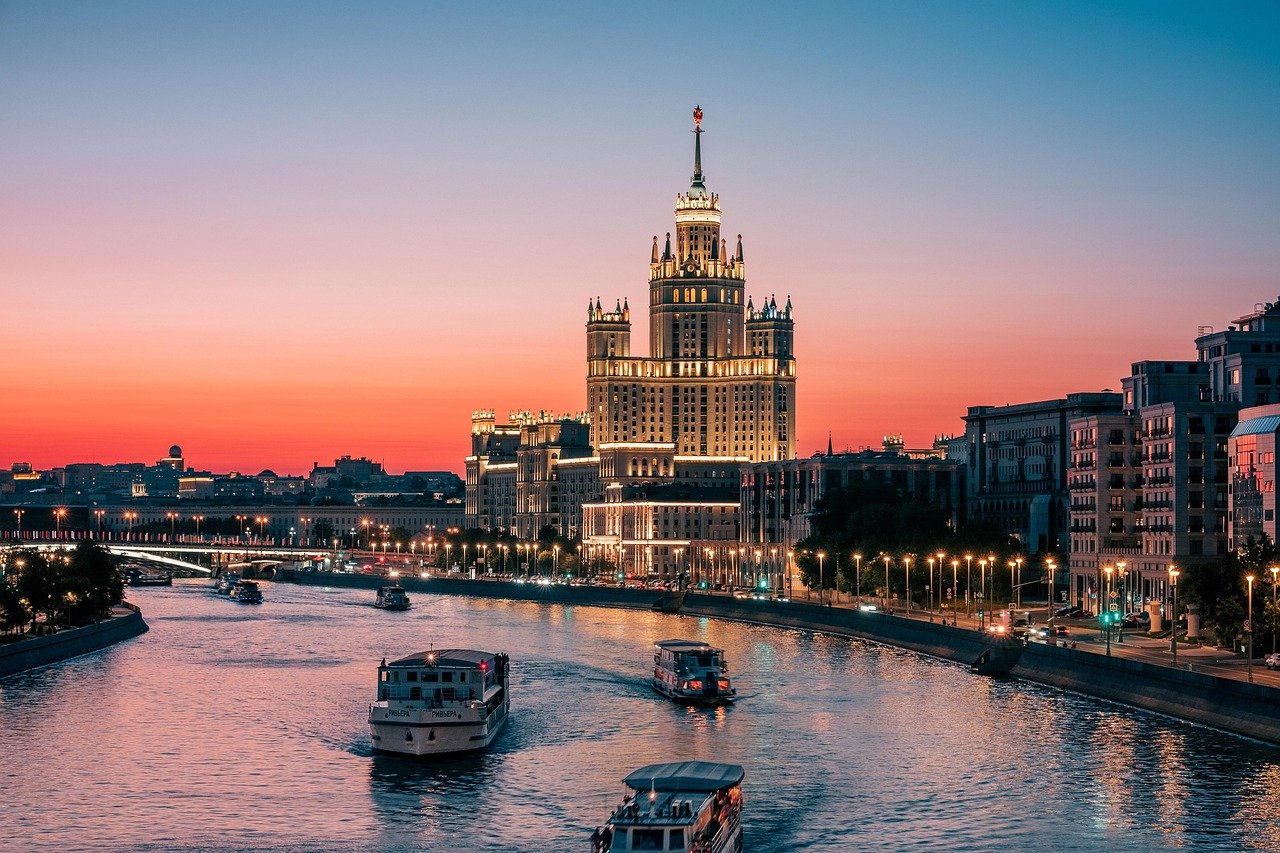
Nineveh
Nineveh, an ancient Assyrian capital on the Tigris, is known for its monumental ruins, rich history and lasting cultural legacy in northern Iraq.
Airports in Iraq
View all airports in the country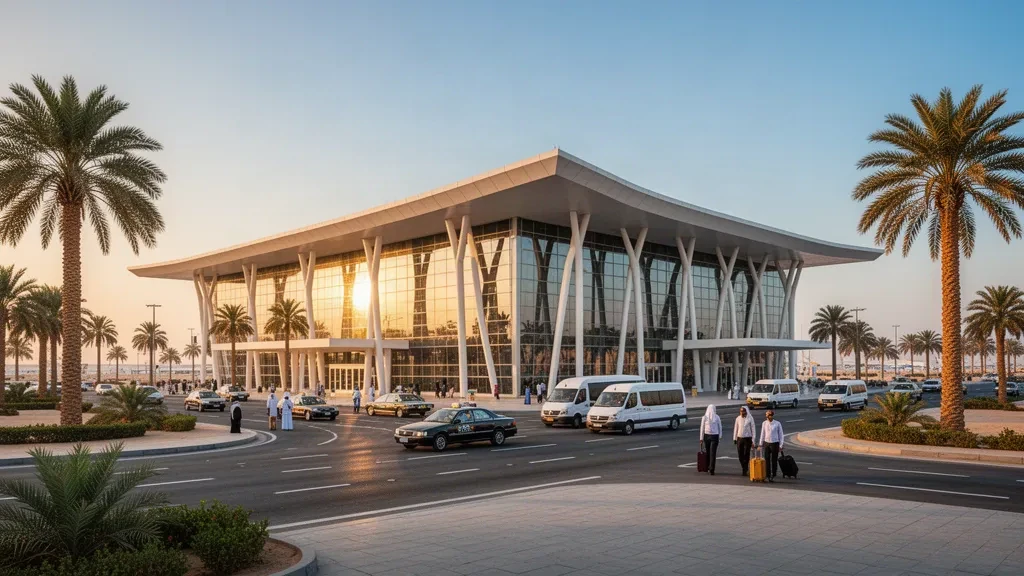
Basra International Airport (BSR)
Basra International Airport is the main international gateway to Basra and southern Iraq. Compare transfer options to Basra city centre, the Shatt al-Arab waterfront and nearby areas across the region.
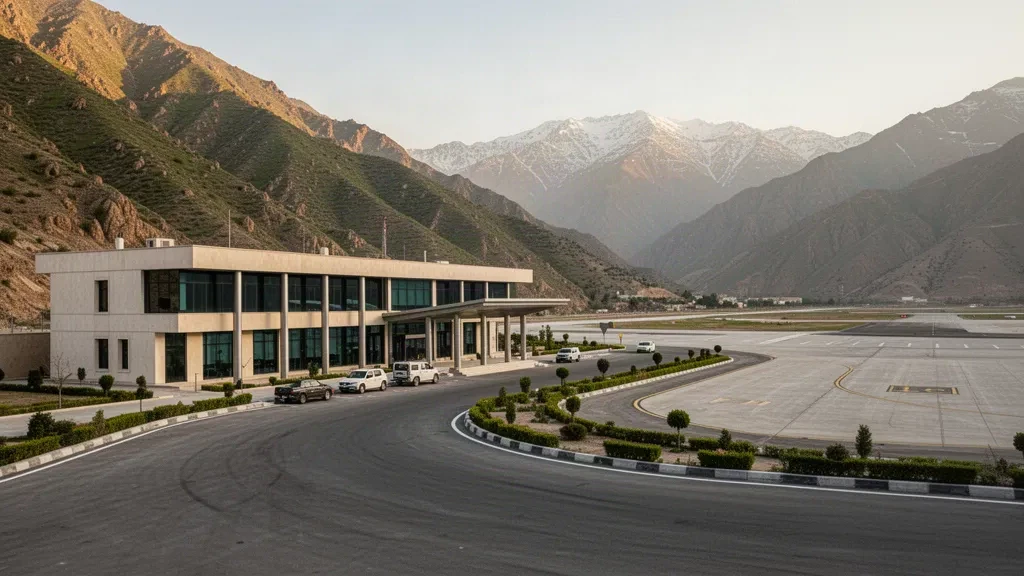
Bamarni Airport (BMN)
Bamarni Airport is a small military airfield near the town of Bamarni in Duhok Governorate, in the Kurdistan Region of Iraq. It lies approximately 37 km from Duhok city centre and is a useful reference point for journeys between Duhok, Zakho and the Turkish border area.
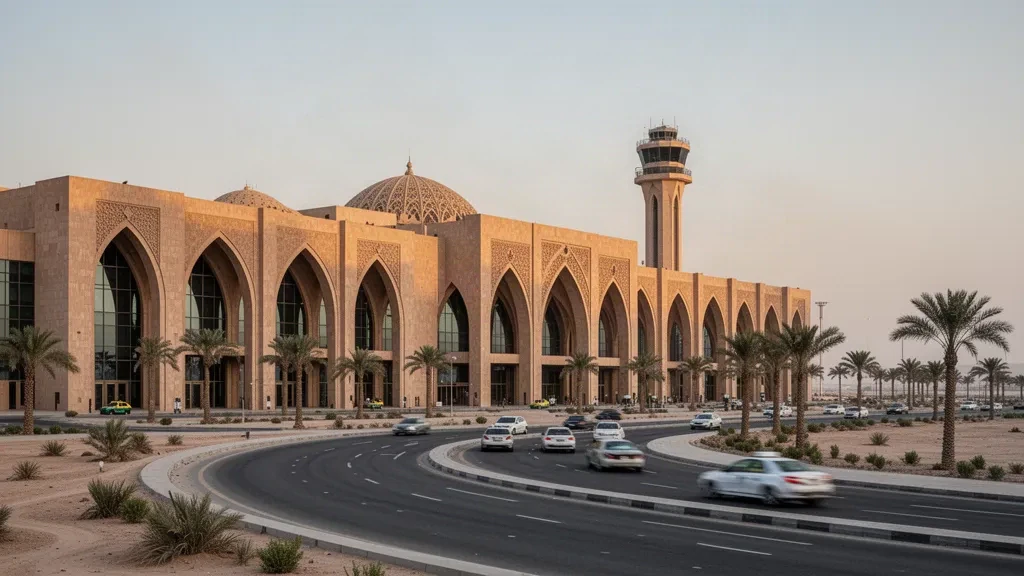
Baghdad International Airport (BGW)
Baghdad International Airport is the main gateway to the capital of Iraq and the wider Baghdad region. Compare transfer options to central Baghdad, business districts and surrounding areas, and plan your onward journey with ease.