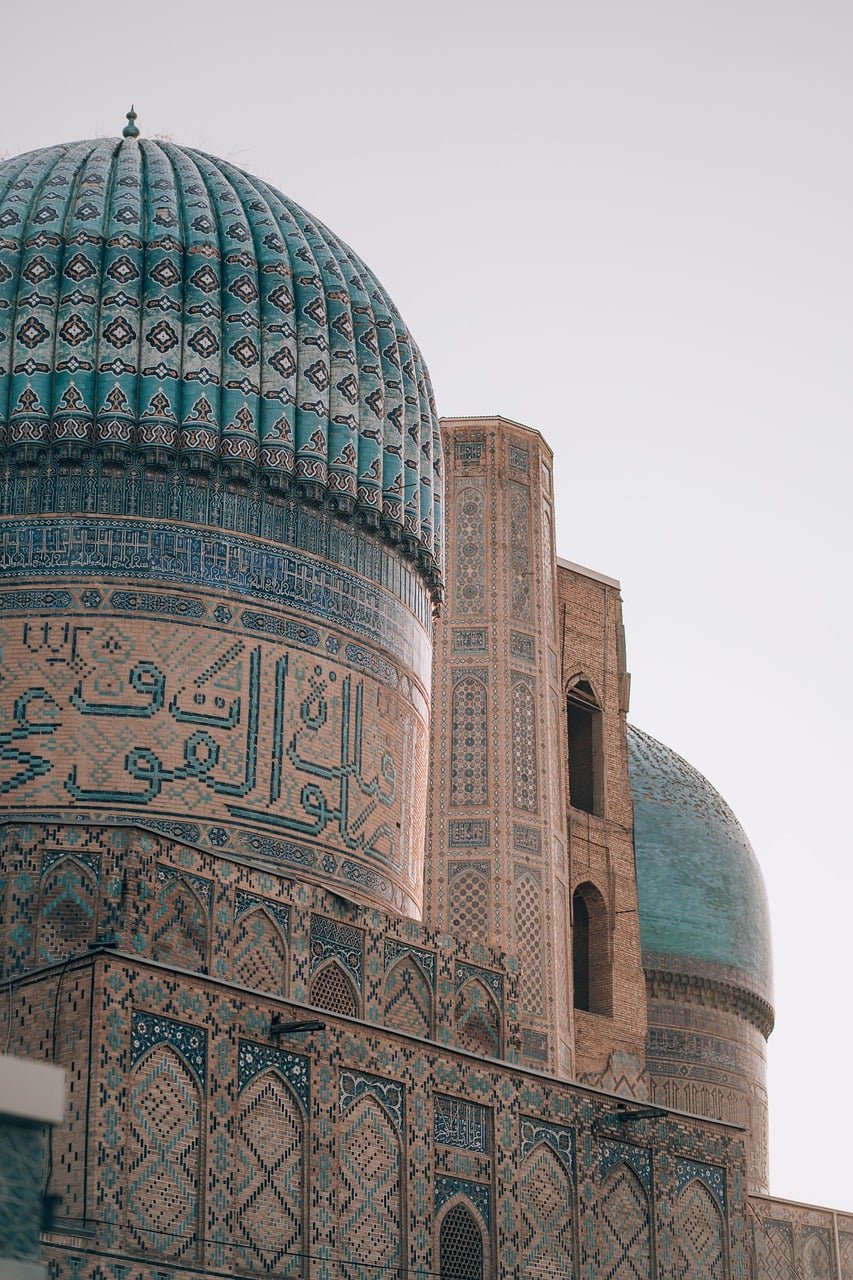
Tamale
Tamale, the lively capital of Ghana's Northern Region, pairs vibrant markets and traditional architecture with a fast-growing urban culture and warm northern hospitality.
Passengers
Luggage
About Northern
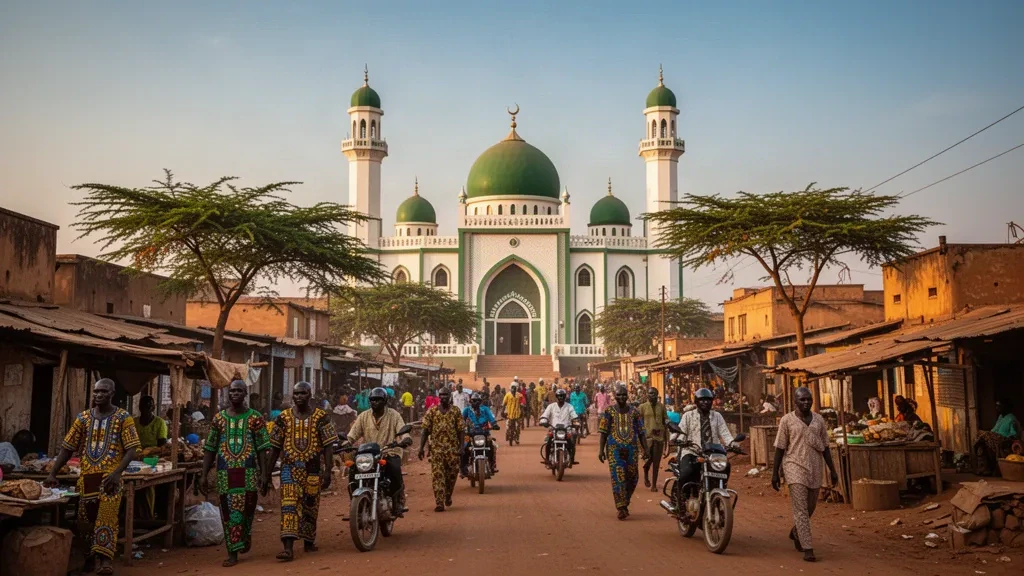
Tamale is the capital of Ghana's Northern Region and the main gateway to the country's northern savanna, positioned in the historic Kingdom of Dagbon. As Ghana's third-largest city and one of West Africa's fastest-growing urban centres, it combines a predominantly Muslim Dagomba character with a growing role as a commercial, administrative and educational hub for the north.
Tamale developed from a cluster of Dagomba villages into a colonial administrative headquarters after the British set up a base in 1907, and it became the Northern Region capital in 1960. Its landmarks include the century-old Tamale Central Mosque, the Centre for National Culture with its crafts and smock weaving, the Aliu Mahama Sports Stadium built for the 2008 Africa Cup of Nations, and the busy Tamale Central Market.
Neighbourhoods give the city distinct layers: the old quarter of Aboabo retains traditional round mud-brick houses, the central business district clusters around the market and mosque, and areas such as Vittin Estate, Education Ridge and Kalpohin Estates are calmer residential and institutional zones. Tamale is also the natural base for day trips to Mole National Park, Ghana's largest wildlife reserve.
The local economy revolves around agriculture and trade, with shea, yam, maize and groundnuts moving through its markets, while institutions such as the Tamale Teaching Hospital, the University for Development Studies and Tamale Technical University strengthen its regional importance. Festivals including Damba and the Bugum (Fire) Festival, plus Eid celebrations, animate the calendar, and the food scene is built around tuo zaafi, omo tuo with groundnut soup, waakye and koose.
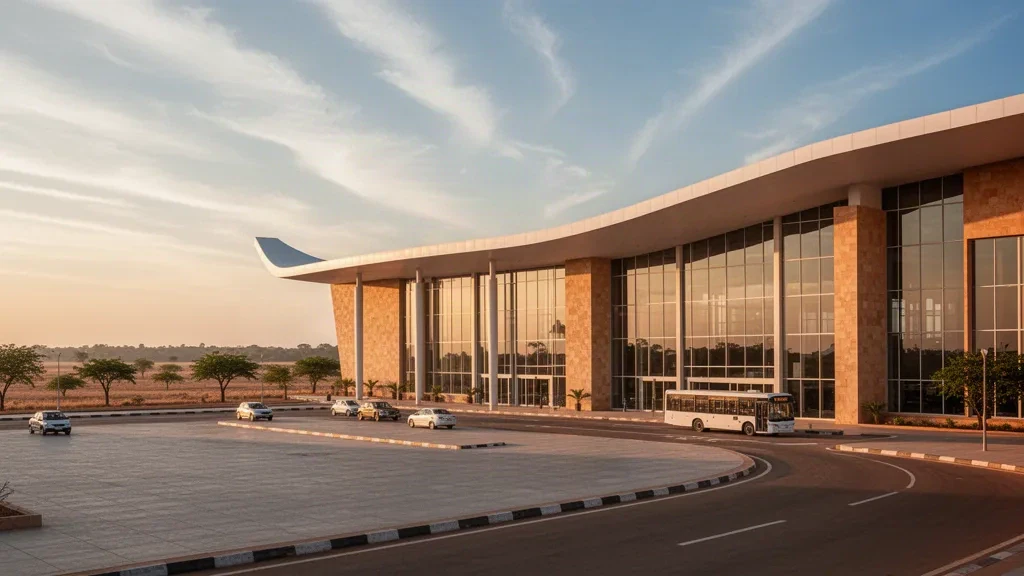
For visitors, Tamale is both a practical business stop and a starting point for northern Ghana. Tamale International Airport links the city to Accra, intercity buses serve major destinations, and the mix of cultural heritage, markets, festivals and proximity to Mole National Park makes it relevant for leisure and business travellers alike.
Northern Travel Guide
Best Time to Visit
The dry season from November to March offers the most reliable conditions for exploring Tamale, with warm days and cooler nights. December and January can bring dry, dusty Harmattan winds, while the rainy season from May to October brings heavy tropical showers.
How to Get Around
Tamale is flat and spread out, so visitors typically use shared taxis, motorbike taxis and three-wheeled 'yellow-yellow' tricycles for short trips. Intercity buses run from the city to Accra, Kumasi, Bolgatanga and Wa, and private drivers offer extra comfort for sightseeing and business travel.
Where to Stay
The central area around Tamale Central Market and the mosque is convenient for landmarks and street life, while Vittin Estate and Education Ridge offer quieter, greener residential settings. Hotels and guesthouses also cluster along the airport road and in nearby Sagnarigu for business travellers.
Food & Drink
Tamale's food culture centres on tuo zaafi served with ayoyo or okra soup, omo tuo with groundnut soup, waakye and fried bean cakes called koose. Central Market stalls, neighbourhood chop bars and a small but growing café scene offer local and international options.
Ground Transportation Services in Northern
Airport Transfers
Travel between Tamale International Airport (TML) and hotels, business districts, event venues and other locations across Tamale and nearby Sagnarigu.
Hourly Chauffeur
Book a private chauffeur by the hour for business meetings, site visits, events and flexible travel around Tamale and northern Ghana.
Car Rental
Rent a car in Tamale for independent travel around the city and convenient journeys to Mole National Park, Kumasi and other regional destinations.
Bus & Group Transfers
Arrange minibuses or charter buses for groups, corporate travel, events, airport pickups and tours in Tamale and across the Northern Region.
Frequently Asked Questions
Related Cities in Ghana
View all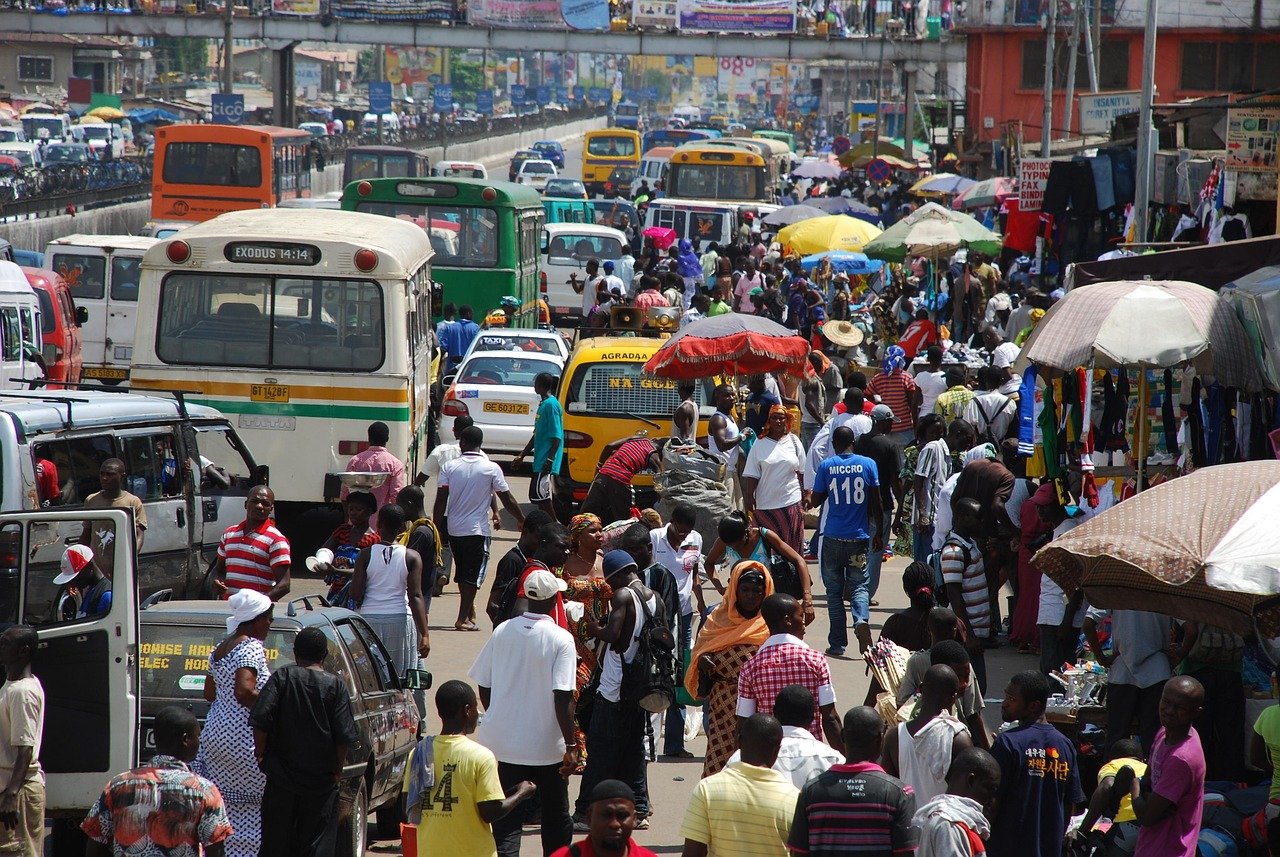
Western North
Western North, in Ghana, is known for its lush green hills, cocoa farms and rich cultural heritage. Its lively communities and traditional markets offer a genuine taste of local life.
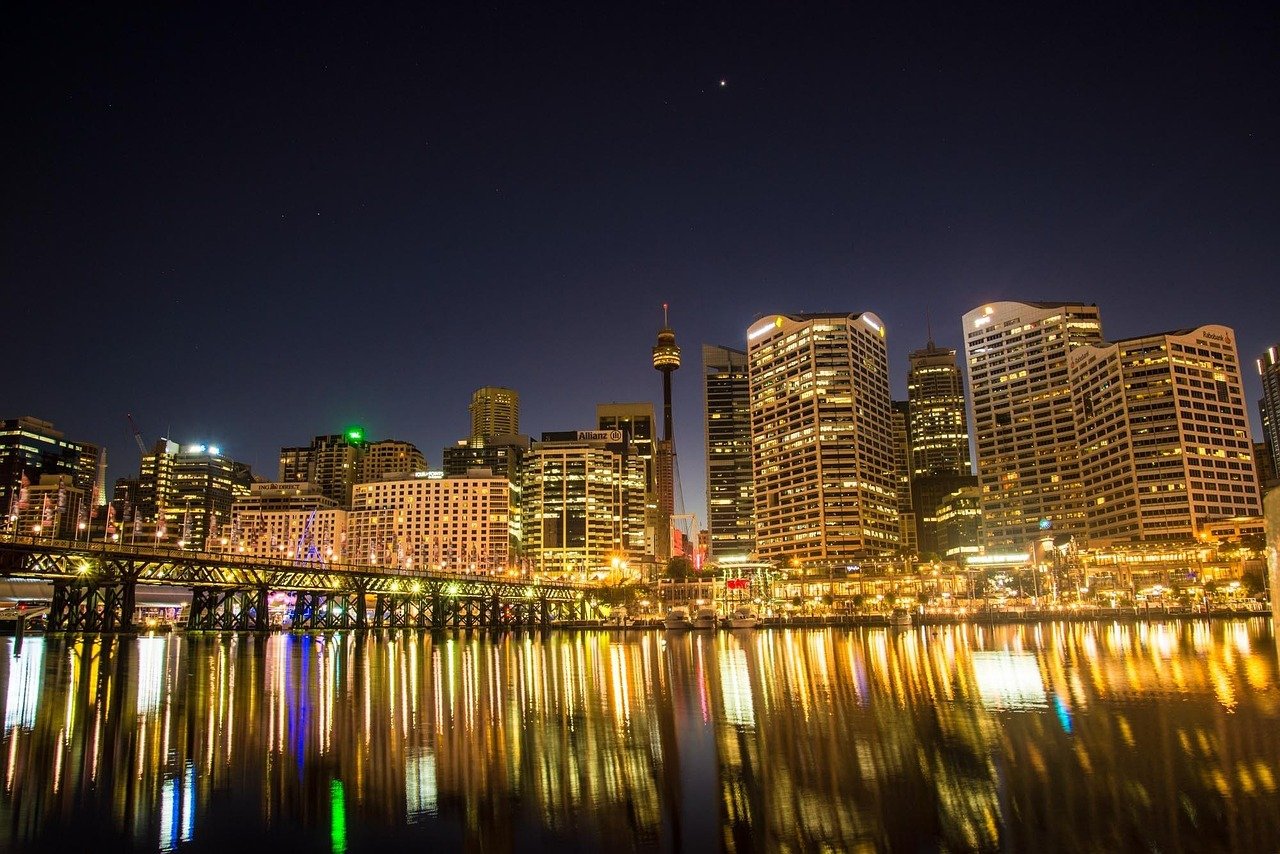
Takoradi
Takoradi, Ghana's Western Region port city, blends a working harbour and commercial energy with coastal landmarks, busy markets and easy access to nearby beaches.
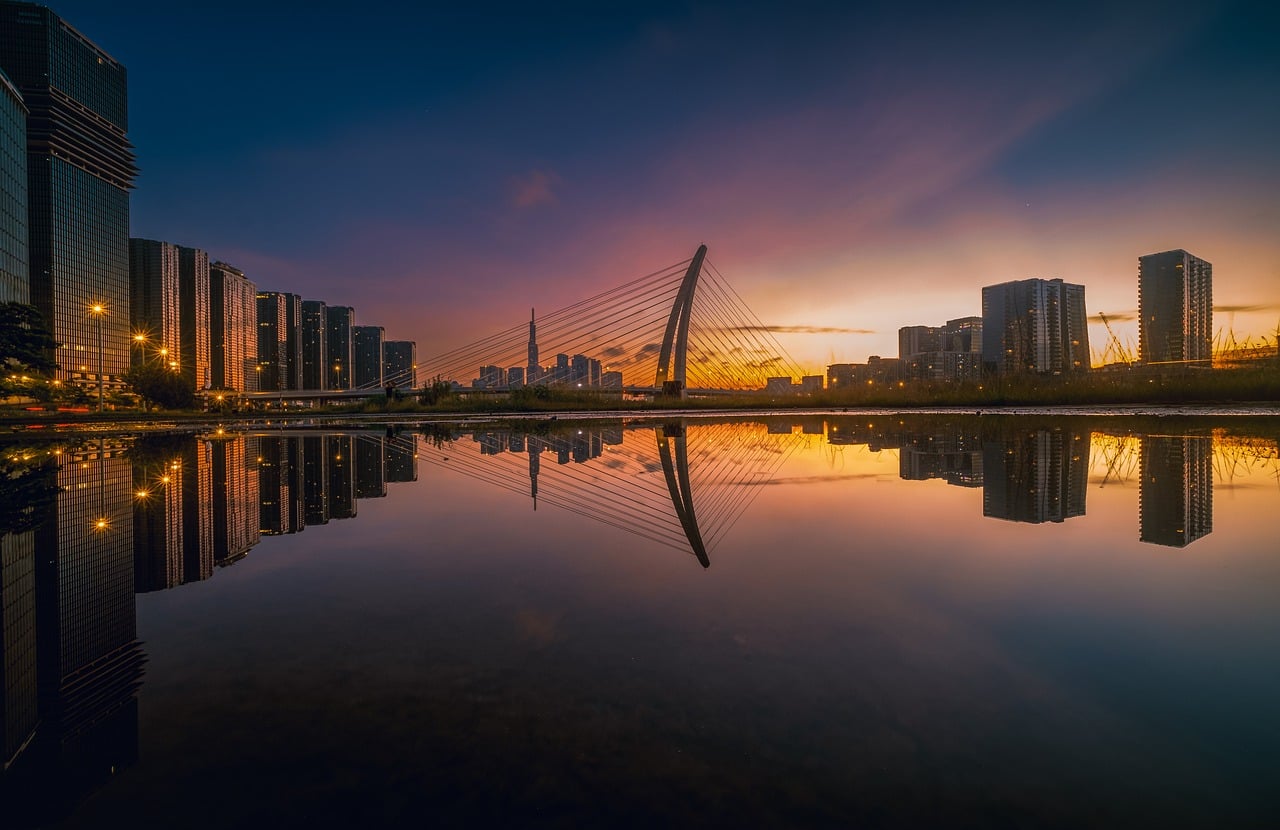
Volta
Volta, in southeastern Ghana, is known for the expansive Lake Volta, rolling hills, waterfalls and a rich Ewe cultural heritage.