Kumasi
Kumasi, the historic capital of Ghana's Ashanti Region, is known for its royal heritage, bustling Kejetia Market and vibrant cultural traditions.
Passengers
Luggage
About Ashanti
Kumasi is the capital of Ghana's Ashanti Region and the historic heart of the Asante kingdom, often called the Garden City of West Africa. Landmarks such as Manhyia Palace and Kejetia Market reflect its role as both a cultural and a commercial centre.
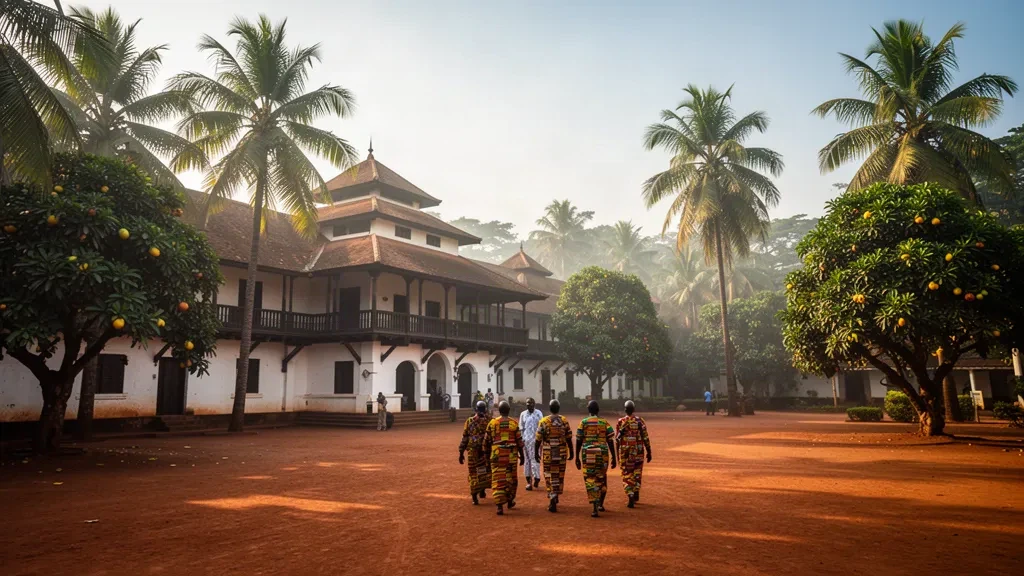
Founded in the 1680s by Asantehene Osei Tutu I as the capital of the Ashanti Empire, Kumasi remains the seat of the Asantehene. The Manhyia Palace Museum, Prempeh II Jubilee Museum, Kumasi Fort and Military Museum, and the Okomfo Anokye Sword Site preserve Asante history, while nearby craft villages such as Bonwire, Ntonso and Ahwiaa keep kente weaving, adinkra printing and wood carving traditions alive.
Central districts such as Adum and Kejetia are busy commercial areas, while neighbourhoods like Bantama, Asokwa, Ahodwo, Nhyiaeso and Santasi offer hotels, restaurants and quieter residential streets. The Kumasi National Cultural Centre and Rattray Park add green space and cultural programming within the city.
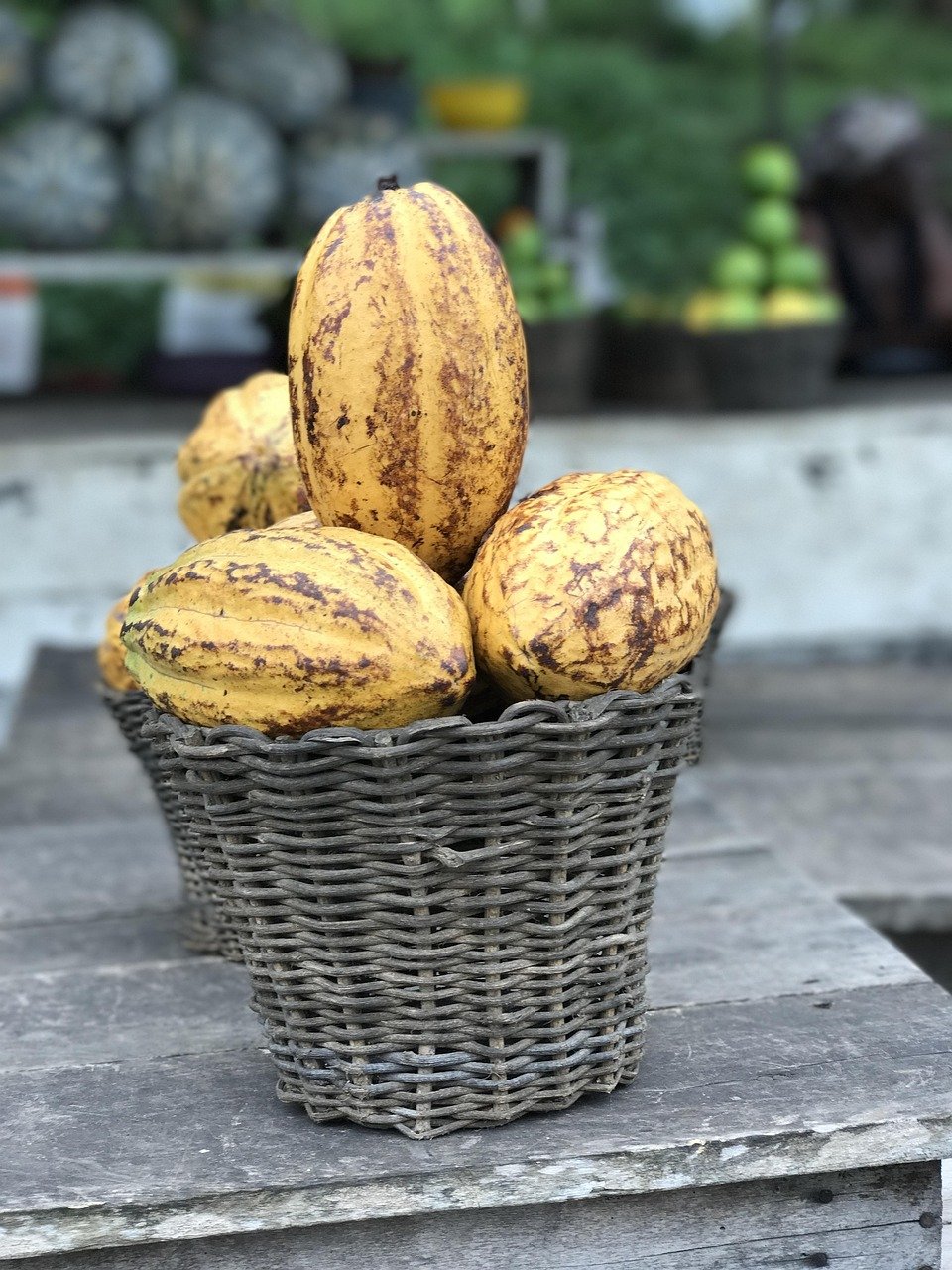
Kumasi is a major trading and business hub, with Kejetia Market among West Africa's largest open-air markets and a strong role in timber, gold and cocoa. Kwame Nkrumah University of Science and Technology (KNUST) and the local Kumawood film industry add to the city's creative and economic energy.
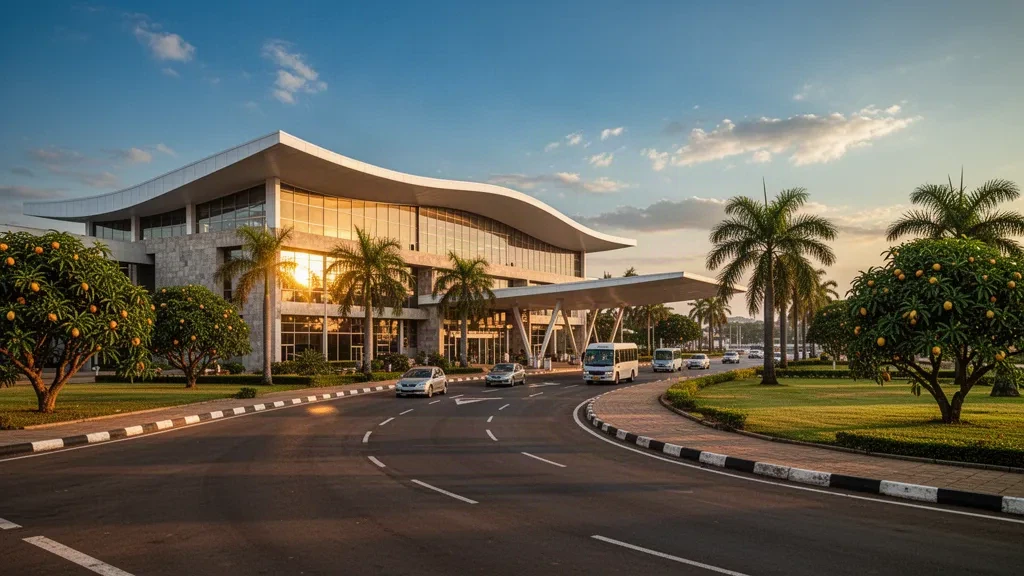
For travellers, Kumasi offers a deep cultural experience, lively markets, traditional food and a gateway to Ashanti craft villages and historic sites, while business visitors benefit from its commercial importance and growing air links through Prempeh I International Airport.
Ashanti Travel Guide
Best Time to Visit
The dry season from November to March is generally the most comfortable time to visit Kumasi, with less rain for exploring markets, museums and craft villages. The rainy season from April to October brings heavier showers, while festivals such as Akwasidae draw visitors throughout the year.
How to Get Around
Kumasi is served by trotros, shared taxis and metered taxis connecting the city centre with neighbourhoods and nearby towns. Central areas such as Adum and Kejetia are busy but walkable in parts, while private drivers or rental cars are useful for reaching craft villages outside the city.
Where to Stay
Adum and the city centre are convenient for markets, business and major landmarks, while quieter residential areas such as Ahodwo, Nhyiaeso and Santasi offer hotels and guesthouses. Visitors can also find accommodation near KNUST and the airport for easier access to different parts of the city.
Food & Drink
Kumasi is known for Ghanaian staples such as fufu with light soup or groundnut soup, banku, waakye, kelewele and grilled tilapia. Street food stalls, chop bars, cafés and restaurants around Kejetia, Adum and Bantama offer local dishes alongside international options.
Ground Transportation Services in Ashanti
Airport Transfers
Travel between Prempeh I International Airport and hotels, business districts, markets and other destinations across Kumasi.
Hourly Chauffeur
Book a private chauffeur by the hour for business meetings, events, market visits, sightseeing and flexible travel around Kumasi.
Car Rental
Rent a car in Kumasi for independent travel around the city and convenient journeys to craft villages, historic sites and nearby towns.
Bus & Group Transfers
Arrange minibuses or charter buses for groups, corporate travel, events, airport transfers and tours in and around Kumasi.
Frequently Asked Questions
Related Cities in Ghana
View all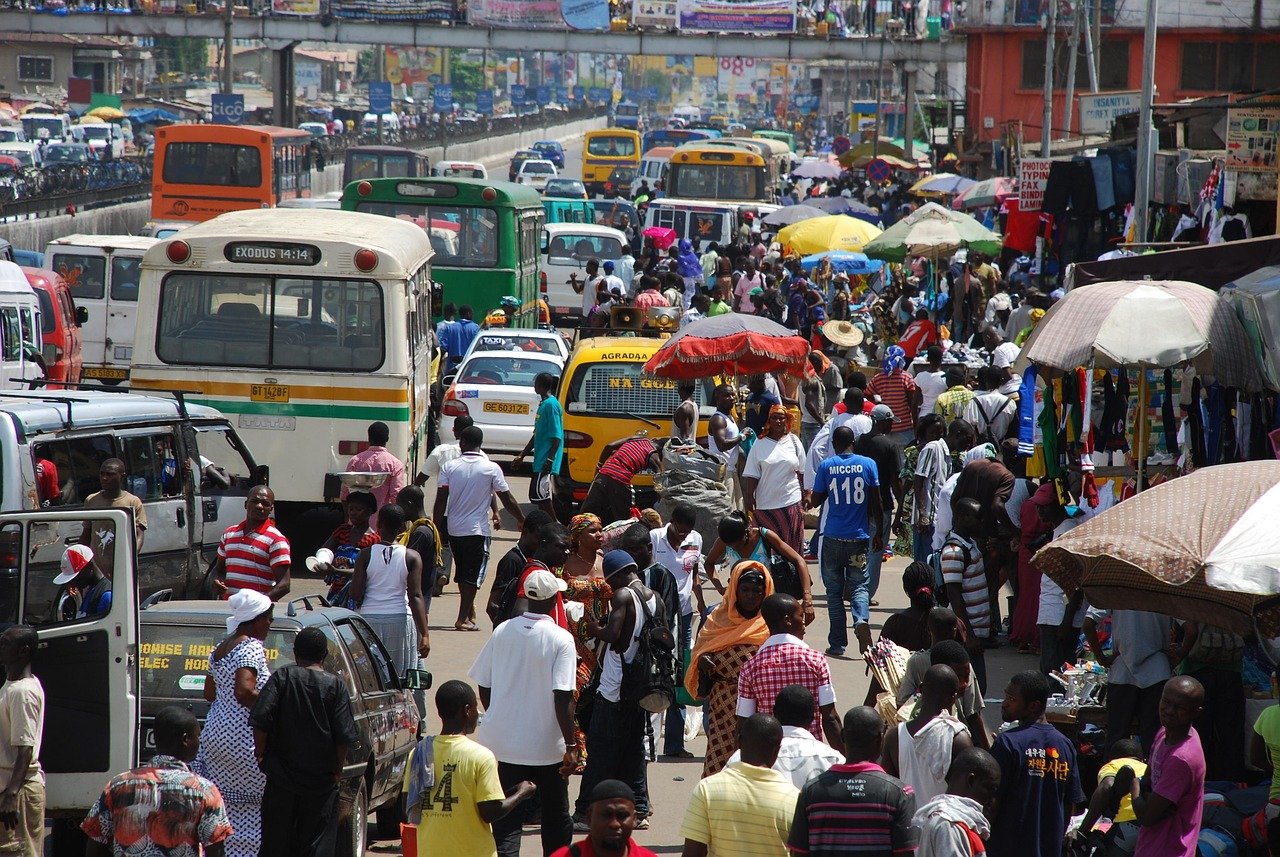
Western North
Western North, in Ghana, is known for its lush green hills, cocoa farms and rich cultural heritage. Its lively communities and traditional markets offer a genuine taste of local life.
Takoradi
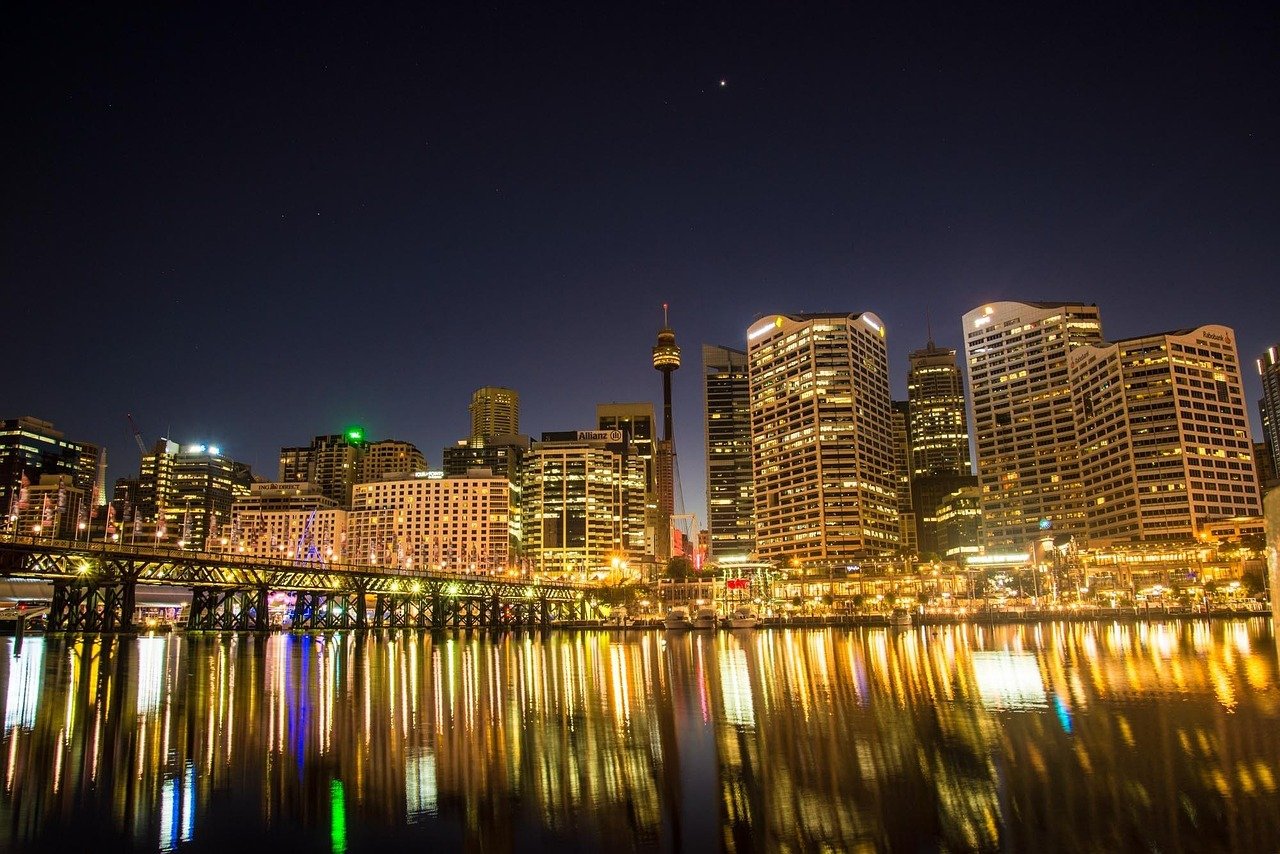
Takoradi, Ghana's Western Region port city, blends a working harbour and commercial energy with coastal landmarks, busy markets and easy access to nearby beaches.
Volta
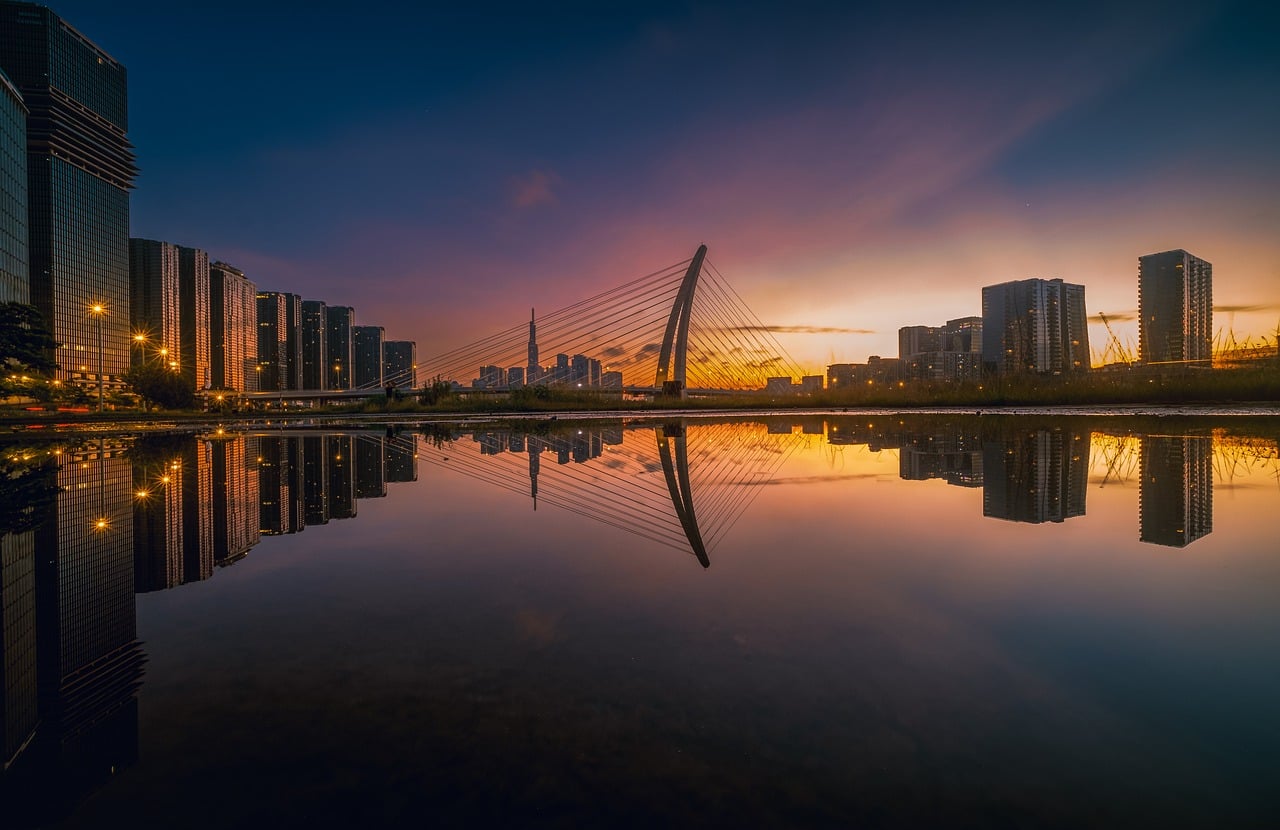
Volta, in southeastern Ghana, is known for the expansive Lake Volta, rolling hills, waterfalls and a rich Ewe cultural heritage.