Scattered Islands
The Scattered Islands form a remote Indian Ocean archipelago of coral atolls and uninhabited islets, known for seabird colonies and scientific outposts rather than urban life.
Passengers
Luggage
About Scattered Islands
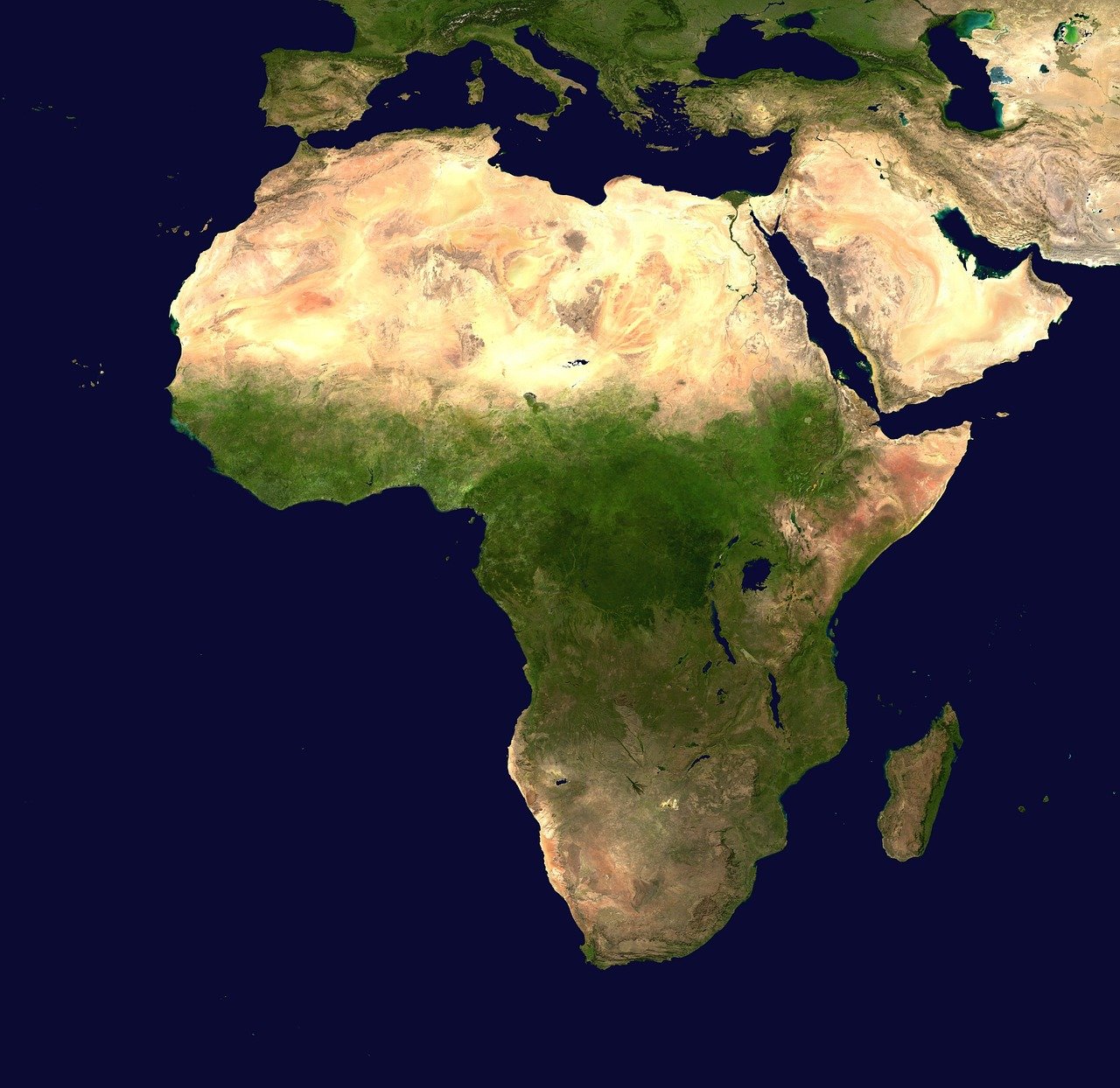
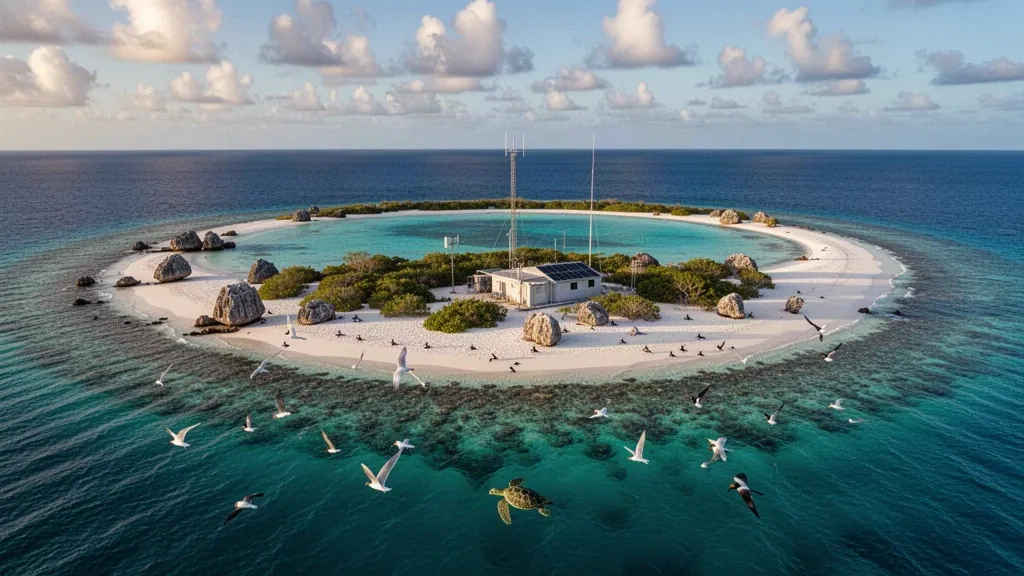
The Scattered Islands (Îles Éparses) are a remote French-administered group of five low-lying islands and atolls in the western Indian Ocean, spread across the Mozambique Channel and east of Madagascar. Rather than a conventional city, the district is a cluster of uninhabited coral islands with small rotating teams of French military, meteorological and scientific staff.
The group includes Bassas da India, a mostly submerged atoll; Europa Island, the largest at about 28 km²; the Glorioso Islands; Juan de Nova; and Tromelin Island, which lies further east. Together they cover roughly 44 km² of land, with shallow reefs, sand flats, lagoons and nesting beaches that support large seabird colonies and green sea turtles.
France has held the islands since the nineteenth century, and they now form the fifth district of the French Southern and Antarctic Lands, administered from Réunion. Sovereignty over several islands is disputed by Madagascar, while the Comoros claims the Glorioso Islands, giving the district a distinctive strategic and diplomatic importance.
The islands are valued mainly for conservation and science. Much of the district is protected as nature reserves or Ramsar wetlands, and research missions monitor seabirds, turtles, coral reefs, weather and climate. Facilities are limited to small weather and military stations, unpaved airstrips and supply anchorages.
Access is tightly controlled and there are no hotels, restaurants or public transport services. As a result, the Scattered Islands are relevant almost exclusively to authorized scientific expeditions, government missions and specialists rather than leisure travellers, though their isolation and untouched ecosystems make them a remarkable destination for those who can visit.
Scattered Islands Travel Guide
Best Time to Visit
Visits to the Scattered Islands require official authorization, so timing is set by approved missions rather than normal tourism seasons. The cooler, drier months from May to November are generally more settled, while December to April brings the cyclone season with rough seas and humid conditions.
How to Get Around
There is no public transport, and most islands have no roads. Within each island, movement is on foot or by official vehicles, while travel between islands is by authorized boat or aircraft using unpaved airstrips and supply vessels from Réunion.
Where to Stay
There are no hotels, guesthouses or tourist lodgings in the Scattered Islands. Authorized personnel and visiting scientists stay in basic station accommodation, and independent overnight visits are not permitted.
Food & Drink
There are no restaurants, cafés or markets on the islands. Food and drinking water arrive by supply missions from Réunion and are prepared at the small staff stations, so meals are practical and self-catered rather than tourist-oriented.
Ground Transportation Services in Scattered Islands
Airport Transfers
Transfers between the unpaved airstrips on Europa, Juan de Nova, Grande Glorieuse and Tromelin and the station facilities are arranged for authorized personnel and scientific missions, with supply flights connecting from Réunion.
Hourly Chauffeur
Private chauffeur services are not available in the Scattered Islands; movement is limited to official vehicles operated by station and military personnel for approved work.
Car Rental
Car rental is not offered on the islands, as there are no public roads; travel is on foot or with station vehicles for authorized missions.
Bus & Group Transfers
Group transport is arranged only for official, scientific and military expeditions, using boats and aircraft between the islands and supply links from Réunion.
Frequently Asked Questions
Related Cities in French Southern Territories
View all
Saint-Paul and Amsterdam Islands
Saint-Paul and Amsterdam Islands are remote volcanic islands in the southern Indian Ocean, part of the French Southern and Antarctic Lands, known for rugged coastlines, seabird colonies and research stations. Their isolation gives them a stark, windswept beauty that appeals to scientists and expedition travelers.
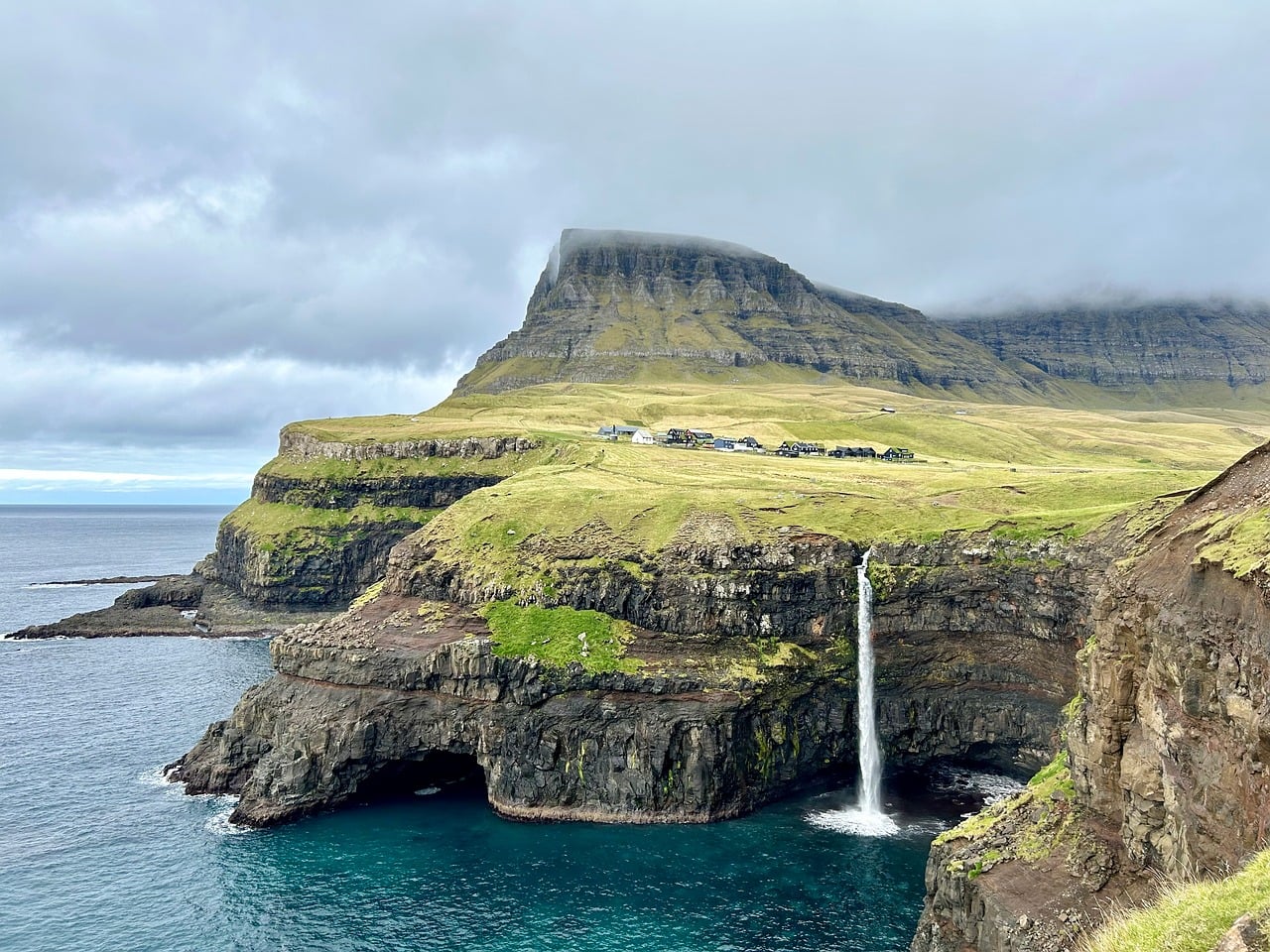
Port-aux-Français
Port-aux-Français, the main settlement of the Kerguelen Islands, is a remote scientific outpost set among sub-Antarctic glaciers, fjords and windswept tussock grass.
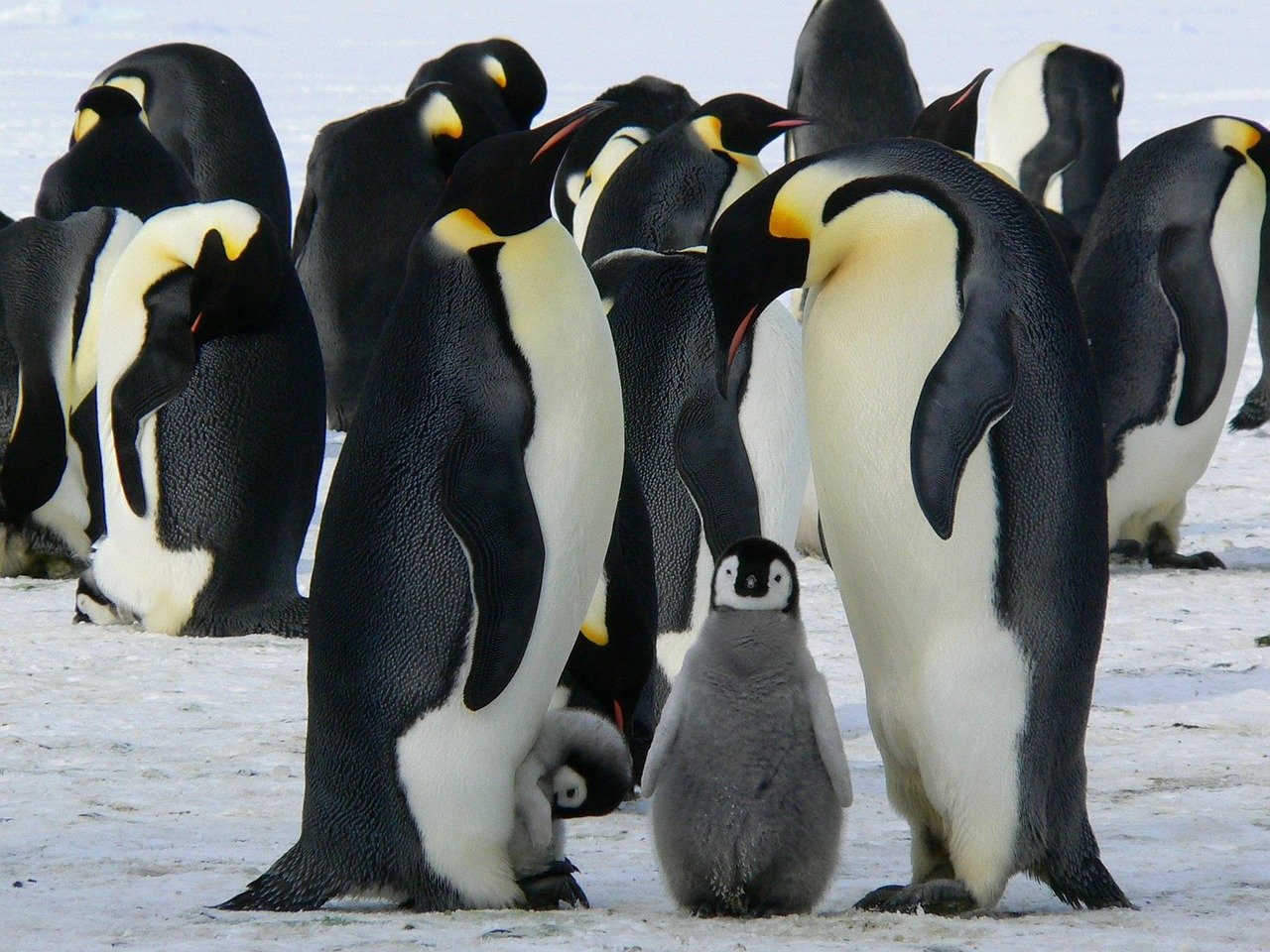
Adélie Land
Adélie Land is a remote French sector of Antarctica, defined by vast ice fields, strong katabatic winds and emperor penguin colonies along its coast. Its scientific stations and austere landscapes give it a distinctive place in polar exploration and research.