Adélie Land
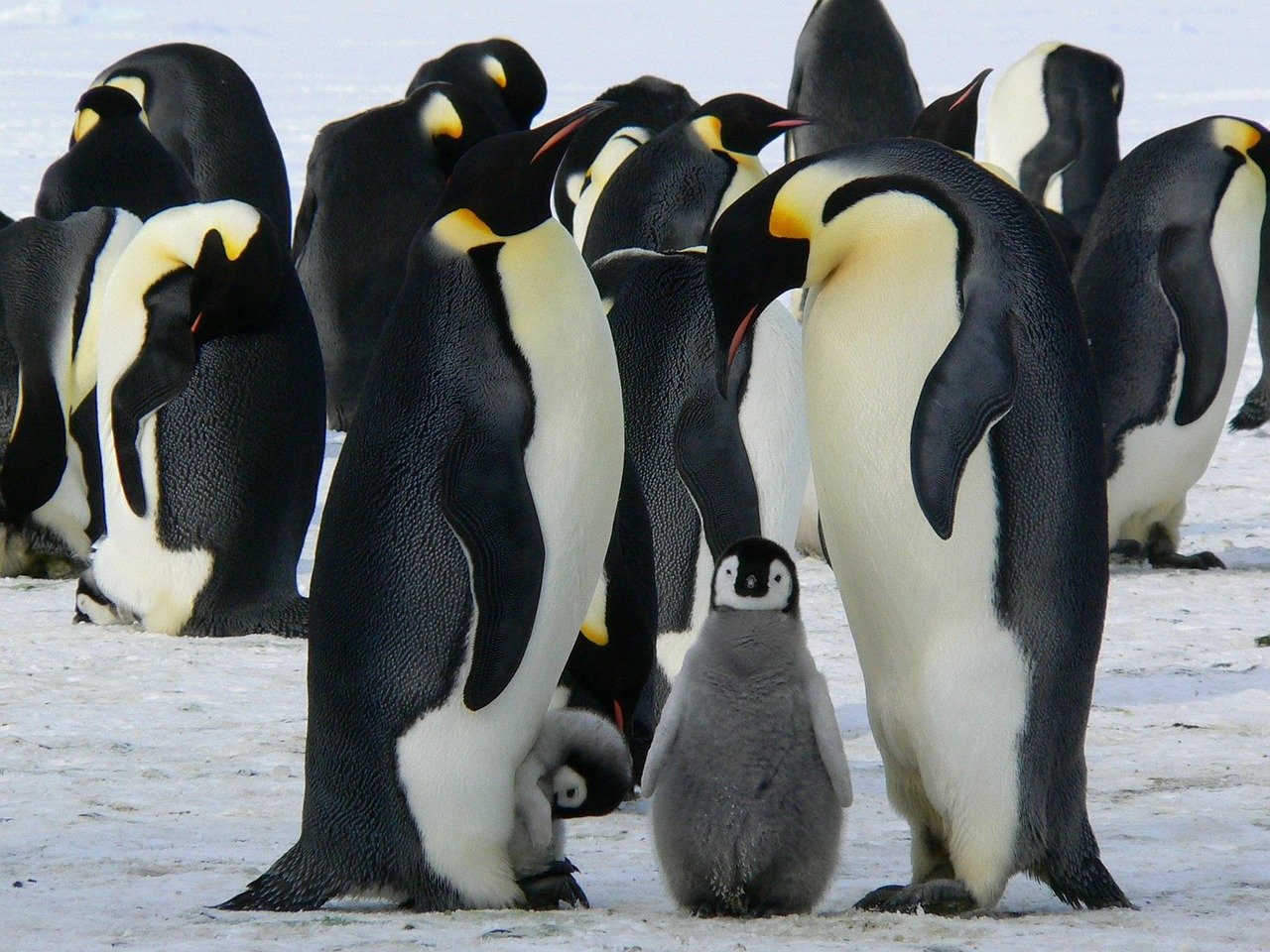
Adélie Land is a remote French sector of Antarctica, defined by vast ice fields, strong katabatic winds and emperor penguin colonies along its coast. Its scientific stations and austere landscapes give it a distinctive place in polar exploration and research.
Passengers
Luggage
About Adélie Land
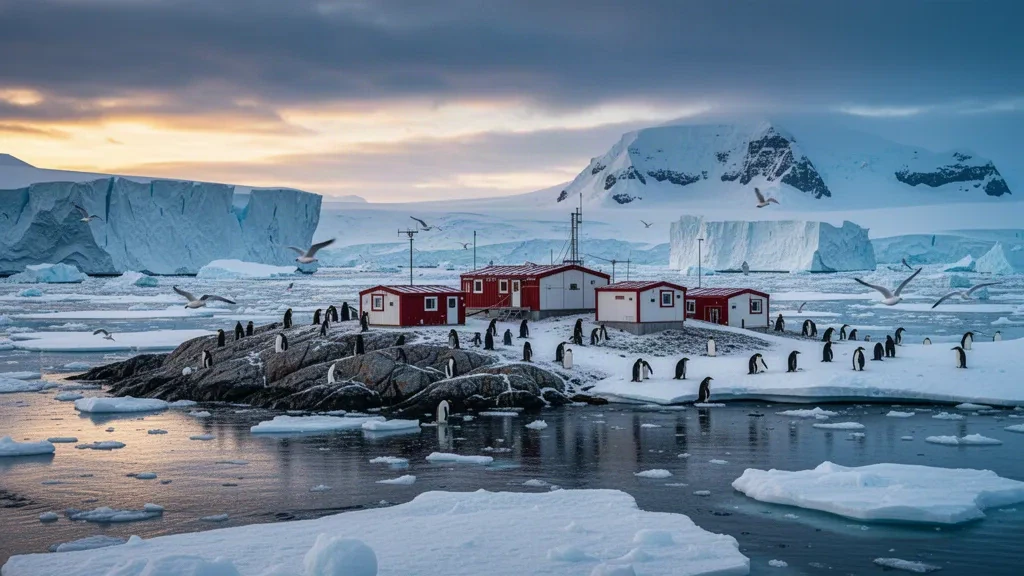
Adélie Land is a remote, French-administered sector of East Antarctica rather than a conventional city, focused on the coastal research base of Dumont d'Urville. It extends between longitudes 136°E and 142°E and is defined by vast ice sheets, extreme katabatic winds and internationally significant penguin colonies.
The territory was first sighted and claimed by France in 1840 during the expedition of Jules Dumont d'Urville, after whom the main station is named. Today it is administered as a district of the French Southern and Antarctic Lands, while France's territorial claim is held in abeyance under the Antarctic Treaty.
Dumont d'Urville Station sits on Petrel Island in the Pointe Géologie archipelago, surrounded by glaciers, sea ice and seabird cliffs. The area is famous for its emperor penguin colony, along with Adélie penguins, seals, skuas and petrels, while the inland Concordia Station at Dome C serves as a major French–Italian research platform.
There are no neighbourhoods, hotels or public transport services in the usual sense. Life and logistics are concentrated around the station, the coastal Cap Prud'homme logistics site and Concordia Station, with access normally by the icebreaker L'Astrolabe from Hobart, Tasmania, during the austral summer.
For travellers, Adélie Land is primarily a scientific and expedition destination rather than a leisure city break. Visits require permits, polar experience and organised logistics, but the region offers an exceptional view of Antarctic research, wildlife and one of the most extreme environments on Earth.
Adélie Land Travel Guide
Best Time to Visit
The austral summer from November to February is the only practical window for access, when sea ice conditions ease and research, supply and permitted expedition voyages take place. Winter brings extreme cold, near-continuous darkness and no routine access.
How to Get Around
There are no public roads in Adélie Land, so movement is limited to station vehicles, tracked snow machines, skis and helicopters used for logistics and fieldwork. Longer journeys are organised through French polar operators and expedition vessels.
Where to Stay
Accommodation is normally limited to research station facilities at Dumont d'Urville and inland Concordia Station, which serve scientific and logistics personnel. Visitors on permitted expedition voyages generally stay aboard their ships rather than in local lodgings.
Food & Drink
Meals at Dumont d'Urville are provided in the station galley using French provisions and supplies delivered by icebreaker. There are no public restaurants, cafés or shops, so expedition visitors rely on ship catering and packaged rations.
Ground Transportation Services in Adélie Land
Airport Transfers
Adélie Land has no commercial airport. Arriving researchers and expedition members transfer between ships, the Dumont d'Urville skiway or helipad and the station using tracked vehicles, helicopters and zodiac boats.
Hourly Chauffeur
Road-based chauffeur services are not available in Adélie Land because there is no road network. Local movement is instead arranged through station vehicles and guided snowmobile or tracked-vehicle transport for authorised logistics and fieldwork.
Car Rental
Car rental is not available in Adélie Land, which has no public roads or rental infrastructure. Independent travel is replaced by expedition logistics, tracked vehicles and snowmobiles for permitted journeys.
Bus & Group Transfers
Group movement between ships and the station is managed with zodiac boats, tracked vehicles and helicopters rather than buses. Permitted groups travel together under French polar logistics arrangements.
Frequently Asked Questions
Related Cities in French Southern Territories
View all
Scattered Islands
The Scattered Islands form a remote Indian Ocean archipelago of coral atolls and uninhabited islets, known for seabird colonies and scientific outposts rather than urban life.
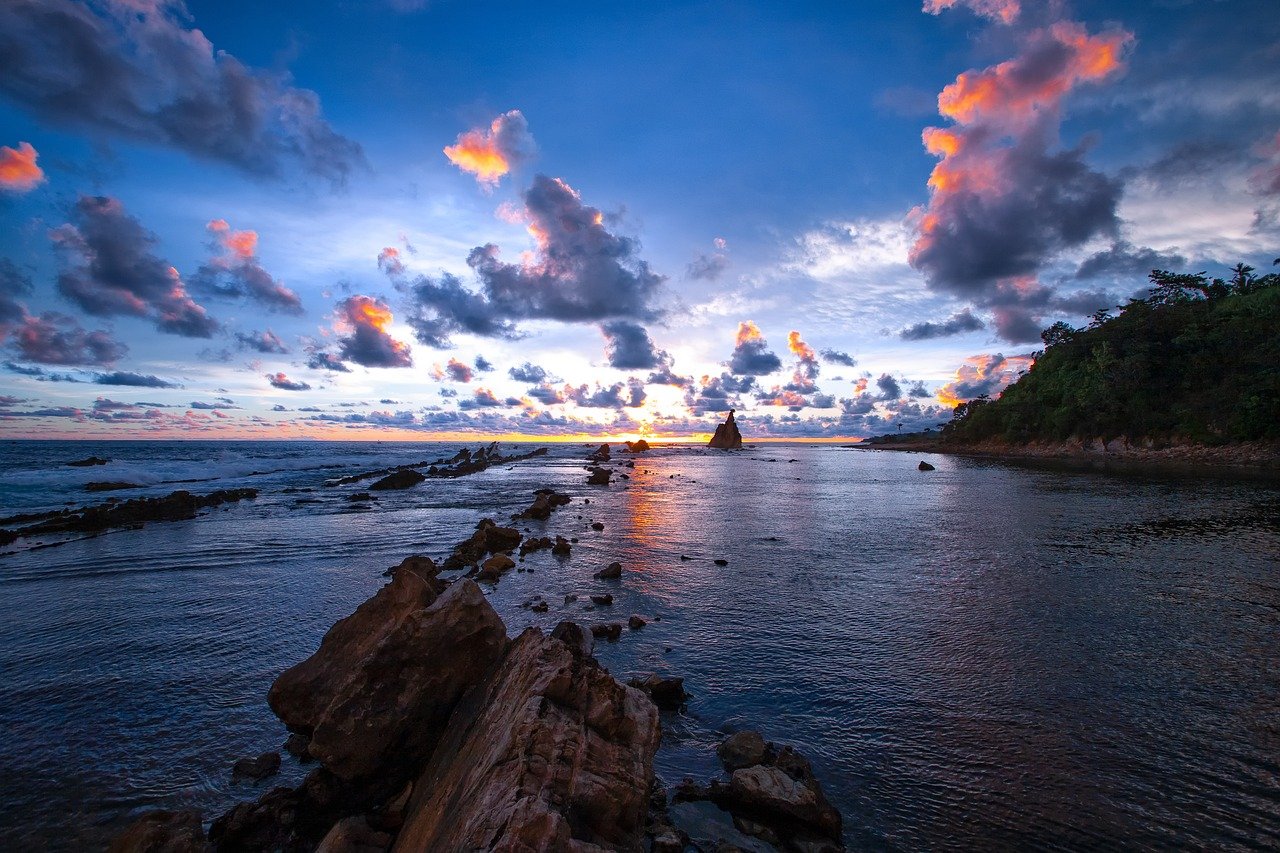
Saint-Paul and Amsterdam Islands
Saint-Paul and Amsterdam Islands are remote volcanic islands in the southern Indian Ocean, part of the French Southern and Antarctic Lands, known for rugged coastlines, seabird colonies and research stations. Their isolation gives them a stark, windswept beauty that appeals to scientists and expedition travelers.
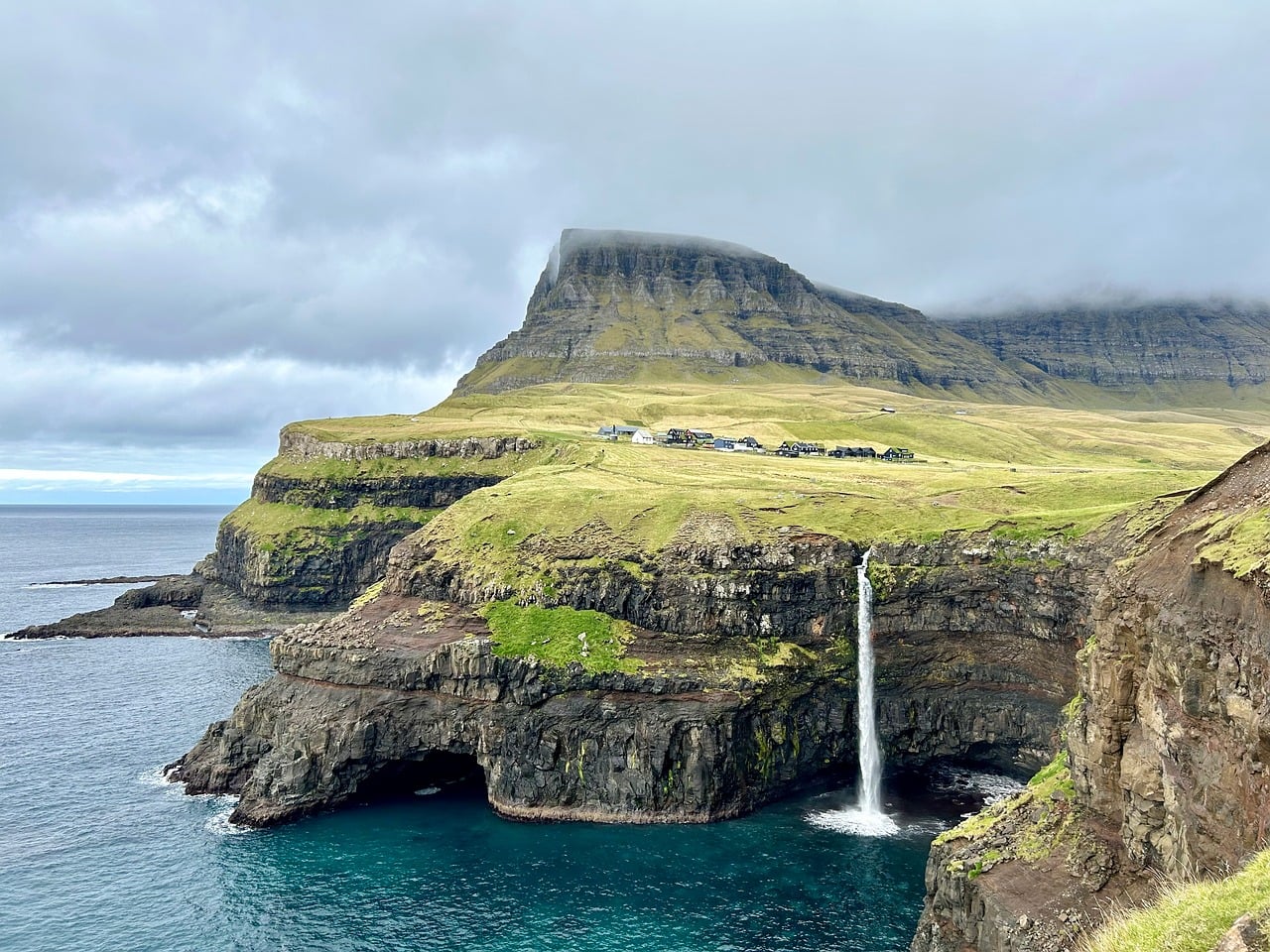
Port-aux-Français
Port-aux-Français, the main settlement of the Kerguelen Islands, is a remote scientific outpost set among sub-Antarctic glaciers, fjords and windswept tussock grass.