Saint-Paul and Amsterdam Islands
Saint-Paul and Amsterdam Islands are remote volcanic islands in the southern Indian Ocean, part of the French Southern and Antarctic Lands, known for rugged coastlines, seabird colonies and research stations. Their isolation gives them a stark, windswept beauty that appeals to scientists and expedition travelers.
Passengers
Luggage
About Saint-Paul and Amsterdam Islands
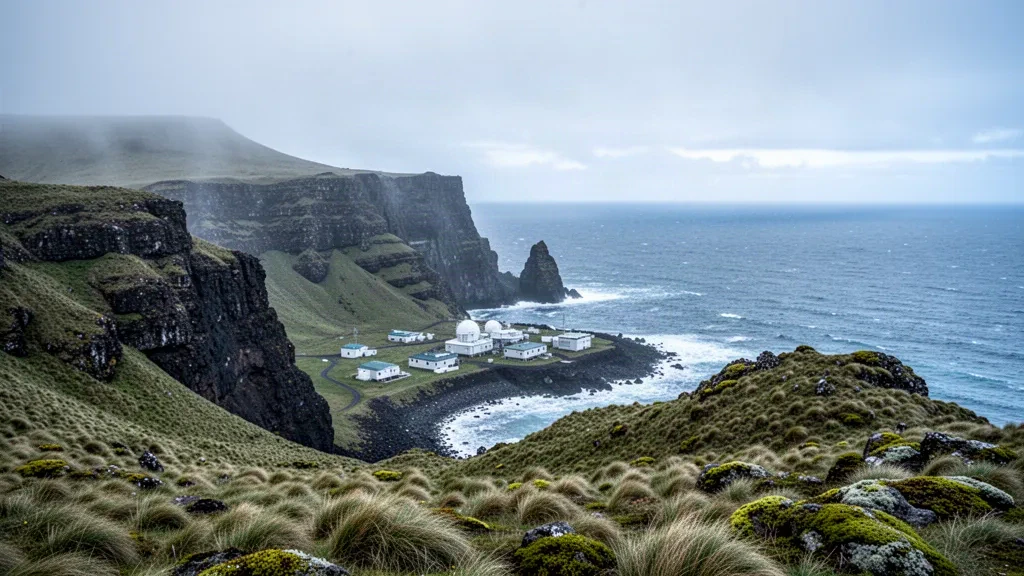
Île Amsterdam and Île Saint-Paul form one of the most isolated districts of the French Southern and Antarctic Lands (TAAF), lying in the southern Indian Ocean roughly halfway between South Africa and Australia. The only permanent settlement is the Martin-de-Viviès research station on Île Amsterdam, founded as Camp Heurtin and later known as La Roche Godon; Saint-Paul, about 85 km to the south, is uninhabited.
Both islands are volcanic and steep-sided. Amsterdam's highest point, Mont de la Dives, rises to 881 m, and its rugged coastline and cliffs are home to breeding seabirds, subantarctic fur seals and the endemic Amsterdam albatross. The Phylica arborea, the only tree species in the French Southern Territories, grows in wind-sheltered stands on Amsterdam, while Saint-Paul is known for its flooded caldera.
The station normally hosts roughly 25 people in winter and 50 in summer, working on meteorology, biology, geomagnetism and atmospheric research. Supplies and personnel arrive by the research and supply vessel Marion Dufresne from Réunion, and a small heliport serves the base; there is no commercial airport, road network or public accommodation.
The islands lie within the French Southern Lands National Nature Reserve and are part of the UNESCO World Heritage property 'French Austral Lands and Seas', inscribed in 2019. In January 2025, a vegetation fire affected a large part of Île Amsterdam and led to the temporary evacuation of the station, with technical and recovery missions following.
For travellers, Saint-Paul and Amsterdam are not a conventional destination: visits take place as part of scientific, logistical or official missions organised by the TAAF and the French Polar Institute. The appeal is their extreme isolation, subantarctic wildlife, volcanic scenery and the rare chance to experience one of the least visited places on Earth.
Saint-Paul and Amsterdam Islands Travel Guide
Best Time to Visit
The austral summer, roughly November to March, is the most workable period, when the Marion Dufresne supply rotations call at Île Amsterdam and weather conditions are less severe. Access is only possible as part of an official scientific or logistical mission, so timing is tied to the expedition calendar.
How to Get Around
There is no public transport on Île Amsterdam. Around the Martin-de-Viviès station, movement is on foot, while station vehicles and occasional helicopter or boat transfers support authorised field work; Saint-Paul is rarely visited and requires special permission.
Where to Stay
There are no hotels or guesthouses. Personnel and visiting scientists stay in the Martin-de-Viviès station facilities on Île Amsterdam, while ship passengers on rotation normally sleep aboard the Marion Dufresne. Saint-Paul has no accommodation.
Food & Drink
Meals are communal and provided at the Martin-de-Viviès station, with supplies replenished by the Marion Dufresne from Réunion. There are no cafés or restaurants, and visitors should expect simple canteen-style dining within the base.
Ground Transportation Services in Saint-Paul and Amsterdam Islands
Airport Transfers
Île Amsterdam has no commercial airport, so arrival is normally by the Marion Dufresne from Réunion; transfers between the ship's anchorage, the Martin-de-Viviès heliport and the station are handled by mission logistics.
Hourly Chauffeur
There are no public chauffeur or taxi services on the island; transport for station personnel and visiting scientists is arranged by the research station using its own vehicles.
Car Rental
Car rental is not available because Île Amsterdam has no road network for independent driving; visitors travel with official missions using station transport and guided field arrangements.
Bus & Group Transfers
Group movement is organised through station and mission logistics, including coordinated transfer of personnel and cargo from the Marion Dufresne to Martin-de-Viviès and shared vehicles for field parties.
Frequently Asked Questions
Related Cities in French Southern Territories
View all
Scattered Islands
The Scattered Islands form a remote Indian Ocean archipelago of coral atolls and uninhabited islets, known for seabird colonies and scientific outposts rather than urban life.
Port-aux-Français
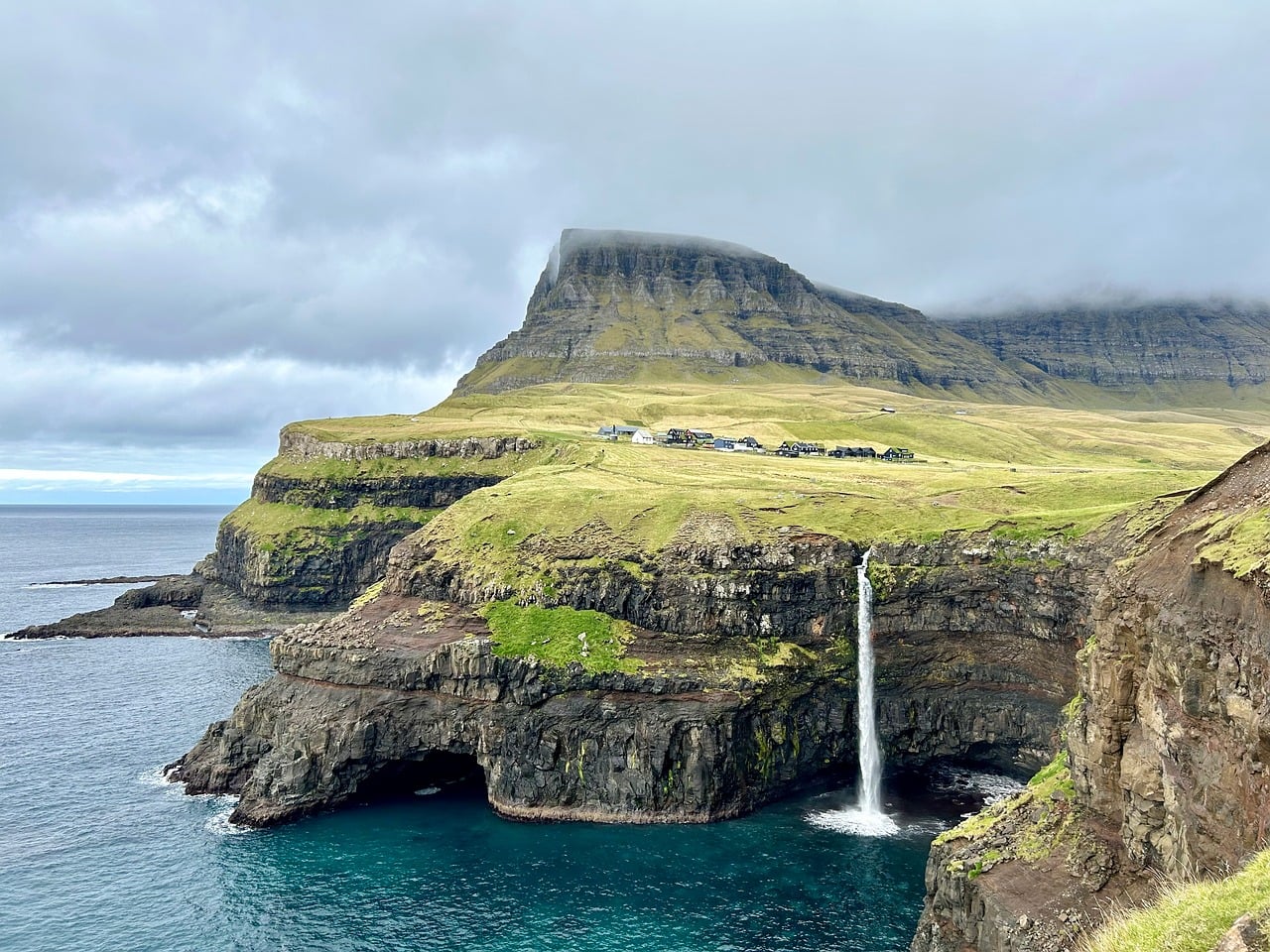
Port-aux-Français, the main settlement of the Kerguelen Islands, is a remote scientific outpost set among sub-Antarctic glaciers, fjords and windswept tussock grass.
Adélie Land
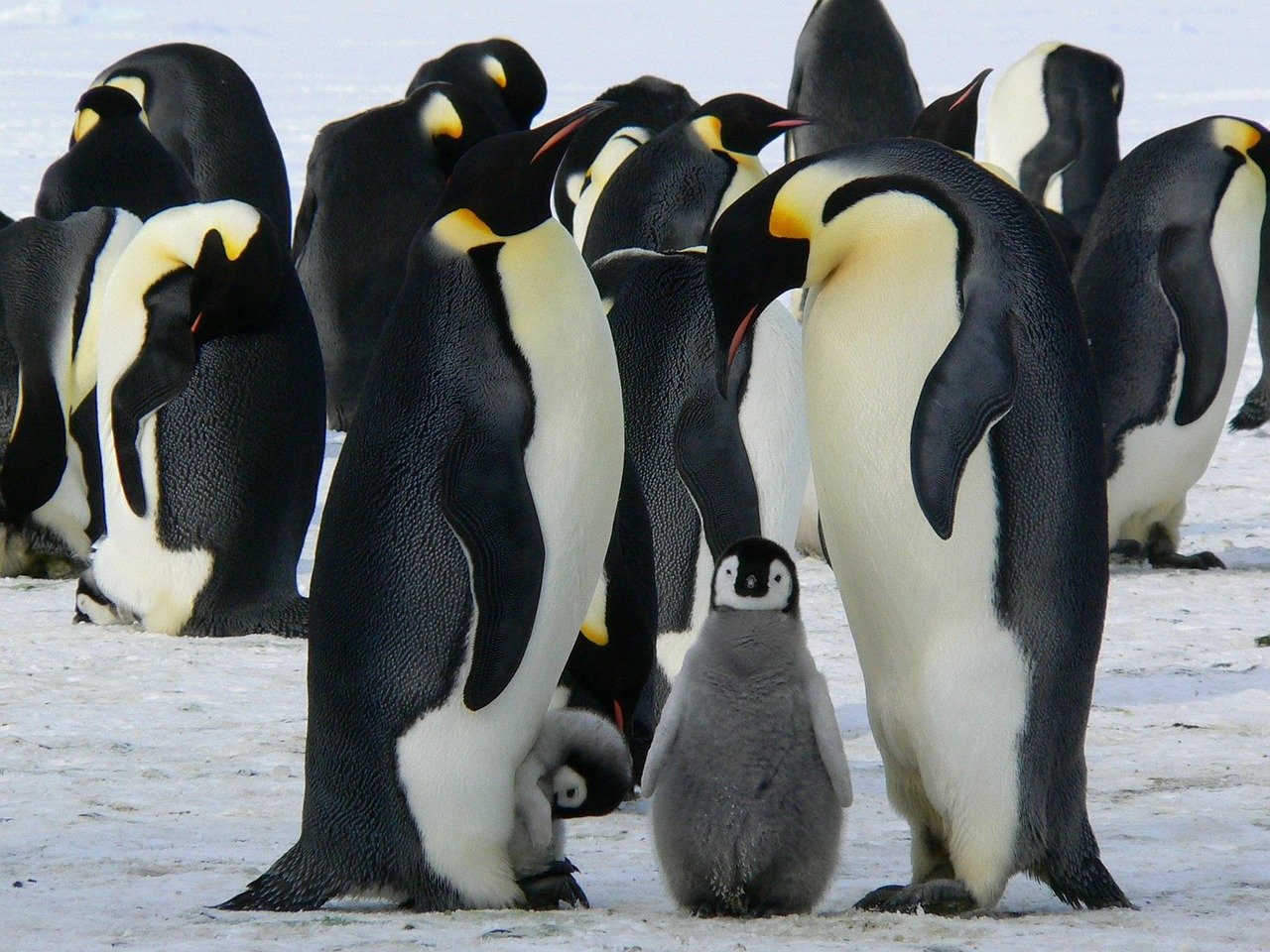
Adélie Land is a remote French sector of Antarctica, defined by vast ice fields, strong katabatic winds and emperor penguin colonies along its coast. Its scientific stations and austere landscapes give it a distinctive place in polar exploration and research.