
Bonga
Bonga, a highland town in Ethiopia's coffee heartland, pairs Kefa cultural traditions with forest scenery, lively markets and easy access to hot springs and rural trails.
Passengers
Luggage
About Southwest Ethiopia Peoples
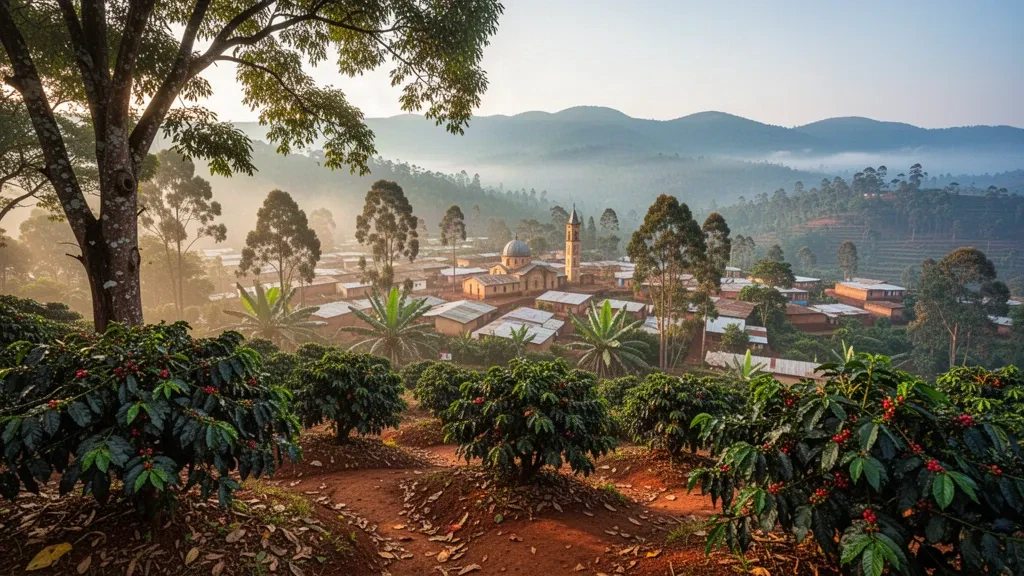
Bonga is a small highland town in southwestern Ethiopia and the capital of the South West Ethiopia Peoples' Region. Set amid forested hills in the Kafa Zone, it is widely recognised as one of the original homes of Arabica coffee and serves as the main gateway to the Kafa Biosphere Reserve.
Historically, Bonga was an important centre of the Kingdom of Kaffa, and the region's coffee heritage remains visible today. The Bonga Open Air Museum presents local Kafa culture and history, while the National Coffee Museum highlights the area's long connection to wild coffee and traditional production.
Around Bonga, the Kafa Biosphere Reserve protects montane cloud forests, wild coffee forests, waterfalls and bird-rich woodland. Visitors can hike forest trails, watch birds, visit the Mankira Coffee Forest and explore local markets that bring together produce from the surrounding countryside.
As the seat of a new regional administration, Bonga functions as a small but growing centre for government, trade, coffee and development organisations. Its food scene centres on coffee houses, traditional Ethiopian dishes such as injera with local stews, and simple restaurants serving regional fare.
For travellers, Bonga offers a low-key base for coffee and ecotourism in one of Ethiopia's most distinctive forest landscapes. It appeals to independent explorers, researchers, coffee enthusiasts and business visitors working with regional institutions, while remaining calm and far less crowded than the capital.
Southwest Ethiopia Peoples Travel Guide
Best Time to Visit
The dry months from roughly October to February are the most comfortable for hiking, forest walks and visits to the Kafa Biosphere Reserve. The June to September rainy season brings lush scenery but can make rural roads muddy and harder to travel.
How to Get Around
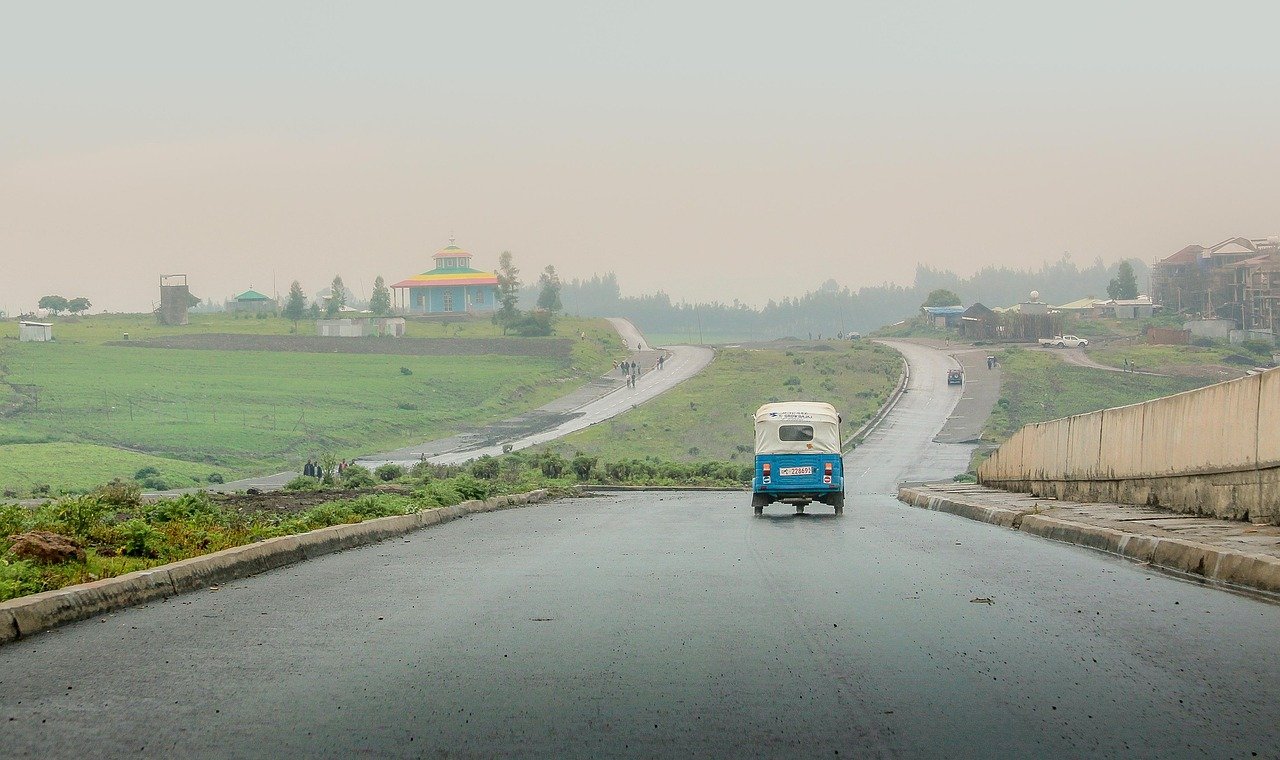
Bonga's town centre is walkable, while bajaj three-wheelers and local minibuses cover shorter trips. For forest sites and surrounding villages, a four-wheel-drive vehicle or an arranged driver is more practical, and the main roads connect north toward Jimma and southwest toward Mizan Teferi.
Where to Stay
Most accommodation is concentrated in Bonga town, with modest hotels, guesthouses and simple lodges. Staying in town gives easy access to the market and museums, while a few forest-edge lodges and camps provide closer bases for nature excursions.
Food & Drink
Coffee is the defining local experience, from traditional ceremonies to small coffee houses serving beans grown in the surrounding Kafa highlands. Restaurants offer Ethiopian staples such as injera with shiro, meat stews and local vegetables, along with seasonal produce sold at the town market.
Ground Transportation Services in Southwest Ethiopia Peoples
Airport Transfers
Arrange private transfers between Jimma Aba Segud Airport and hotels, guesthouses and meeting points in Bonga for a direct journey through the Kafa highlands.
Hourly Chauffeur
Book a chauffeur by the hour for business appointments, regional government visits, market trips and flexible travel around Bonga and the Kafa Biosphere Reserve.
Car Rental
Rent a four-wheel-drive vehicle in Bonga or Jimma for independent travel to forest trails, coffee sites and other destinations in southwestern Ethiopia.
Bus & Group Transfers
Organise minibuses or charter buses for groups, research teams, events, coffee tours and transfers between Bonga, Jimma and surrounding areas.
Frequently Asked Questions
Related Cities in Ethiopia
View all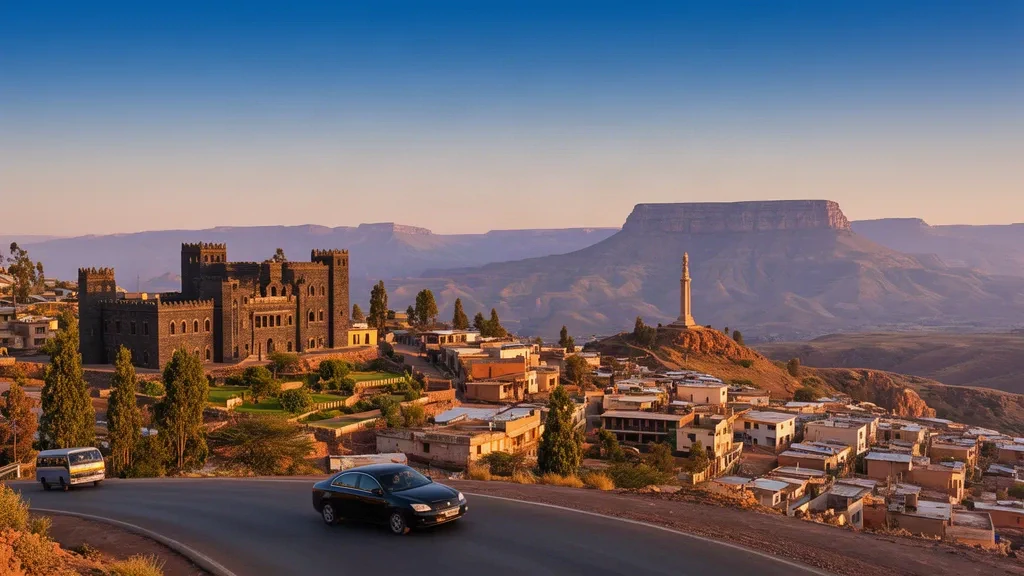
Mekelle
Mekelle, the capital of Ethiopia's Tigray region, blends highland scenery, a resilient cultural heritage and lively markets with the everyday rhythm of a university city in northern Ethiopia.
Hawassa
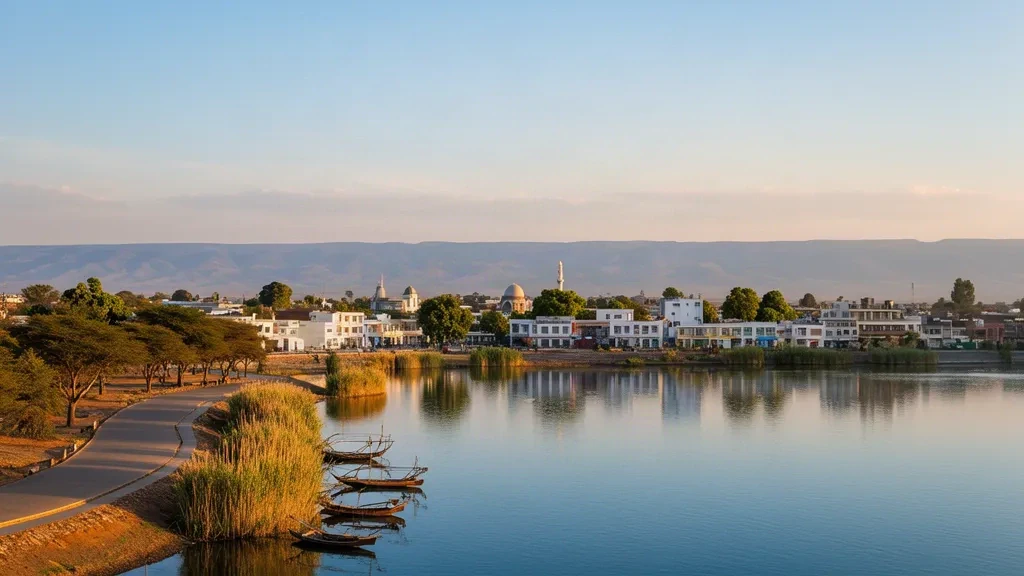
Hawassa sits on the shores of Lake Hawassa in Ethiopia's Rift Valley. The city is known for its fish market, birdlife and relaxed lakeside atmosphere.
Jigjiga
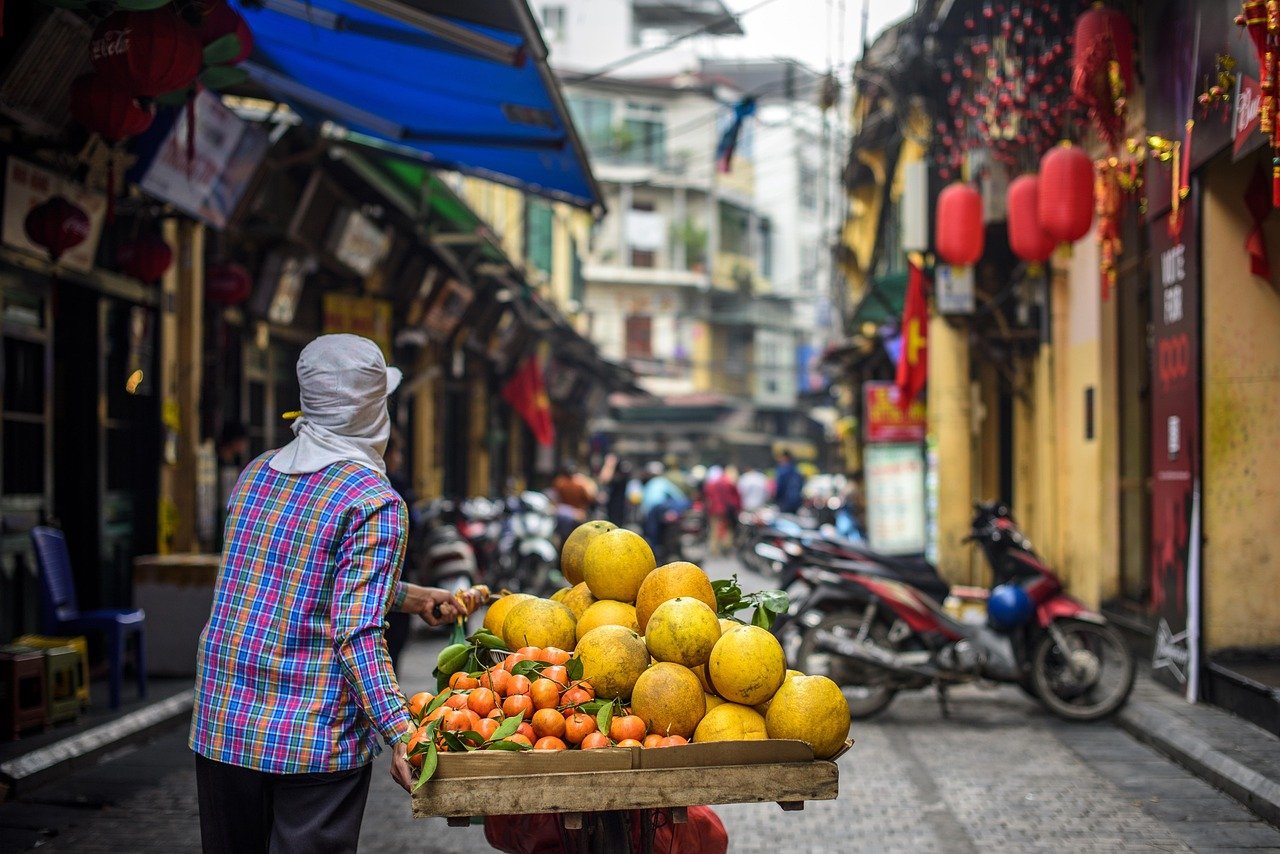
Jigjiga, the administrative capital of Ethiopia's Somali Region, pairs Somali cultural traditions with busy markets, university life and a growing commercial role in the eastern highlands.
Airports in Ethiopia
View all airports in the country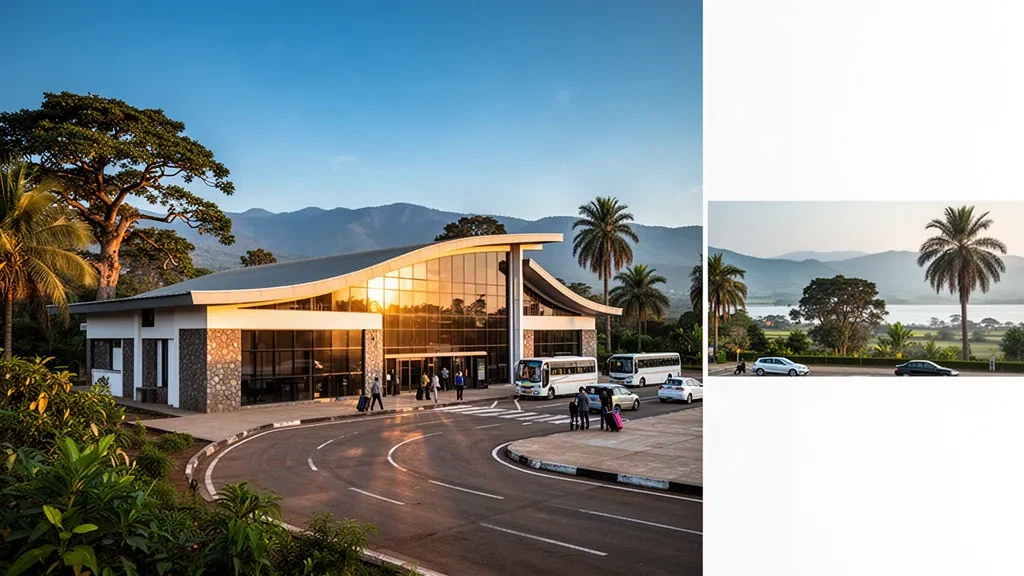
Bahir Dar Airport (BJR)
Bahir Dar Airport (BJR) is the main gateway to Bahir Dar, the lakeside capital of Ethiopia's Amhara Region, and to the attractions around Lake Tana and the Blue Nile Falls. Compare transfer options to the city centre, lakefront hotels and nearby monasteries, and plan your onward journey with ease.
Beica Airport (BEI)
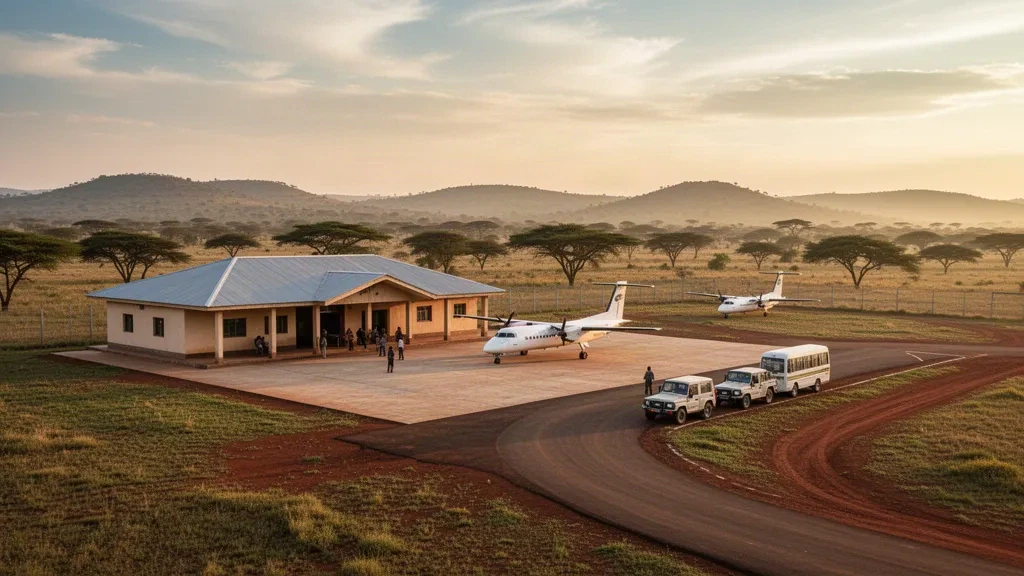
Beica Airport (BEI) serves Beica (Begi), a small town in the West Welega Zone of southwestern Ethiopia's Oromia Region. Compare transfer options to Beica, nearby towns and rural destinations across western Ethiopia.
Axum Emperor Yohannes IV Airport (AXU)
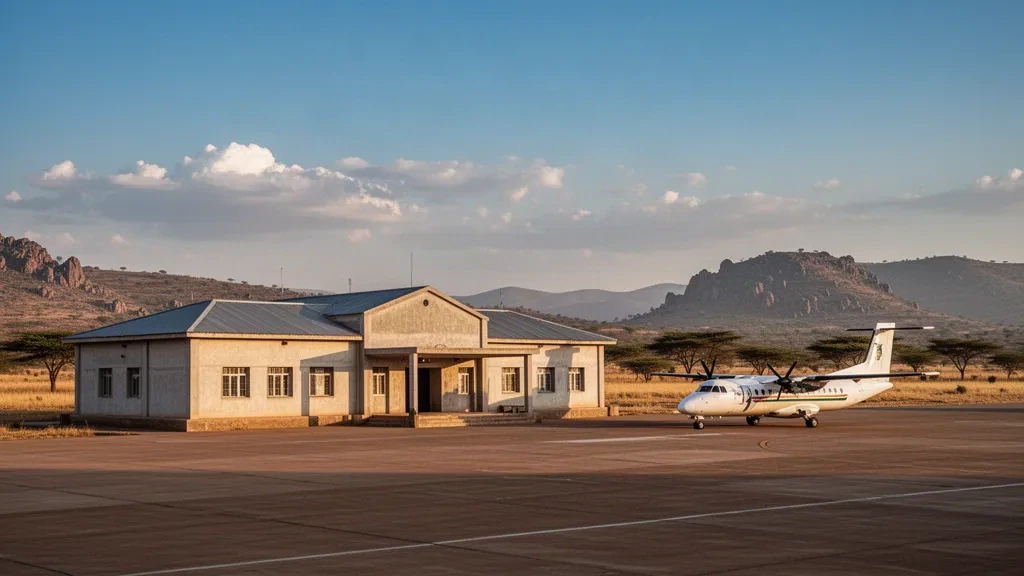
Axum Emperor Yohannes IV Airport serves the historic city of Axum in Ethiopia's northern Tigray Region, providing the main air link for visitors to the ancient obelisks and Aksumite heritage sites. Compare transfer options to the city centre and nearby attractions, and plan your journey with ease.
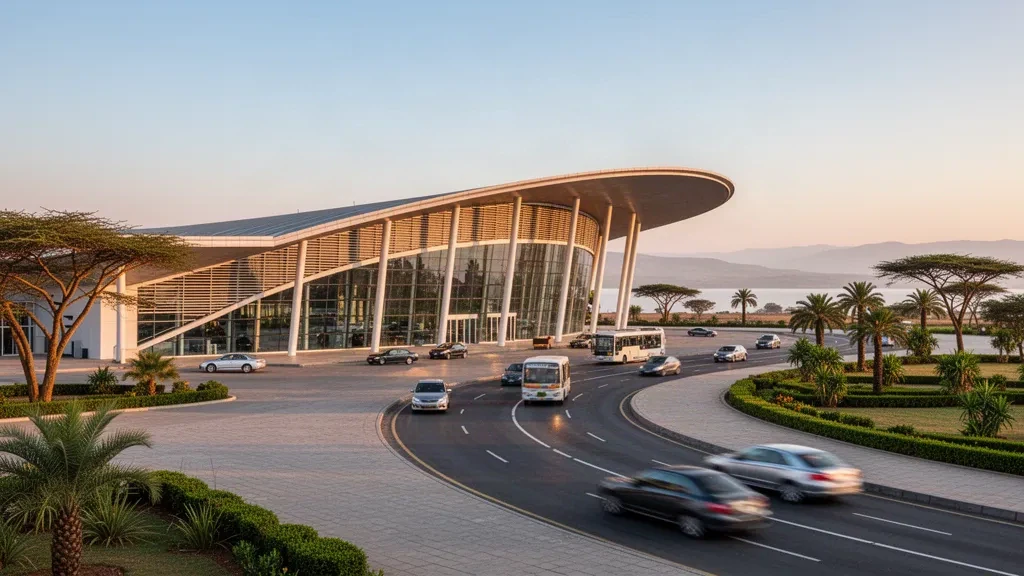
Hawassa International Airport (AWA)
Hawassa International Airport is the main air gateway to Hawassa, the capital of Ethiopia's Sidama Region, and to the shores of Lake Hawassa. Compare transfer options to the city centre, lakeside hotels and other destinations across the Great Rift Valley.