
Assosa
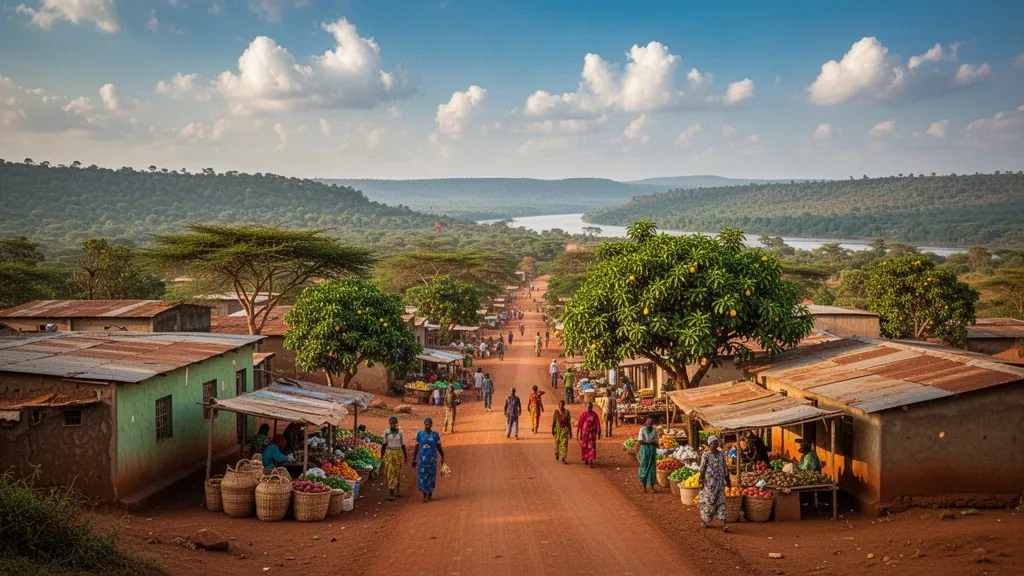
Assosa is the administrative capital of Ethiopia's Benishangul-Gumuz Region, where a lively market and a mix of local cultures shape daily life in the country's western lowlands.
Passengers
Luggage
About Benishangul-Gumuz
Asosa, also spelled Assosa, is the capital of Ethiopia's Benishangul-Gumuz Region in the far west of the country, near the border with Sudan. Set at roughly 1,570 metres above sea level, this small, low-rise town feels more like a busy administrative and market centre than a conventional tourist city, and its Berta, Gumuz, Shinasha, Amhara and Oromo communities give it a distinctly mixed regional character.
The town became the seat of Benishangul-Gumuz's government in the 1990s after Ethiopia introduced its federal regional system. Today it functions as the region's political and service hub, with government offices, a central market, mosques, churches, schools and transport connections that draw people from surrounding woredas.
Asosa is not built around a list of famous monuments. Its appeal lies in everyday western Ethiopian life: a lively market, small cafés serving the traditional coffee ceremony, and the rolling, forested highlands that surround the town. Travellers can use Asosa as a base for short trips into nearby villages, hills and farming areas, while the wider Benishangul-Gumuz Region is known for gold deposits and for the Grand Ethiopian Renaissance Dam on the Blue Nile.
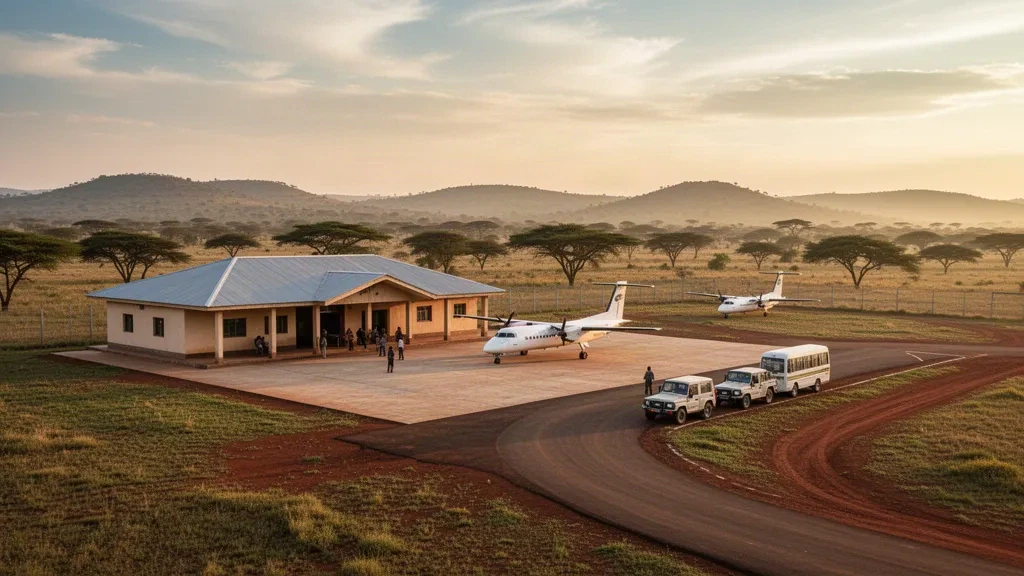
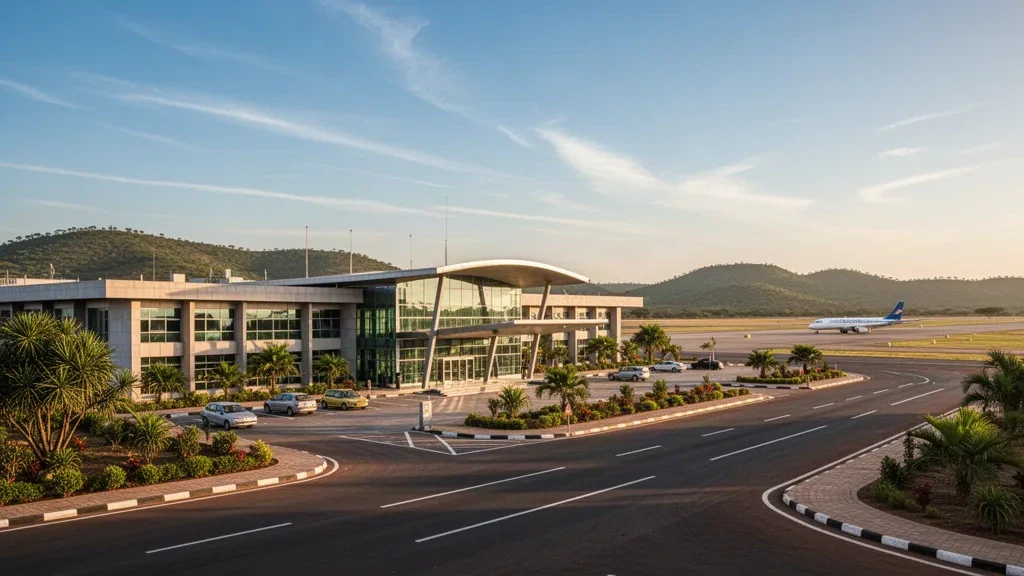
Business travel here tends to centre on regional government, agriculture, mining and development work. Asosa Airport links the town with Addis Ababa, and roads connect it with other parts of western Ethiopia, although rural routes are affected by the rainy season. Accommodation and dining are modest and concentrated around the town centre.
For both leisure and business visitors, Asosa offers a low-key, practical introduction to one of Ethiopia's least visited regions, surrounded by green highland scenery and shaped by several distinct cultures.
Benishangul-Gumuz Travel Guide
Best Time to Visit
The driest and most comfortable months are roughly November to February, when rainfall is lowest and roads are easier to travel. The wettest months, especially June to September, can make rural routes muddy, so dry-season planning is more reliable.
How to Get Around
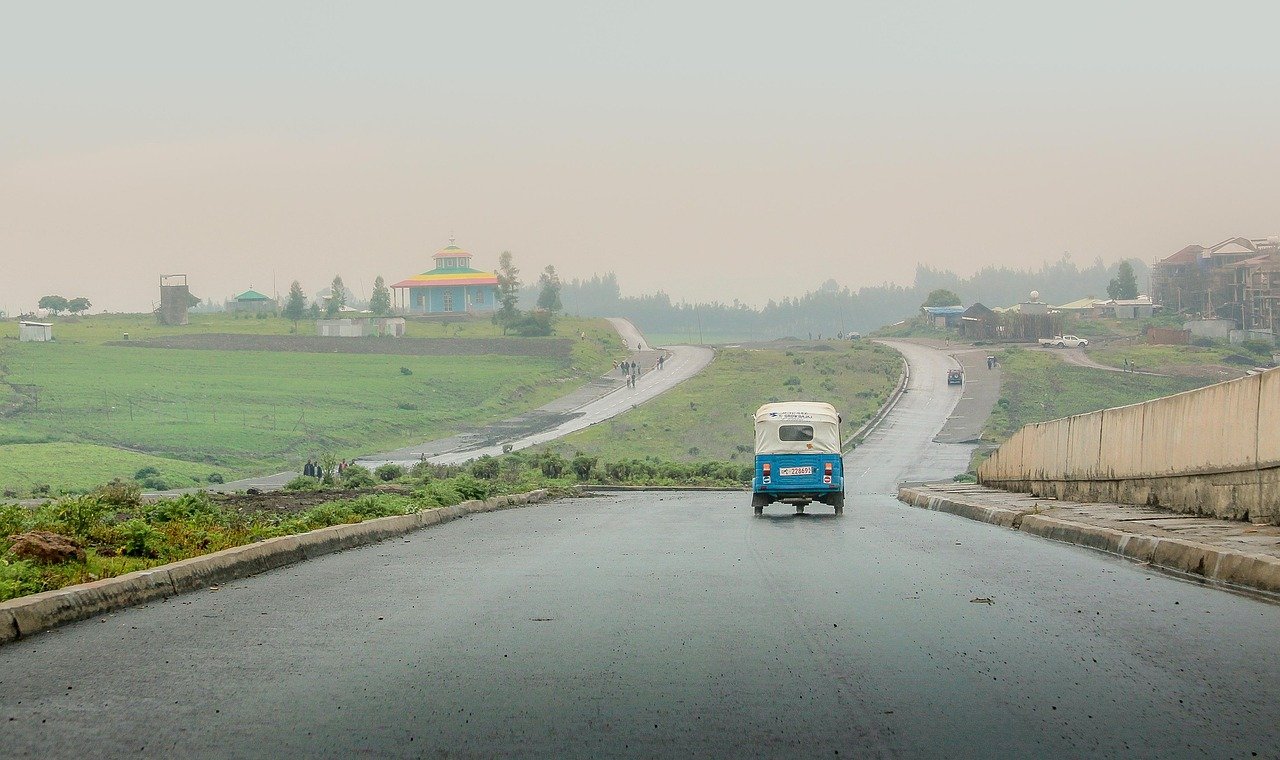
The centre of Asosa is compact and easy to cover on foot, while bajaj three-wheelers and minibuses handle short trips around town. For longer journeys, taxis, private transfers and rental vehicles connect the town with the airport and nearby woredas.
Where to Stay
Asosa has a small range of hotels, guesthouses and lodges, most of them in the town centre and along the main roads close to government offices. Choices are modest, so it helps to book ahead during conferences and busy travel periods.
Food & Drink
Local eating is built around Ethiopian staples such as injera, shiro, tibs and spicy stews, served with coffee ceremonies in cafés and small restaurants. Markets and roadside vendors add fresh fruit, roasted coffee and regional dishes from the Berta, Gumuz and other local communities.
Ground Transportation Services in Benishangul-Gumuz
Airport Transfers
Travel between Asosa Airport (ASO) and hotels, guesthouses, business sites and other destinations in and around the town.
Hourly Chauffeur
Book a private driver by the hour for meetings, government or business appointments, market visits and flexible trips around Asosa and the Asosa Zone.
Car Rental
Rent a vehicle for independent travel around Asosa and the wider Benishangul-Gumuz region, including routes to nearby towns and rural areas.
Bus & Group Transfers
Arrange minibuses or charter buses for groups, project teams, events, airport pickups and tours in Asosa and across western Ethiopia.
Airports in Benishangul-Gumuz
Frequently Asked Questions
Related Cities in Ethiopia
View all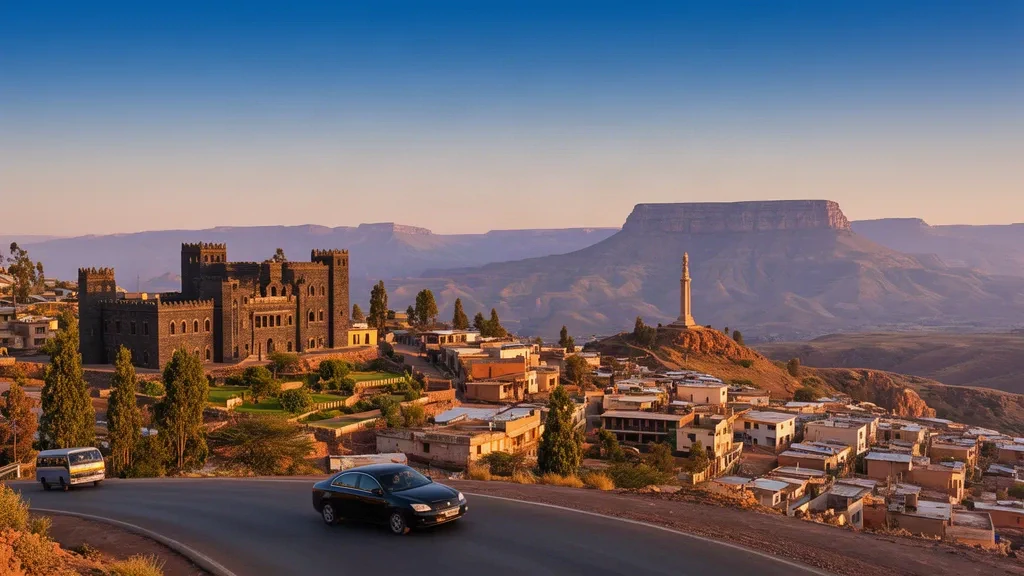
Mekelle
Mekelle, the capital of Ethiopia's Tigray region, blends highland scenery, a resilient cultural heritage and lively markets with the everyday rhythm of a university city in northern Ethiopia.

Bonga
Bonga, a highland town in Ethiopia's coffee heartland, pairs Kefa cultural traditions with forest scenery, lively markets and easy access to hot springs and rural trails.
Hawassa
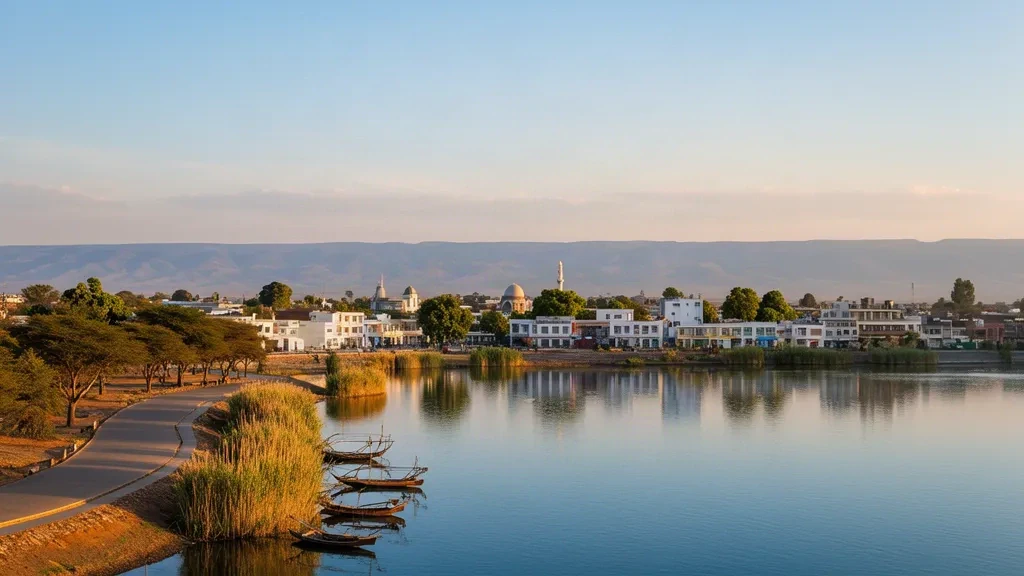
Hawassa sits on the shores of Lake Hawassa in Ethiopia's Rift Valley. The city is known for its fish market, birdlife and relaxed lakeside atmosphere.