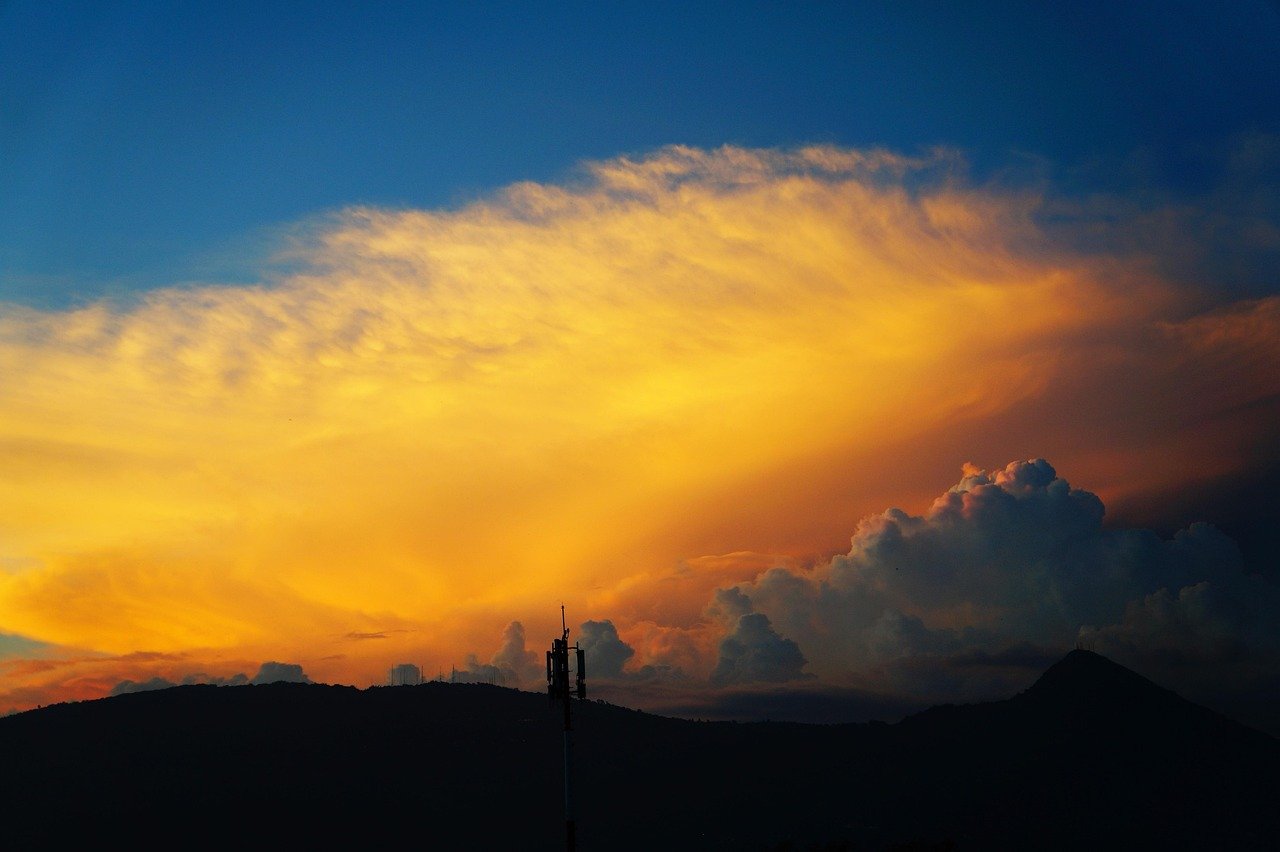
San Salvador
San Salvador, the capital of El Salvador, pairs a layered history with lively markets, colonial-era landmarks and a modern culinary scene set against volcanic hills.
Passengers
Luggage
About San Salvador
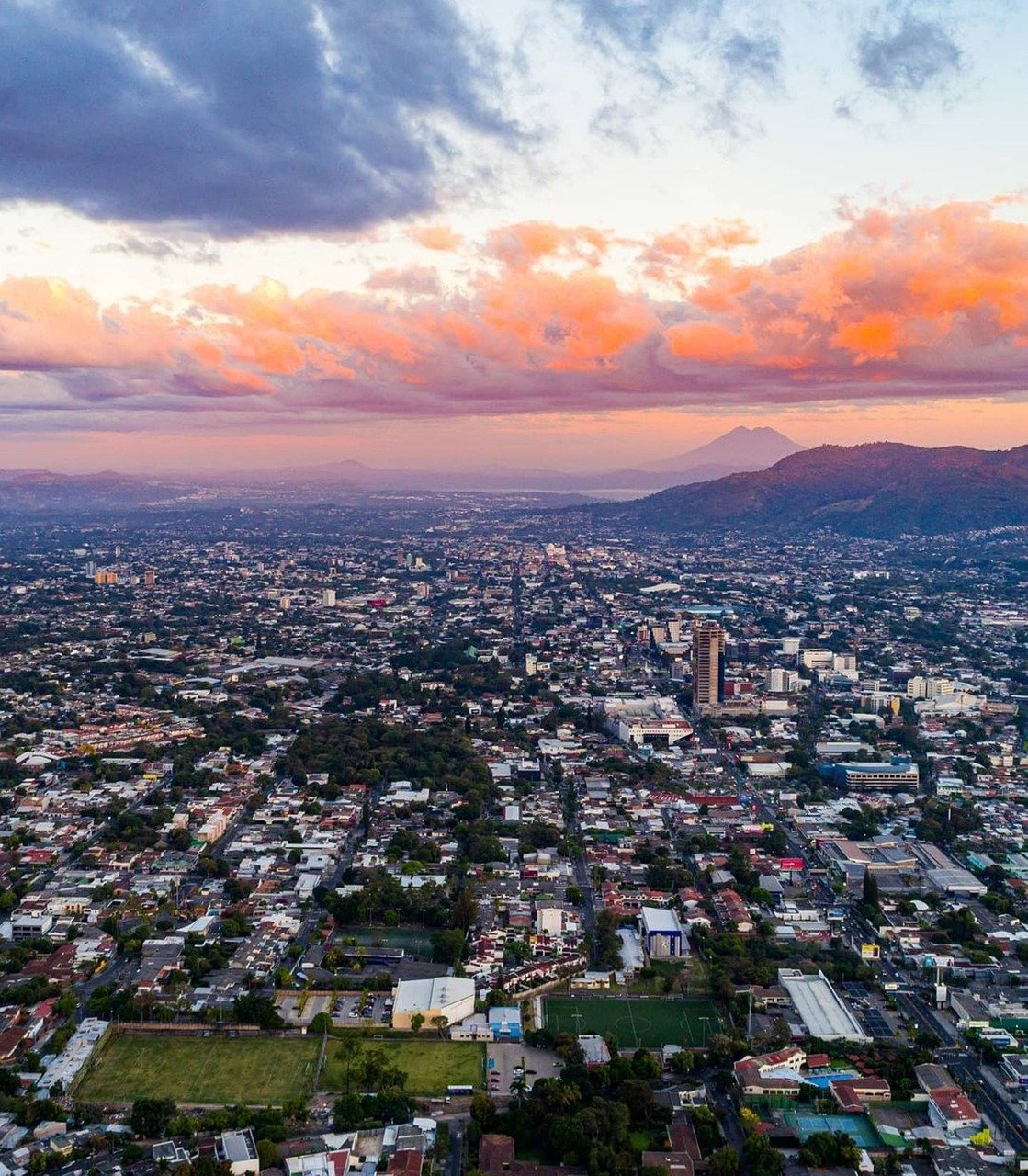
San Salvador is the capital and largest city of El Salvador, located in the San Salvador Department at roughly 650 metres above sea level in the Valle de las Hamacas. As the country's political, financial and cultural centre, it combines a compact historic core with modern business districts, malls and a spread-out metropolitan area.
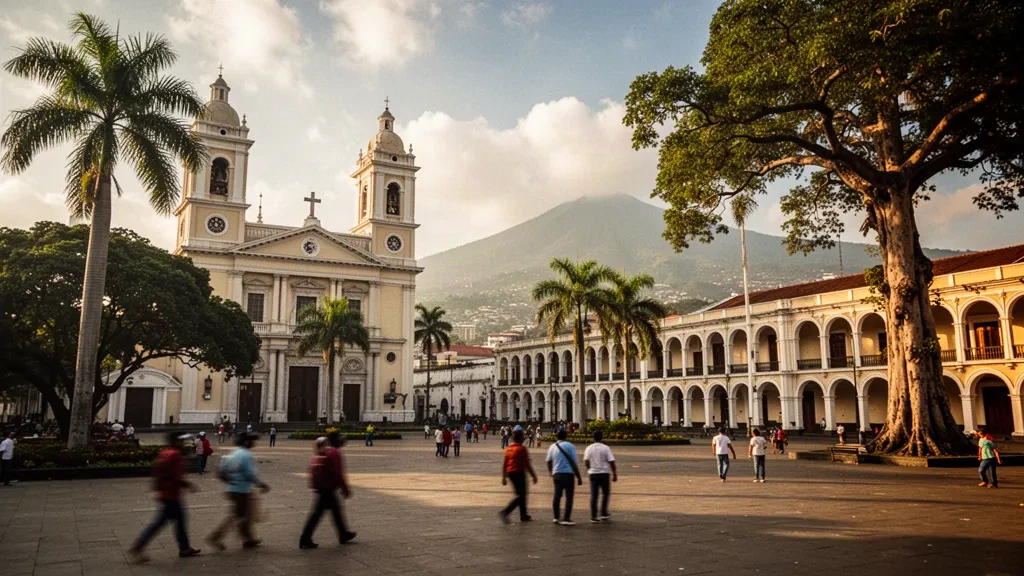
Founded in 1525 and moved twice before settling on its current site, the city has repeatedly rebuilt after earthquakes and volcanic activity. Its landmarks include the Metropolitan Cathedral, the National Palace, the Teatro Nacional and the Monumento al Divino Salvador del Mundo, while the nearby Joya de Cerén archaeological site preserves a pre-Hispanic farming village buried by volcanic ash.
The Centro Histórico holds colonial-era plazas and government buildings, while neighbourhoods such as Zona Rosa, Colonia Escalón and San Benito concentrate hotels, restaurants, cafés and nightlife. Museums include the National Museum of Anthropology and the National Library of El Salvador, and El Boquerón National Park offers views into the crater of the San Salvador volcano.
San Salvador functions as El Salvador's main hub for banking, commerce, conferences and international business, with a steady calendar of trade fairs, concerts and cultural events. Local food centres on pupusas and fresh produce markets, while the dining scene ranges from traditional Salvadoran cooking to international restaurants.
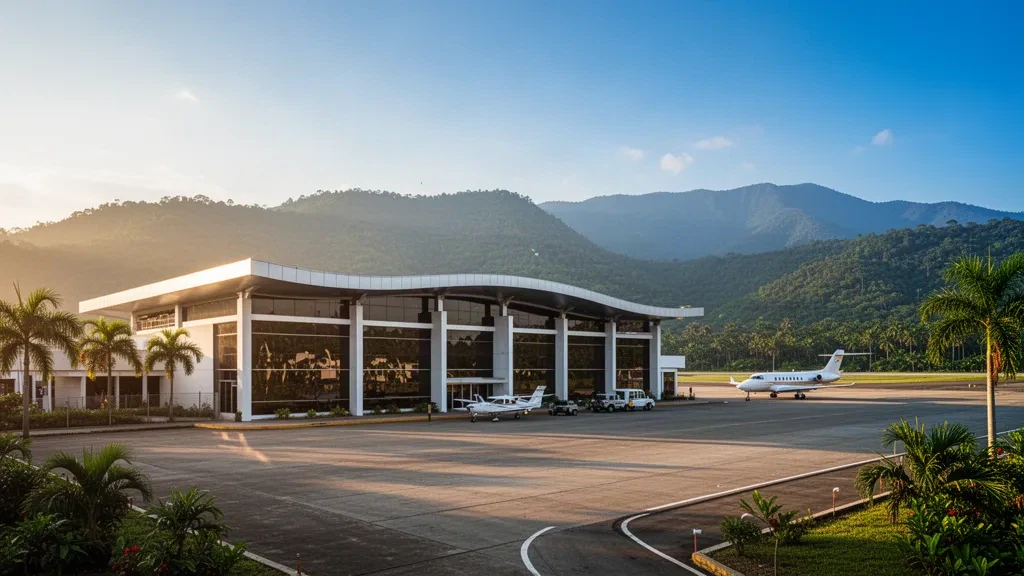
For travellers, the city works both as a base and a starting point: it is the gateway to the country's beaches, volcanoes and coffee regions, and it sits around 40 kilometres from El Salvador International Airport.
San Salvador Travel Guide
Best Time to Visit
San Salvador is enjoyable year-round thanks to its mild highland climate, but the dry season from November to April is the most comfortable period for walking and day trips. Early August brings the city's patron-saint celebrations with parades and cultural events, while the May-to-October rainy season usually brings afternoon showers.
How to Get Around
Public transport in San Salvador relies on buses and microbuses, with the SITRAMSS bus corridor serving key routes across the metropolitan area. Registered taxis and ride-hailing apps are common choices, and visitors can also rent a car or book a private driver for easier travel between districts and nearby sights.
Where to Stay
Zona Rosa, Colonia Escalón and San Benito are popular bases with hotels, restaurants, cafés and nightlife close to museums and malls. The Centro Histórico suits travellers interested in colonial landmarks and culture, while areas near the financial district work well for business visitors.
Food & Drink
San Salvador's food scene revolves around pupusas served with curtido, along with yuca frita, tamales, fresh juices and local coffee. Try traditional comedores and the Mercado Central for everyday dishes, while Zona Rosa and San Benito offer everything from cafés to contemporary and international restaurants.
Ground Transportation Services in San Salvador
Airport Transfers
Travel between El Salvador International Airport (SAL) and hotels, business districts and other destinations across San Salvador and the surrounding area.
Hourly Chauffeur
Book a private chauffeur by the hour for business meetings, events, sightseeing and flexible travel around San Salvador and nearby sites such as El Boquerón or Joya de Cerén.
Car Rental
Rent a car in San Salvador for independent travel around the city and convenient day trips to beaches, volcanoes and coffee towns outside the capital.
Bus & Group Transfers
Arrange minibuses or charter buses for groups, corporate travel, events, airport transfers and sightseeing tours in San Salvador and the wider metropolitan area.
Frequently Asked Questions
Related Cities in El Salvador
View all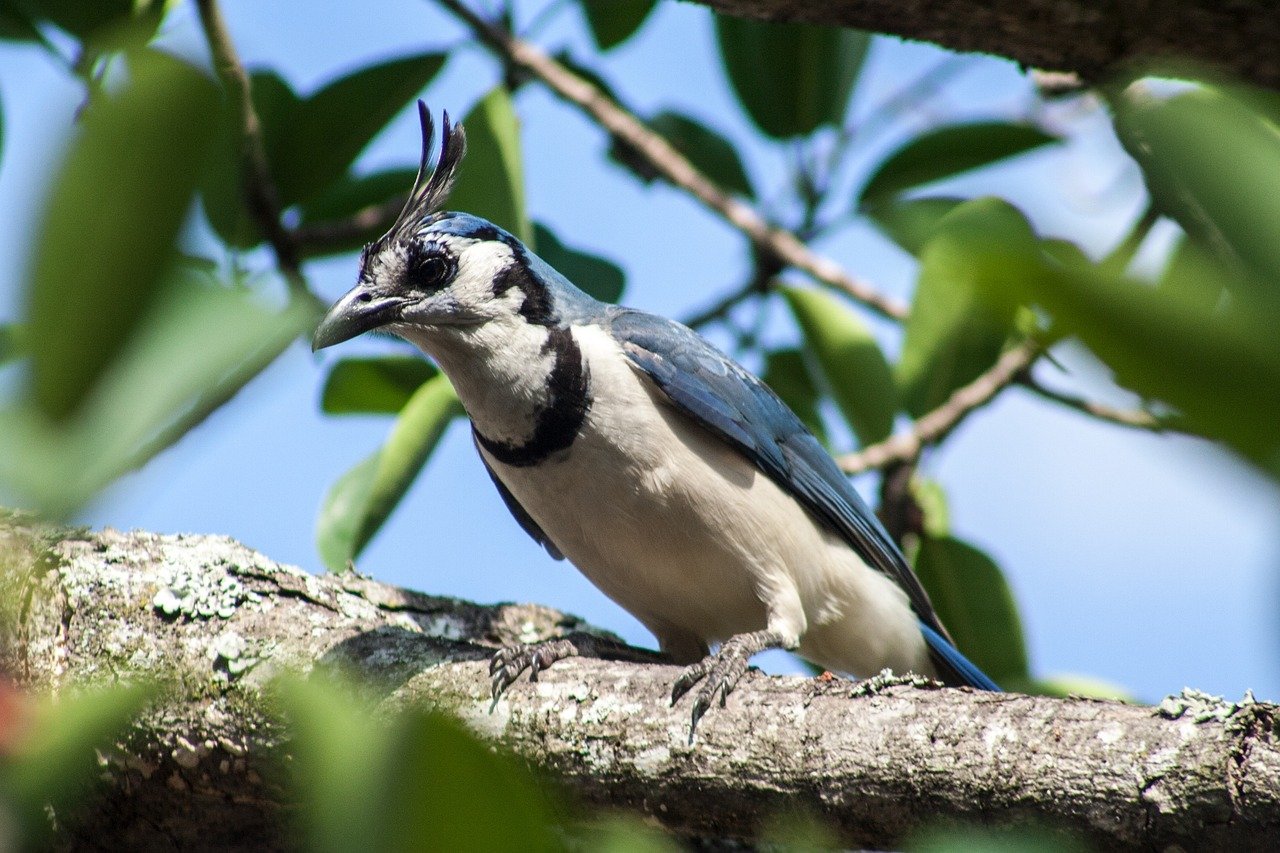
Usulután
Usulután, capital of its namesake department in eastern El Salvador, blends a busy market-town atmosphere with a historic center and proximity to volcanic landscapes. It offers travelers a genuine taste of local life and a practical base for exploring the surrounding region.
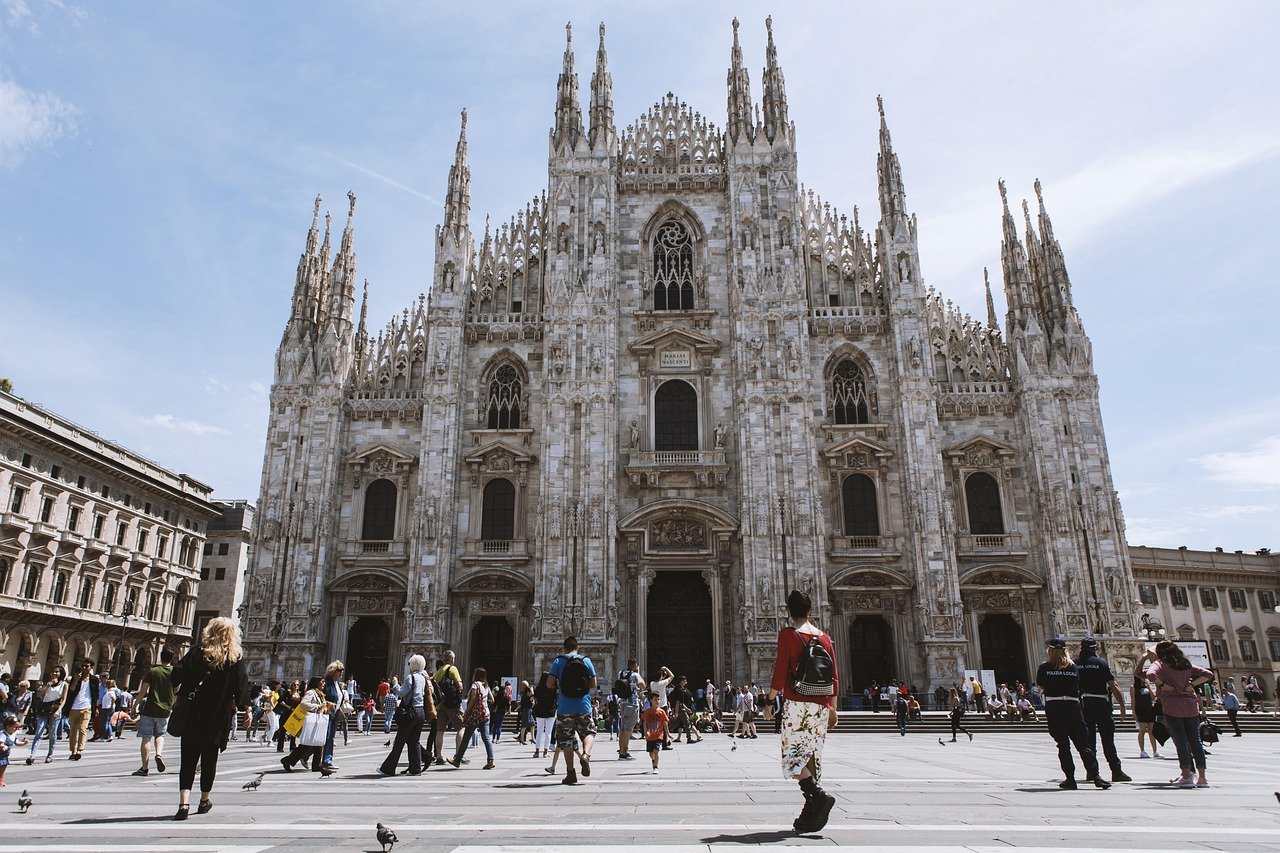
Sonsonate
Sonsonate pairs colonial architecture and indigenous heritage with the energy of a busy commercial hub. Its central plaza, cathedral and nearby volcanoes make it a compelling stop in western El Salvador.
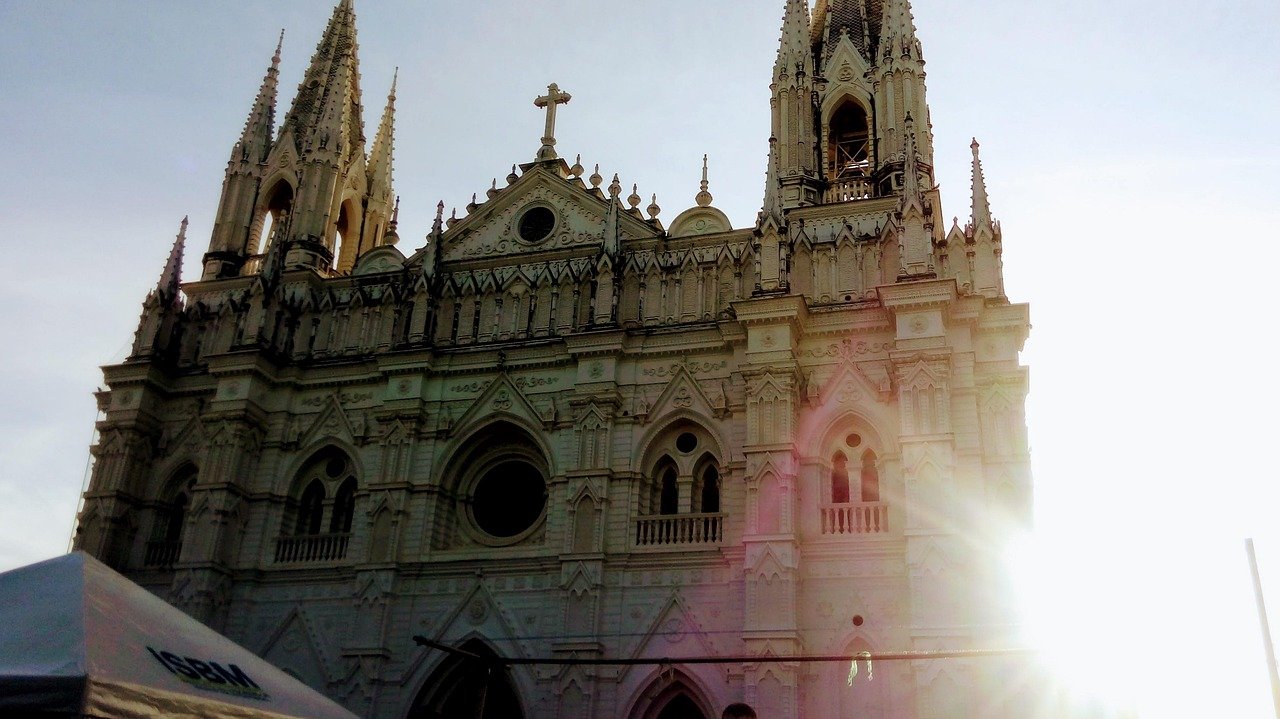
Santa Ana
Santa Ana, El Salvador's second-largest city, blends colonial architecture and lively traditions with the coffee farms and volcanic landscapes that surround it.