Santa Ana
Santa Ana, El Salvador's second-largest city, blends colonial architecture and lively traditions with the coffee farms and volcanic landscapes that surround it.
Passengers
Luggage
About Santa Ana
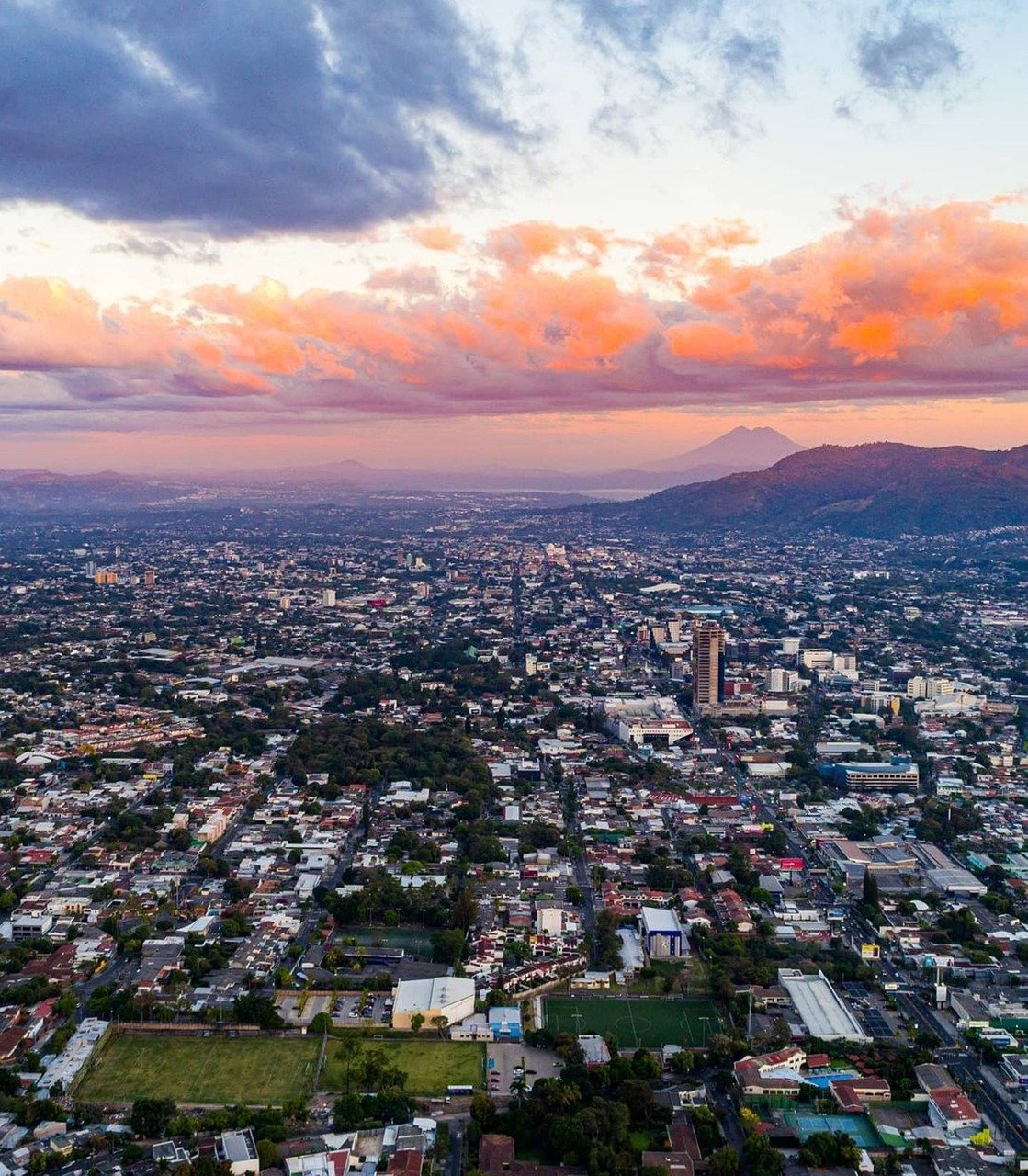
Santa Ana is El Salvador's second-largest city and the capital of the department of the same name, located in the fertile western highlands about 65 km from San Salvador. Known as the 'Heroic City' and 'La Ciudad Morena', it grew into a prosperous commercial centre during El Salvador's late 19th- and early 20th-century coffee boom.
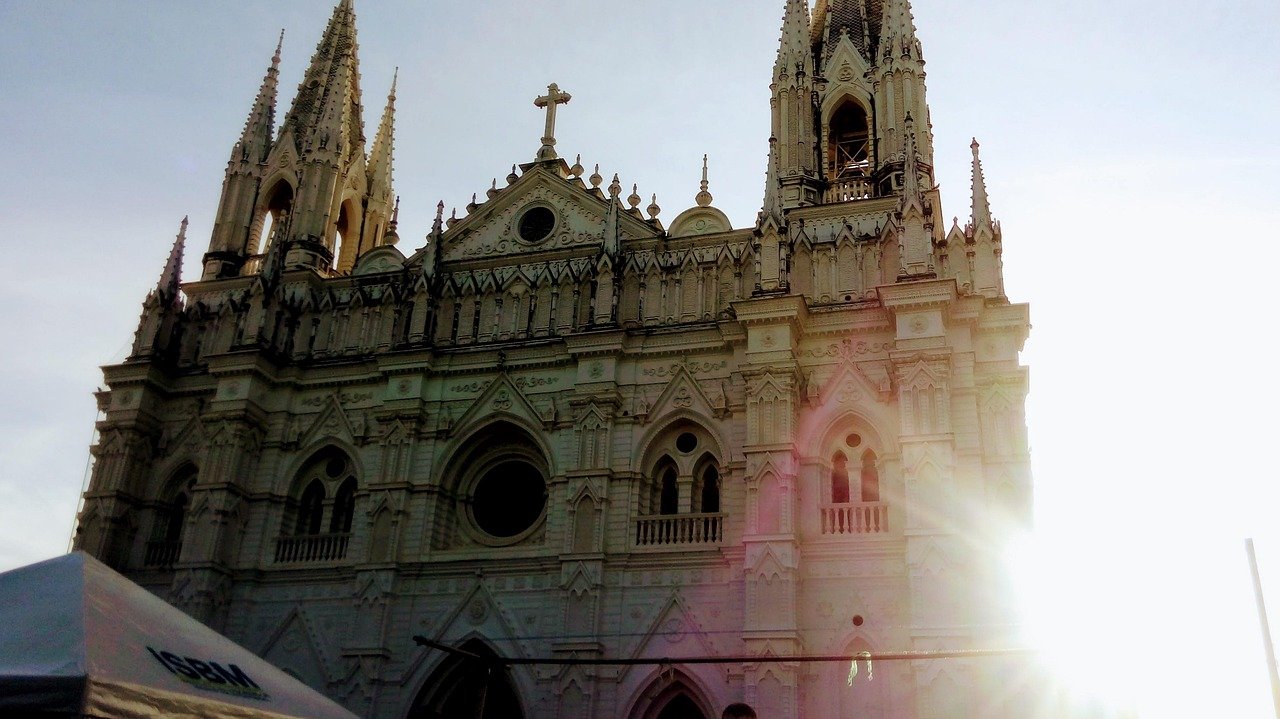
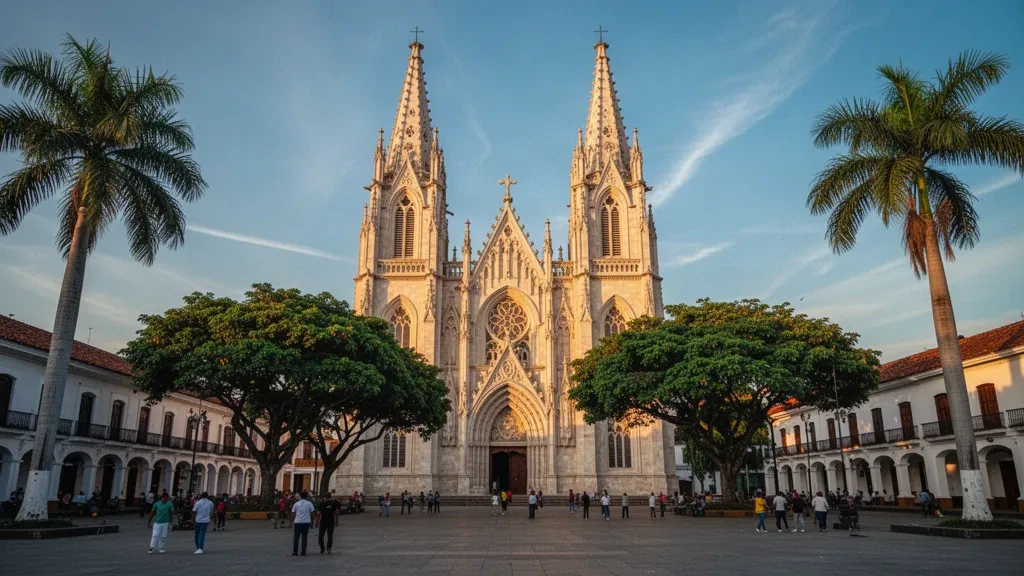
Founded in 1569 on an earlier Indigenous settlement, Santa Ana retains a strong sense of its colonial and coffee-era past. Its most distinctive landmark is the neo-Gothic Catedral de Nuestra Señora Santa Ana, a white-facade church rising above Parque Libertad, alongside the ornate Teatro de Santa Ana and the Palacio Municipal.
The compact historic centre is easy to explore on foot, with cafés, markets and the Museo Regional de Occidente reflecting the city's western Salvadoran identity. Nearby, travellers can climb Santa Ana Volcano (Ilamatepec), visit the crater lake of Coatepeque, walk the cloud-forest trails of Cerro Verde or see the Maya ruins of Tazumal in Chalchuapa.
Today Santa Ana blends trade, agriculture and education with a growing visitor economy. Its July Fiestas Julias celebrations, traditional pupuserías, coffee culture and street-food scene give the city a lively local character, while its position makes it a practical gateway to the Ruta de las Flores and the west.
For both leisure and business travellers, Santa Ana offers an authentic Salvadoran base away from the capital: colonial architecture, nearby volcanoes and lakes, and convenient links to the region's coffee towns, archaeological sites and western commercial routes.
Santa Ana Travel Guide
Best Time to Visit
The dry season from November to April offers the most reliable weather for volcano hikes, lakes and outdoor sightseeing, with December to February generally sunny and comfortable. The May-to-October green season brings afternoon rain and lush landscapes, while July adds the Fiestas Julias celebrations.
How to Get Around
Santa Ana's historic centre is compact and walkable, and local buses, taxis and moto-taxis serve the wider city. A rental car or private driver is useful for reaching Santa Ana Volcano, Cerro Verde, Lake Coatepeque and nearby attractions.
Where to Stay
The area around Parque Libertad and the historic centre has hotels, guesthouses and hostels convenient for sightseeing, restaurants and transport. Travellers focused on nature can also stay in lodges near Cerro Verde or Lake Coatepeque.
Food & Drink
Santa Ana is known for pupusas, Salvadoran coffee, tamales and market snacks, with simple comedores, cafés and restaurants around the centre. Mercado Central and surrounding streets offer an easy introduction to western Salvadoran flavours.
Ground Transportation Services in Santa Ana
Airport Transfers
Travel between El Salvador International Airport and hotels, the historic centre, Lake Coatepeque and other destinations in and around Santa Ana.
Hourly Chauffeur
Book a private chauffeur by the hour for business meetings, city sightseeing, volcano and lake excursions, or flexible travel around Santa Ana.
Car Rental
Rent a car in Santa Ana for independent trips to Santa Ana Volcano, Cerro Verde, Lake Coatepeque, Tazumal and the Ruta de las Flores.
Bus & Group Transfers
Arrange minibuses or charter buses for groups travelling to volcano tours, events, conferences, airport transfers and other journeys in the Santa Ana area.
Frequently Asked Questions
Related Cities in El Salvador
View all
Usulután
Usulután, capital of its namesake department in eastern El Salvador, blends a busy market-town atmosphere with a historic center and proximity to volcanic landscapes. It offers travelers a genuine taste of local life and a practical base for exploring the surrounding region.
Sonsonate
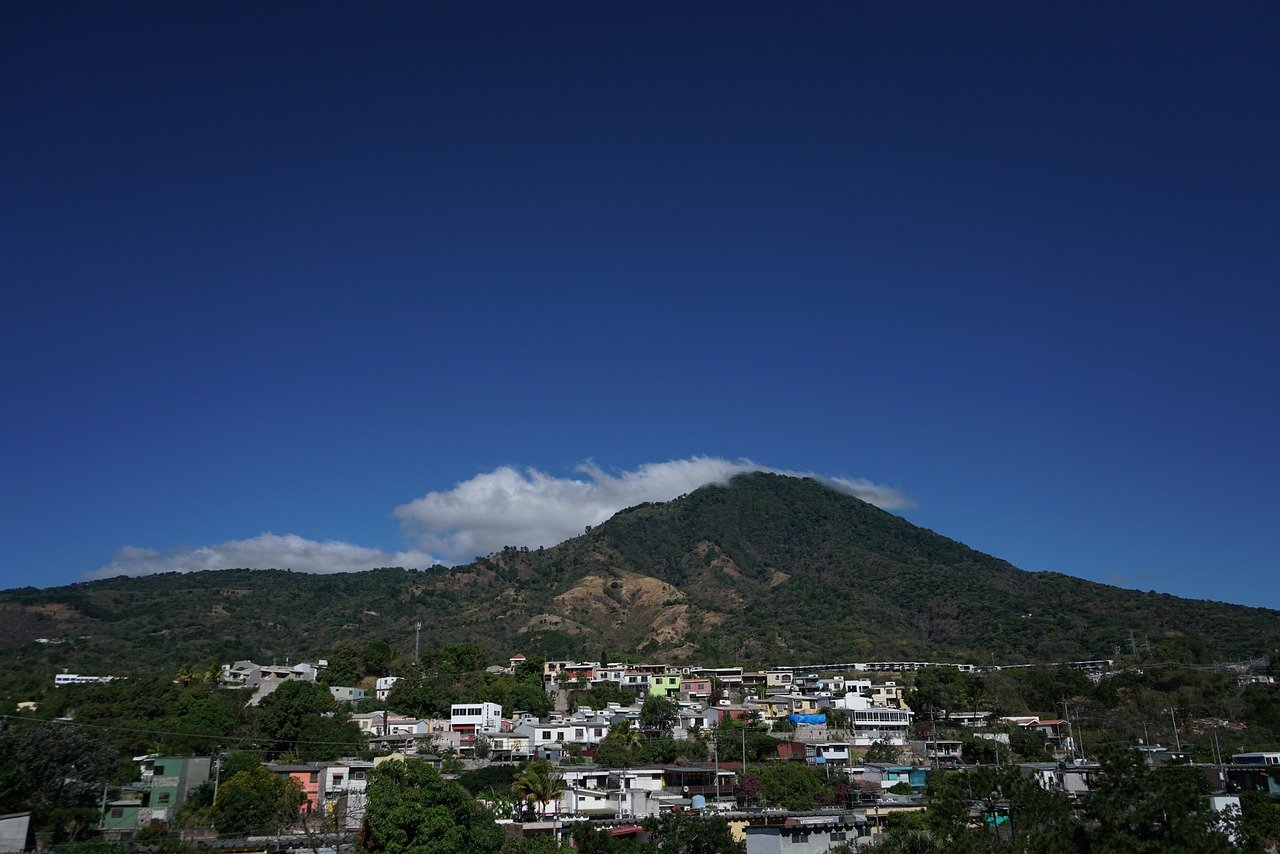
Sonsonate pairs colonial architecture and indigenous heritage with the energy of a busy commercial hub. Its central plaza, cathedral and nearby volcanoes make it a compelling stop in western El Salvador.
San Vicente
San Vicente, a historic city in central El Salvador, blends colonial architecture and a lively market atmosphere beneath the slopes of the San Vicente volcano. Its central plaza, parish church and local festivals offer a genuine taste of everyday Salvadoran life.