Split
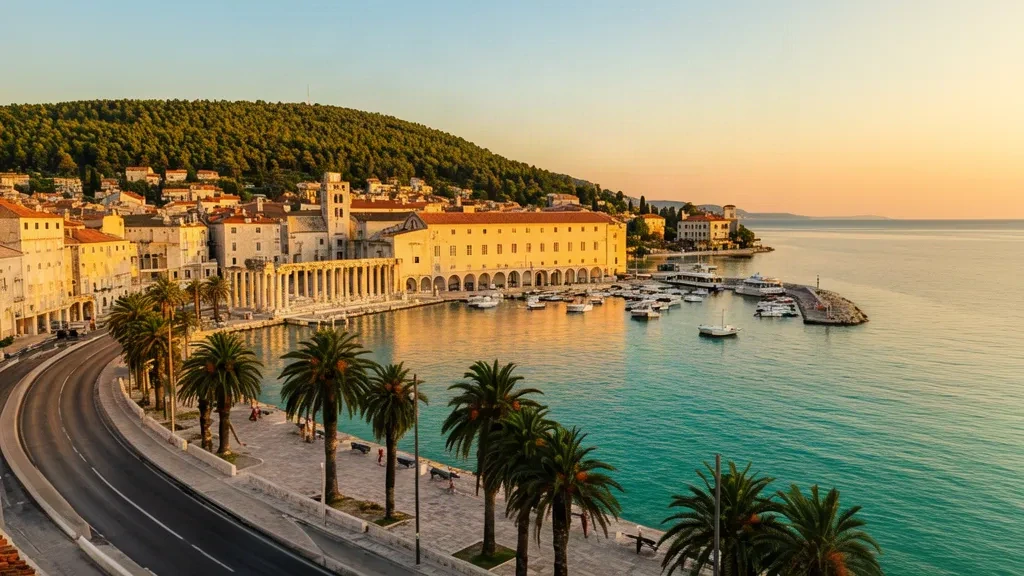
Split, Croatia's second-largest city, pairs the ancient streets of Diocletian's Palace with a lively Adriatic waterfront and a modern business and cultural scene.
Passengers
Luggage
About Split-Dalmatia
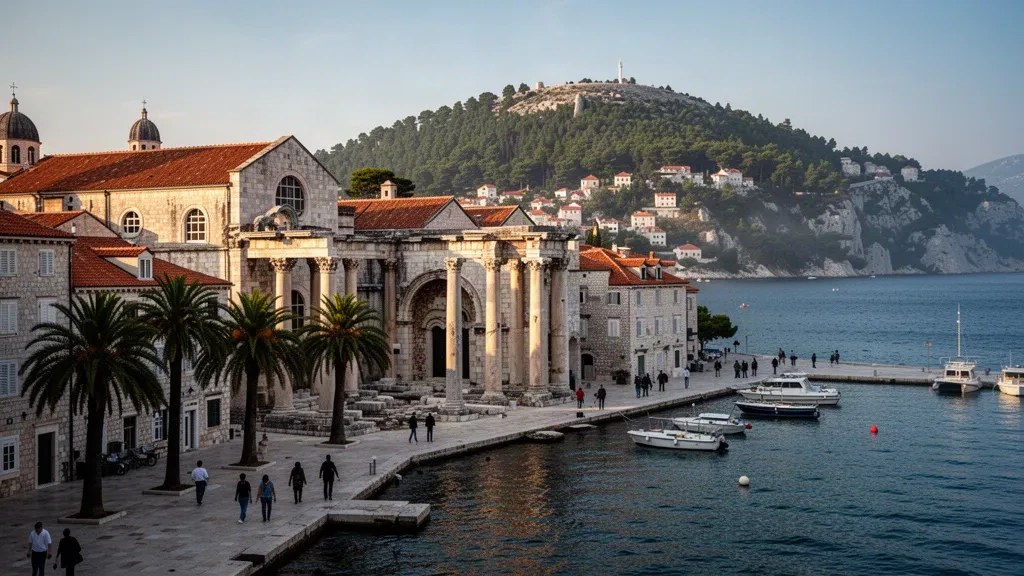
Split is Croatia's second-largest city and the main urban centre of Dalmatia, shaped by more than 1,700 years of history along the Adriatic coast. Its historic core grew inside Diocletian's Palace, a vast Roman residence built at the turn of the 4th century that is now a UNESCO World Heritage site.
The palace still functions as a lived-in neighbourhood, with narrow lanes, courtyards, cafés and shops set among ancient walls. The Cathedral of Saint Domnius, originally the emperor's mausoleum, the Peristyle courtyard and the Golden Gate are among the most recognisable landmarks, while Marjan Hill rises as a pine-covered park above the city.
Beyond the old town, the Riva waterfront promenade is the social heart of Split, and the sandy Bačvice beach draws swimmers and locals playing picigin. Neighbourhoods such as stone-house Varoš, leafy Meje and the modern coastal districts around Žnjan and Trstenik give the city a variety of atmospheres.
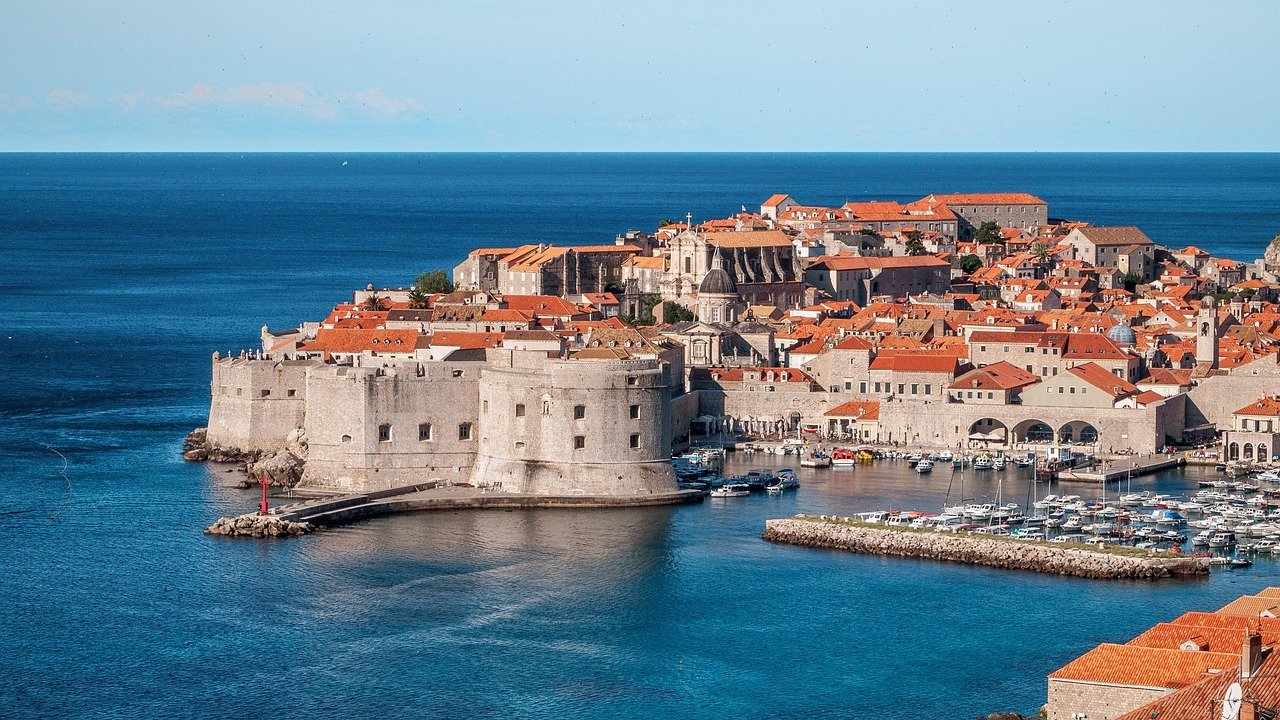
Split is also a major transport gateway: its ferry port connects mainland Croatia to Brač, Hvar, Vis and other islands, and the city supports tourism, trade, shipbuilding and services. Dalmatian food, the Green Market and a strong café culture are central to daily life.
For travellers, Split works equally well as a base for island hopping and coastal day trips and as a destination for history, food, events and business. Its compact centre is easy to explore on foot, while its airport, port and road links make it a practical hub for the wider region.
Split-Dalmatia Travel Guide
Best Time to Visit
Late spring and early autumn bring warm, pleasant weather with fewer crowds than the summer peak. July and August are liveliest, with swimming, festivals and ferry services at full strength, while winter is mild and much quieter.
How to Get Around
The historic centre is compact and best explored on foot. Promet city buses cover wider districts, taxis and ride-hailing apps are widely available, and ferries and catamarans run from the port to nearby islands.
Where to Stay
Staying in or near Diocletian's Palace puts the main sights and the Riva within walking distance. Varoš and Bačvice offer quieter, local-feeling stays near the beach, while districts such as Žnjan have larger hotels and modern apartments.
Food & Drink
Dalmatian cooking centres on fresh seafood, olive oil, prosciutto and dishes such as pašticada and peka, often paired with local wines. The Green Market, waterfront cafés and traditional konobas offer a wide range of places to eat and drink.
Ground Transportation Services in Split-Dalmatia
Airport Transfers
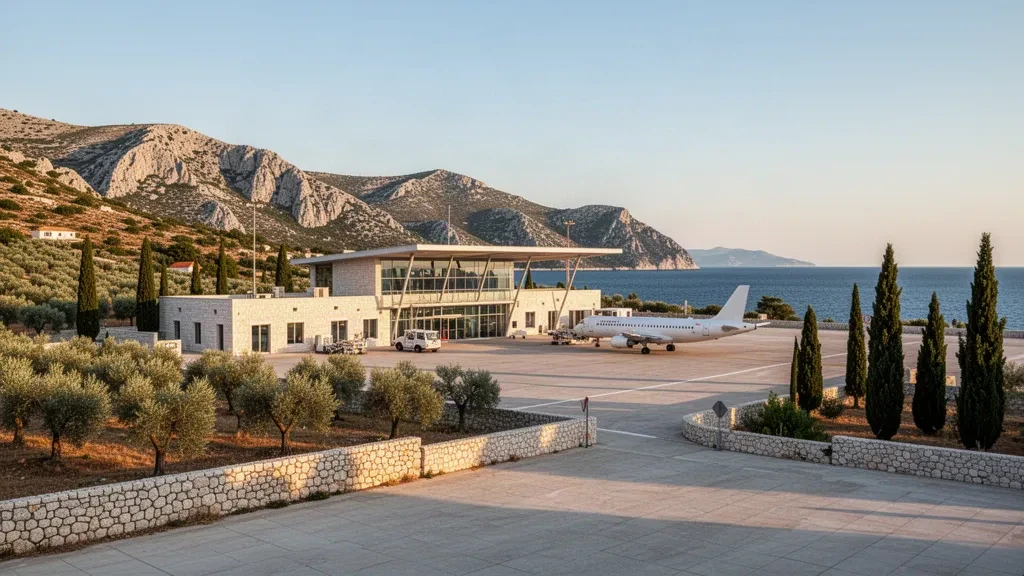
Travel between Split Airport (SPU) and hotels, the historic centre, the ferry port and other destinations across Split and the surrounding coast.
Hourly Chauffeur
Book a private chauffeur by the hour for business meetings, events, sightseeing and flexible travel around Split and Dalmatia.
Car Rental
Rent a car in Split for independent travel along the Adriatic coast and convenient day trips to Trogir, Šibenik or the Makarska Riviera.
Bus & Group Transfers
Arrange minibuses or charter buses for groups, corporate travel, events, airport transfers and organised tours in Split and the wider region.
Frequently Asked Questions
Related Cities in Croatia
View all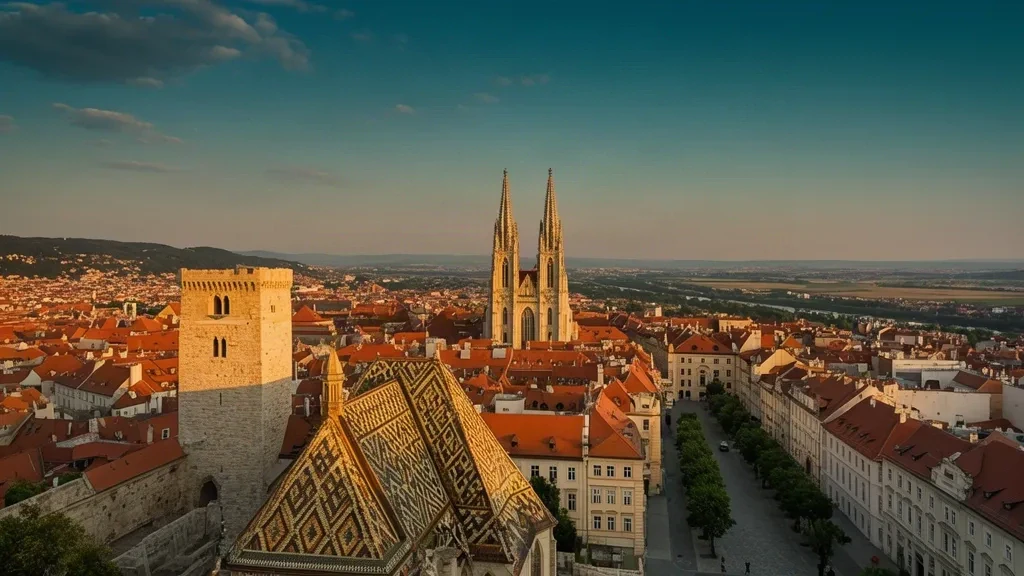
Zagreb
Zagreb, Croatia's capital, mixes Austro-Hungarian architecture and a lively cafe culture with green parks, historic Upper Town lanes and a busy calendar of festivals and business events.
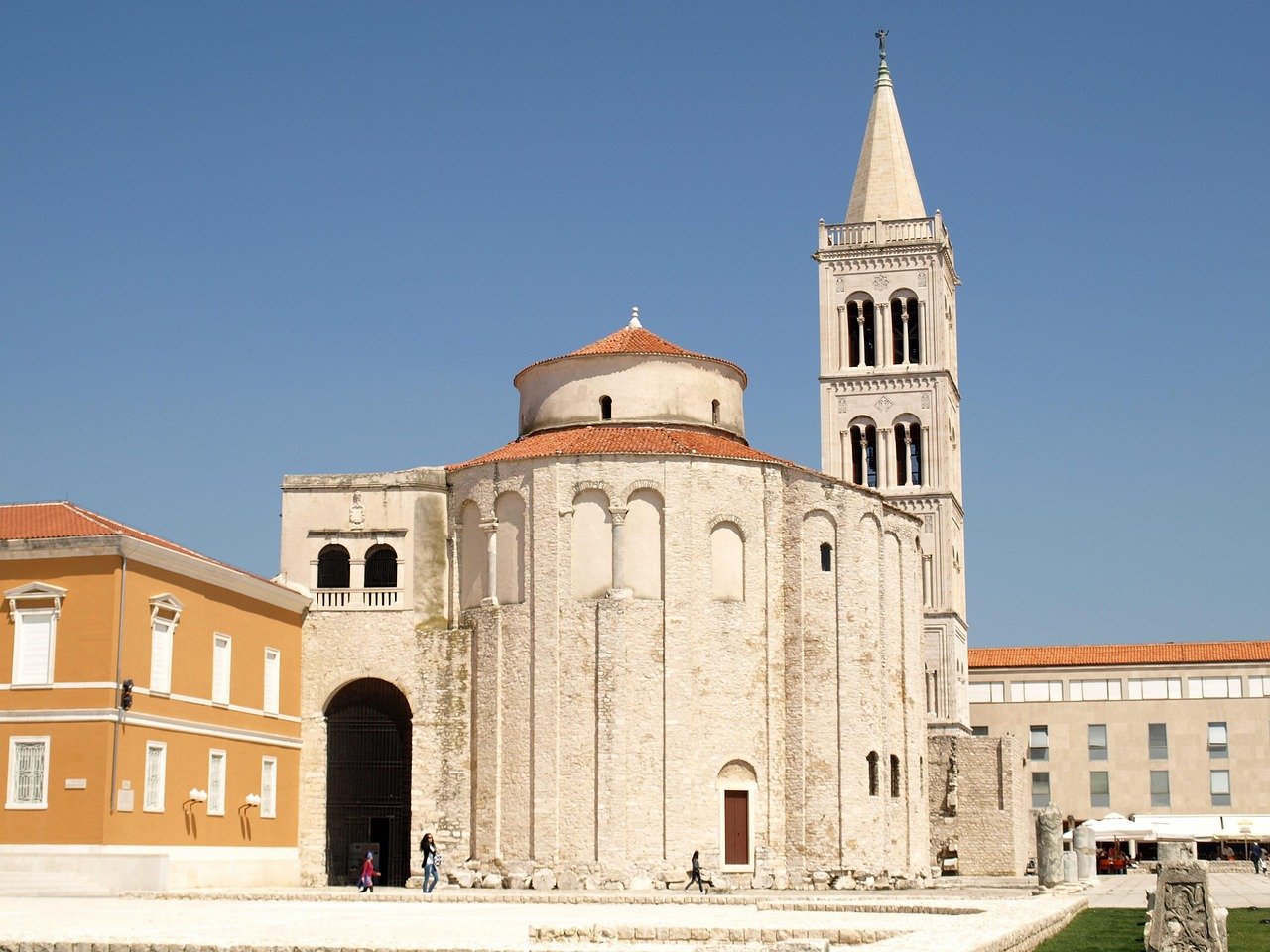
Zadar
Zadar, a historic port on Croatia's Dalmatian coast, pairs Roman ruins and Venetian walls with a relaxed Adriatic atmosphere, waterfront cafés and easy access to nearby islands and national parks.

Vukovar
Vukovar, a historic Danube port in eastern Croatia, bears visible traces of its turbulent past alongside elegant baroque buildings, riverside promenades and a resilient cultural life.