Zadar
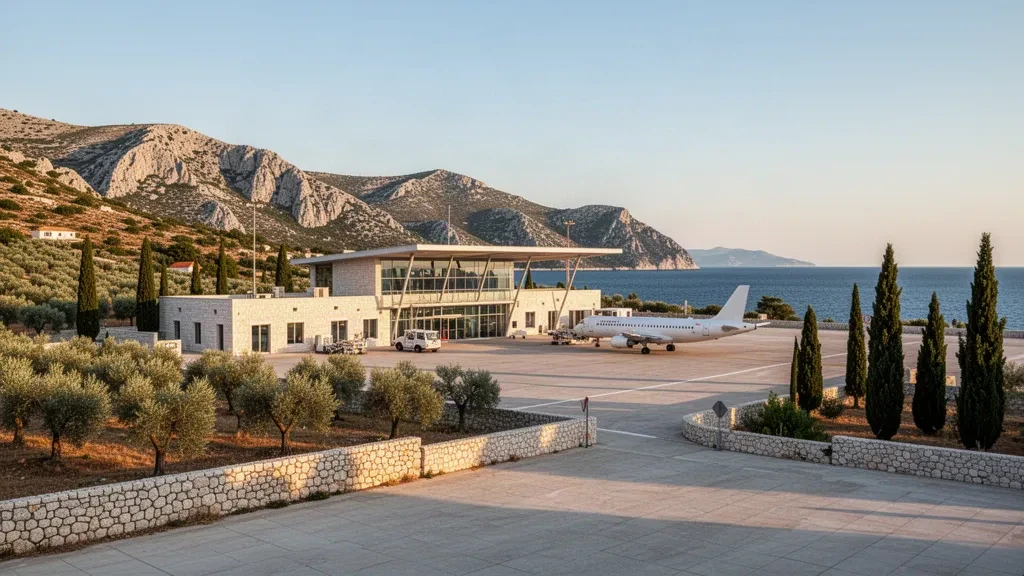
Zadar, a historic port on Croatia's Dalmatian coast, pairs Roman ruins and Venetian walls with a relaxed Adriatic atmosphere, waterfront cafés and easy access to nearby islands and national parks.
Passengers
Luggage
About Zadar
Zadar is a historic coastal city on Croatia's Dalmatian coast, set on a compact peninsula beside the Adriatic Sea. Known for its well-preserved Roman and medieval heritage, lively old town and striking waterfront installations, it combines ancient streets with an easygoing Mediterranean atmosphere.
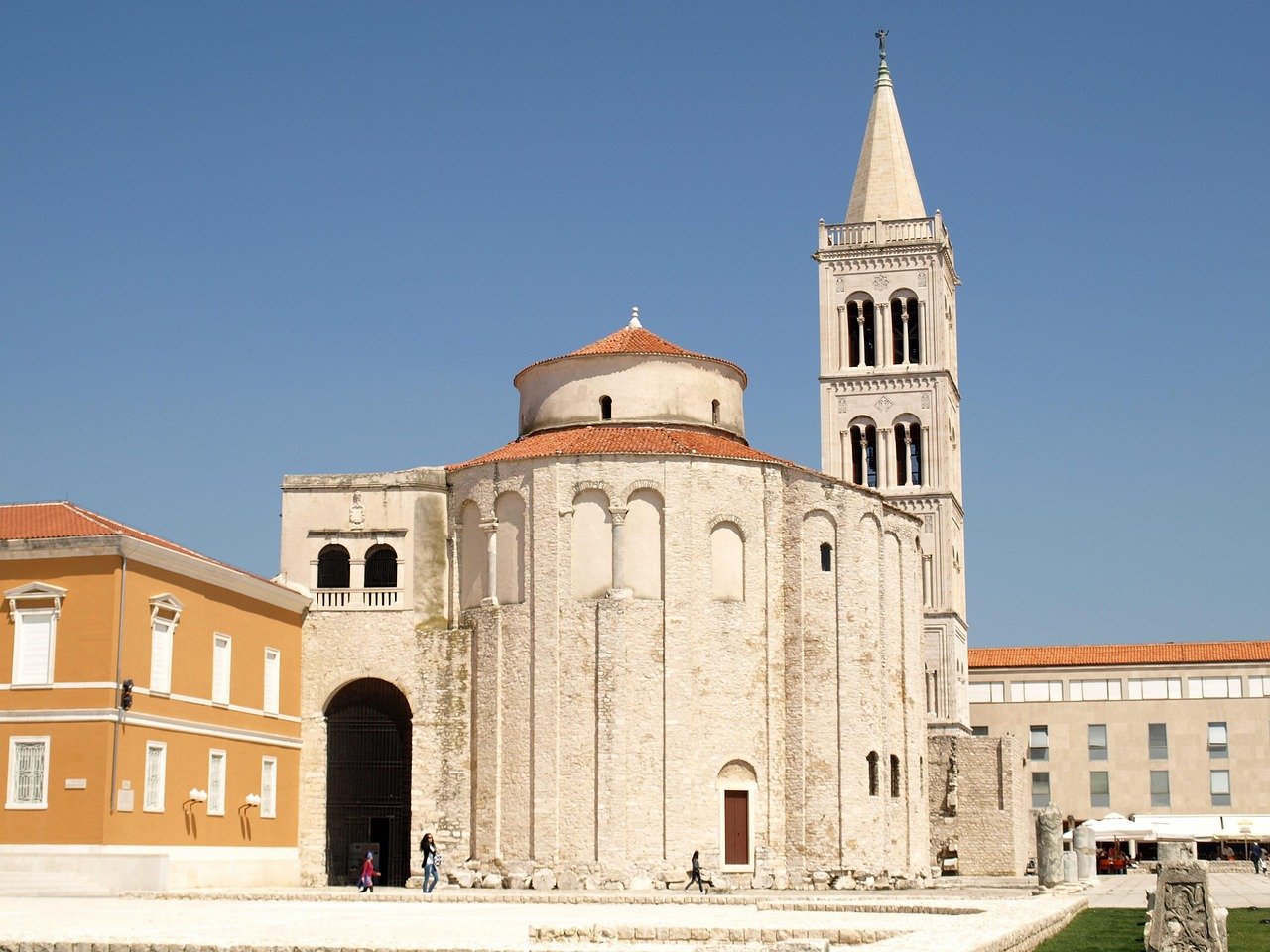
The city's past is visible throughout the Old Town, from the Roman Forum and the circular ninth-century Church of St. Donatus to the Cathedral of St. Anastasia, city walls and the Land Gate. Narrow stone lanes, small squares and historic churches give Zadar a layered, walkable character shaped by Roman, Venetian and Croatian influences.
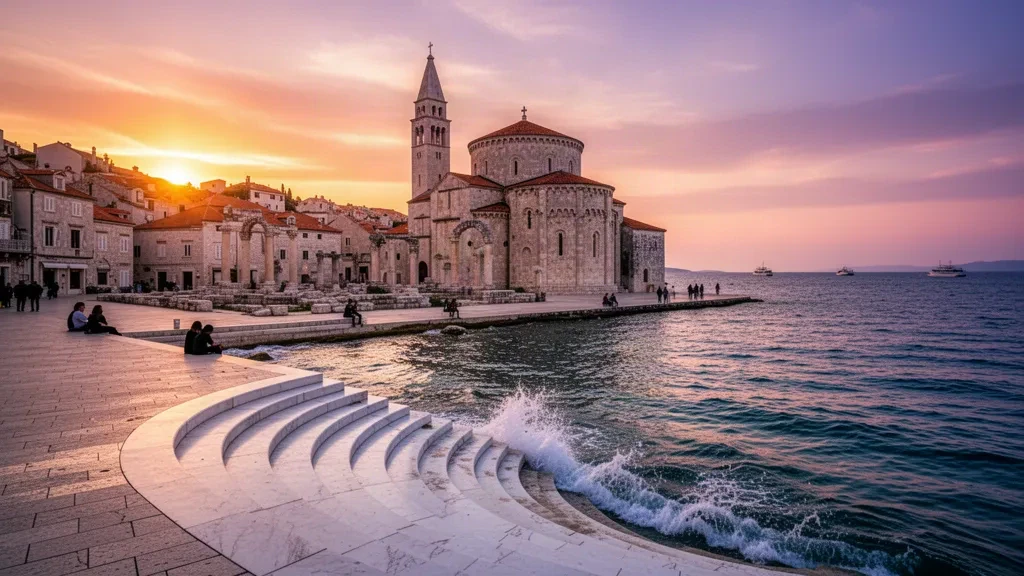
Zadar is most famous for its seafront Riva promenade, where the Sea Organ turns waves into sound and the Greeting to the Sun creates a light display at sunset. Visitors also explore the local market, climb the bell tower for views, and use the city as a gateway to islands such as Ugljan, Dugi Otok and the Kornati archipelago.
Neighbourhoods such as Varoš, Brodarica and Arbanasi offer residential charm and a quieter pace outside the Old Town, while Borik is known for its beaches and hotels. The food scene centres on fresh seafood, Dalmatian specialties and the local Maraschino liqueur, served in konoba taverns and harbourside restaurants.
As the administrative and cultural centre of Zadar County, the city also attracts business and event travellers, with conference facilities, a university and growing international connections. Leisure visitors, business guests and groups all find Zadar a practical and distinctive base for exploring the northern Dalmatian coast.
Zadar Travel Guide
Best Time to Visit
Late spring and early autumn are ideal for pleasant weather, fewer crowds and comfortable sightseeing. July and August bring warm seas and a lively summer atmosphere, while winter is quieter and better suited to exploring the Old Town and museums.
How to Get Around
Zadar's Old Town is compact and best explored on foot. Local buses, taxis and rental cars cover the wider city and coastline, while ferries from the port connect Zadar with nearby islands.
Where to Stay
Staying in or near the Old Town puts major landmarks, the Riva and restaurants within easy walking distance. Borik suits beach-focused visitors, while Brodarica and Arbanasi offer quieter coastal neighbourhoods with good access to the centre.
Food & Drink
Zadar's dining ranges from fresh Adriatic seafood and Dalmatian dishes to local markets and traditional konoba taverns. Try regional specialties, local olive oil and the city's famous Maraschino liqueur alongside cafés and harbourside restaurants.
Ground Transportation Services in Zadar
Airport Transfers
Travel between Zadar Airport and hotels, the Old Town, coastal resorts, business venues and other destinations across the Zadar area.
Hourly Chauffeur
Book a private chauffeur by the hour for sightseeing, business meetings, events and flexible travel around Zadar and the Dalmatian coast.
Car Rental
Rent a car in Zadar for independent travel around the city and convenient journeys to nearby islands, national parks and coastal towns.
Bus & Group Transfers
Arrange minibuses or charter buses for groups, corporate travel, events, airport transfers, tours and excursions in and around Zadar.
Frequently Asked Questions
Related Cities in Croatia
View all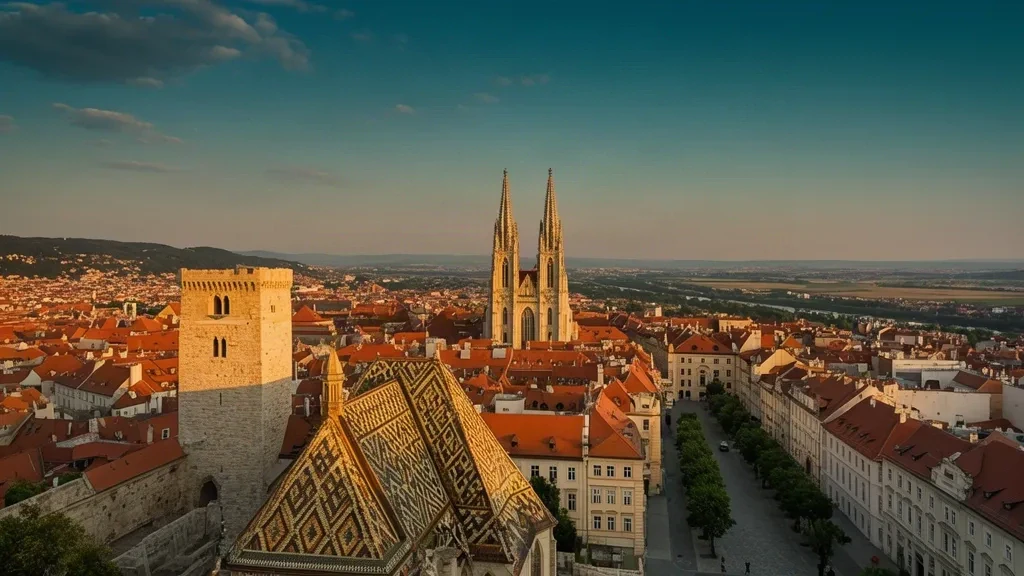
Zagreb
Zagreb, Croatia's capital, mixes Austro-Hungarian architecture and a lively cafe culture with green parks, historic Upper Town lanes and a busy calendar of festivals and business events.
Vukovar
Vukovar, a historic Danube port in eastern Croatia, bears visible traces of its turbulent past alongside elegant baroque buildings, riverside promenades and a resilient cultural life.
Virovitica
Virovitica, a town in Croatia's Slavonia region, combines historic architecture and green public spaces with a calm local rhythm.