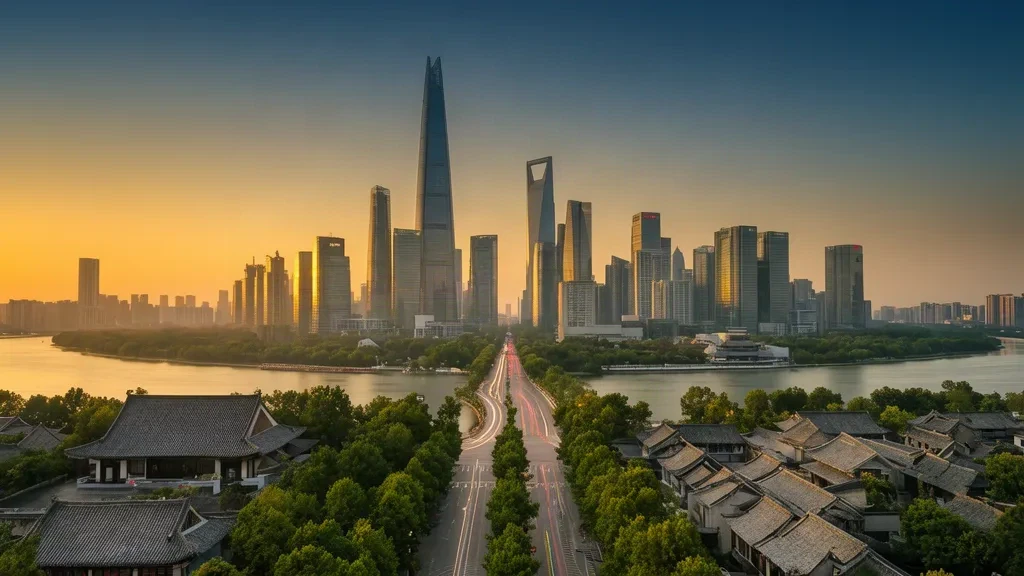
Beijing
Beijing, China's capital, pairs imperial history and monumental architecture with fast-paced modern life, from the Forbidden City to lively hutong districts and a thriving business scene.
Passengers
Luggage
About Beijing
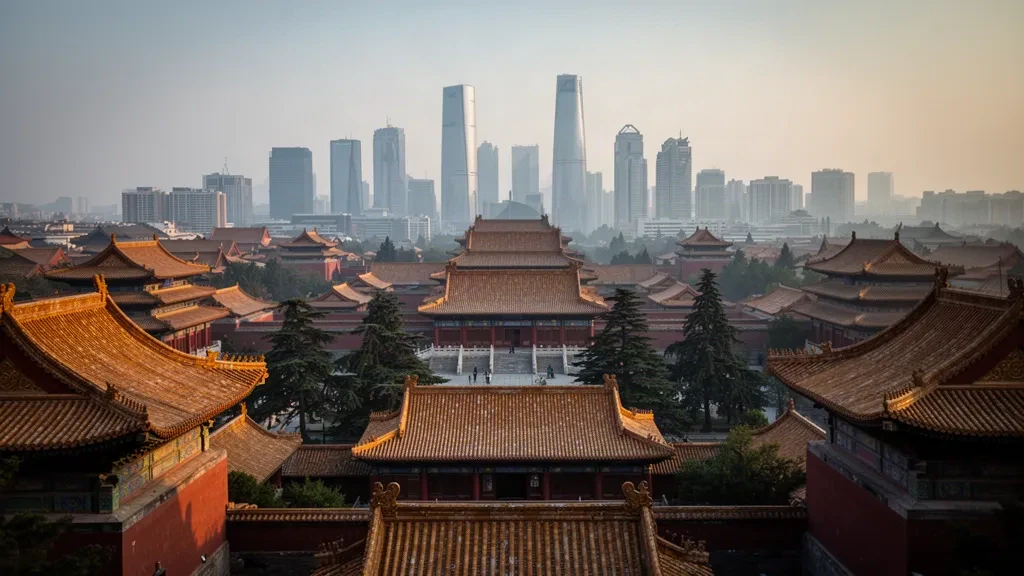
Beijing is China's capital and one of the world's great historic cities, where imperial palaces, ancient temples and traditional hutongs sit alongside modern skyscrapers, Olympic venues and a fast-moving technology scene. The Forbidden City, Temple of Heaven and nearby sections of the Great Wall make it a major destination for culture and history.
For centuries Beijing has served as an imperial and political centre, and its past remains visible across the old city, from the Ming and Qing architecture of the Forbidden City to narrow hutong neighbourhoods, lakes and restored gates. Modern landmarks such as the National Centre for the Performing Arts, CCTV headquarters and the 2008 Olympic sites reflect the city's ongoing transformation.
Districts each have a distinct character: Dongcheng and Xicheng hold many historic sights and hutong lanes, Chaoyang is known for its embassies, business districts, shopping and nightlife, and Haidian is home to universities and technology companies such as those around Zhongguancun.
Beijing is also an important hub for government, business, conferences and international events, with a strong food culture built around Peking duck, dumplings, noodles and regional Chinese cuisines. Its markets, teahouses, arts venues and seasonal festivals add to a varied urban experience.
For both leisure and business travellers, Beijing offers a broad mix of imperial heritage, contemporary culture, and modern transport connections across one of Asia's most influential cities.
Beijing Travel Guide
Best Time to Visit
Spring (April to May) and autumn (September to October) offer mild, generally clear weather and are ideal for the Great Wall, parks and historic sights. Summer is hot and humid, while winter is cold but quieter and can be atmospheric around the Forbidden City and temple areas.
How to Get Around
Beijing has one of the world's largest subway networks, supported by buses, taxis, ride-hailing apps and shared bikes. The subway is efficient for central sights, while taxis and private drivers are useful for longer trips to the Great Wall or airports.
Where to Stay
Dongcheng and Xicheng put visitors close to the Forbidden City, Tiananmen and hutongs, while Chaoyang suits business travellers with the CBD, Sanlitun nightlife and international dining. Wangfujing is convenient for shopping and major sights.
Food & Drink
Beijing's food scene ranges from Peking duck and dumplings to hotpot, noodles and regional Chinese restaurants. Try local markets, hutong eateries, teahouses and late-night dining areas such as Ghost Street (Gui Jie) and Sanlitun.
Ground Transportation Services in Beijing
Airport Transfers
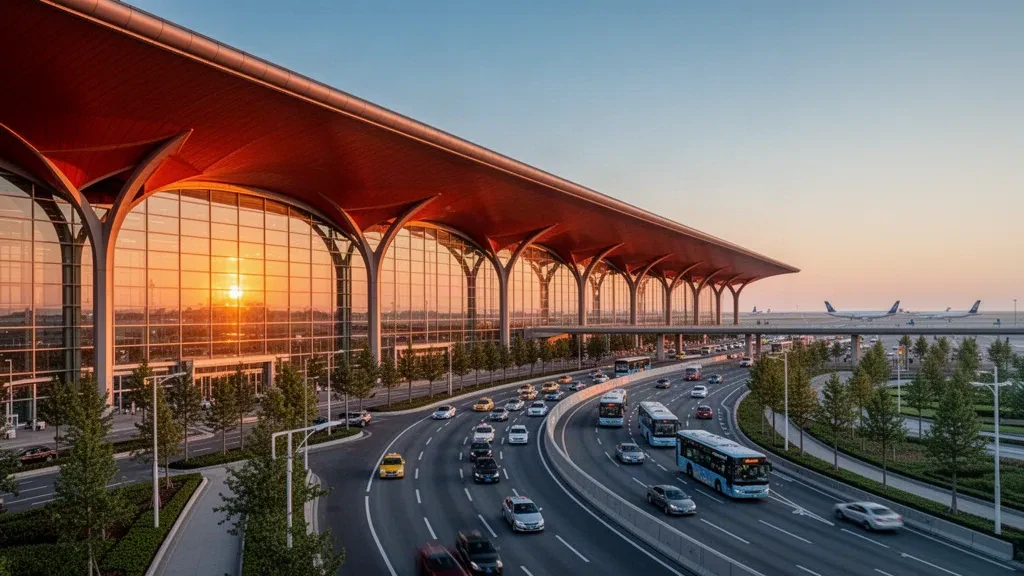
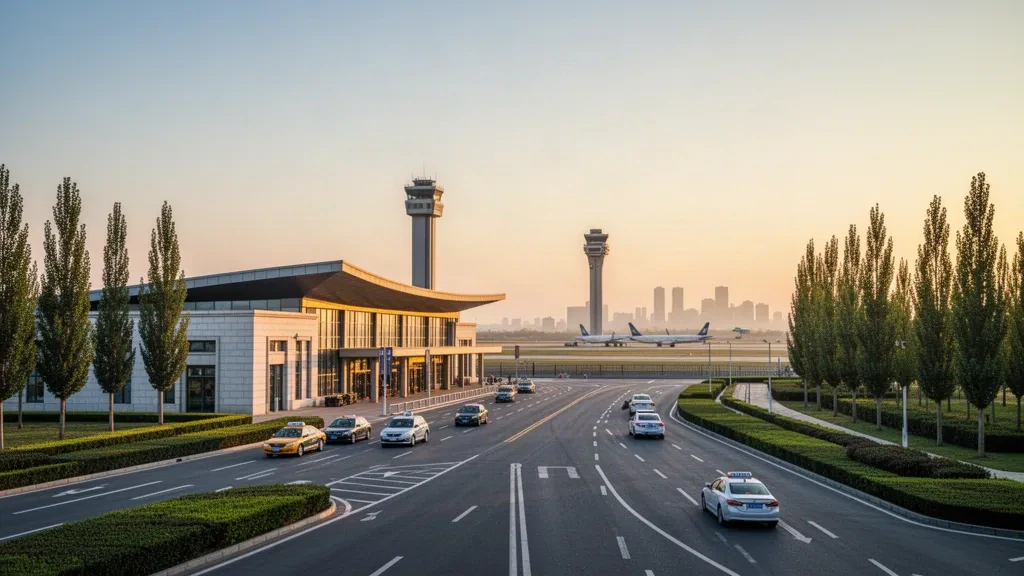
Travel between Beijing Capital International Airport (PEK) or Daxing International Airport (PKX) and hotels, the CBD, business districts, event venues and other destinations across the city.
Hourly Chauffeur
Book a private chauffeur by the hour for business meetings, events, sightseeing, shopping and flexible travel around Beijing, including trips to the Great Wall.
Car Rental
Rent a car in Beijing for independent travel around the city and convenient journeys to nearby destinations such as Mutianyu Great Wall and Chengde.
Bus & Group Transfers
Arrange minibuses or charter buses for groups, corporate travel, events, airport transfers, tours and excursions to the Great Wall and other nearby sites.
Airports in Beijing
Frequently Asked Questions
Related Cities in China
View all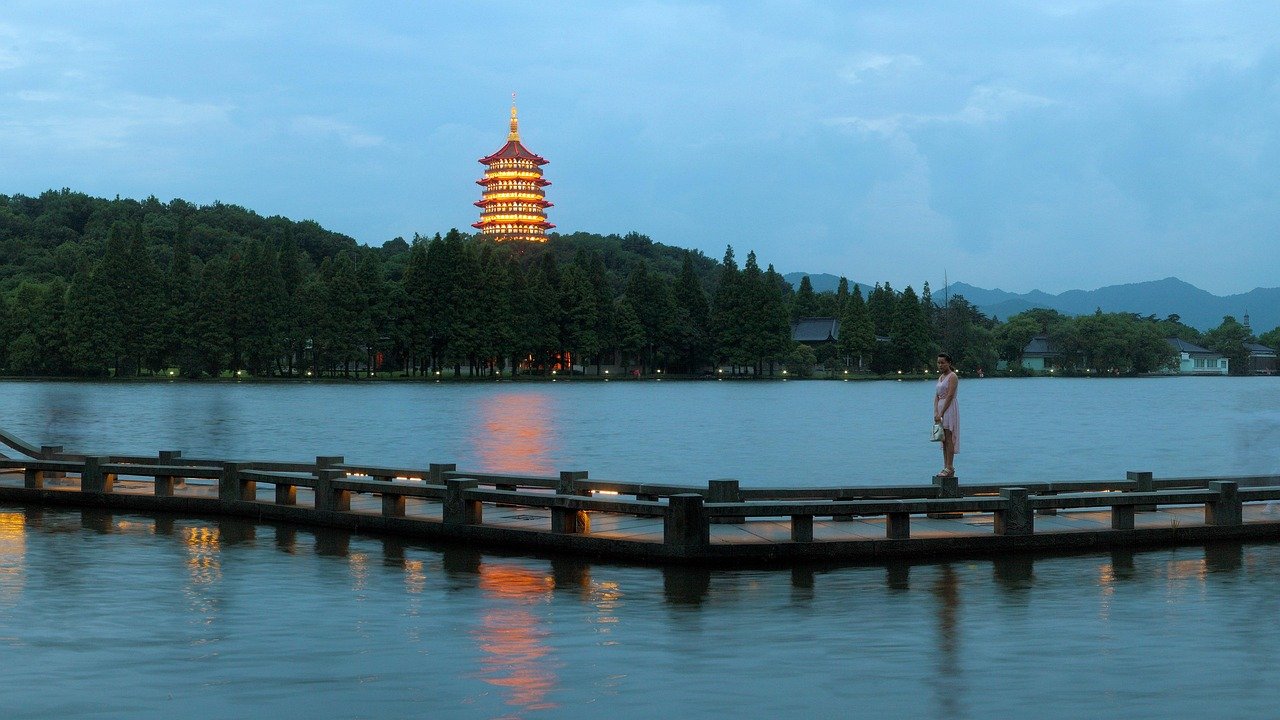
Hangzhou
Hangzhou, capital of Zhejiang province, pairs the classical beauty of West Lake with ancient temples, tea hills and a modern tech-driven economy.
Kunming
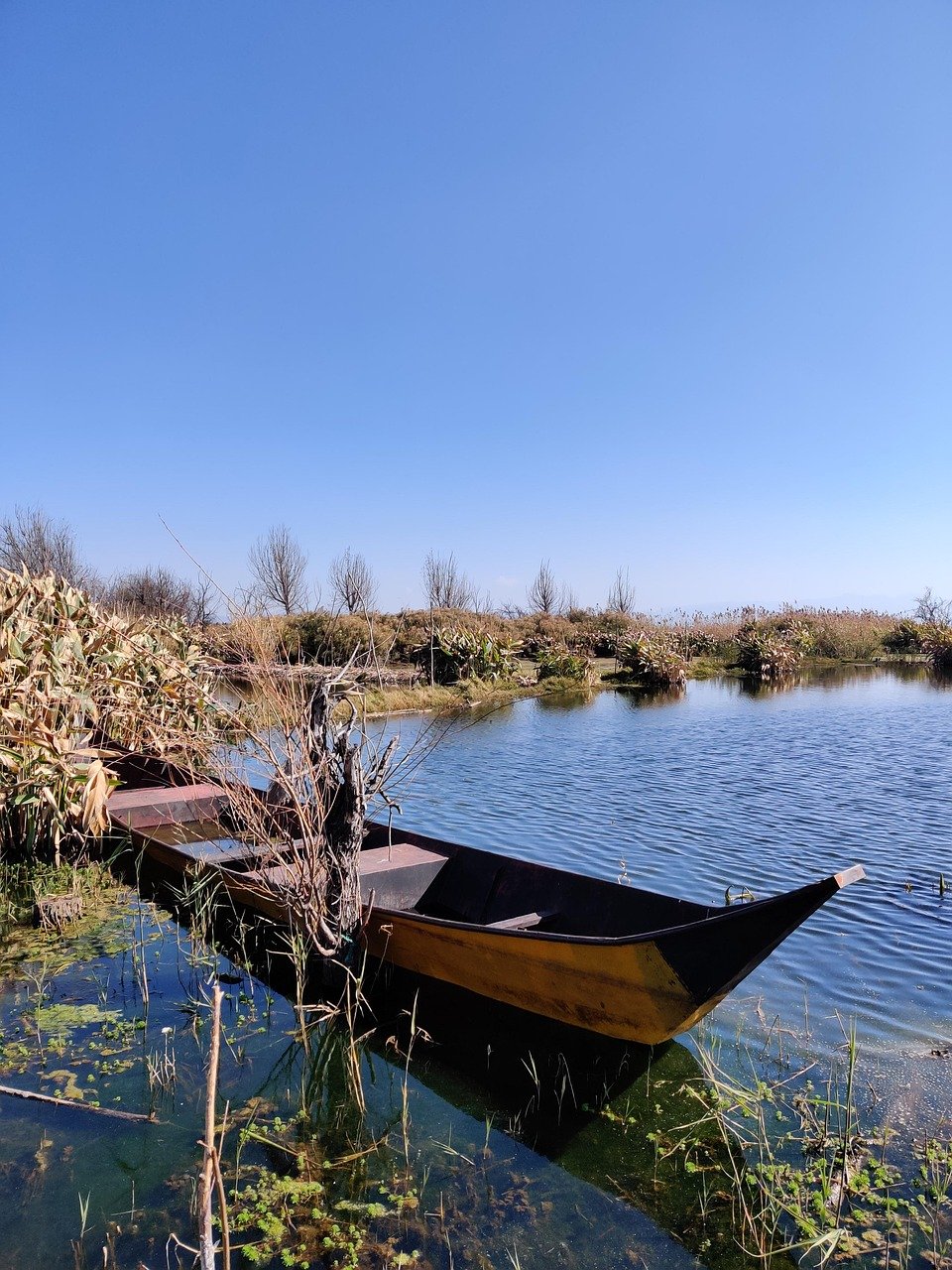
Kunming, the capital of Yunnan, pairs a mild highland climate with historic temples, lively markets and modern districts, and its blend of ethnic cultures and nearby natural landmarks makes it a distinctive gateway to southwest China.
Urumqi
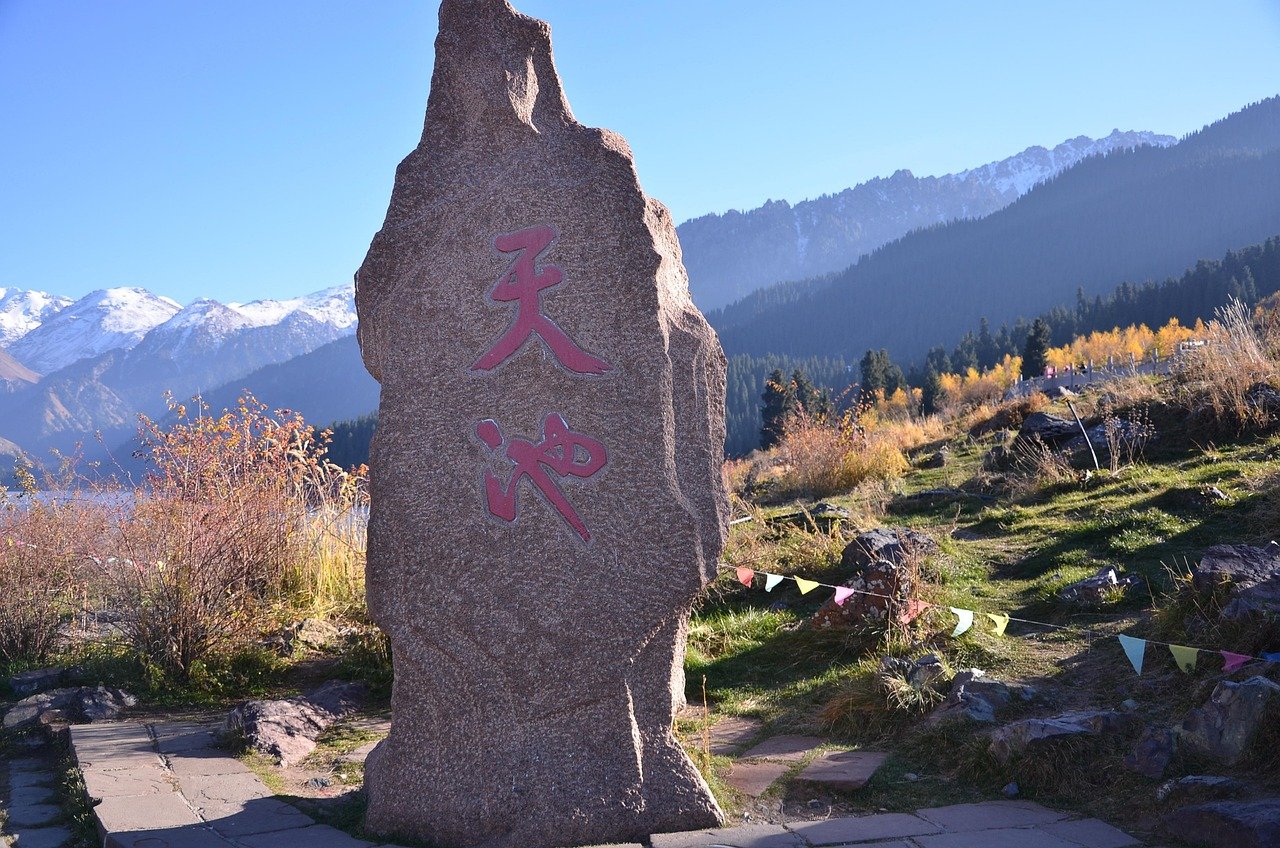
Urumqi, the capital of China's Xinjiang region, sits at the foot of the Tianshan Mountains and blends Silk Road history with a modern, multicultural urban scene. Its lively bazaars, green parks and mountain views give the city a distinctive character in northwest China.