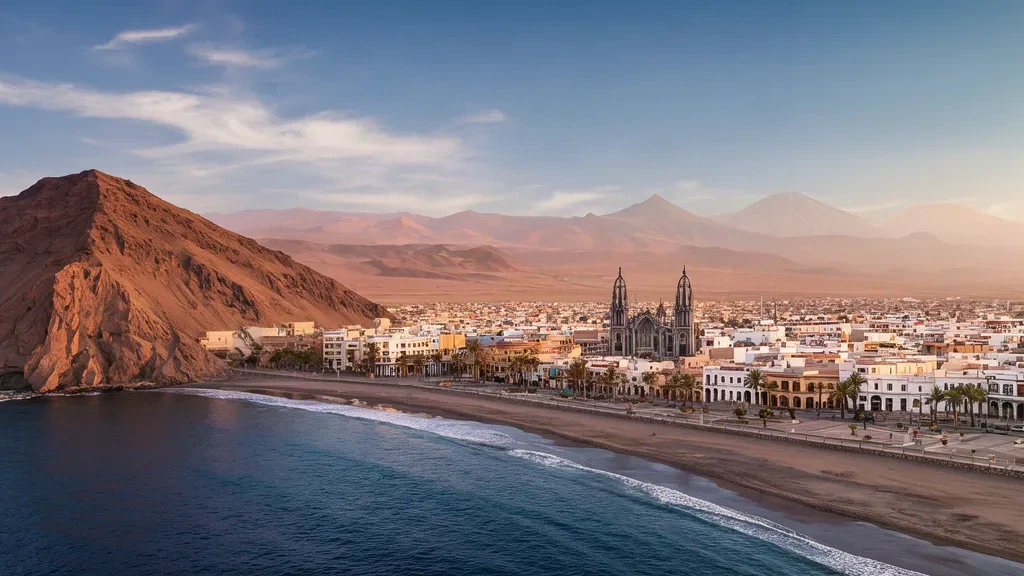
Arica
Arica, Chile's northern coastal city, is known for its beaches, desert surroundings and the Morro de Arica. Its history, markets and Pacific setting give it a distinct character.
Passengers
Luggage
About Arica y Parinacota
Arica is Chile's northernmost city and the capital of the Arica y Parinacota Region, set on the Pacific coast near the Peruvian border. Known as the 'City of Eternal Spring' for its mild, dry climate, it combines desert coastline, fertile valleys and a relaxed border-city character.
The city's history is closely tied to the War of the Pacific. Arica was part of Peru until the Chilean victory in 1880 and was formally transferred to Chile in 1929. The Morro de Arica, a steep coastal hill with a military museum, recalls that history, while the iron San Marcos Cathedral, designed in the Eiffel workshop, anchors the historic centre.
Coastal neighbourhoods and beaches such as El Laucho and Chinchorro draw visitors for swimming and seaside walks, while the Azapa Valley offers archaeological sites and the San Miguel de Azapa Museum, home to Chinchorro mummies among the oldest in the world. Cuevas de Anzota and Paseo 21 de Mayo provide views over the ocean and city.
Arica is a trade and transport gateway between Chile, Peru and Bolivia, with a duty-free zone, busy port and border crossing at Chacalluta. Its economy combines fishing, agriculture, commerce and services, and the city hosts business and logistics activity linked to the regional corridor.
For leisure travellers, Arica offers beaches, history, archaeology and Andean culture; for business travellers, it is a practical base for cross-border trade and regional projects. The compact centre, warm climate and coastal setting make it a distinctive northern Chilean destination.
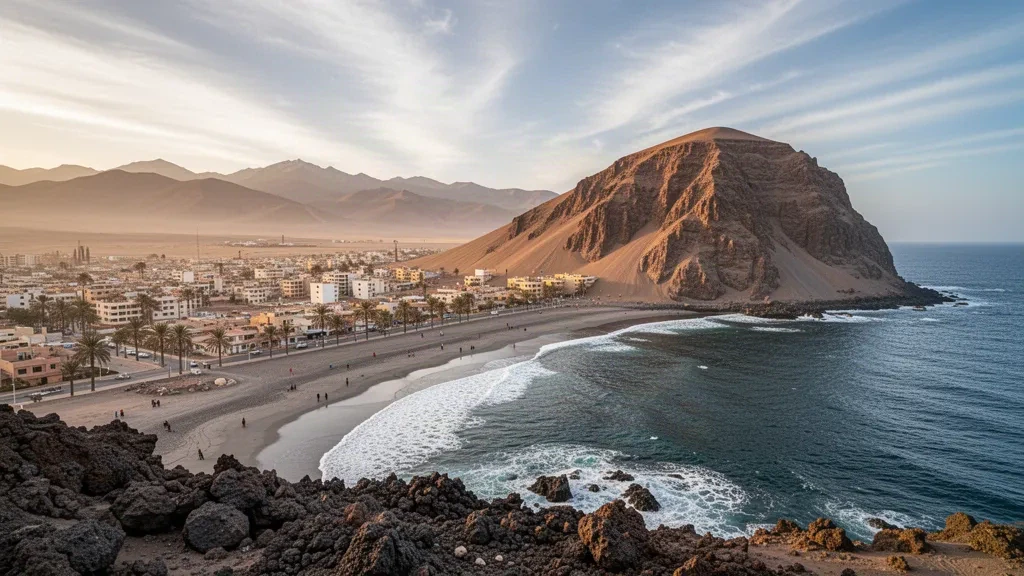
Arica y Parinacota Travel Guide
Best Time to Visit
Arica's mild desert climate makes it a year-round destination, but summer from December to March is best for beach days and the February Carnaval Andino con la Fuerza del Sol. Winter months are cooler and quieter, though still sunny and pleasant.
How to Get Around
The historic centre and many beaches are walkable, while shared taxis, colectivos, buses and standard taxis cover most of the city. Car rental is useful for reaching the Azapa and Lluta valleys, the airport and the Peruvian border area.
Where to Stay
The centre and the area near Morro de Arica are convenient for landmarks, restaurants and the waterfront. The Chinchorro beach zone suits seaside stays, while the Azapa Valley offers quieter lodging close to archaeological sites and rural scenery.
Food & Drink
Arica's cuisine blends coastal seafood with Andean and tropical influences. Expect ceviche, shellfish, avocado and olive-based dishes alongside fruits from the Azapa Valley, with markets, cafés and family restaurants spread through the centre and along the coast.
Ground Transportation Services in Arica y Parinacota
Airport Transfers
Travel between Chacalluta International Airport and hotels, the city centre, the port and other destinations across Arica.
Hourly Chauffeur
Book a private driver by the hour for business meetings, sightseeing, events and flexible travel around Arica and nearby valleys.
Car Rental
Rent a car in Arica for independent travel along the coast, the Azapa and Lluta valleys, beaches and the border area.
Bus & Group Transfers
Arrange minibuses or charter buses for groups, corporate travel, events, airport transfers and tours in Arica and the surrounding region.

Frequently Asked Questions
Related Cities in Chile
View all
Santiago
Santiago, Chile's capital, blends colonial landmarks and modern skylines against the Andes, with lively markets, cultural venues and a strong business pulse.
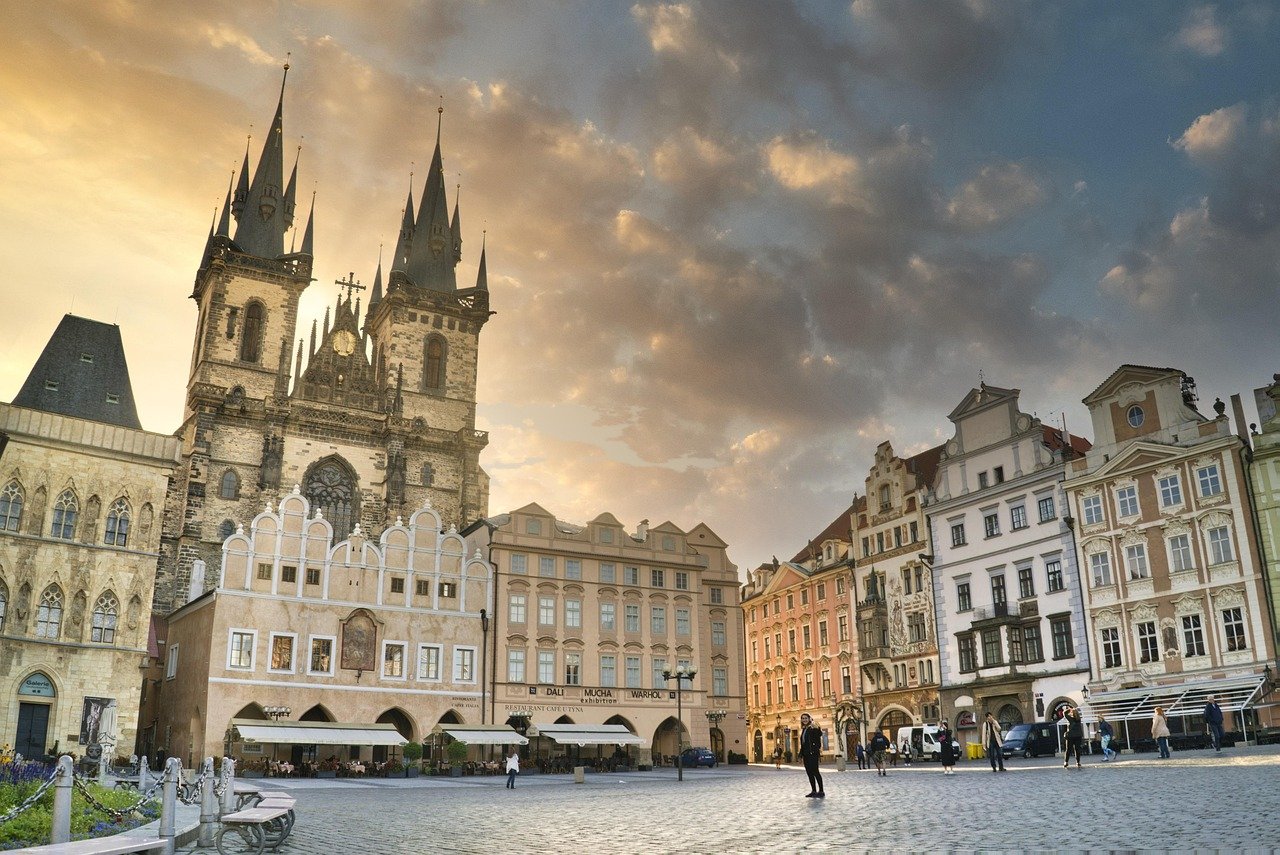
Ñuble
Ñuble, in south-central Chile, blends agricultural traditions, river landscapes and historic towns, with Chillán as its lively urban hub.
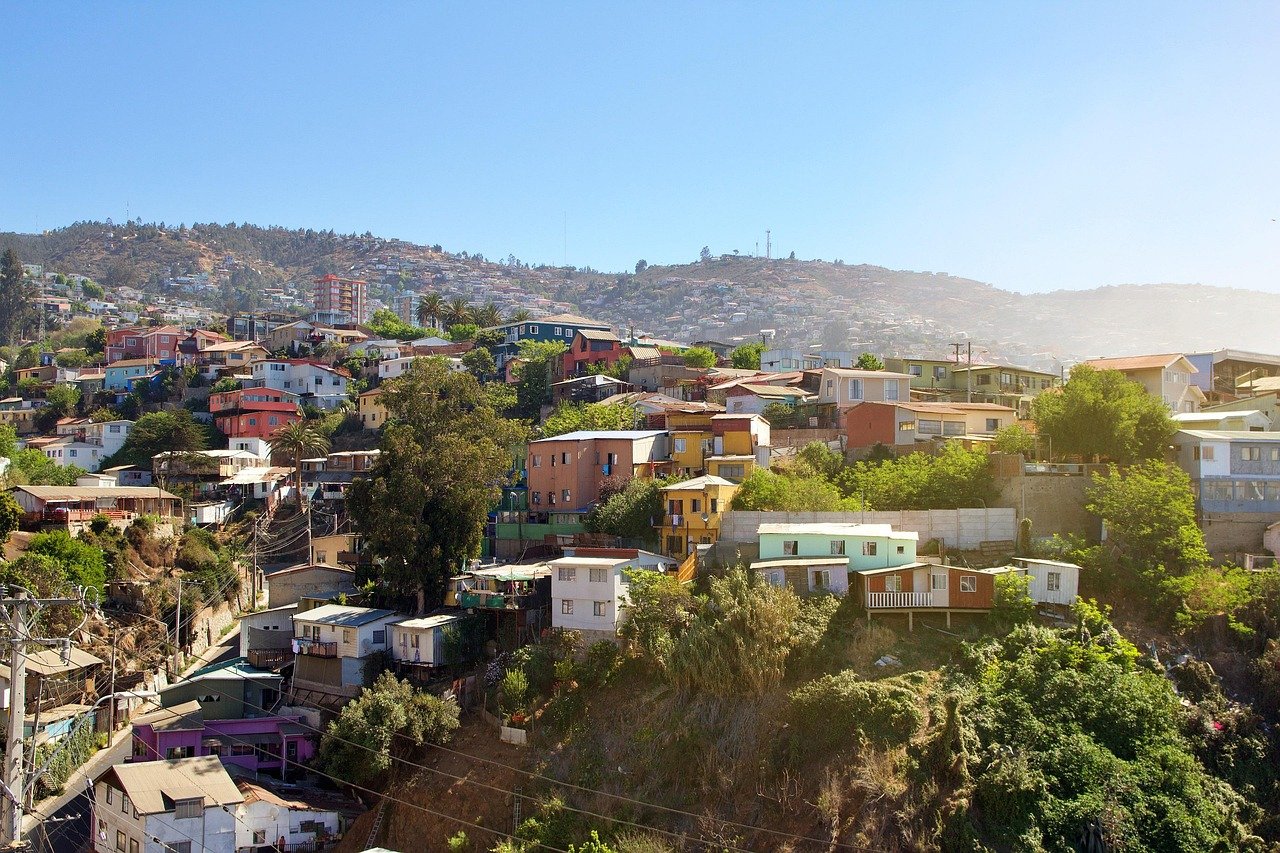
Valparaíso
Valparaíso, Chile's bohemian port city, rises from the Pacific in steep hills covered with colorful houses, historic funiculars and vibrant street art. Its UNESCO-listed quarter, lively markets and cultural scene give it a distinctive character.