Mambéré-Kadéï
Mambéré-Kadéï, a forested prefecture in southwestern Central African Republic, blends river landscapes, market towns and rich cultural traditions.
Passengers
Luggage
About Mambéré-Kadéï
Berbérati is the third-largest city in the Central African Republic and the capital of Mambéré-Kadéï Prefecture in the country's southwest, close to the Cameroon border. Founded in 1893 during the French colonial era, it grew from a small trading post into a regional centre shaped by timber, coffee and diamond trading.
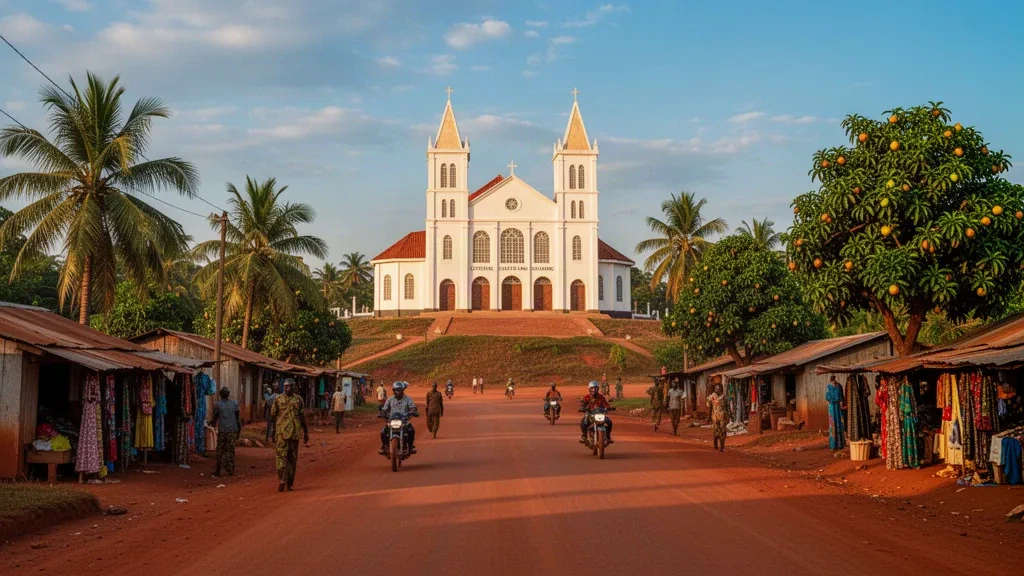
The city's colonial and missionary past remains visible in its older buildings, including the former Catholic cathedral in the évêché quarter, a noted example of mission architecture. Berbérati is the seat of a Catholic diocese and has a predominantly Gbaya population alongside other ethnic groups.
Daily life revolves around the busy central market, where local produce, fabrics and household goods are sold, while neighbourhoods such as Zoukpana and the évêché district reflect the town's character. The Mambéré River and surrounding wooded hills frame the area, and the natural rock basins known as Les Marmites de Zoukpana offer a viewpoint over the town.
Berbérati serves as an administrative and commercial hub for a wide rural hinterland, with trade links toward Bangui and Cameroon. Its economy has long been associated with diamond mining, timber and agriculture, and the town hosts health, education and church institutions that support the surrounding region.
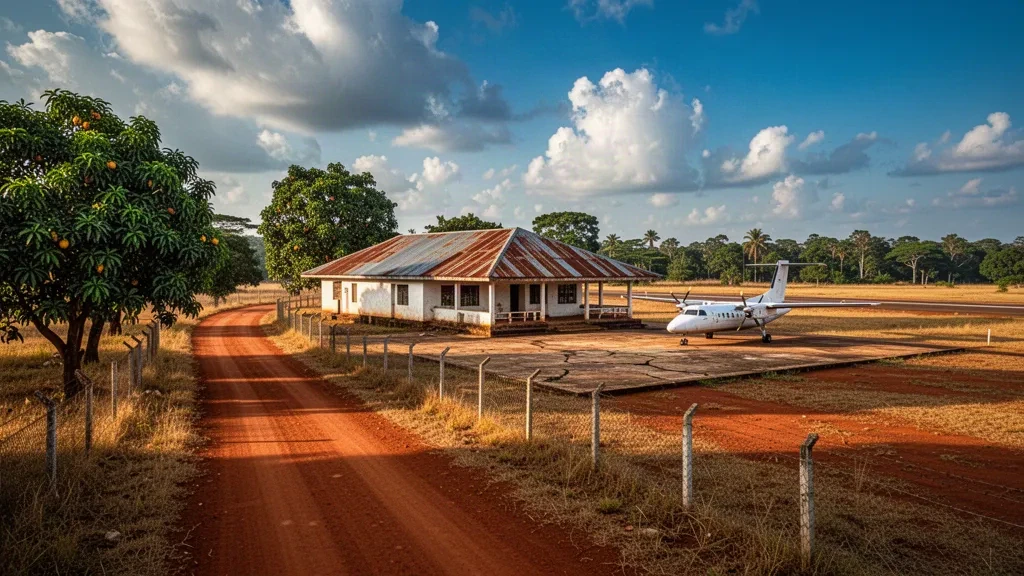
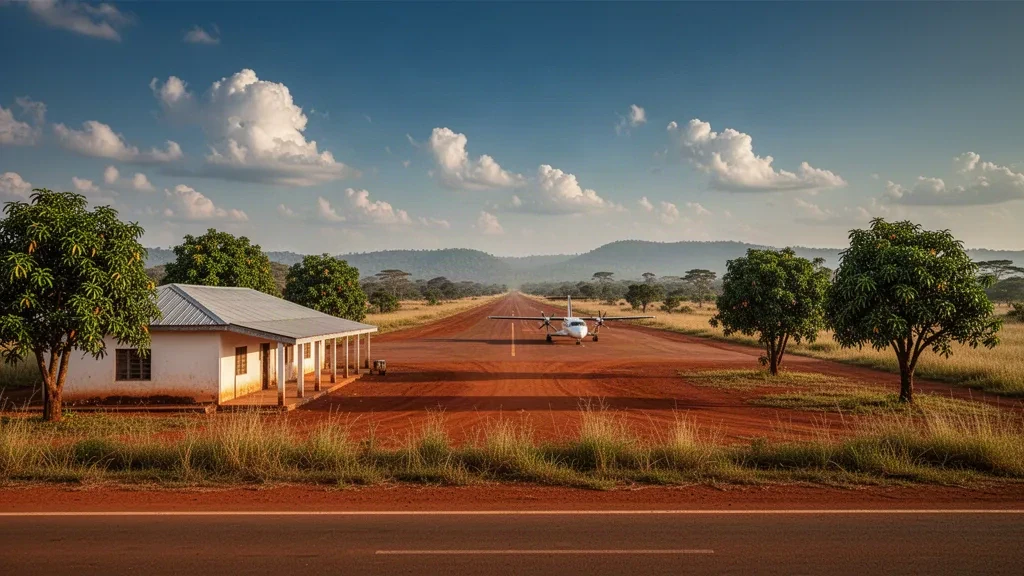
For travellers, Berbérati offers a glimpse of a less-visited part of the Central African Republic, combining market life, mission heritage and a gateway position toward the country's forested southwest. Access is mainly by road from Bangui or through limited domestic flights to Berbérati Airport.
Mambéré-Kadéï Travel Guide
Best Time to Visit
The drier months, roughly from December to March, are generally the most practical for reaching Berbérati by road and moving around the region. Heavy rains from around April to November can make unpaved routes muddy and harder to navigate.
How to Get Around
Within Berbérati, visitors typically travel by moto-taxi, shared taxi or on foot, especially around the market and central neighbourhoods. For trips outside town or to nearby villages, a 4x4 vehicle is recommended because road conditions vary widely.
Where to Stay
Accommodation in Berbérati is limited and mostly consists of small guesthouses, mission lodgings and basic hotels near the town centre. Staying close to the market and administrative area keeps local services and transport points within easy reach.
Food & Drink
Local eating in Berbérati centres on staples such as cassava, plantain, rice, peanuts and grilled meat or fish, often served in small maquis-style restaurants. Fresh produce is available at the central market, and visitors are advised to drink bottled water.
Ground Transportation Services in Mambéré-Kadéï
Airport Transfers
Arrange a vehicle between Berbérati Airport (BBT) and hotels, the town centre, mission compounds or nearby sites in and around Berbérati.
Hourly Chauffeur
Use a private driver by the hour for business meetings, NGO or church visits, market trips and flexible travel around Berbérati and the surrounding area.
Car Rental
A rented 4x4 is the most practical option for independent travel in Berbérati and for journeys on rough roads toward Bangui, Carnot or the Cameroon border.
Bus & Group Transfers
Book minibuses or charter buses for mission groups, NGO teams, corporate travel, airport pick-ups and longer transfers between Berbérati and other towns.
Airports in Mambéré-Kadéï
Frequently Asked Questions
Related Cities in Central African Republic
View all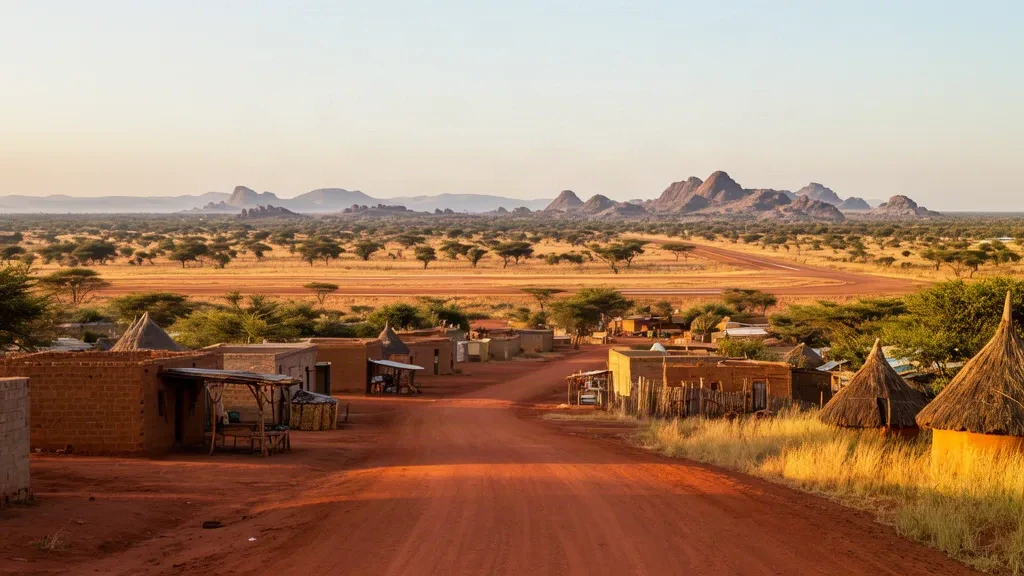
Birao
Birao is the capital of Vakaga Prefecture in the far northeast of the Central African Republic, close to the borders with Chad and Sudan. The town's remote location and Sahelian surroundings shape its role as a small administrative and crossroads settlement.
Sangha-Mbaéré
Sangha-Mbaéré, in the southwest of the Central African Republic, is known for its dense rainforests, rich biodiversity and the Dzanga-Sangha protected areas.
Bozoum
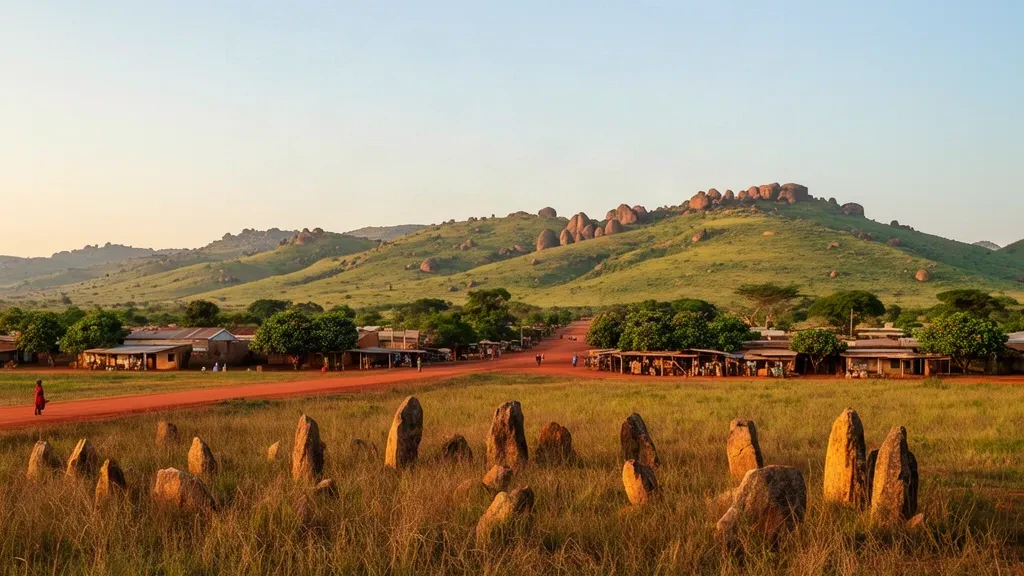
Bozoum, the capital of Ouham-Pendé, is a quiet commercial town in northwestern Central African Republic, set among rolling savanna and known for its busy market.