Bouar
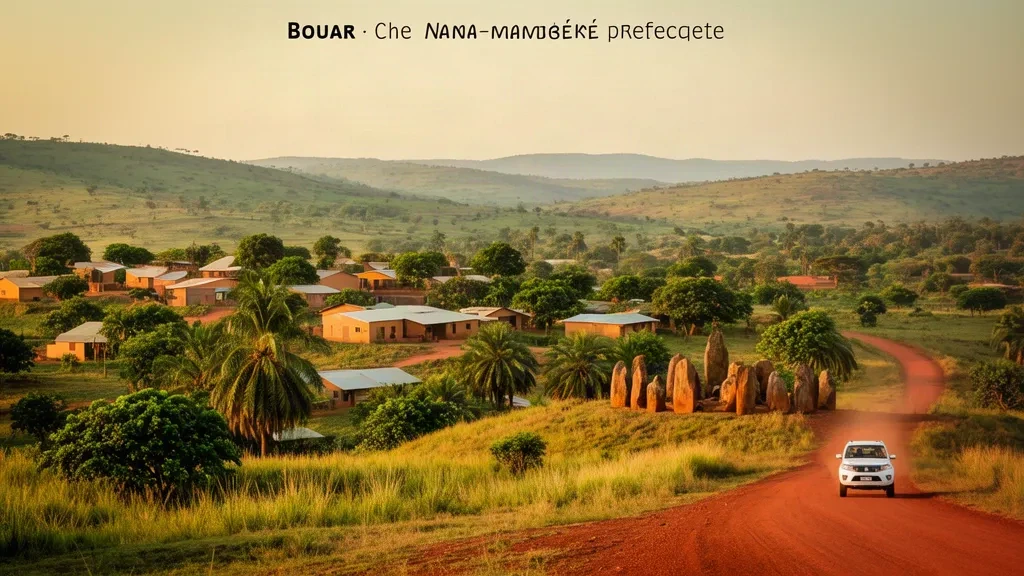
Bouar, a historic crossroads in western Central African Republic, is known for its ancient megalithic sites and lively market culture.
Passengers
Luggage
About Nana-Mambéré
Bouar is the capital of Nana-Mambéré prefecture in western Central African Republic, set on a highland plateau nearly 1,000 metres above sea level along the main road between Bangui and the Cameroon border. It is a regional market and administrative centre with a cooler climate than much of the country.
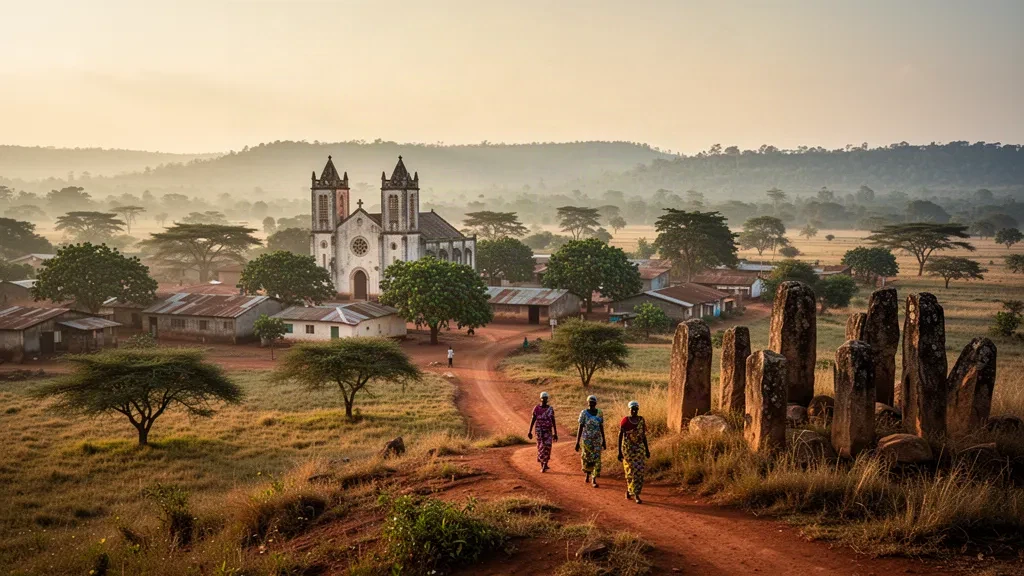
The town is best known for the Bouar Megaliths, around seventy groups of standing stones known as tazunu that date to the late Neolithic period, roughly 3500–2700 BC, and were added to UNESCO's World Heritage Tentative List in 2006. St. Joseph's Cathedral is another notable landmark, while the surrounding hills offer waterfalls and walking routes.
Bouar grew around colonial-era trade and administration and was for decades associated with Camp Leclerc, a French military base. Its position near Cameroon made it an important stopping point on cross-border routes, and cattle trading remains part of local life.
The town is compact and largely walkable, with a central market, small shops, churches, simple restaurants and guesthouses. Motorcycle taxis and four-wheel-drive vehicles are common for getting around town and reaching the megalith sites and wider countryside.
For travellers, Bouar serves mainly as a gateway and rest point between Bangui and Cameroon and as a base for exploring the region's archaeology and landscapes. It is relevant for business, humanitarian and cultural visitors to western Central African Republic, though services remain limited.
Nana-Mambéré Travel Guide
Best Time to Visit
The dry season, roughly from November to March, is the most practical time to visit, with firmer roads and easier access to the megalith sites. The wet season brings heavy rain that can make rural tracks difficult.
How to Get Around
Bouar is small enough to explore on foot, and motorcycle taxis are the most common way to cover longer distances in town. Four-wheel-drive vehicles are recommended for reaching the megalith sites and rural areas, since roads outside the centre can be rough.
Where to Stay
Accommodation is limited, with small hotels, guesthouses and mission-run lodgings concentrated near the town centre. Visitors should book ahead, as options are few.
Food & Drink
Local food is based on staples such as cassava, plantains, rice and grilled meat, with brochettes and market meals widely available. Simple restaurants and market stalls serve local dishes, and drinks can be found in shops and bars around the centre.
Ground Transportation Services in Nana-Mambéré
Airport Transfers
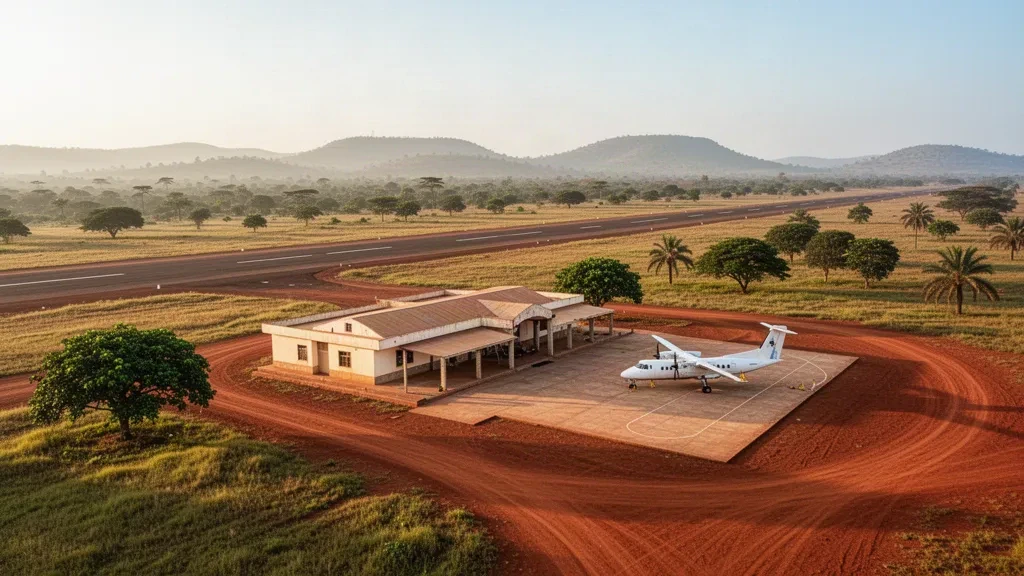
Travel between Bouar Airport (BOP), about 5 km east of the town centre, and hotels, guesthouses or onward destinations in and around Bouar.
Hourly Chauffeur
Book a private chauffeur by the hour for business appointments, visits to the Bouar Megaliths, meetings and flexible travel around the Nana-Mambéré region.
Car Rental
Rent a four-wheel-drive vehicle in Bouar for independent travel across the region, including rough roads to megalith sites and the route toward Cameroon.
Bus & Group Transfers
Arrange minibuses or charter vehicles for groups travelling along the Bangui–Bouar road, field visits, church or mission groups and excursions in the surrounding area.
Frequently Asked Questions
Related Cities in Central African Republic
View all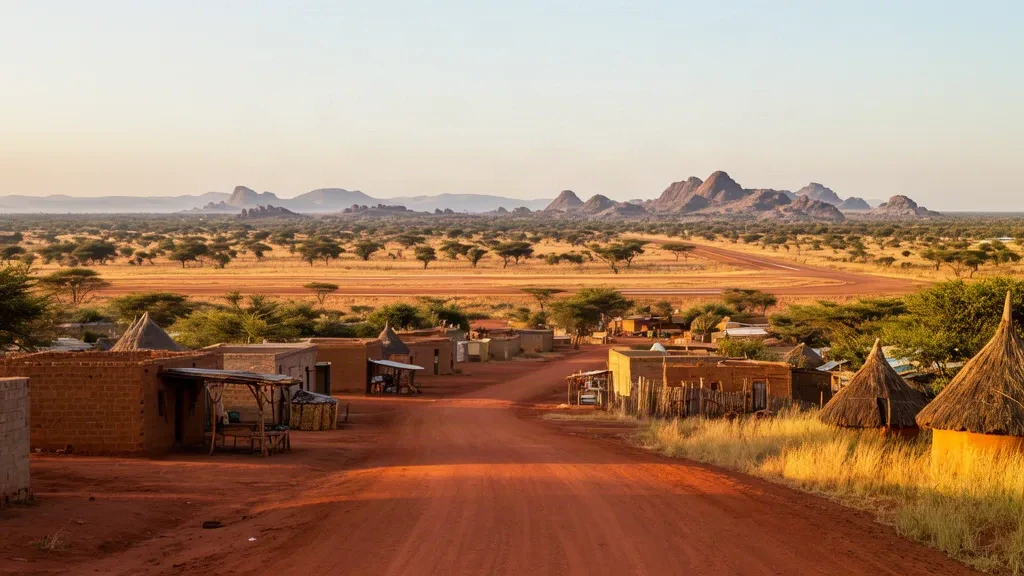
Birao
Birao is the capital of Vakaga Prefecture in the far northeast of the Central African Republic, close to the borders with Chad and Sudan. The town's remote location and Sahelian surroundings shape its role as a small administrative and crossroads settlement.
Sangha-Mbaéré
Sangha-Mbaéré, in the southwest of the Central African Republic, is known for its dense rainforests, rich biodiversity and the Dzanga-Sangha protected areas.
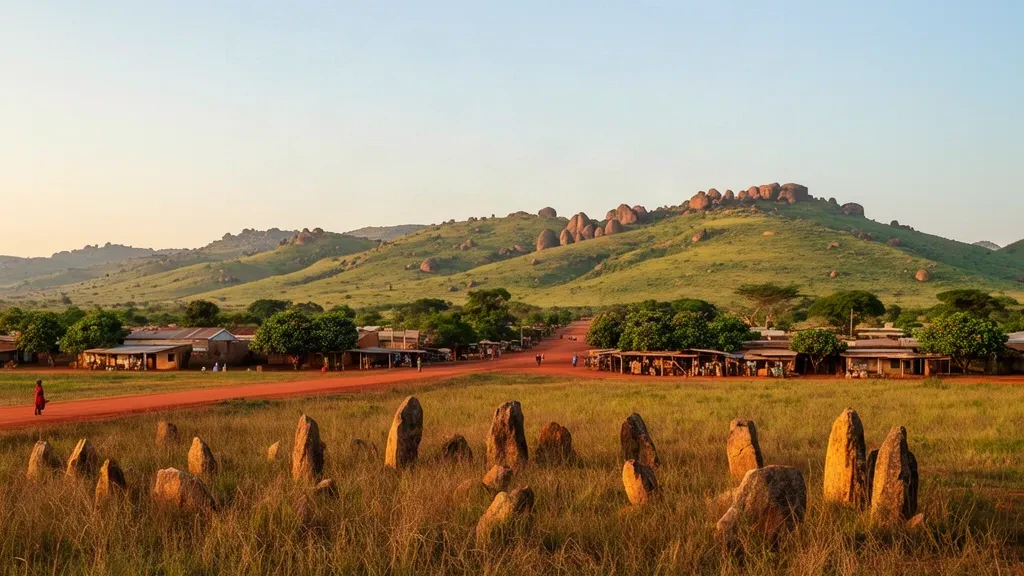
Bozoum
Bozoum, the capital of Ouham-Pendé, is a quiet commercial town in northwestern Central African Republic, set among rolling savanna and known for its busy market.