Bamingui-Bangoran
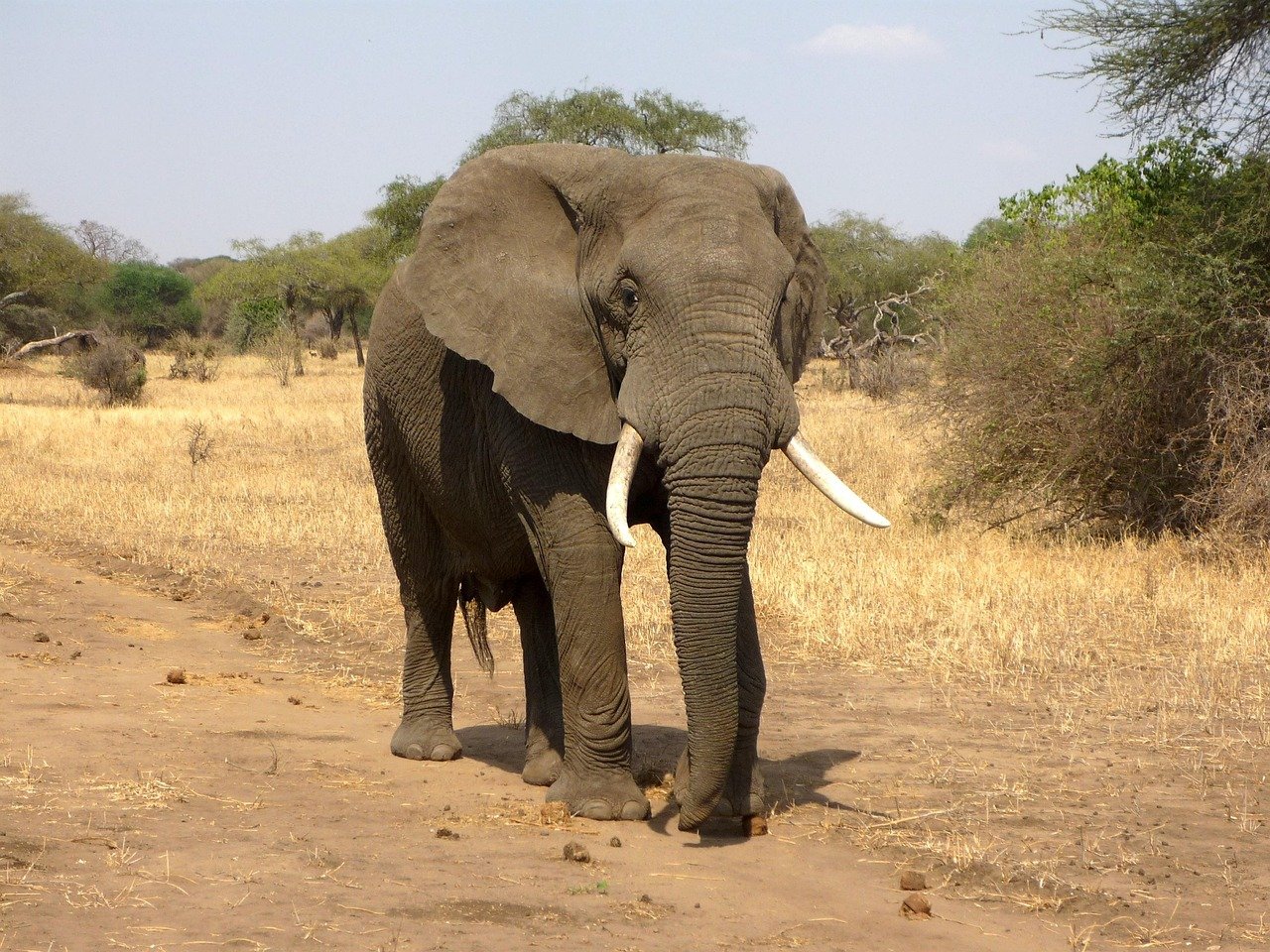
Bamingui-Bangoran, in the Central African Republic, is a remote northern territory of savanna and wildlife reserves, with Ndélé's historic sultanate past adding a distinct cultural layer.
Passengers
Luggage
About Bamingui-Bangoran
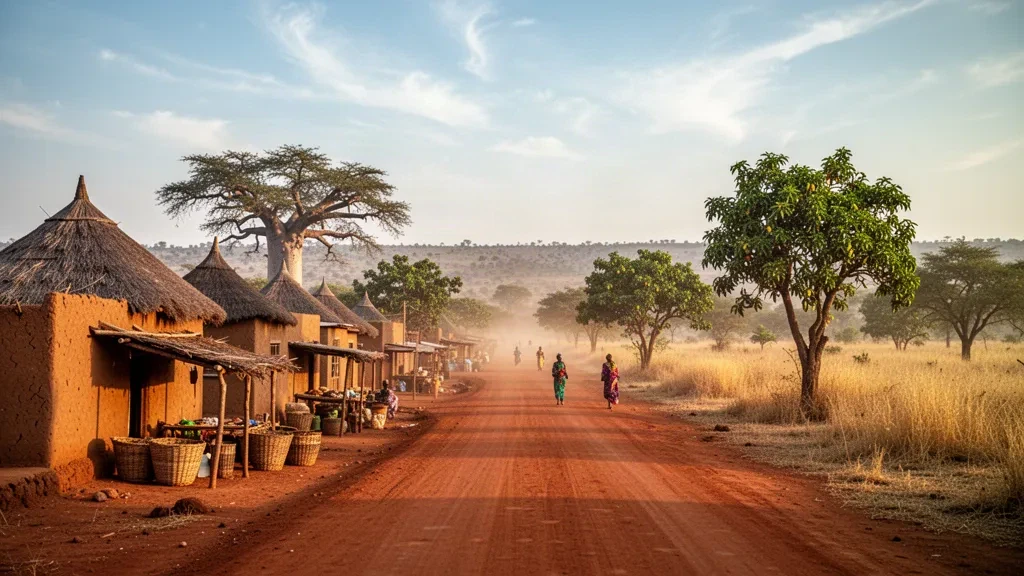
Ndélé is the capital of Bamingui-Bangoran prefecture in the northern Central African Republic. This small, remote market town sits east of the Bamingui-Bangoran National Park and serves as the administrative and trading centre for a thinly populated savanna region.
The town's most distinctive heritage comes from the Dar al Kuti sultanate. In the late 19th century, Sultan Mohammed al-Sanussi built a fortified palace, or tata, on a hill overlooking Ndélé; today the tata and the nearby Kaga-Kpoungouvou Caves are among the region's most important historical landmarks and have been on UNESCO's Tentative List since 2006.
Beyond the town, Bamingui-Bangoran National Park and the Vassako Bolo Strict Nature Reserve protect savanna woodland and wildlife. Visits are usually organised from Ndélé with permits, local guides and four-wheel-drive vehicles, particularly during the dry season when unpaved routes are easier to navigate.
Ndélé is not a conventional tourism destination: accommodation, dining and transport are limited, and the town is better known as a base for humanitarian work, administration and regional trade. Its central market brings together produce, goods and people from surrounding communities.
For travellers, researchers and aid workers with careful planning, Ndélé offers a rare window into the sultanate history of northern Central Africa and a gateway to one of the country's most significant protected areas.
Bamingui-Bangoran Travel Guide
Best Time to Visit
The dry season, roughly November to April, is the most practical time to visit Ndélé, when unpaved roads and access to Bamingui-Bangoran National Park are easier. The wet season from May to October can make many routes difficult or impassable.
How to Get Around
Ndélé is small enough to explore on foot, and motorcycle taxis are used for short trips in town. For travel to the national park, caves and surrounding areas, a four-wheel-drive vehicle with a local driver is essential, as public transport is limited.
Where to Stay
Accommodation in Ndélé is limited to small guesthouses, basic lodgings and occasionally rooms arranged through local contacts or organisations. Staying near the centre gives easier access to the market, administrative offices and transport departure points.
Food & Drink
Meals in Ndélé are simple and based on local staples such as cassava, millet, sorghum, rice, beans and grilled meat, with seasonal produce sold in the market. Small restaurants and market stalls offer local dishes, tea and soft drinks, but choice is limited.
Ground Transportation Services in Bamingui-Bangoran
Airport Transfers
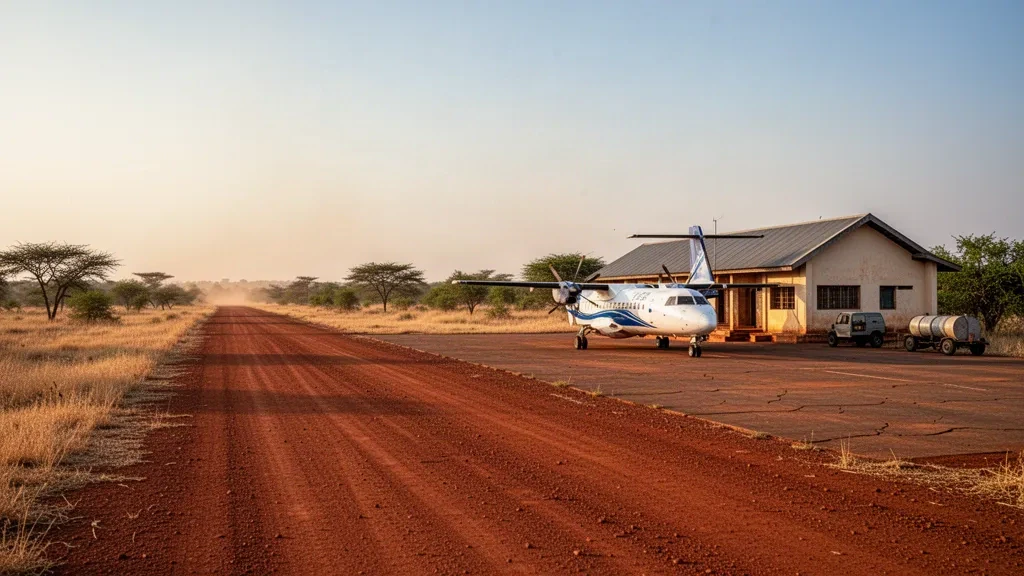
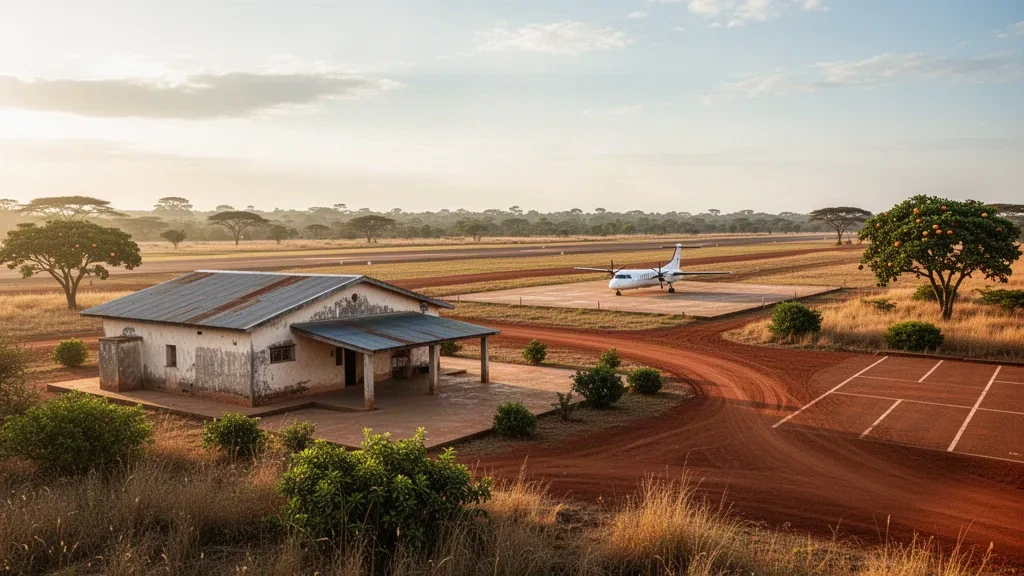
Arrange a four-wheel-drive transfer between N'Délé Airport and guesthouses, offices or park access points in and around Ndélé.
Hourly Chauffeur
Book a private chauffeur by the hour for business visits, site inspections, the sultan's tata, the market and flexible travel around Ndélé.
Car Rental
Rent a four-wheel-drive vehicle for independent travel around Ndélé and journeys to Bamingui-Bangoran National Park during the dry season.
Bus & Group Transfers
Arrange minibuses or charter vehicles for NGO teams, researchers and other groups travelling between Ndélé, the airport and nearby protected areas.
Airports in Bamingui-Bangoran
Frequently Asked Questions
Related Cities in Central African Republic
View all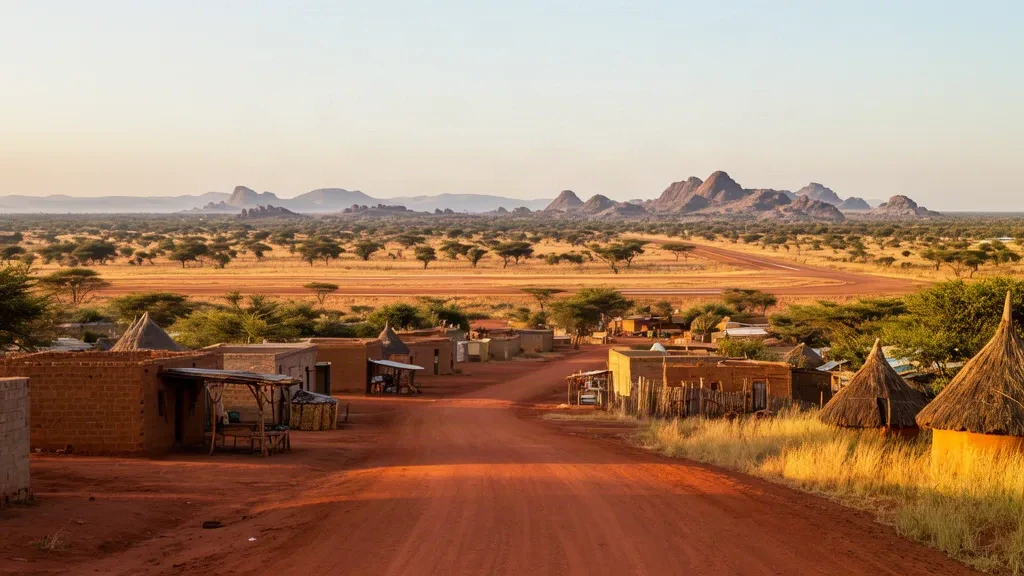
Birao
Birao is the capital of Vakaga Prefecture in the far northeast of the Central African Republic, close to the borders with Chad and Sudan. The town's remote location and Sahelian surroundings shape its role as a small administrative and crossroads settlement.
Sangha-Mbaéré
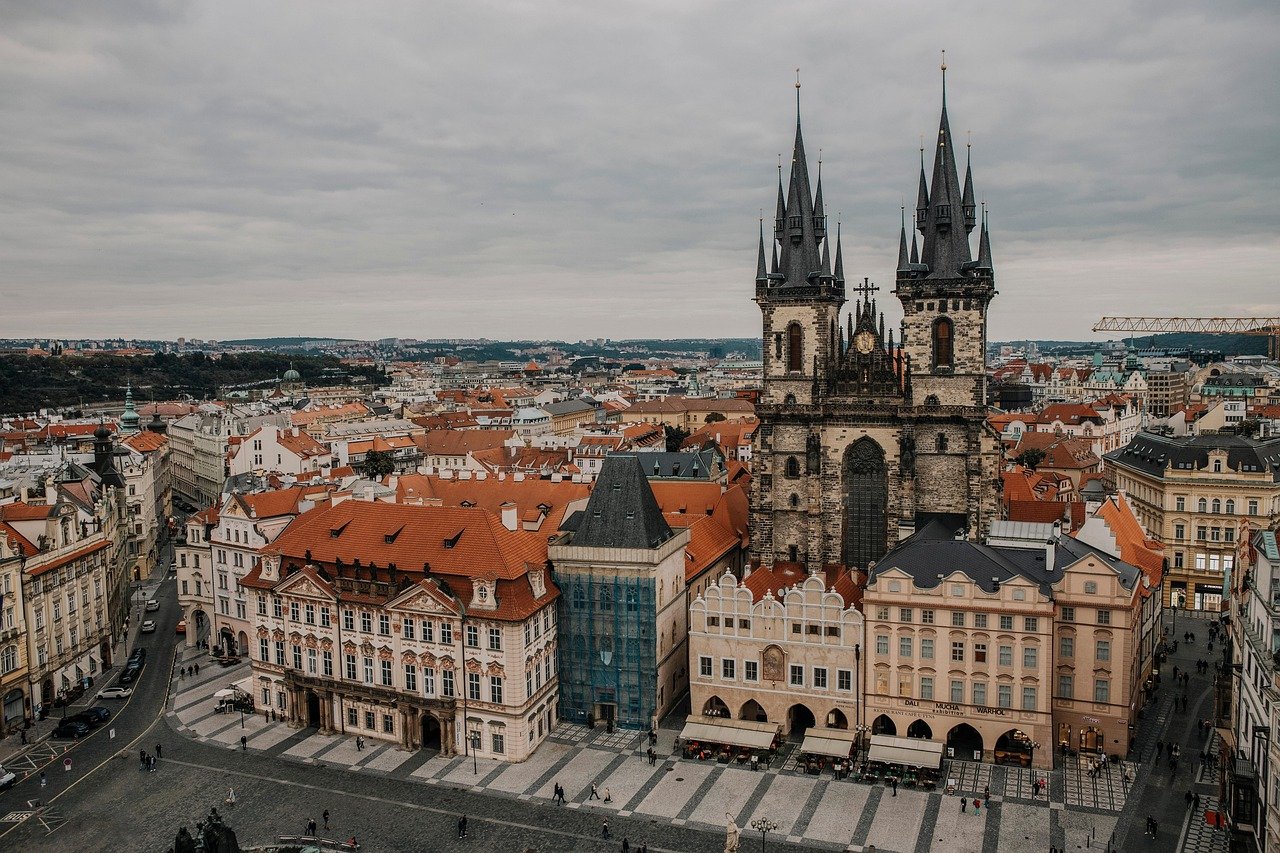
Sangha-Mbaéré, in the southwest of the Central African Republic, is known for its dense rainforests, rich biodiversity and the Dzanga-Sangha protected areas.
Bozoum
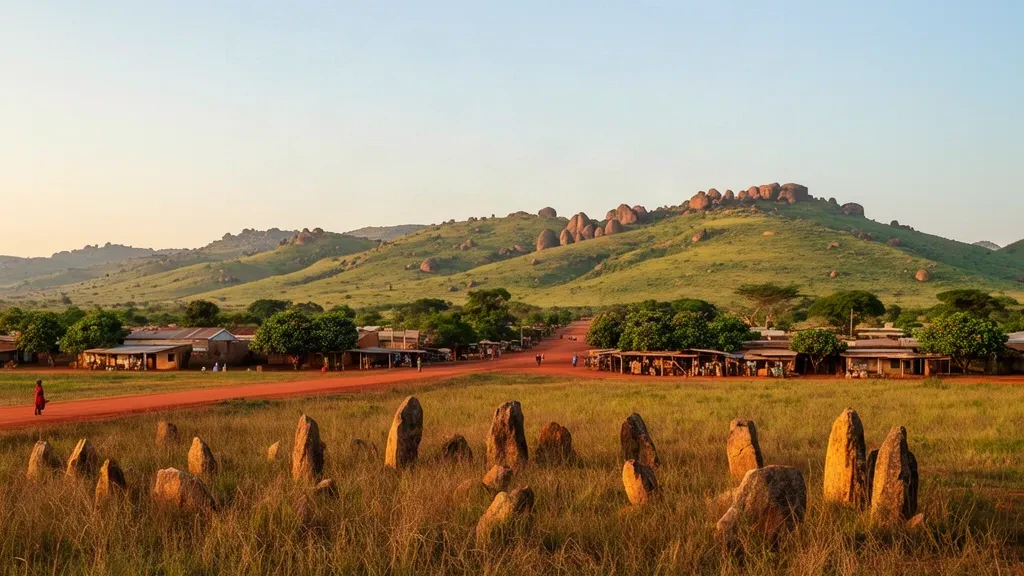
Bozoum, the capital of Ouham-Pendé, is a quiet commercial town in northwestern Central African Republic, set among rolling savanna and known for its busy market.