Stung Treng
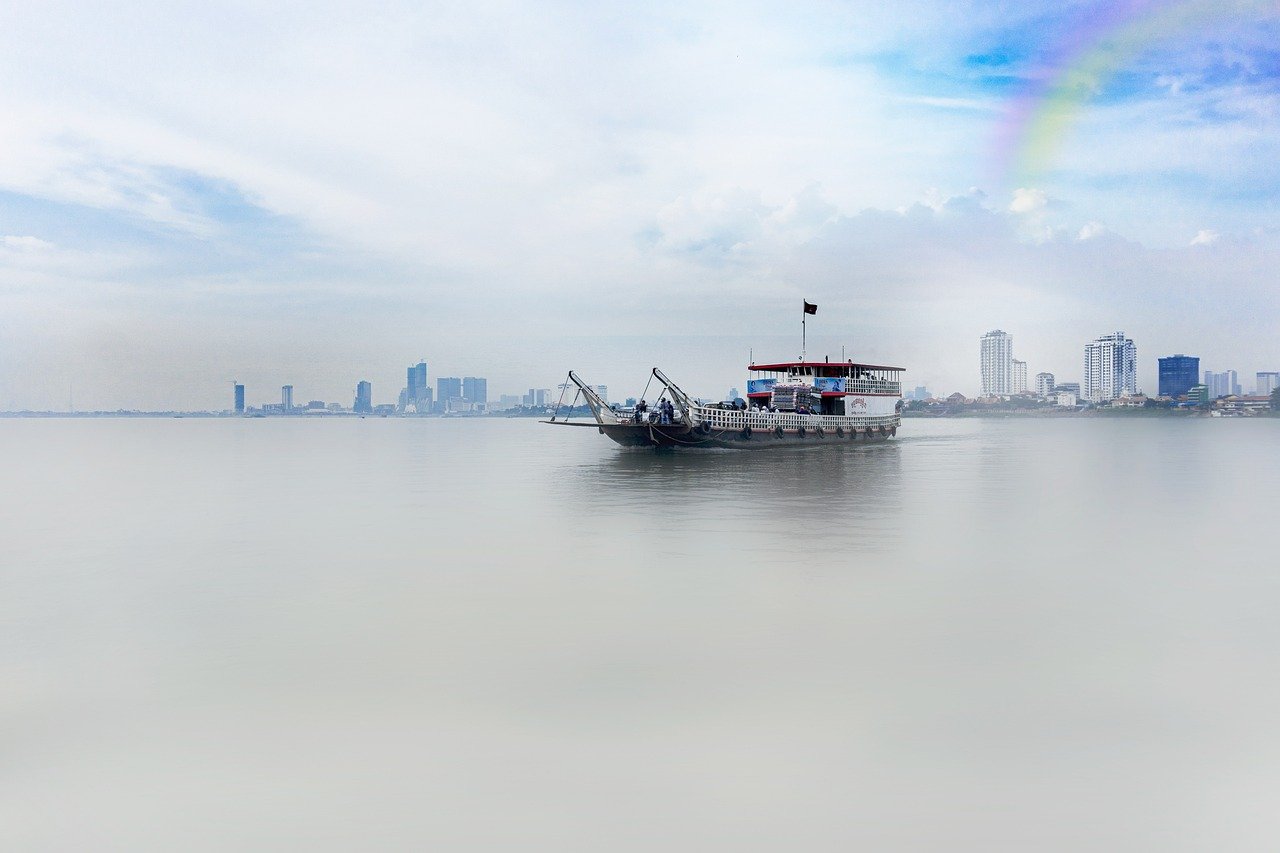
A laid-back river town in northeastern Cambodia, Stung Treng sits where the Mekong, Sekong and Sesan rivers meet, acting as the main gateway to Virachey National Park and the border with Laos.
Passengers
Luggage
About Stung Treng
Stung Treng is a compact, laid-back provincial capital in northeastern Cambodia, set on the Mekong River near its meeting point with the Sekong and Sesan rivers. As the seat of Stung Treng Province, it serves as a quiet gateway to the upper Mekong, the Lao border and the Ramsar-listed wetlands that stretch across the surrounding floodplain.
The town has a layered past shaped by both Khmer and Lao history. Once known as Xieng Teng, the area was part of the Khmer Empire before coming under the Lao kingdoms of Lan Xang and Champassak, and later under French administration. The 7th–8th century Preah Ko temple at Thala Barivat, reached by crossing the Mekong, is the best-known historic monument near the town.
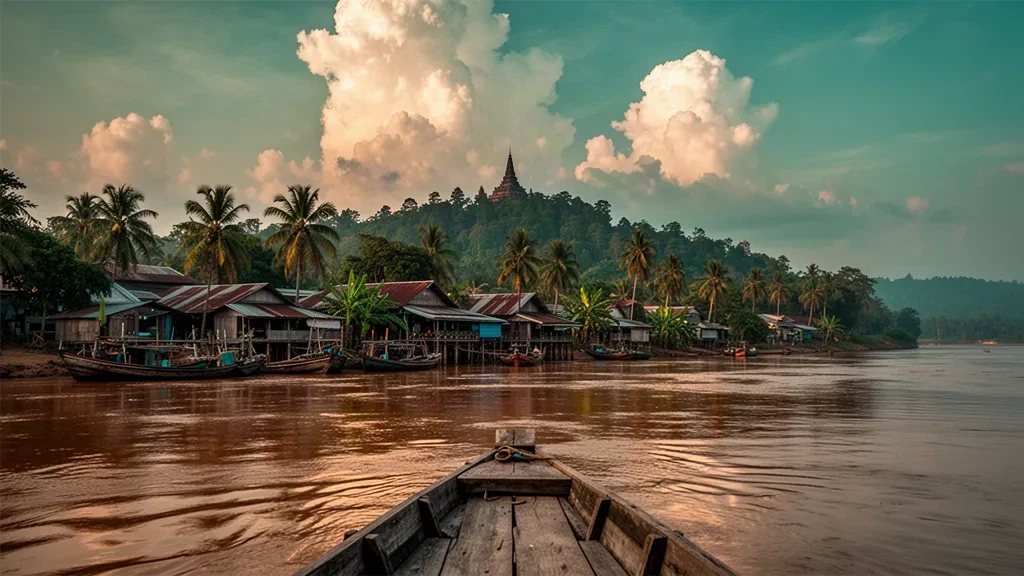
Stung Treng's main draws are natural rather than urban. Boat trips from the town explore the Mekong–Sekong confluence, flooded forests, rocky channels and islands of the Stung Treng Ramsar site. Further north near the Lao border, the Preah Rumkel area offers chances to spot rare Irrawaddy dolphins and to visit Sopheak Mitt waterfall, where the Mekong tumbles over a broad ledge.
The town itself is small and easy to navigate, with most guesthouses, simple restaurants and the main market clustered around the riverside and central streets. A few Lao-influenced details in daily life, food and local culture reflect the town's position close to southern Laos.
For travellers, Stung Treng is a useful stop on overland routes between Phnom Penh, Kratie, Siem Reap and Laos, and a base for slow-travel and eco-tourism experiences on the upper Mekong. Business visitors tend to pass through for provincial administration, cross-border trade and development work in one of Cambodia's least densely populated regions.
Stung Treng Travel Guide
Best Time to Visit
The dry season from November to April is the easiest time to visit, with better road conditions, lower river levels and good chances for boat trips and Irrawaddy dolphin sightings. The rainy season from May to October brings fuller waterfalls and greener scenery, but some rural roads and river access can be more difficult.
How to Get Around
Stung Treng town is compact enough to explore on foot, while bicycles, motorbike taxis and tuk-tuks are useful for short trips. Boats handle river excursions to islands, wetlands and dolphin areas, and buses, taxis or private transfers connect the town with Phnom Penh, Kratie, Siem Reap and the Lao border.
Where to Stay
Most accommodation is simple and concentrated near the Mekong riverfront and the town centre, with guesthouses and small hotels suiting a range of budgets. Staying close to the market and ferry areas makes it easy to arrange boat tours and early morning departures.
Food & Drink
Stung Treng's food reflects Khmer cooking with noticeable Lao influence, featuring river fish, sour soups, noodle dishes, sticky rice, larb and green papaya salad. Riverside stalls, small local restaurants and the central market offer affordable meals and fresh produce.
Ground Transportation Services in Stung Treng
Airport Transfers
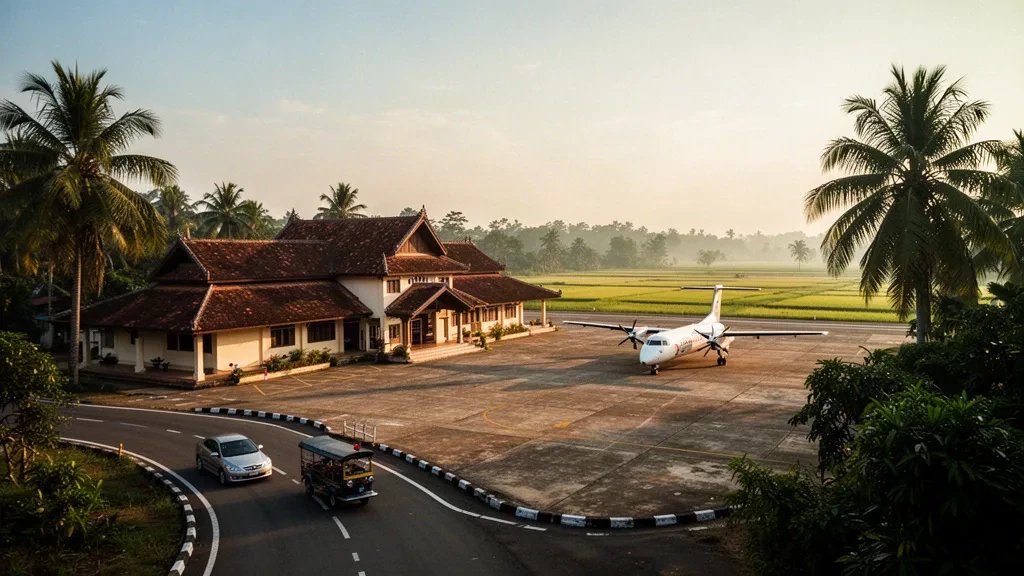
Arrange private road transfers from Siem Reap–Angkor International Airport, Phnom Penh or the Lao border to hotels and guesthouses in Stung Treng, since the local airport has no scheduled flights.
Hourly Chauffeur
Book a private chauffeur by the hour for flexible travel around Stung Treng, visits to Preah Ko temple and nearby viewpoints, business meetings and day trips to waterfalls and border areas.
Car Rental
Hire a car or car with driver for independent travel around Stung Treng province and onward journeys to Kratie, Siem Reap or the Lao border.
Bus & Group Transfers
Arrange minibuses or charter buses for groups travelling to Stung Treng for eco-tours, events, community projects and overland transfers to Phnom Penh, Siem Reap or Laos.
Frequently Asked Questions
Related Cities in Cambodia
View all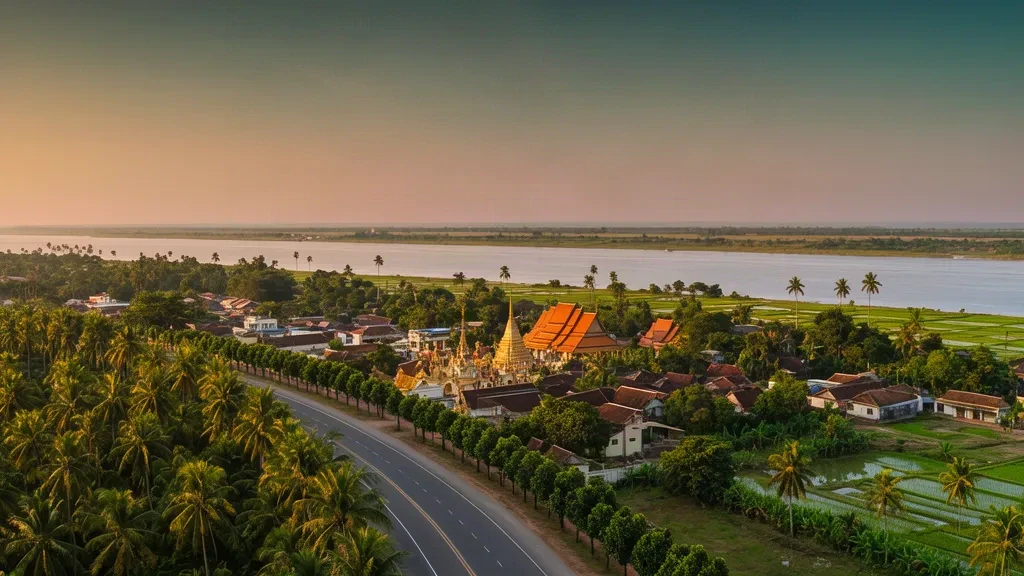
Tboung Khmum
Tboung Khmum, in eastern Cambodia, offers a quieter side of the country, with rubber plantations, traditional villages and an easygoing local pace.
Takeo
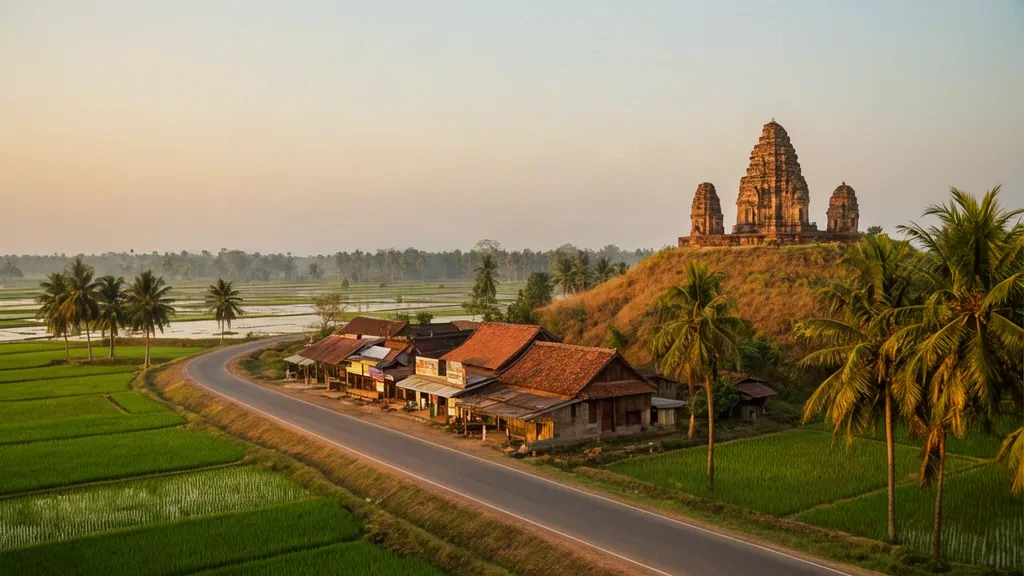
Takeo is a laid-back provincial capital in southern Cambodia, with a history tied to the Funan kingdom and easy access to ancient sites like Angkor Borei and Phnom Da. Its market streets, nearby temple hills and rural surroundings reveal a quieter side of the country.
Svay Rieng
Svay Rieng, the capital of Cambodia's southeastern Svay Rieng Province, is a quiet local hub with busy markets and a location near the Vietnamese border.