Siem Reap
Siem Reap, the gateway to Angkor Wat, pairs centuries-old Khmer temples with a relaxed town vibe, bustling markets and a vibrant riverside.
Passengers
Luggage
About Siem Reap
Siem Reap is a riverside gateway city in northwestern Cambodia and the base for exploring Angkor, one of Southeast Asia's most important archaeological landscapes. As the capital of Siem Reap Province, it blends a laid-back tourist centre with Khmer heritage, French-colonial streets, markets and a busy temple-tour economy.
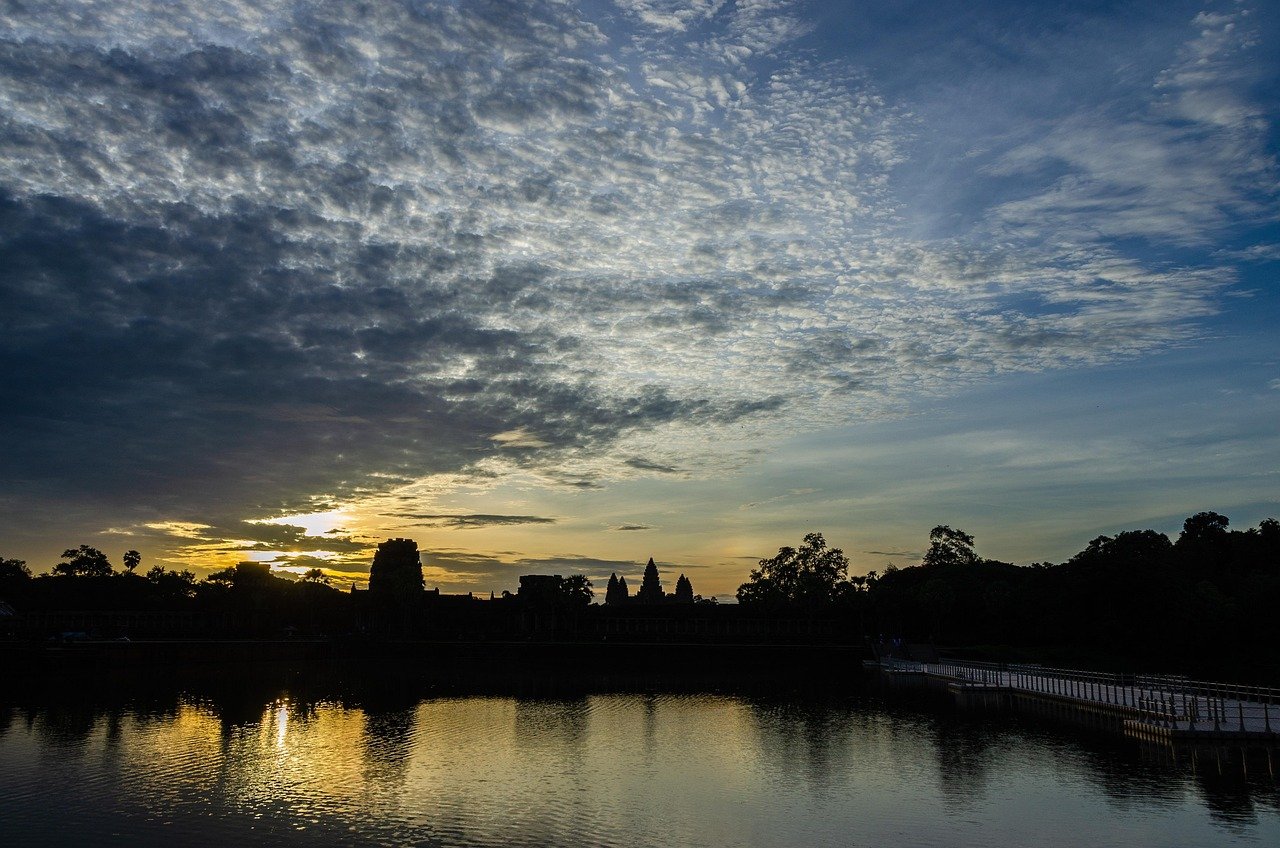
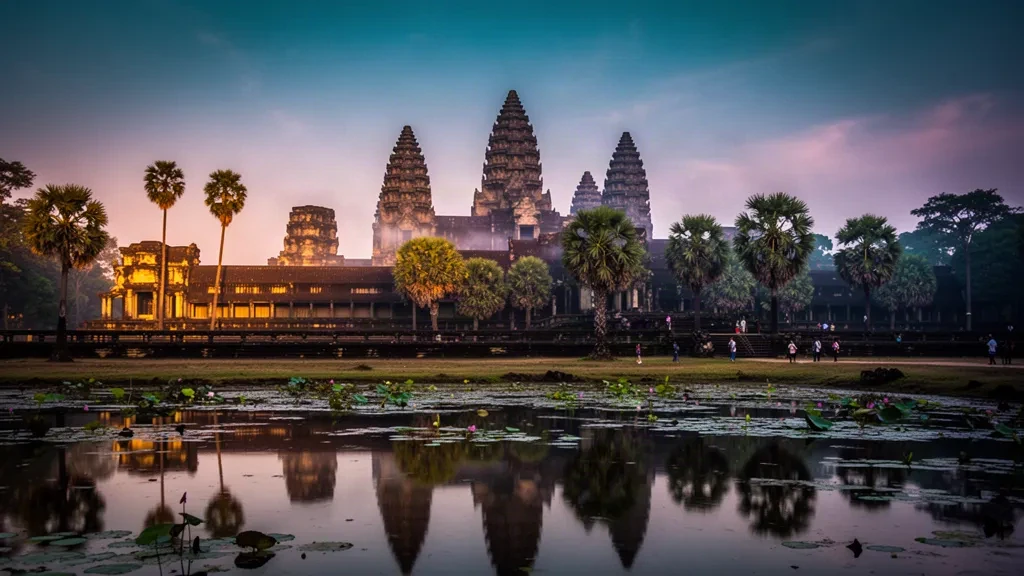
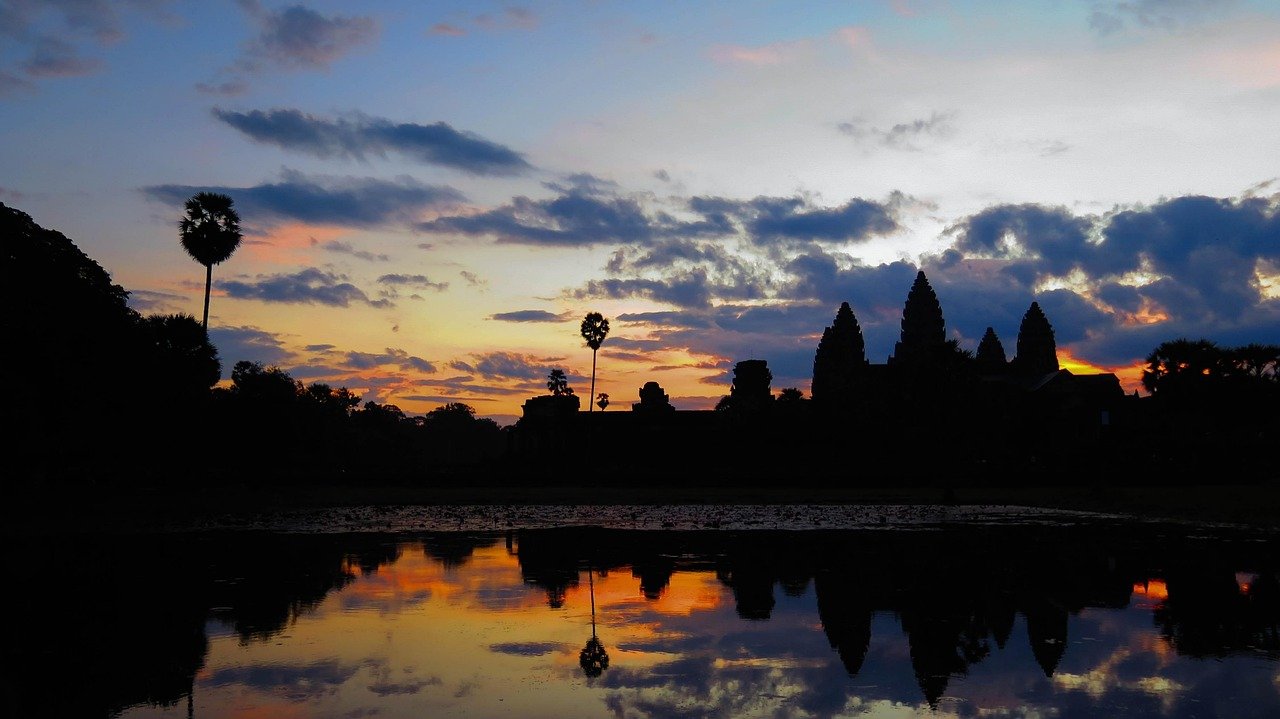
The city's identity is shaped by the nearby Angkor Archaeological Park, a UNESCO World Heritage Site that includes Angkor Wat, the largest religious monument in the world, as well as Angkor Thom, Bayon and the tree-covered ruins of Ta Prohm. Angkor Wat's sunrise silhouette and the detailed bas-reliefs are among Cambodia's most recognised images.
Central Siem Reap is compact and walkable around the Siem Reap River. The Old Market and Pub Street area is the main hub for restaurants, bars and night markets, while Wat Bo, Wat Damnak and Kandal Village offer galleries, cafés and boutique stays. The Angkor National Museum and Artisans Angkor provide deeper insight into Khmer art and crafts.
Beyond the temples, visitors explore Tonlé Sap lake and its floating villages, watch the Phare Ponleu Selpak circus, attend Apsara dance performances and eat local dishes such as fish amok and lok lak. The French colonial quarter and nearby countryside add variety to the itinerary.
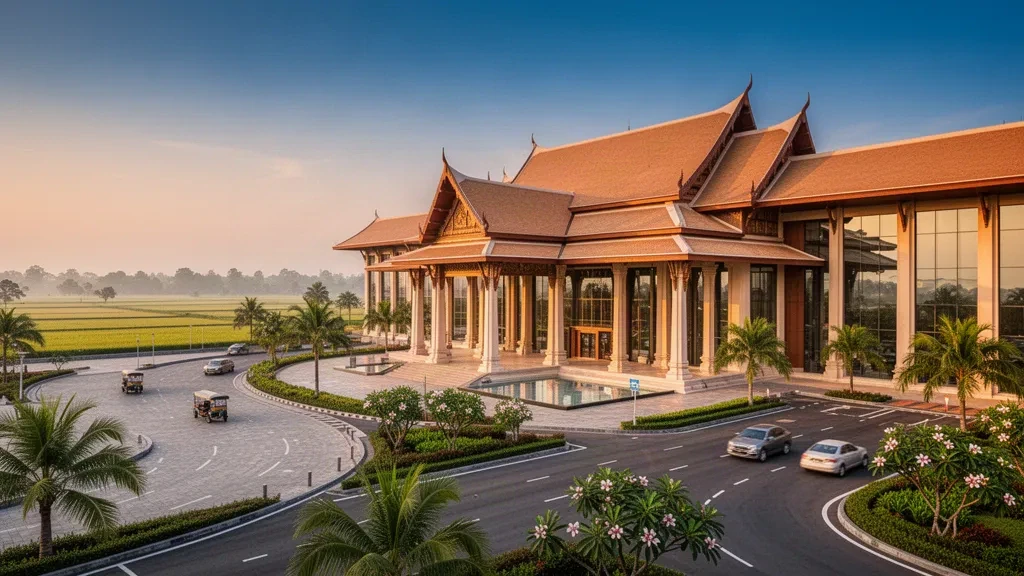
Siem Reap is relevant to both leisure and business travellers because it is Cambodia's primary tourism hub and an increasingly active centre for hospitality, trade and conferences. The new Siem Reap Angkor International Airport has improved regional connections, and the city's hotels, event spaces and transport services support everything from independent sightseeing to group programmes.
Siem Reap Travel Guide
Best Time to Visit
The dry season from November to February is the most comfortable time, with cooler mornings and the best conditions for temple sunrise visits. March to May is hot, while the rainy season from June to October brings lush scenery and fewer crowds.
How to Get Around
Tuk-tuks and remorks are the most common way to reach the Angkor temples and move around central Siem Reap. Taxis, rental bicycles, motorbikes and private chauffeur services are also available for flexible temple circuits and day trips.
Where to Stay
The Old Market and Pub Street area is convenient for restaurants and nightlife, while Wat Bo and Wat Damnak offer riverside boutique hotels and cafés. Quieter options near the road to Angkor and countryside resorts suit travellers seeking space.
Food & Drink
Local specialities include fish amok, lok lak, Khmer curry and num banh chok, served in markets, street stalls and restaurants. Pub Street and the surrounding lanes have lively bars and cafés, while night markets add street food and Khmer sweets.
Ground Transportation Services in Siem Reap
Airport Transfers
Travel between Siem Reap Angkor International Airport and hotels, guesthouses, Angkor temple sites and other destinations across the city and province.
Hourly Chauffeur
Book a private driver by the hour for Angkor temple circuits, business meetings, events and flexible sightseeing around Siem Reap.
Car Rental
Rent a car for independent travel around Siem Reap and convenient day trips to Tonlé Sap, Phnom Kulen and nearby destinations.
Bus & Group Transfers
Arrange minibuses or charter buses for groups, corporate travel, events, airport transfers and temple tours in and around Siem Reap.
Frequently Asked Questions
Related Cities in Cambodia
View all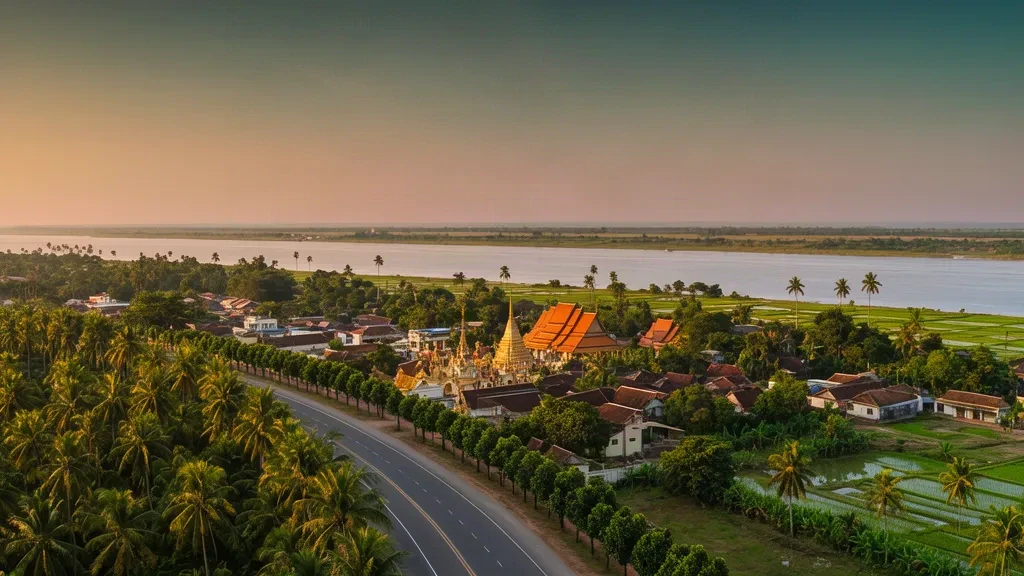
Tboung Khmum
Tboung Khmum, in eastern Cambodia, offers a quieter side of the country, with rubber plantations, traditional villages and an easygoing local pace.
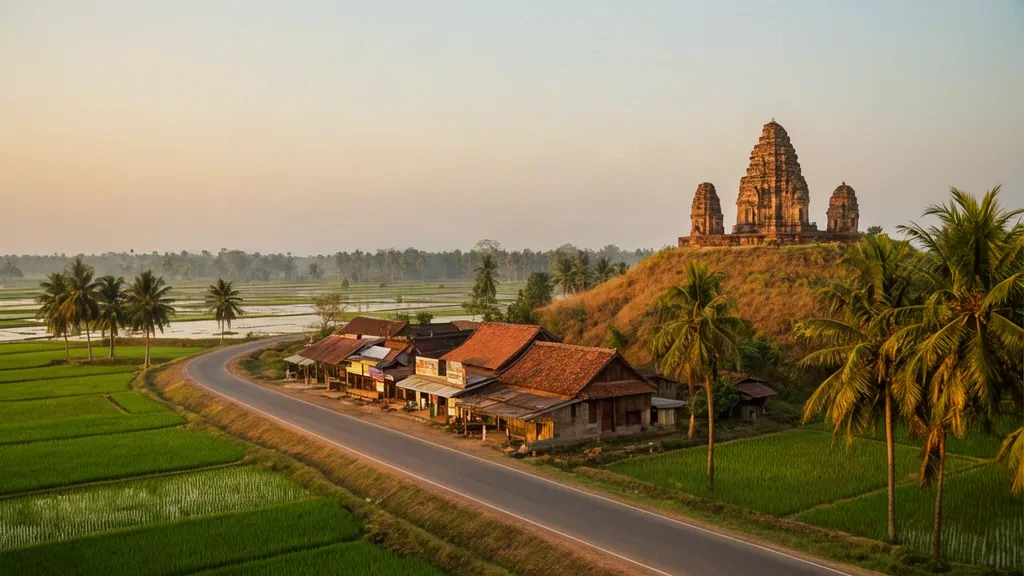
Takeo
Takeo is a laid-back provincial capital in southern Cambodia, with a history tied to the Funan kingdom and easy access to ancient sites like Angkor Borei and Phnom Da. Its market streets, nearby temple hills and rural surroundings reveal a quieter side of the country.
Svay Rieng
Svay Rieng, the capital of Cambodia's southeastern Svay Rieng Province, is a quiet local hub with busy markets and a location near the Vietnamese border.