Cuiabá
Cuiabá, the capital of Mato Grosso, serves as a gateway to the Pantanal and combines colonial landmarks, river traditions and a lively central Brazilian culture.
Passengers
Luggage
About Mato Grosso
Cuiabá is the capital of Mato Grosso and a major gateway to two of Brazil's most remarkable natural regions: the Pantanal wetlands and the Chapada dos Guimarães plateau. Known as the Green City for its tree-lined avenues and parks, it combines a practical, fast-growing commercial centre with a warm and distinctive regional culture.
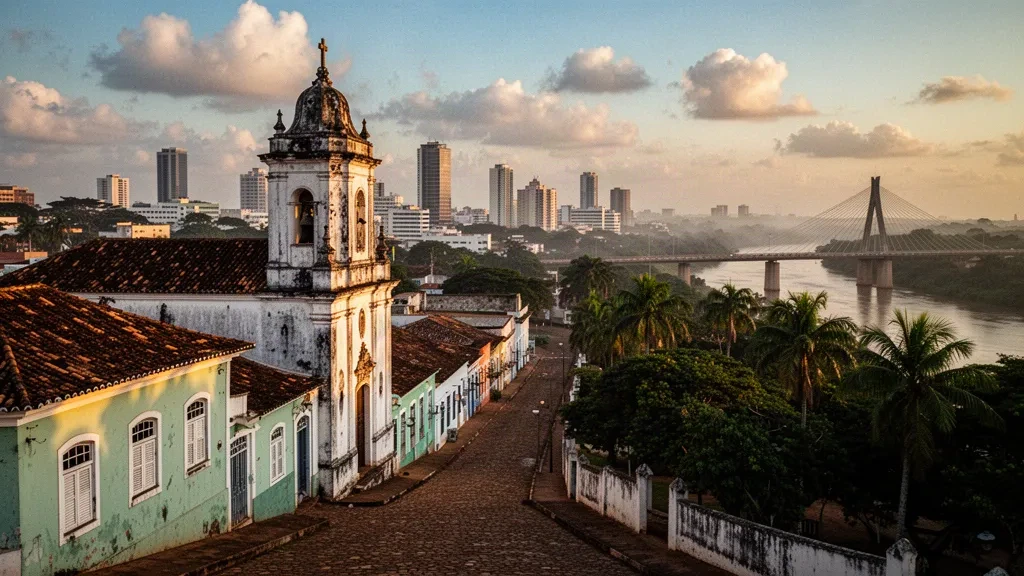
Founded in 1719 during the colonial gold rush, Cuiabá grew around mining and later cattle ranching before becoming the capital and trading hub of a vast agricultural state. Its historic centre preserves colonial churches and low-rise buildings, including the Church of Our Lady of the Rosary and Saint Benedict, while the Museu Rondon tells the story of the region's indigenous and exploration history.
Landmarks and attractions range from the modern Arena Pantanal, built for the 2014 FIFA World Cup, to the riverside Mercado do Porto and the shaded historic centre. Most visitors use the city as a base for day trips and multi-day excursions into the northern Pantanal and the waterfalls and red-rock cliffs of Chapada dos Guimarães National Park.
Neighbourhoods such as Centro, Goiabeiras, Santa Rosa and Jardim das Américas each offer a different pace, from heritage streets and markets to hotels, shopping centres, universities and restaurants. The city's cuisine is anchored in river fish and regional staples such as maria isabel, pacu, farofa de banana and pintado.
Cuiabá is also an important centre for agribusiness, logistics and regional commerce, and hosts conferences, trade fairs and corporate events throughout the year. For both leisure and business travellers, it works as a practical urban base with direct access to some of Brazil's most distinctive landscapes.
Mato Grosso Travel Guide
Best Time to Visit
The dry season from May to September is the best period for visiting Cuiabá, with sunny days and lower humidity. July to October is especially good for wildlife viewing in the Pantanal, while the wet season from November to March brings heavy rains and hotter weather.
How to Get Around
Cuiabá has a municipal bus system with a BRT corridor, along with taxis and ride-hailing apps for point-to-point trips. The city is spread out, so a car or private driver is useful for reaching attractions such as Chapada dos Guimarães and the airport.
Where to Stay
Centro is convenient for the historic centre, museums and markets, while Goiabeiras and Santa Rosa offer modern hotels, shopping and restaurants. Staying near the airport or on the main avenues also works well for early departures to the Pantanal and Chapada dos Guimarães.
Food & Drink
Cuiabá's cuisine features river fish and regional dishes such as maria isabel, pacu, farofa de banana, mogica de pintado and pequi. Try local restaurants, lunch spots around Mercado do Porto and fresh fruit juices and cafés across the city.
Ground Transportation Services in Mato Grosso
Airport Transfers
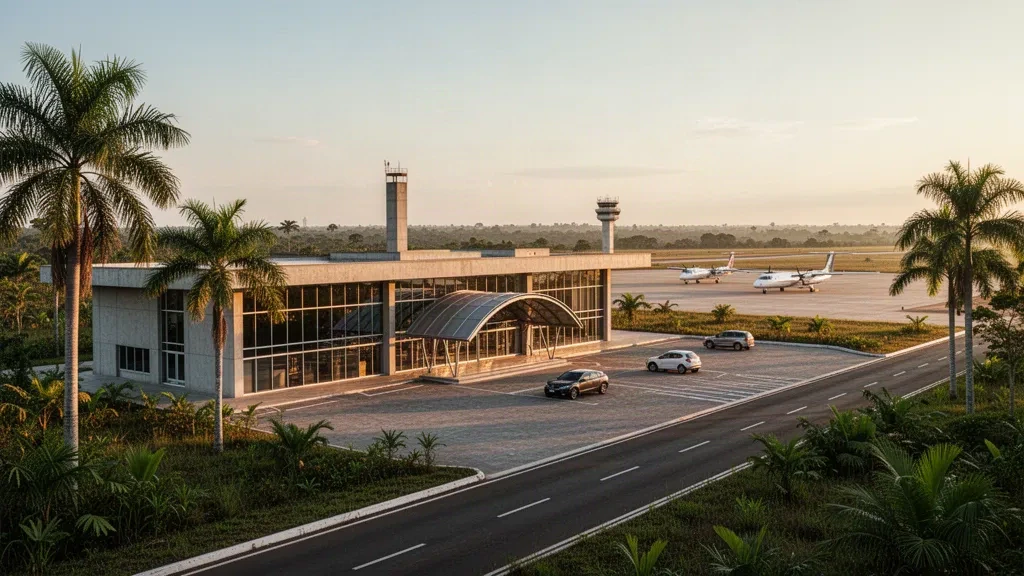
Travel between Marechal Rondon International Airport and hotels, the historic centre, business areas and gateways to the Pantanal and Chapada dos Guimarães.
Hourly Chauffeur
Book a private driver by the hour for business meetings, events, sightseeing around Cuiabá or day trips to nearby attractions.
Car Rental
Rent a car in Cuiabá for independent travel around the city and for self-drive trips to Chapada dos Guimarães National Park and the northern Pantanal.
Bus & Group Transfers
Arrange minibuses or charter buses for groups, corporate travel, events, airport transfers and tours from Cuiabá to regional destinations.
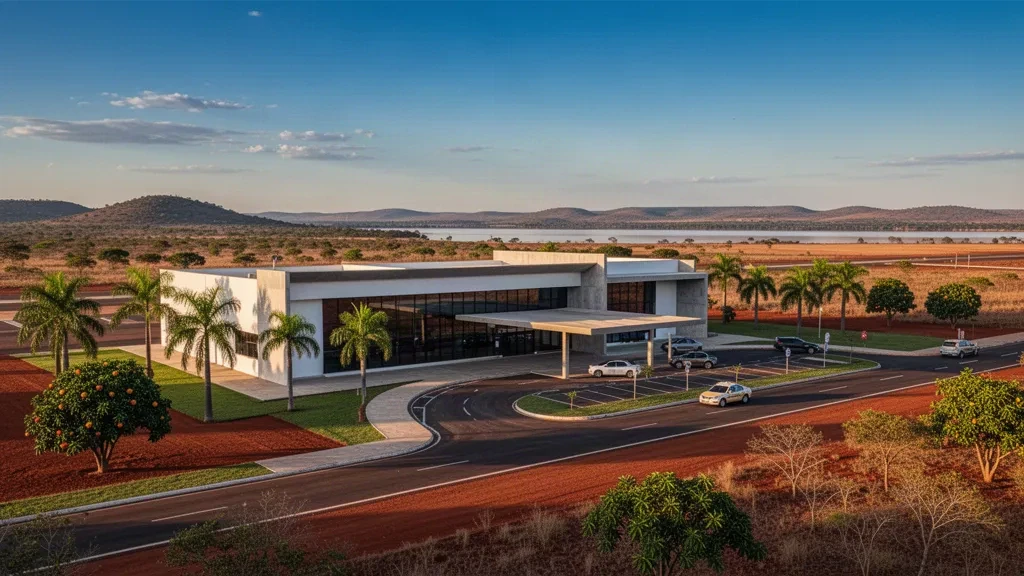
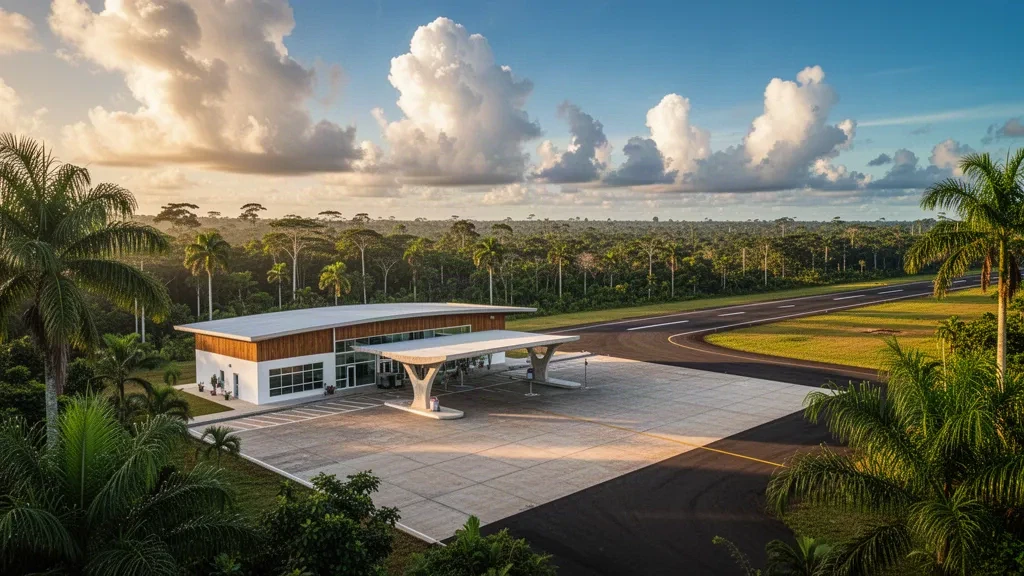
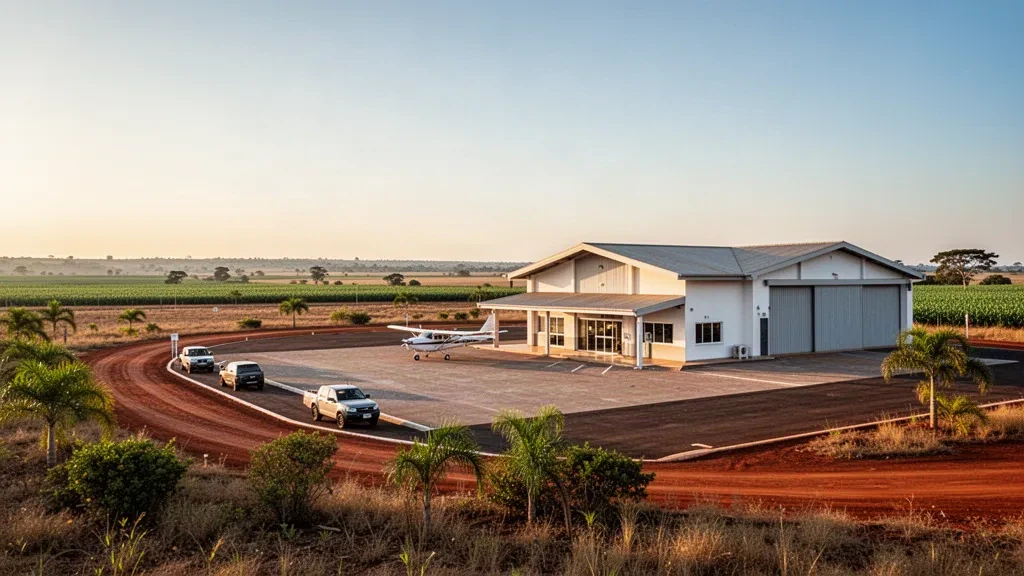
Airports in Mato Grosso
Frequently Asked Questions
Related Cities in Brazil
View all
Palmas
Palmas, one of Brazil's newest state capitals, pairs a planned urban layout with river beaches and cerrado landscapes, serving as a gateway to Tocantins.
Aracaju
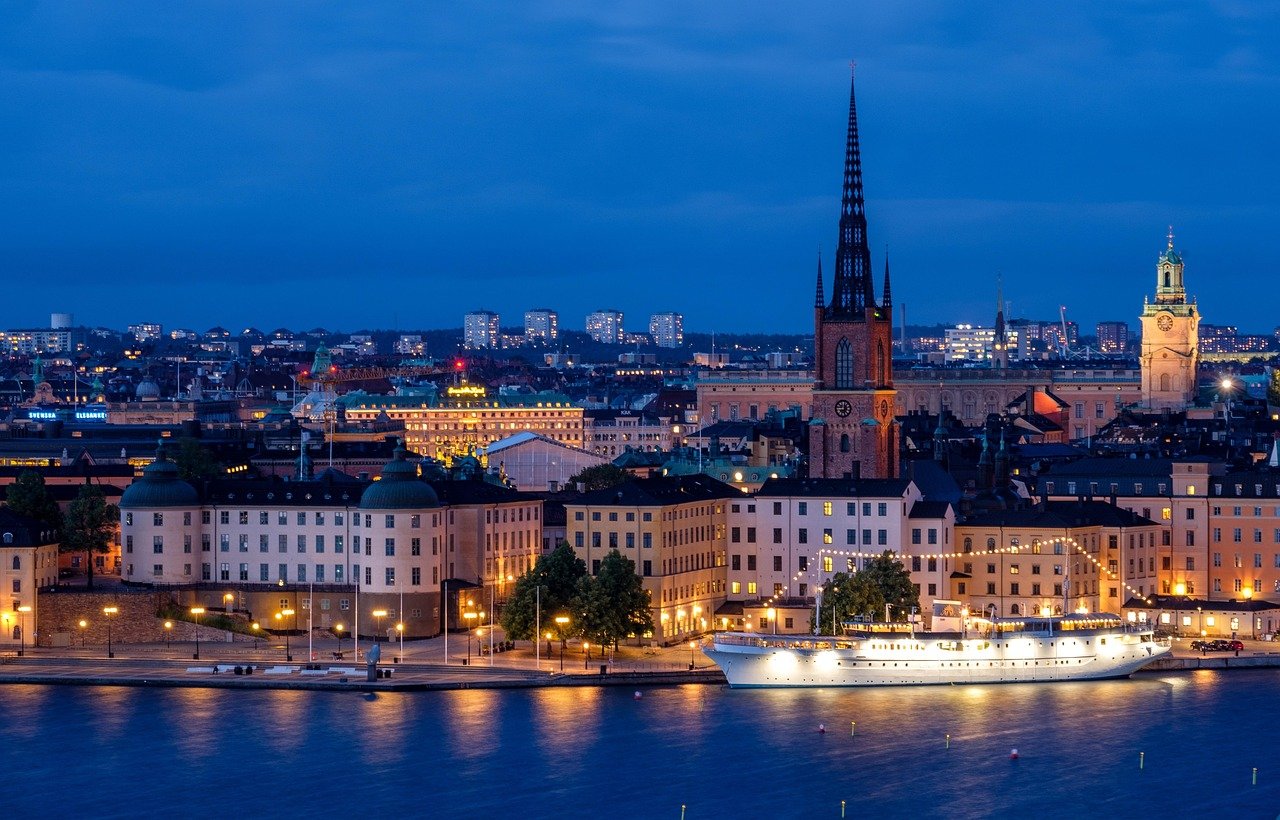
Aracaju, the capital of Sergipe in northeastern Brazil, blends a relaxed riverside setting with wide tree-lined avenues, colonial heritage and a lively Atlantic coastline.
São Paulo
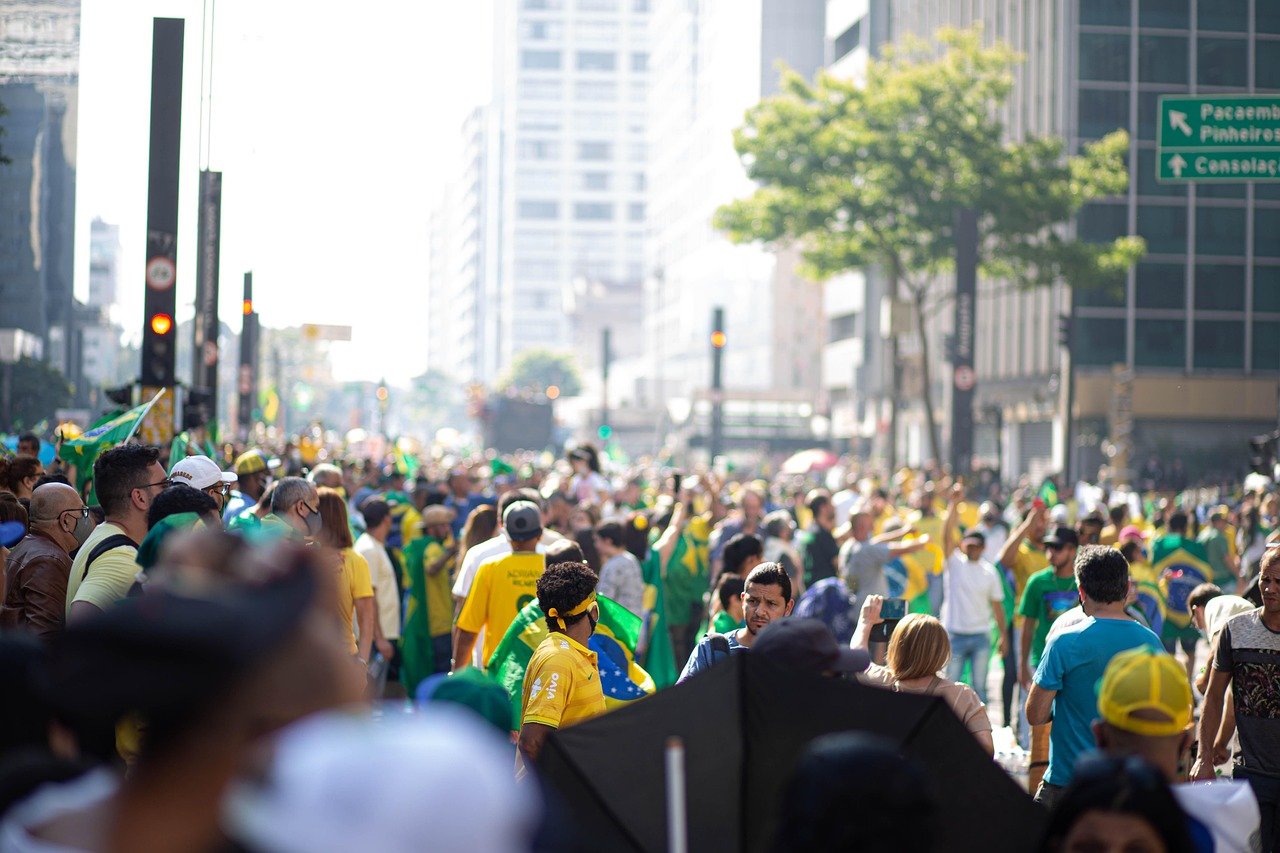
São Paulo pairs its industrial past with a fast-moving present, where landmark architecture, world-class museums, diverse neighbourhoods and a celebrated food scene shape daily life.