Salvador
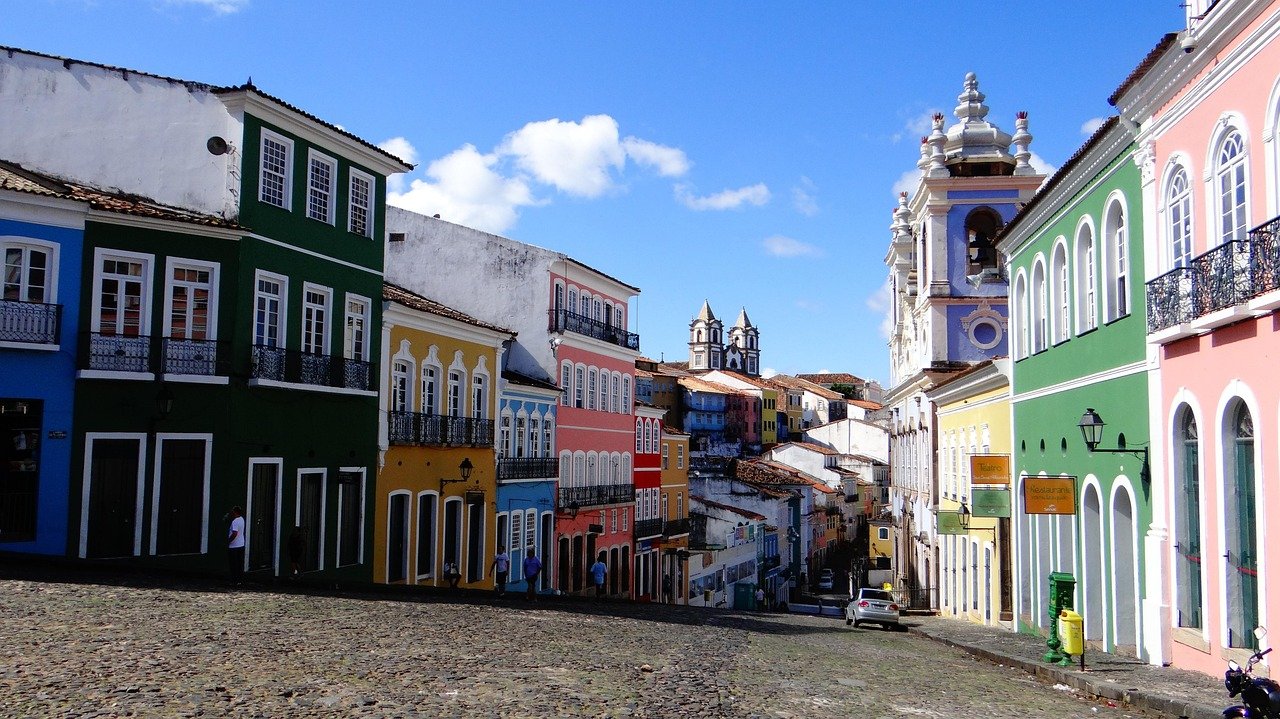
Salvador, the capital of Bahia, is known for its colonial architecture, Afro-Brazilian culture, vibrant music, and coastal landmarks like Pelourinho and Elevador Lacerda.
Passengers
Luggage
About Bahia
Salvador is the capital of Bahia and one of Brazil's most culturally distinctive cities. Founded in 1549 as the first capital of Brazil, it combines colonial architecture, Afro-Brazilian traditions, music and a lively Atlantic coastline around the Bay of All Saints.
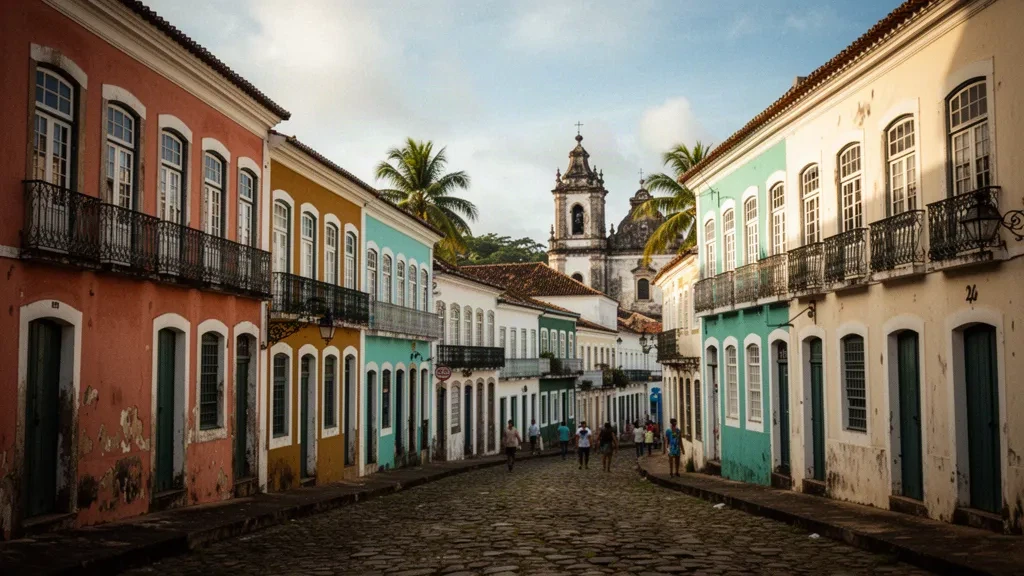
The UNESCO-listed Pelourinho historic centre is the heart of the city, with pastel-coloured townhouses, cobbled streets and landmarks such as São Francisco Church and Convent, Elevador Lacerda and Mercado Modelo. The city is split between the Cidade Alta and Cidade Baixa, linked by elevators and funiculars that offer views over the bay.
Districts and beaches define much of daily life: Barra is known for its lighthouse and sunset views, Rio Vermelho for restaurants and nightlife, and Itapuã for its laid-back beach culture. Salvador's Carnival is among the largest street festivals in the world, shaped by drum groups, samba-reggae and axé music.
Afro-Bahian cuisine is a major draw, with acarajé, moqueca, vatapá and caruru served at street stalls, markets and restaurants. Beyond tourism, Salvador is an important port and commercial centre for Bahia and Northeast Brazil, with a growing services economy and events calendar.
For leisure travellers, Salvador offers beaches, history, music and food; for business visitors, it provides a regional gateway with conference infrastructure and connections to Bahia's coast and inland destinations such as the Chapada Diamantina.
Bahia Travel Guide
Best Time to Visit
The driest and sunniest months from September to March are generally best for beaches, sightseeing and outdoor events, with Carnival in February or March as the city's biggest celebration. April to July brings more rain, although temperatures stay warm year-round.
How to Get Around
Salvador has a metro system, municipal buses and funiculars such as the Elevador Lacerda and Plano Inclinado linking the upper and lower city. Taxis and ride-hailing apps are common, while the historic Pelourinho is best explored on foot.
Where to Stay
Barra and Ondina offer beachfront hotels near the lighthouse and Carnival circuits, while Pelourinho and Santo Antônio Além do Carmo suit visitors seeking historic charm. Rio Vermelho is popular for its restaurants and nightlife.
Food & Drink
Salvador's Afro-Bahian cuisine includes acarajé, moqueca, vatapá and caruru, sold at street stalls, markets and restaurants across the city. Seafood, tropical fruit juices and the dining and nightlife scene in Rio Vermelho and Pelourinho offer plenty of choice.
Ground Transportation Services in Bahia
Airport Transfers
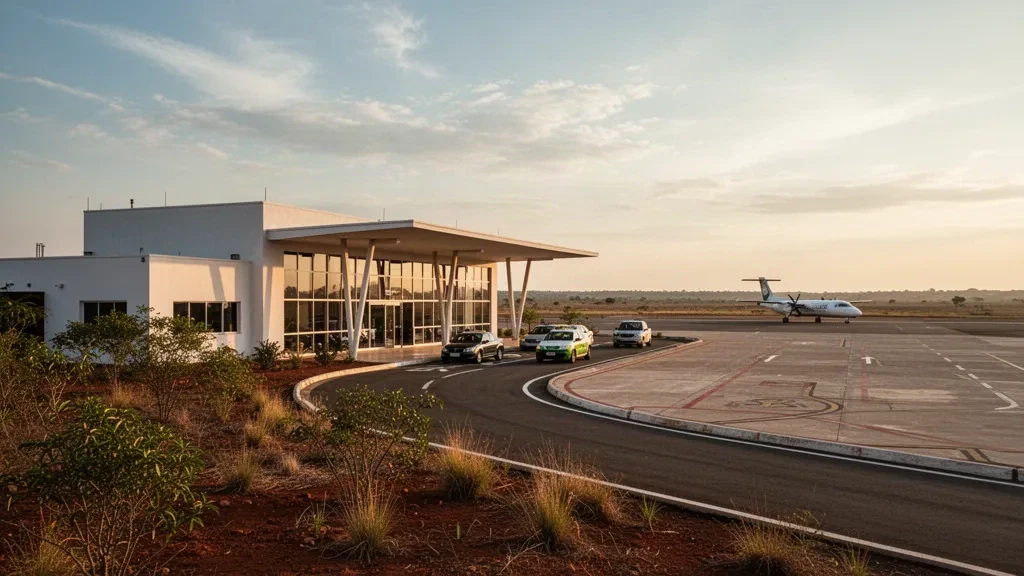
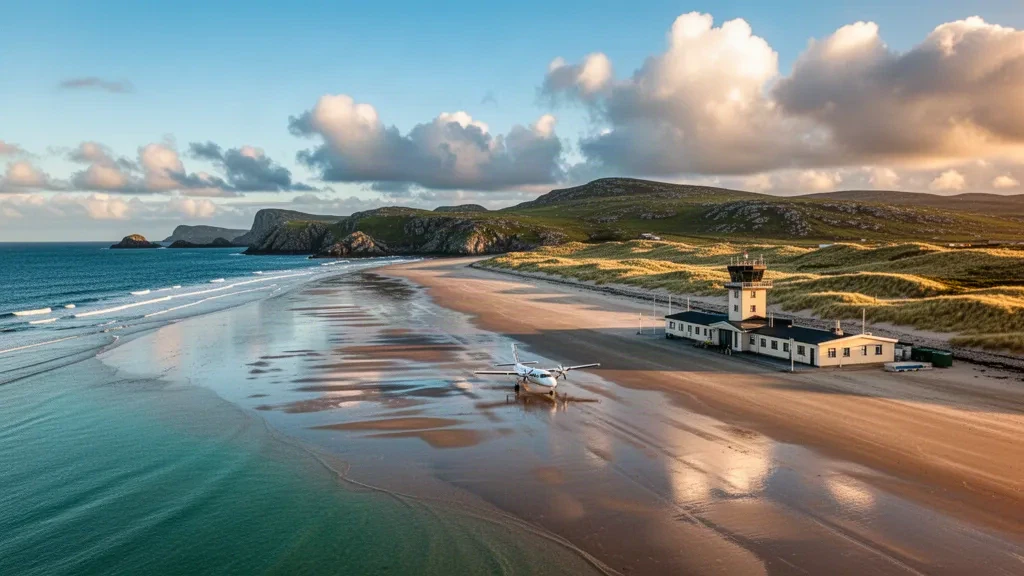
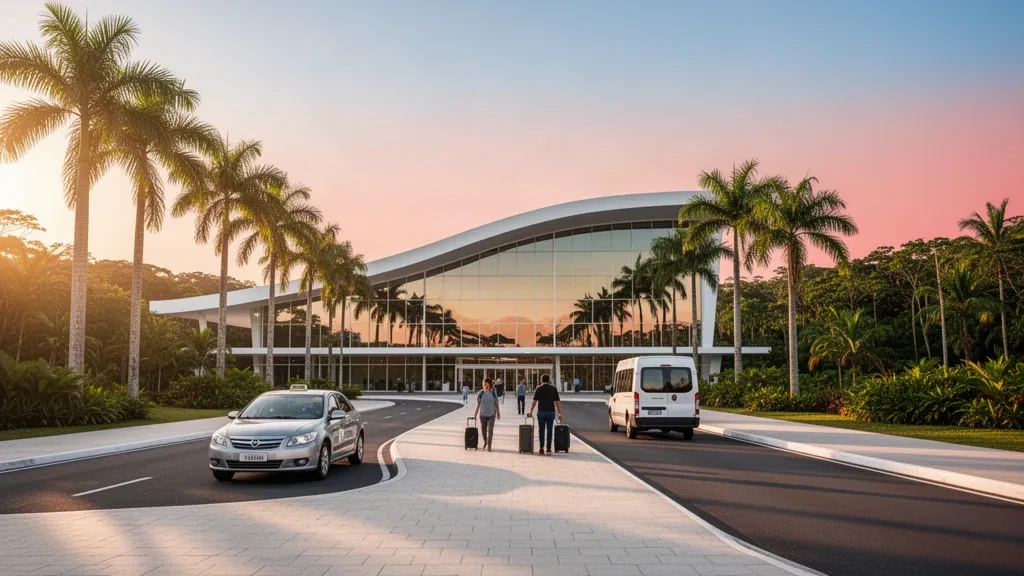
Travel between Salvador International Airport (SSA) and hotels, beaches, the historic centre and other destinations across Salvador and the Bahian coast.
Hourly Chauffeur
Book a private chauffeur by the hour for business meetings, events, sightseeing and flexible travel around Salvador and nearby coastal areas.
Car Rental
Rent a car in Salvador for independent travel around the city, beaches such as Itapuã and Flamengo, and day trips along Bahia's coast.
Bus & Group Transfers
Arrange minibuses or charter buses for groups, corporate travel, events, airport transfers and tours in Salvador and the surrounding Bahia region.
Airports in Bahia
Frequently Asked Questions
Related Cities in Brazil
View all
Palmas
Palmas, one of Brazil's newest state capitals, pairs a planned urban layout with river beaches and cerrado landscapes, serving as a gateway to Tocantins.
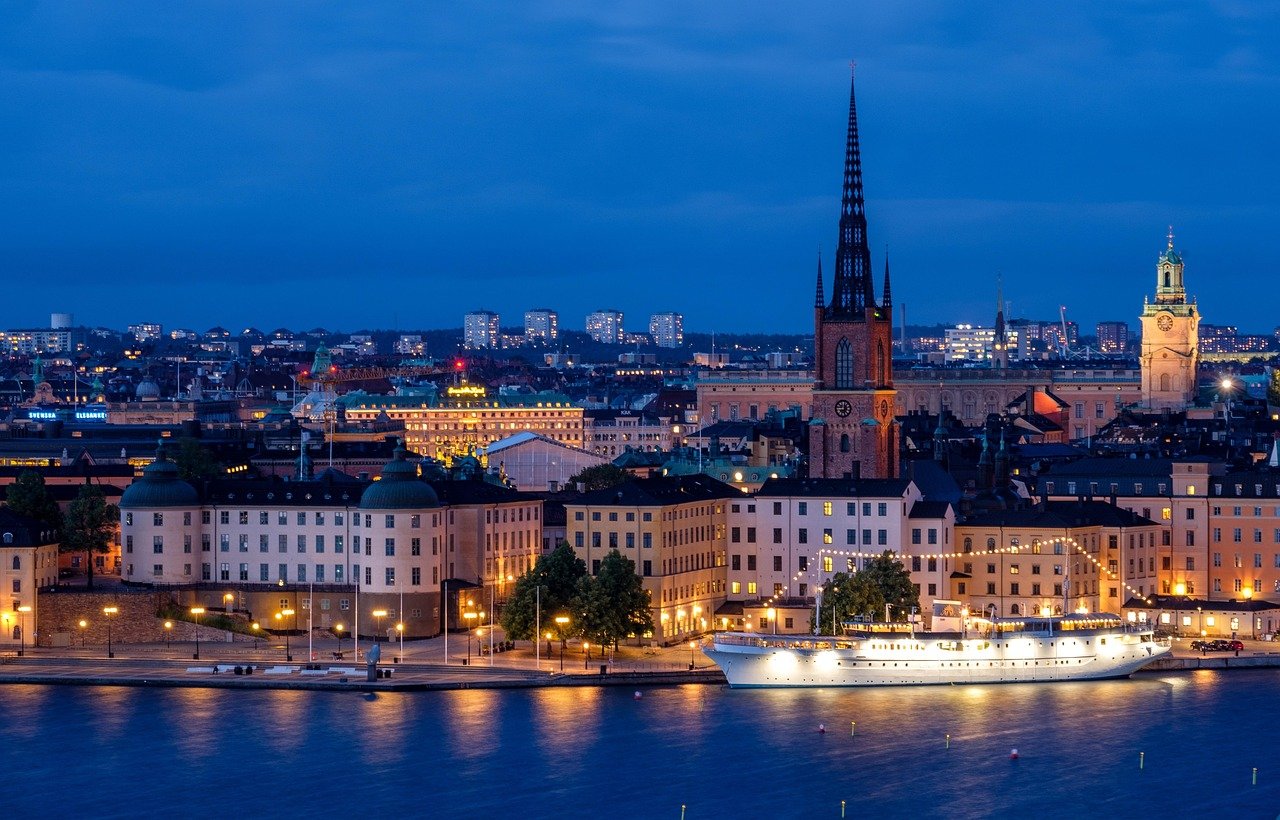
Aracaju
Aracaju, the capital of Sergipe in northeastern Brazil, blends a relaxed riverside setting with wide tree-lined avenues, colonial heritage and a lively Atlantic coastline.
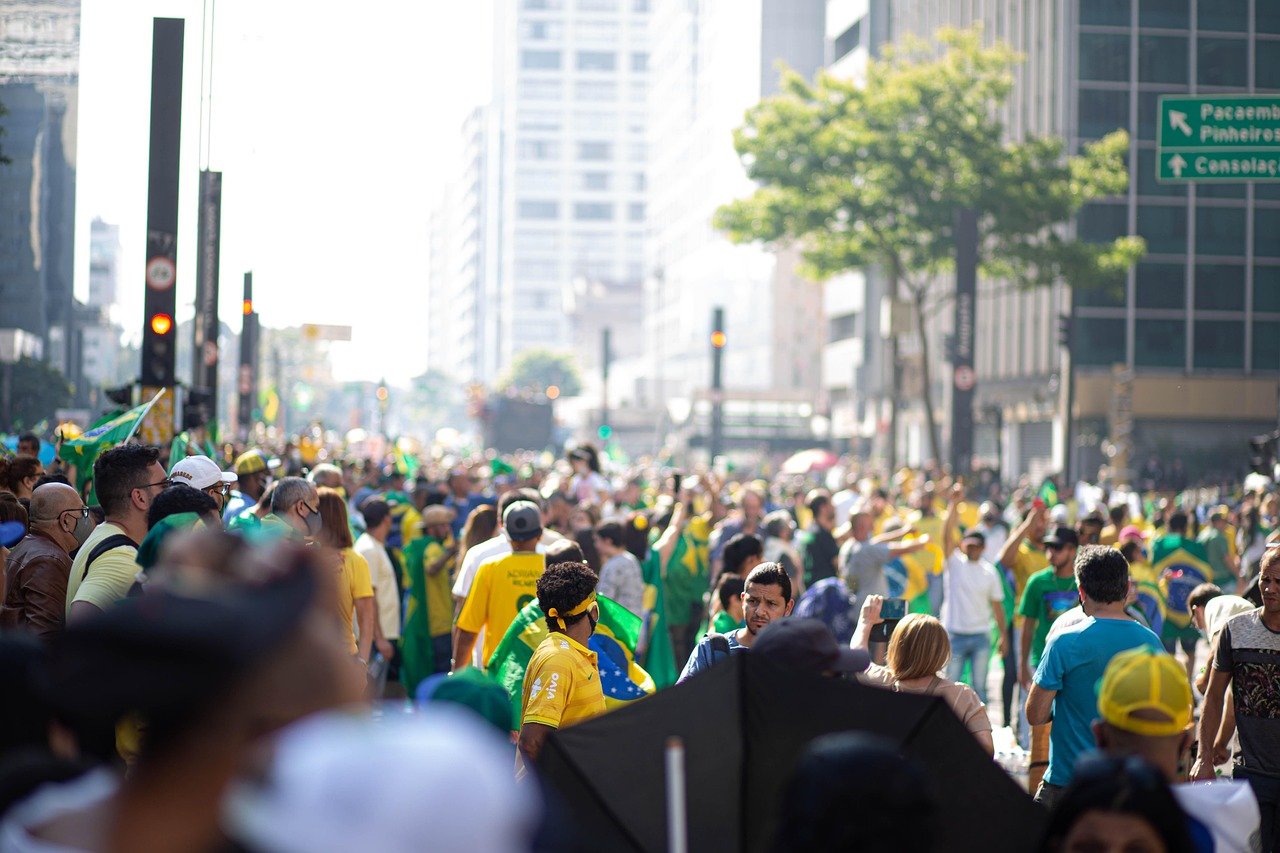
São Paulo
São Paulo pairs its industrial past with a fast-moving present, where landmark architecture, world-class museums, diverse neighbourhoods and a celebrated food scene shape daily life.