La Paz
La Paz, Bolivia's seat of government, is a high-altitude city known for its dramatic Andean setting, rich indigenous heritage and bustling markets.
Passengers
Luggage
About La Paz
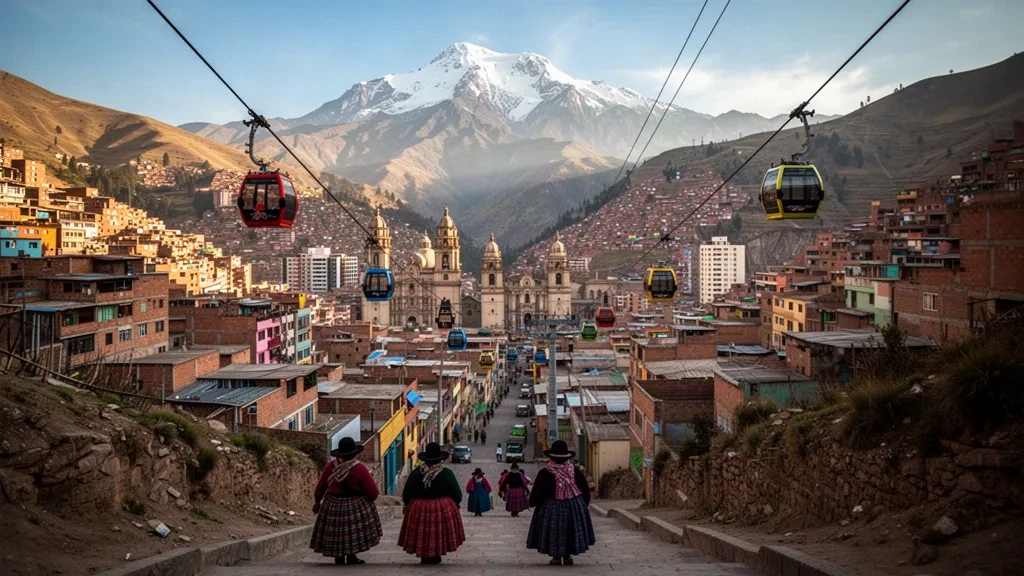
La Paz is Bolivia's seat of government and its main administrative centre, even though Sucre remains the constitutional capital. The city fills a dramatic canyon below the high Altiplano at roughly 3,640 metres, framed by the Cordillera Real and the snow-capped Illimani, which gives it a striking setting and makes it one of the world's highest major cities.
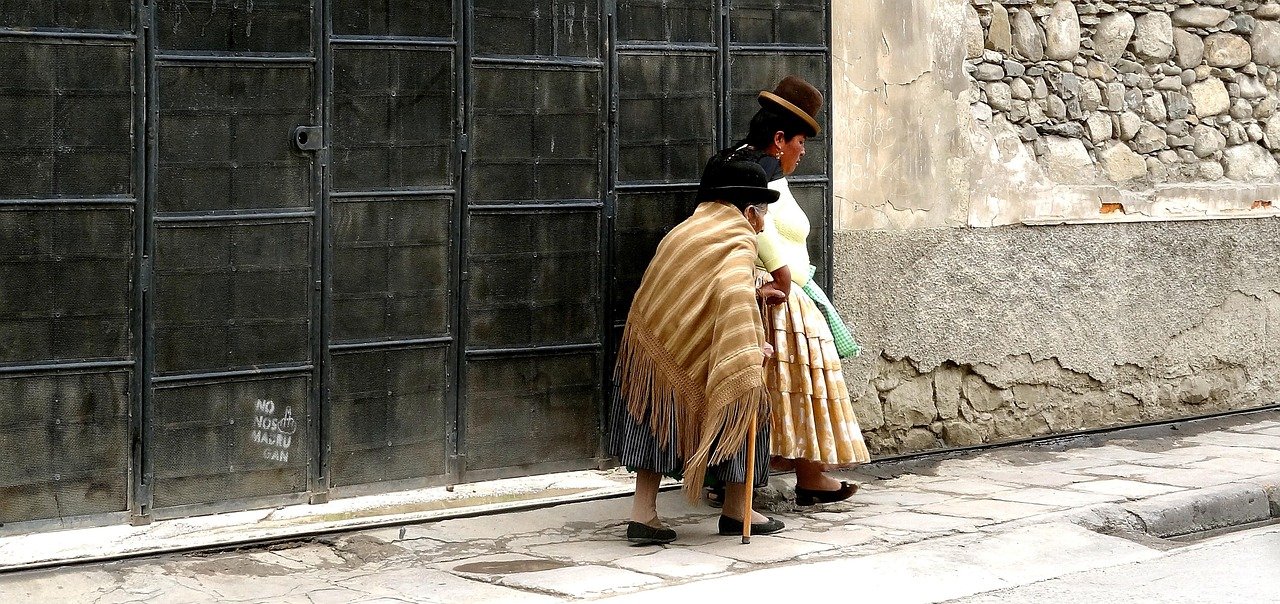
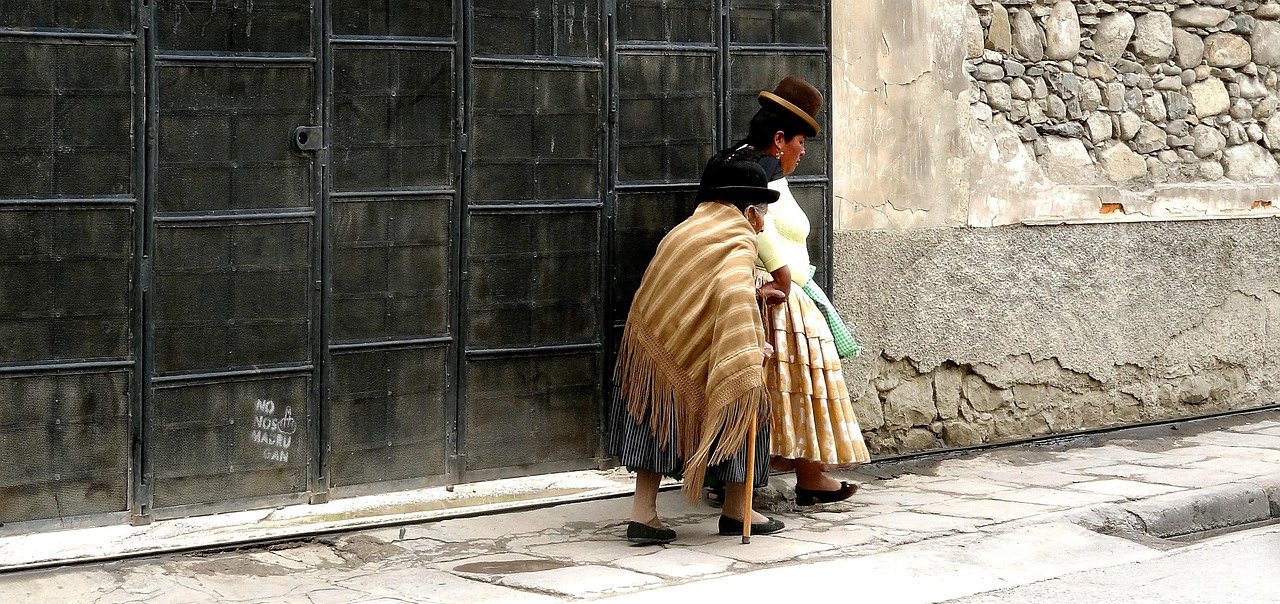
Founded in 1548 as Nuestra Señora de La Paz, the city retains a strong colonial and indigenous character. Around the historic centre, visitors find Plaza Murillo, the Metropolitan Cathedral, the San Francisco Church and the narrow, museum-lined Jaén Street, while Aymara culture remains visible in daily life and in markets such as the famous Witches' Market.
Neighbourhoods range from the busy central grid and bohemian Sopocachi to the quieter, lower Zona Sur districts of Calacoto and San Miguel. The Mi Teleférico cable-car network connects many of these areas with El Alto and offers sweeping views of the bowl-shaped city, while the Valle de la Luna and nearby mountain viewpoints add easy outdoor escapes.
As the seat of government, La Paz hosts embassies, public institutions and much of Bolivia's administrative and financial activity, and it supports a strong events calendar that includes festivals such as Alasitas and Gran Poder. Its food scene combines street staples such as salteñas and api with market lunches and contemporary restaurants, and Sopocachi and the Zona Sur are known for nightlife and dining.
For leisure and business travellers alike, La Paz offers a memorable mix of high-altitude scenery, living indigenous traditions, historic landmarks and practical connections to destinations such as Lake Titicaca and the Yungas.
La Paz Travel Guide
Best Time to Visit
The dry season from May to October generally brings clearer skies and less rain, making it a good time for cable-car rides, viewpoints and day trips. November to March is warmer but wetter, and first-time visitors should allow time to acclimatise to the high altitude.
How to Get Around
La Paz is best explored with the Mi Teleférico cable-car network, which connects the city centre with El Alto and residential areas, alongside minibuses, shared taxis and municipal PumaKatari buses. Walking works well in the compact centre, though steep streets and high altitude make short distances feel longer.
Where to Stay
The historic centre suits visitors who want to be close to Plaza Murillo, San Francisco Church and the city's main museums. Sopocachi is popular for cafés and nightlife, while the lower, quieter Zona Sur districts of Calacoto and San Miguel offer more modern hotels and restaurants.
Food & Drink
Local staples include salteñas, anticuchos and api with buñuelos, sold in markets and street stalls across the city. La Paz also has a growing restaurant scene, from traditional market lunches to contemporary dining, especially in Sopocachi and the Zona Sur.
Ground Transportation Services in La Paz
Airport Transfers
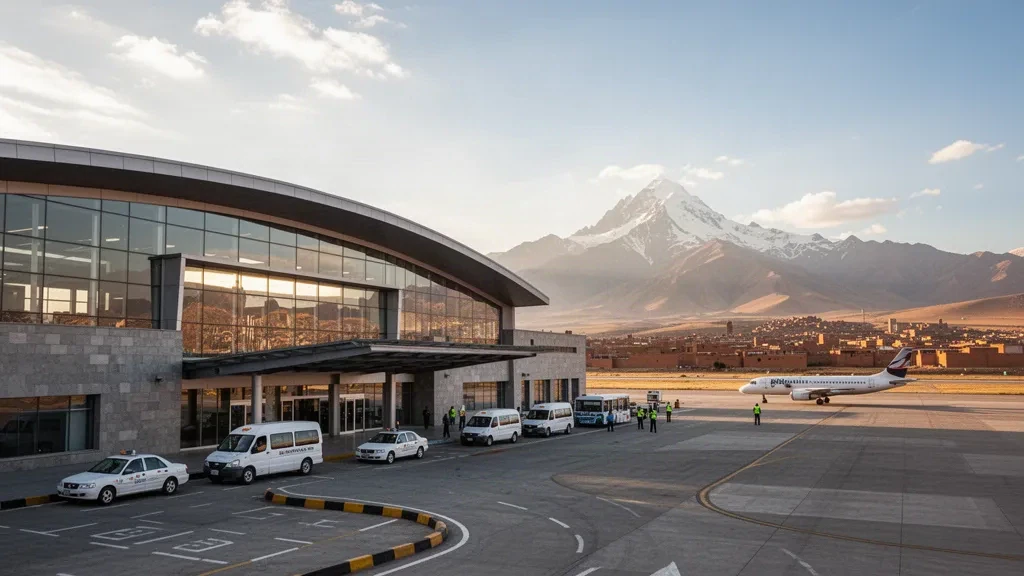
A pre-booked airport transfer is a practical way to make the descent from El Alto International Airport into central La Paz, especially with luggage or after a flight at high altitude.
Hourly Chauffeur
Book a private chauffeur by the hour for business meetings, events, sightseeing and flexible travel around La Paz and nearby El Alto.
Car Rental
Rent a car in La Paz for independent travel around the city and trips to nearby destinations such as the Valle de la Luna, Lake Titicaca and the Yungas.
Bus & Group Transfers
Arrange minibuses or charter buses for groups, corporate travel, events, airport transfers and tours in La Paz and surrounding areas.
Frequently Asked Questions
Related Cities in Bolivia
View all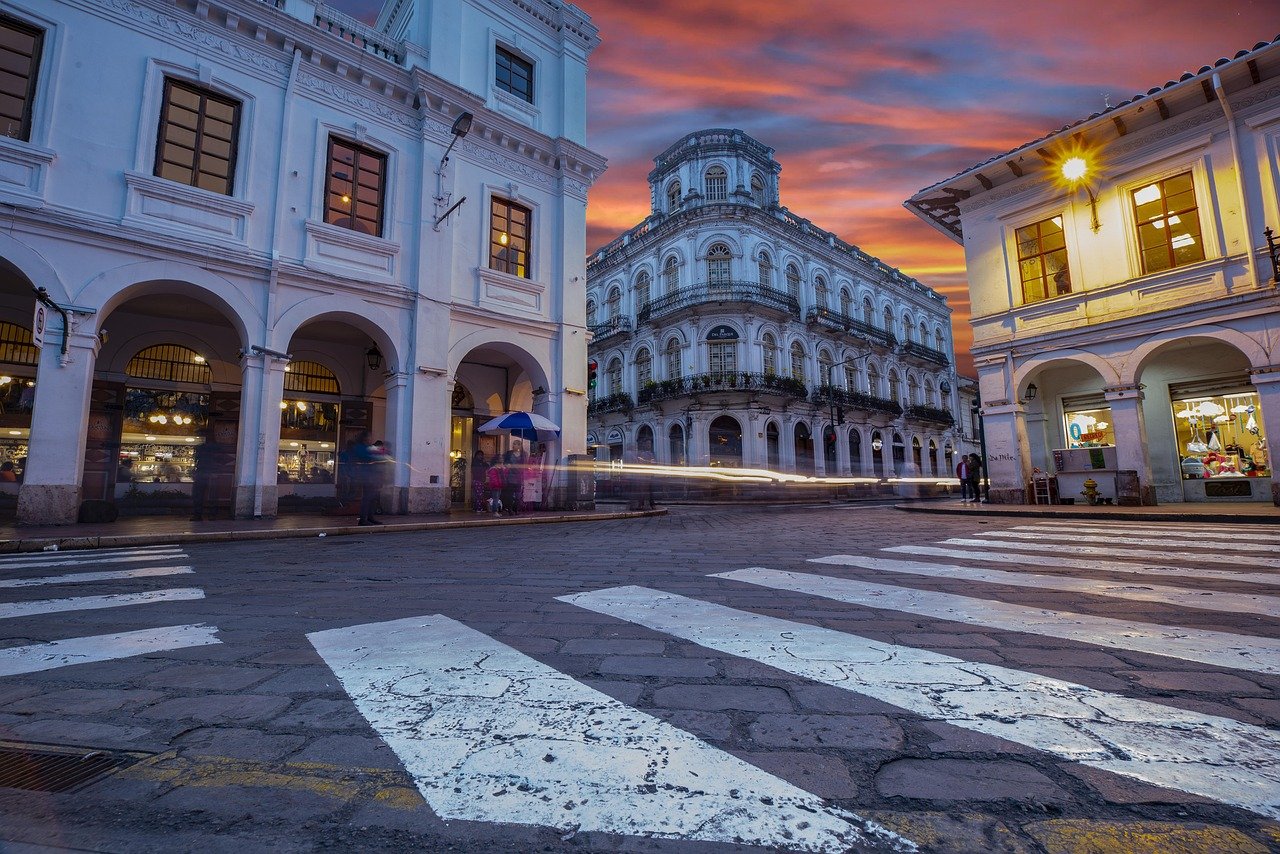
Tarija
Tarija, set in a fertile valley in southern Bolivia, is known for its mild climate, colonial architecture and relaxed wine-country atmosphere. Its plazas, markets and nearby vineyards give the city a distinct character that appeals to both business travelers and visitors exploring the region.
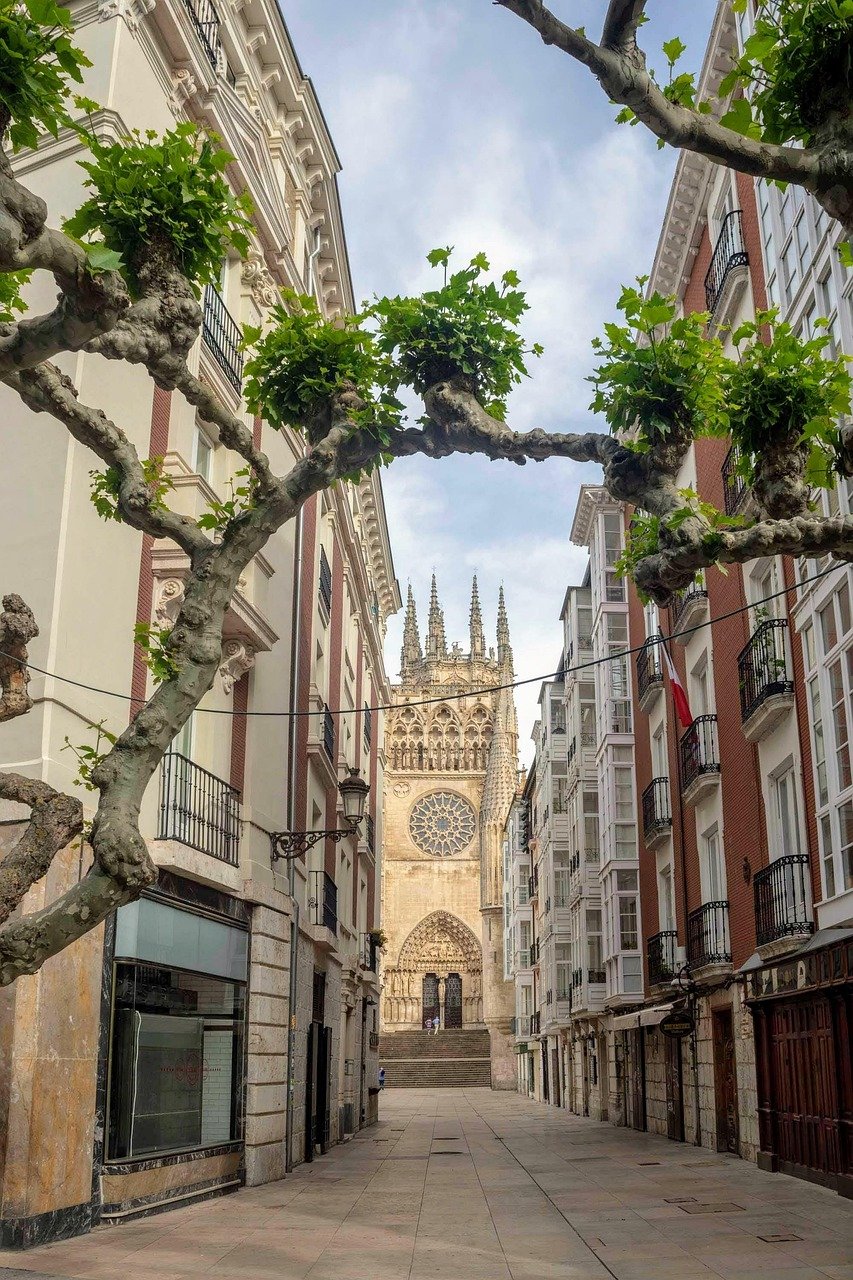
Santa Cruz
Santa Cruz, Bolivia's largest city, blends tropical energy with modern commerce and a vibrant cultural scene. Its lively markets, warm climate and proximity to the Amazon basin make it a distinctive destination.
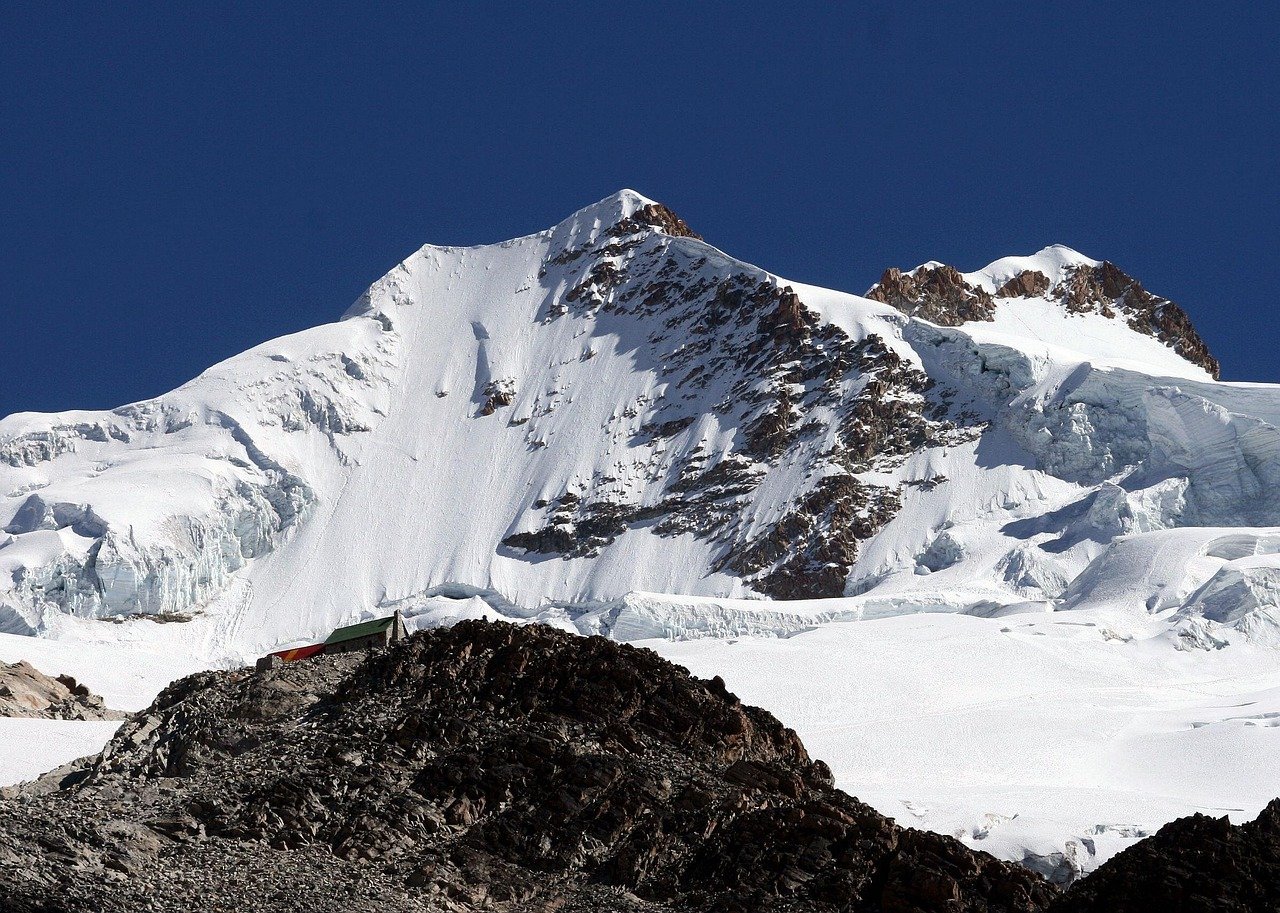
Potosí
Potosí, a historic Andean city in Bolivia, is renowned for its colonial architecture and silver mining heritage. Its steep streets and vibrant markets reveal a rich cultural tapestry shaped by centuries of history.