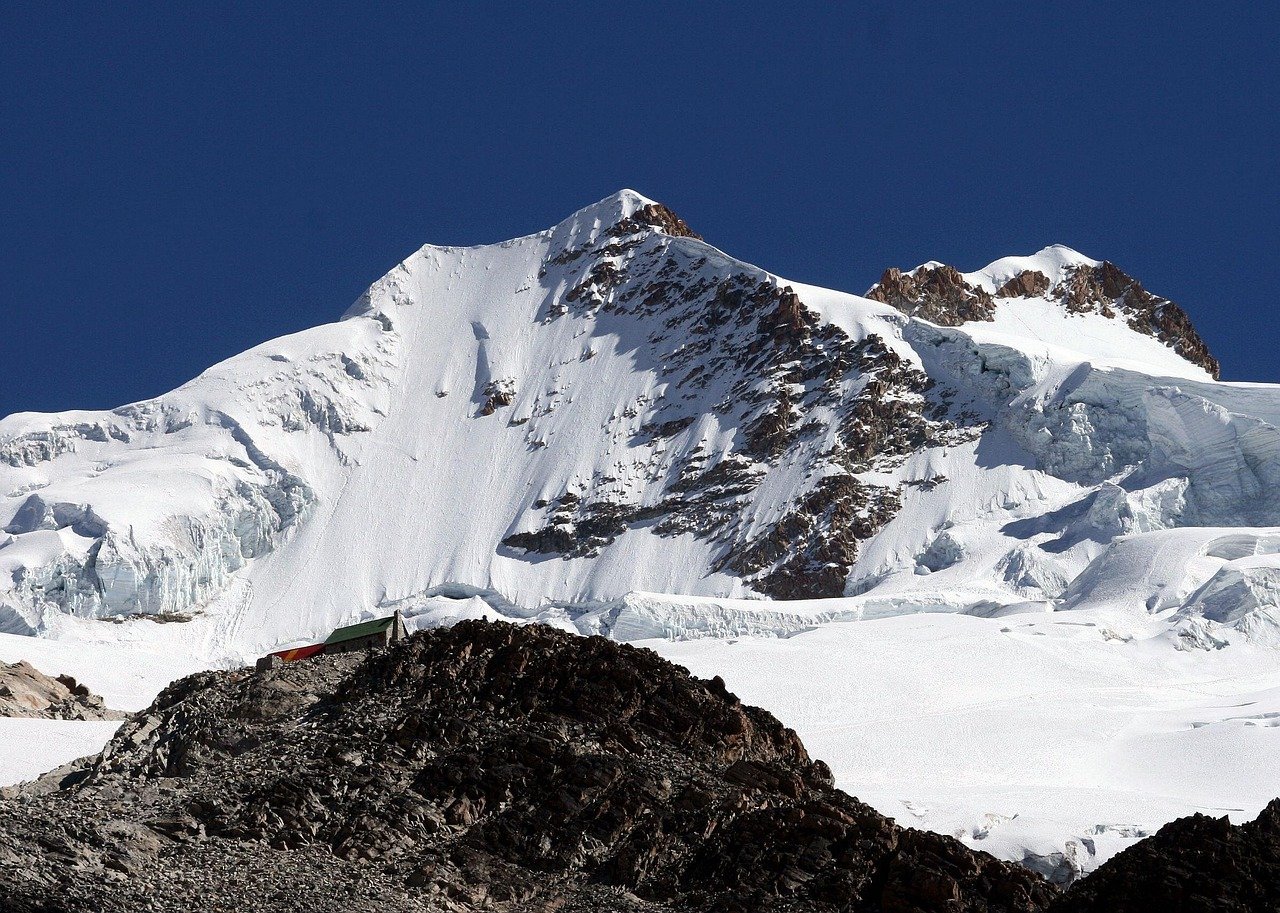
Potosí
Potosí, a historic Andean city in Bolivia, is renowned for its colonial architecture and silver mining heritage. Its steep streets and vibrant markets reveal a rich cultural tapestry shaped by centuries of history.
Passengers
Luggage
About Potosí
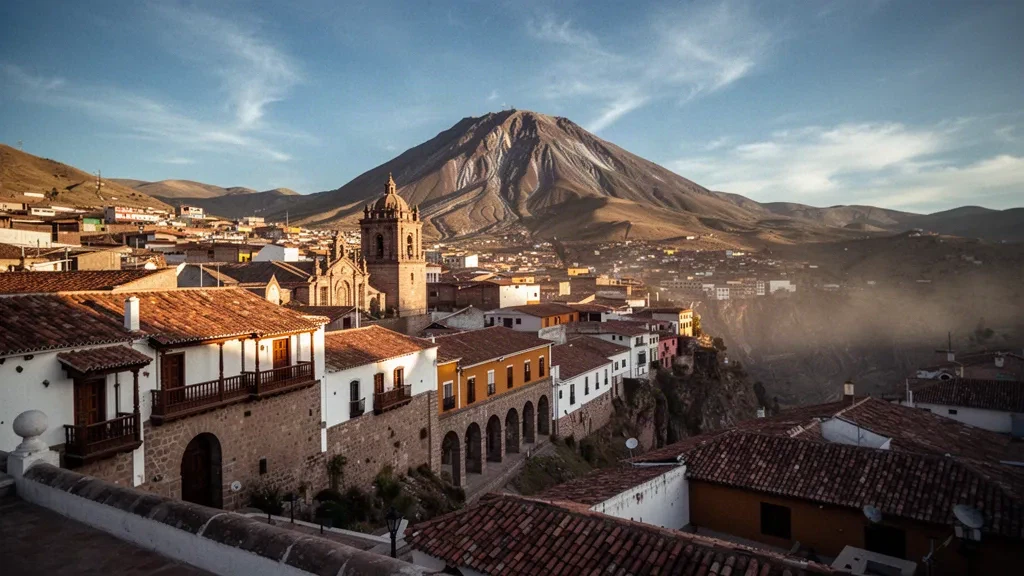
Potosí is one of the highest cities in the world, set at roughly 4,090 metres in Bolivia's southern highlands and dominated by the red cone of Cerro Rico. Once among the wealthiest and most populous cities of colonial America, it remains a UNESCO World Heritage Site and the capital of Potosí Department.
The city's fame rests on Cerro Rico, whose silver sustained the Spanish Empire from 1545 onward and inspired the Spanish expression 'vale un Potosí'. Its historic core preserves colonial churches, convents, narrow streets and grand civic buildings, with the Casa Nacional de la Moneda as the most important museum and monument.
Around Plaza 10 de Noviembre, visitors find the Cathedral, the ornate San Lorenzo Church and the Jesuit tower of La Compañía de Jesús, while guided visits into the working mines of Cerro Rico offer a powerful look at centuries of mining life. The Santa Teresa Convent and local markets add further depth to the centre.
Potosí remains an administrative, mining and commercial hub for southwestern Bolivia, with a student population, traditional restaurants and festivals tied to the Catholic and Andean calendar. Local specialities such as salteñas, chuño, charquekan and api are widely available.
For travellers, Potosí works as both a high-altitude destination in its own right and a gateway to the wider Potosí region, including the Uyuni salt flats. Leisure visitors come for history and architecture, while business and mining-related travel keeps the city connected to the regional economy.
Potosí Travel Guide
Best Time to Visit
The dry season from May to October brings clear, sunny days and cold nights, making it the most comfortable time for sightseeing at high altitude. The rainy season, roughly November to March, can make travel and outdoor plans less reliable.
How to Get Around
Potosí's compact historic centre is best explored on foot, though steep streets and high altitude call for a slow pace. Taxis and shared minibuses cover longer distances, and organised tours reach Cerro Rico and nearby hot springs.
Where to Stay
Most hotels and hostels cluster around Plaza 10 de Noviembre and the colonial centre, close to museums, churches and restaurants. Budget options suit backpackers, while a few mid-range hotels offer more comfort for acclimatising visitors.
Food & Drink
Local food includes salteñas, chuño, charquekan and api con pastel, served at markets and family-run restaurants across the centre. Coca tea and the grape spirit singani are also part of the regional food culture.
Ground Transportation Services in Potosí
Airport Transfers
Travel between Capitán Nicolás Rojas Airport, about 6 km from the centre, and hotels, bus terminals and destinations across Potosí.
Hourly Chauffeur
Book a private chauffeur by the hour for Cerro Rico tours, business meetings, city sightseeing and flexible travel around Potosí.
Car Rental
Rent a car in Potosí for independent travel around the city and journeys to nearby attractions such as Tarapaya hot springs.
Bus & Group Transfers
Arrange minibuses or charter buses for groups, mine tours, corporate travel and transfers between Potosí and regional destinations.
Frequently Asked Questions
Related Cities in Bolivia
View all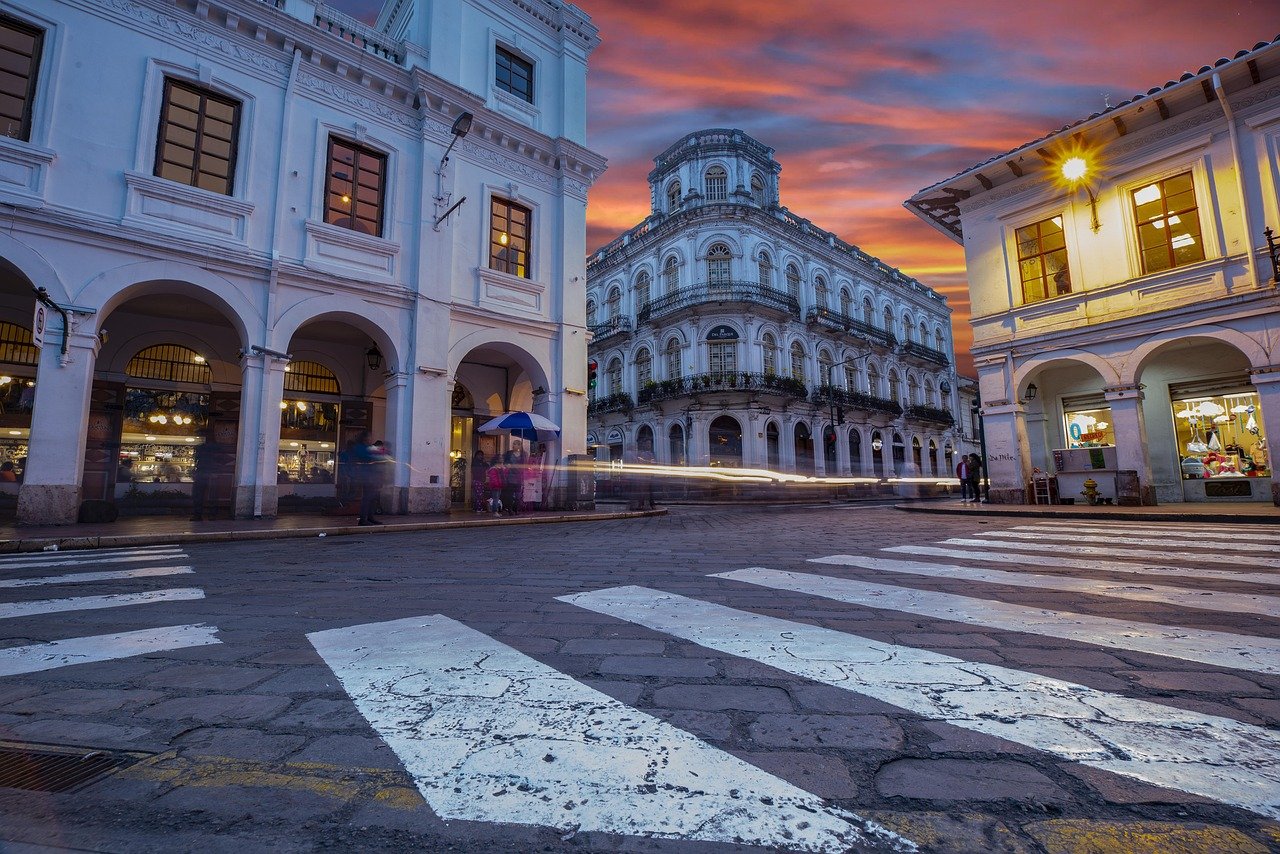
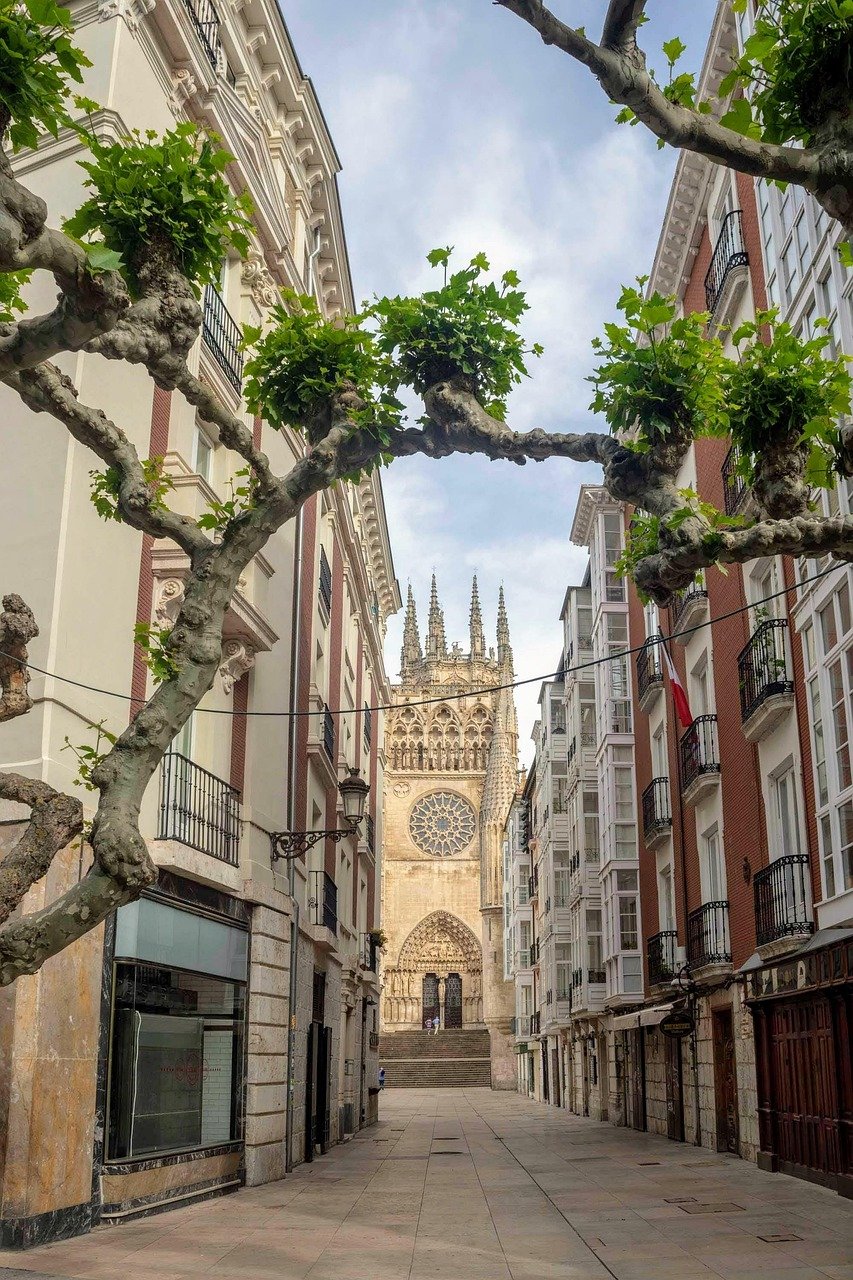
Tarija
Tarija, set in a fertile valley in southern Bolivia, is known for its mild climate, colonial architecture and relaxed wine-country atmosphere. Its plazas, markets and nearby vineyards give the city a distinct character that appeals to both business travelers and visitors exploring the region.
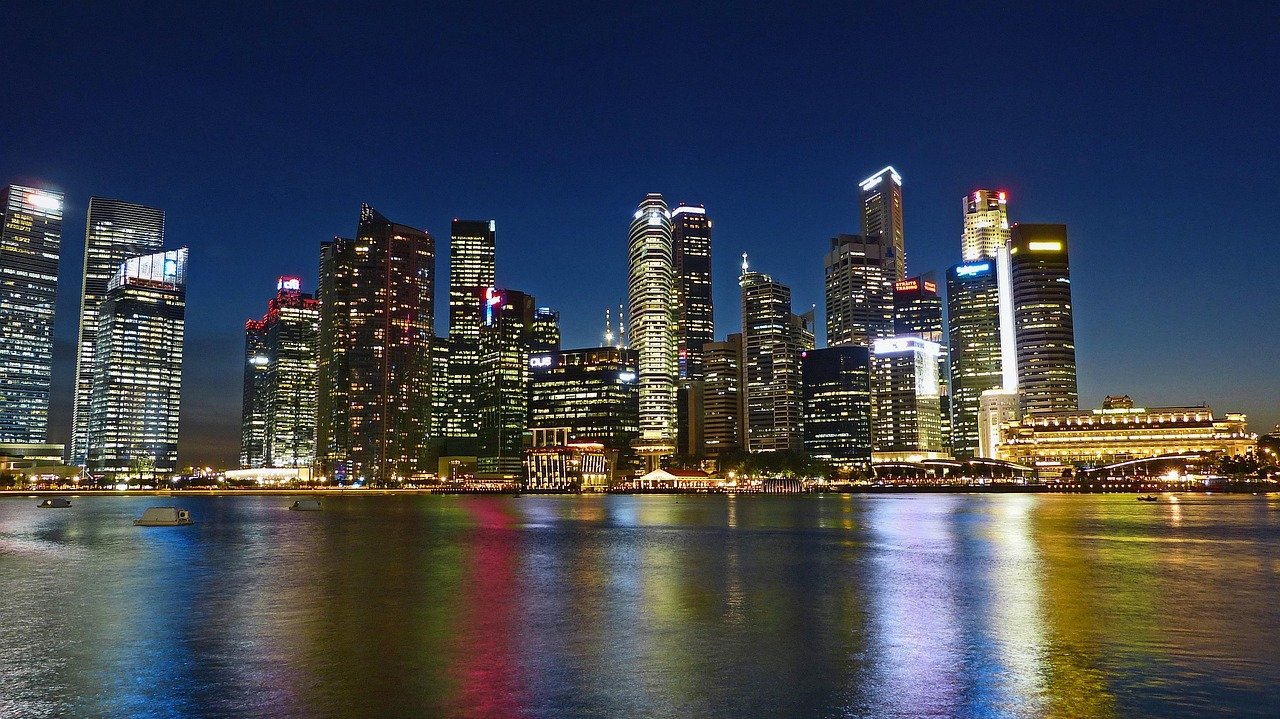
Santa Cruz
Santa Cruz, Bolivia's largest city, blends tropical energy with modern commerce and a vibrant cultural scene. Its lively markets, warm climate and proximity to the Amazon basin make it a distinctive destination.
Pando
Pando, Bolivia's northernmost destination, is a lush Amazonian gateway where river routes, rainforest landscapes and strong cross-border ties with Brazil shape everyday life.
Airports in Bolivia
View all airports in the country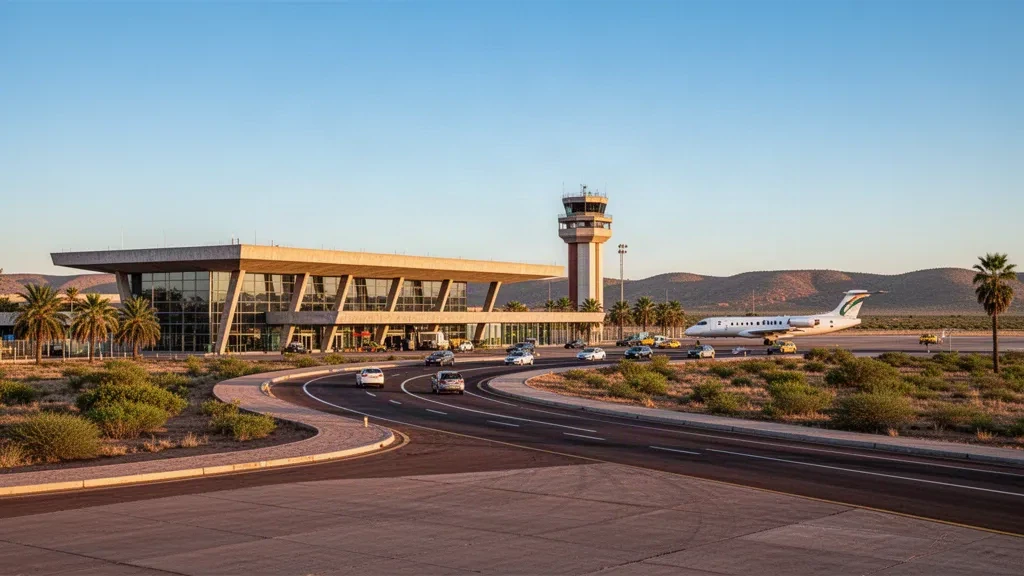
Yacuiba Airport (BYC)
Yacuiba Airport is the main gateway to the city of Yacuiba and Bolivia's Chaco region in southern Tarija Department. Compare transfer options from the airport to central Yacuiba, the nearby Argentine border, and onward connections via Tarija and Santa Cruz de la Sierra.
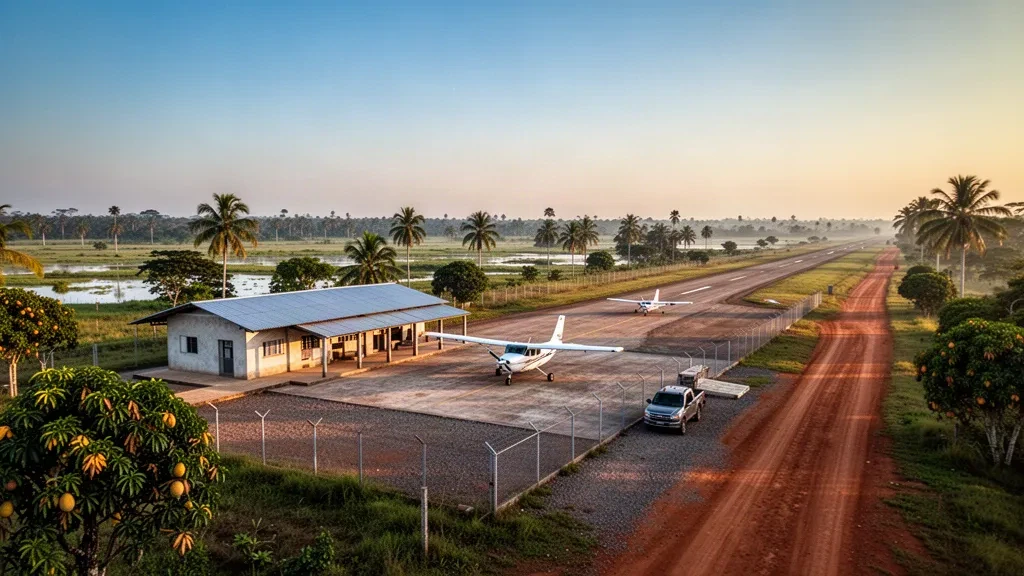
Baures Airport (BVL)
Baures Airport is a small regional gateway serving the village of Baures and the surrounding Iténez Province in Bolivia's Beni Department. Compare transfer options to the village centre, Huacaraje, Trinidad and nearby destinations to plan your onward journey.
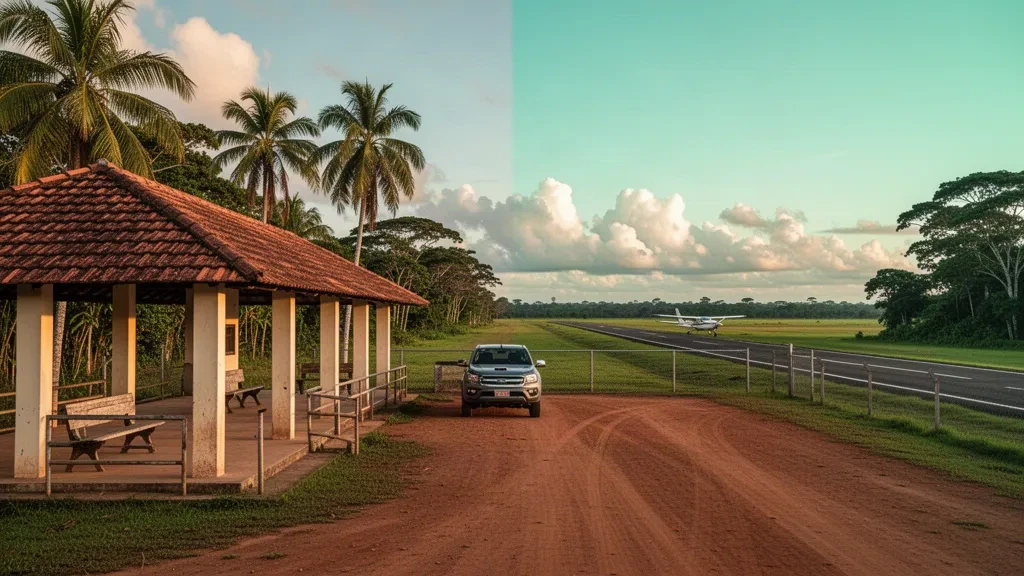
Huacaraje Airport (BVK)
Huacaraje Airport is a small regional gateway to the town of Huacaraje and the wider Iténez Province in Bolivia's Beni Department. From here, travelers can continue to nearby communities such as Magdalena and Baures or to the departmental capital, Trinidad.
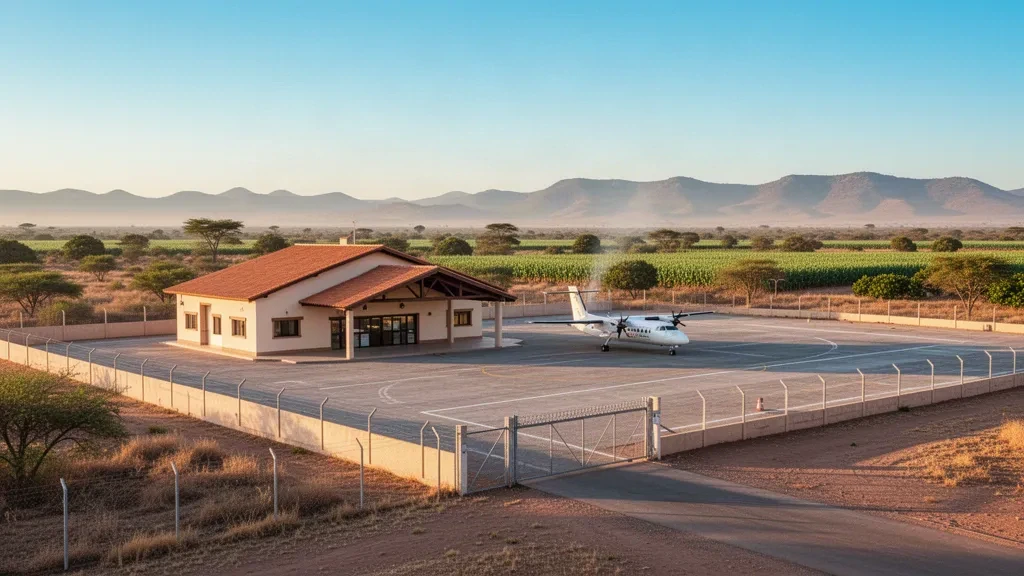
Bermejo Airport (BJO)
Bermejo Airport (BJO) is a regional gateway serving Bermejo in Bolivia's Tarija Department, close to the Argentine border. Compare transfer options to central Bermejo, the Aguas Blancas border crossing, and nearby Chaco towns to plan your onward journey.