Pando
Pando, Bolivia's northernmost destination, is a lush Amazonian gateway where river routes, rainforest landscapes and strong cross-border ties with Brazil shape everyday life.
Passengers
Luggage
About Pando
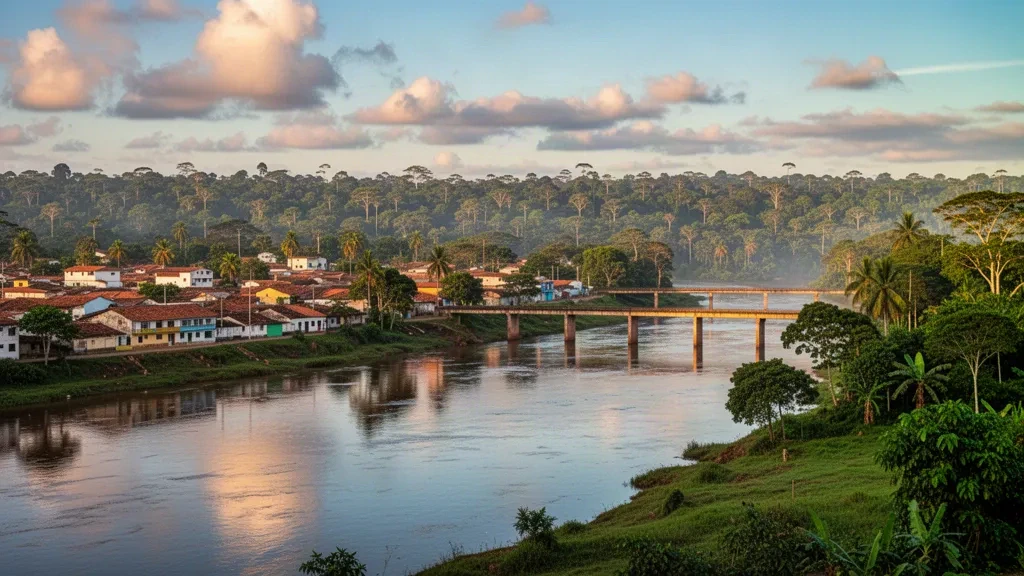
Cobija is the capital of Bolivia's Pando Department and sits in the far north-west Amazon region on the banks of the Acre River, directly across from the Brazilian city of Brasiléia. Its border location gives the city a distinctive cross-border character, with Bolivian and Brazilian life meeting daily along the riverfront and the Friendship Bridge.
Founded in 1906 as Bahía and renamed in 1908 after Bolivia's former Pacific port of the same name, Cobija grew during the rubber boom and later shifted to Brazil nut harvesting and trade. Today it is a compact regional centre with tropical heat, leafy squares and a frontier-town rhythm shaped by commerce and migration.
The centre is organised around Plaza Germán Busch, the cathedral and nearby government buildings. Visitors can walk the riverfront, cross the Friendship Bridge to Brasiléia, browse the Zona Franca free-trade zone, or use the city as a base for trips to Manuripi National Wildlife Reserve and other parts of the Pando Amazon.
Cobija is relevant for business travellers through its free-trade zone, Brazil nut economy, border trade and public administration. For leisure visitors it offers a relaxed gateway to Bolivia's Amazon frontier, with river views, regional food and direct access to Brazil.
Capitán Aníbal Arab Fadul Airport links Cobija with La Paz, Cochabamba and Santa Cruz, while overland routes reach Riberalta and Brazilian towns. This mix of Amazon setting, border energy and practical services makes Cobija a useful stop for independent and business travellers.
Pando Travel Guide
Best Time to Visit
The dry season from May to October is the most comfortable time to visit Cobija, with less rain and easier overland travel. The months from December to March bring heavy Amazon rains, while temperatures stay hot and humid throughout the year.
How to Get Around
Cobija is compact and easy to explore on foot in the centre, with mototaxis and taxis widely used for short trips. The airport is close to town, and many visitors walk between the main square, riverfront, free-trade zone and the border bridge to Brasiléia.
Where to Stay
Most accommodation is concentrated in the centre near Plaza Germán Busch, the cathedral and the Zona Franca, with a smaller choice of hotels along the airport road. Staying centrally gives easy access to the riverfront, border crossing and restaurants.
Food & Drink
Cobija mixes Bolivian Amazon cooking with Brazilian influence, featuring river fish, rice, plantains and Brazil nut products. Local markets and riverside restaurants serve regional dishes, grilled meats, fresh fruit juices and café-style snacks, with lively options around the border area.
Ground Transportation Services in Pando
Airport Transfers
Travel between Capitán Aníbal Arab Fadul Airport and hotels, the city centre, the border crossing to Brasiléia and other destinations around Cobija.
Hourly Chauffeur
Book a private chauffeur by the hour for business meetings, border visits, city tours and flexible travel around Cobija and the surrounding Pando area.
Car Rental
Rent a car in Cobija for independent travel around the city, trips across the border to Brasiléia, or journeys toward Riberalta and the Amazon region.
Bus & Group Transfers
Arrange minibuses or charter buses for groups, corporate travel, events, airport transfers, border crossings and tours in Cobija and the Pando Department.
Frequently Asked Questions
Related Cities in Bolivia
View all
Tarija
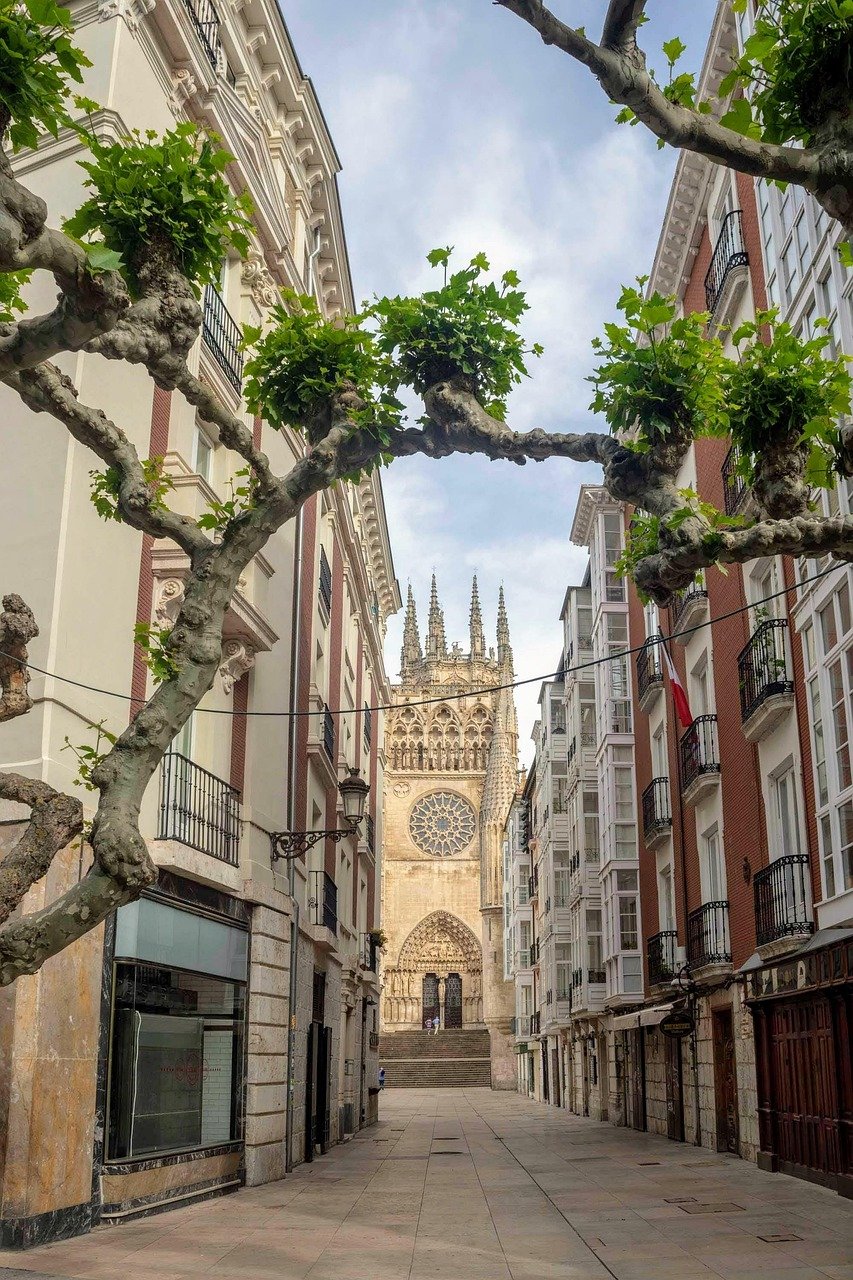
Tarija, set in a fertile valley in southern Bolivia, is known for its mild climate, colonial architecture and relaxed wine-country atmosphere. Its plazas, markets and nearby vineyards give the city a distinct character that appeals to both business travelers and visitors exploring the region.
Santa Cruz
Santa Cruz, Bolivia's largest city, blends tropical energy with modern commerce and a vibrant cultural scene. Its lively markets, warm climate and proximity to the Amazon basin make it a distinctive destination.
Potosí
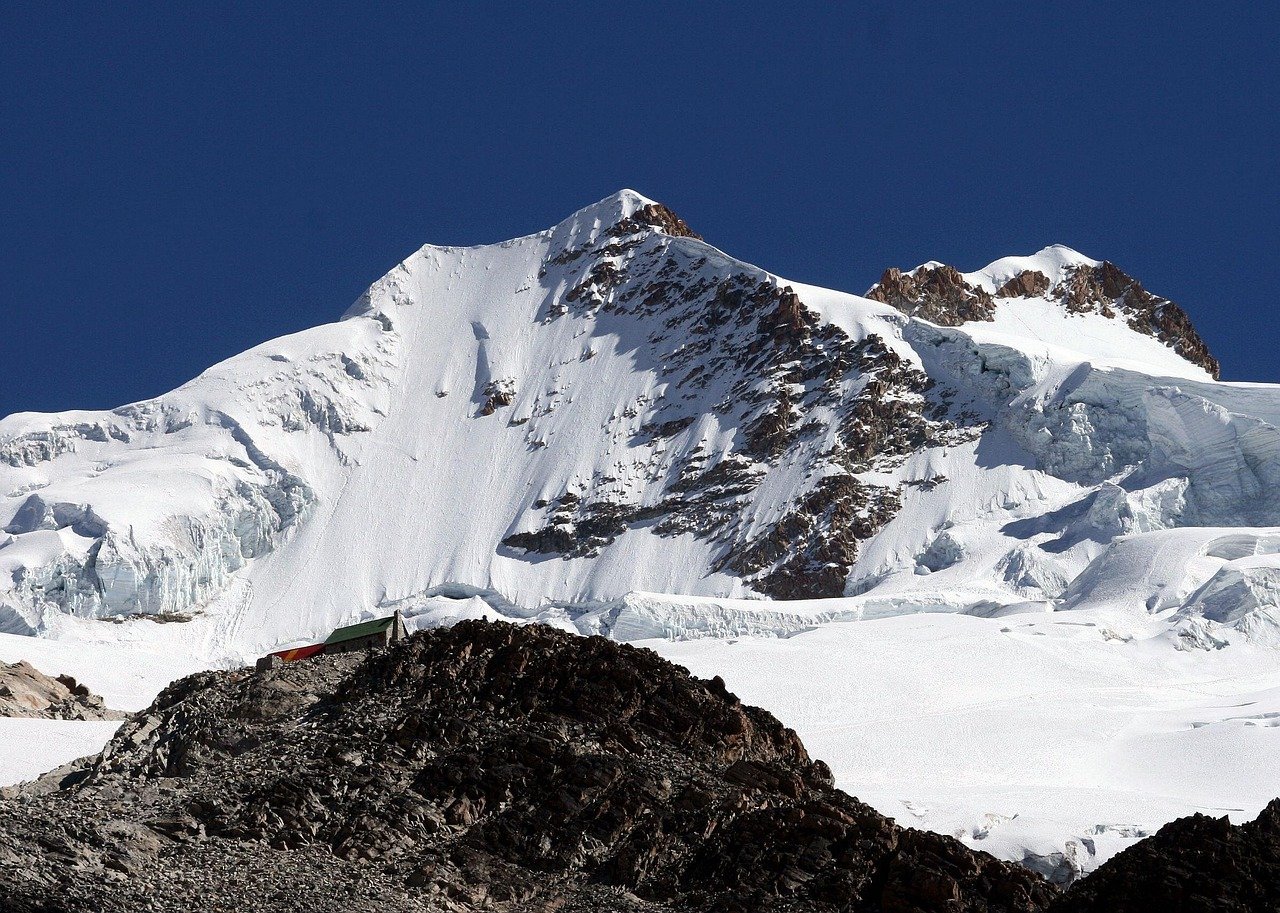
Potosí, a historic Andean city in Bolivia, is renowned for its colonial architecture and silver mining heritage. Its steep streets and vibrant markets reveal a rich cultural tapestry shaped by centuries of history.
Airports in Bolivia
View all airports in the country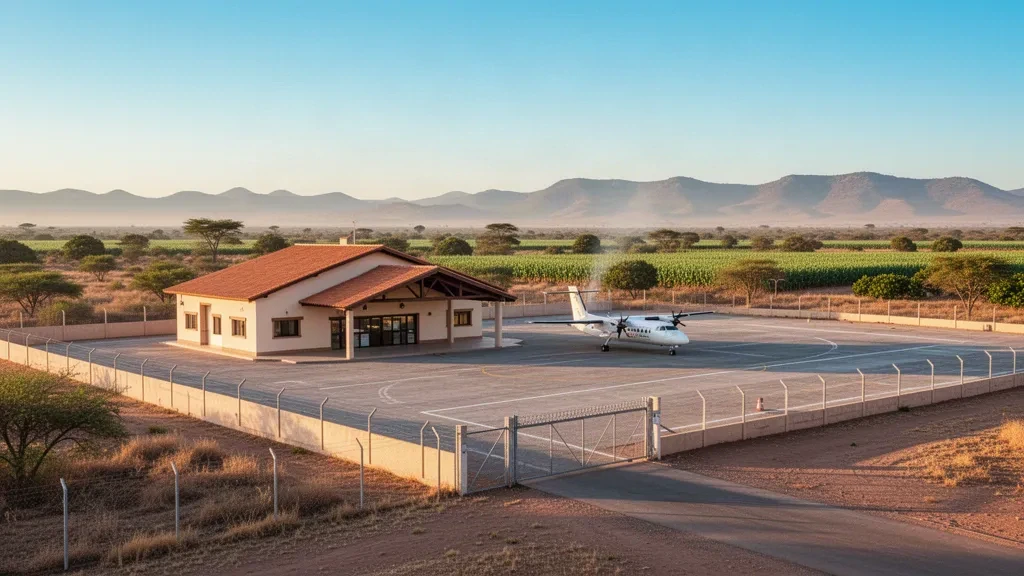
Bermejo Airport (BJO)
Bermejo Airport (BJO) is a regional gateway serving Bermejo in Bolivia's Tarija Department, close to the Argentine border. Compare transfer options to central Bermejo, the Aguas Blancas border crossing, and nearby Chaco towns to plan your onward journey.
Ascención de Guarayos Airport (ASC)
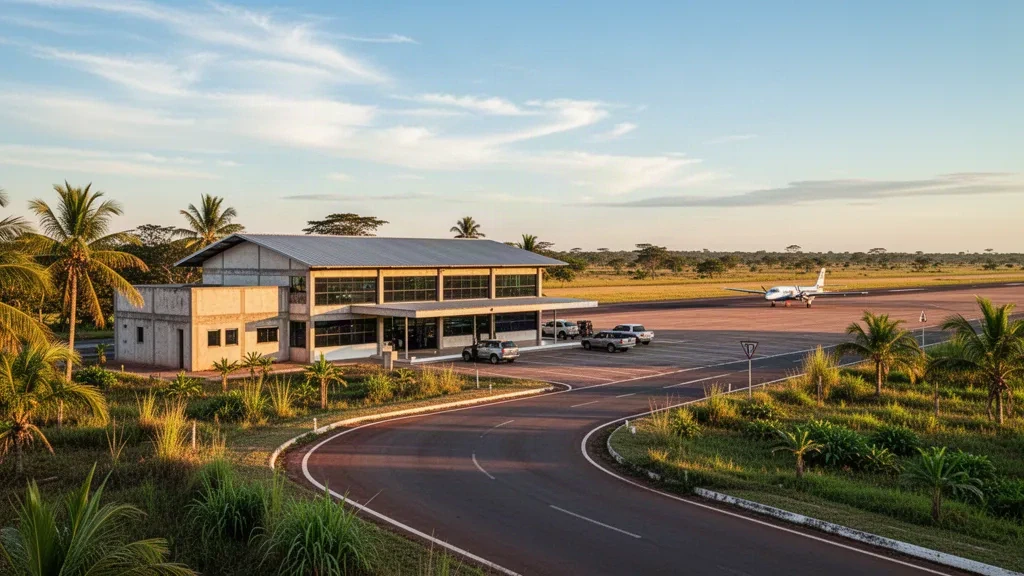
Ascención de Guarayos Airport is a small gateway serving the town of Ascención de Guarayos and the Guarayos Province in Bolivia's Santa Cruz Department. Compare transfer options to the town centre and onward connections to Santa Cruz de la Sierra and nearby communities.