Tarija
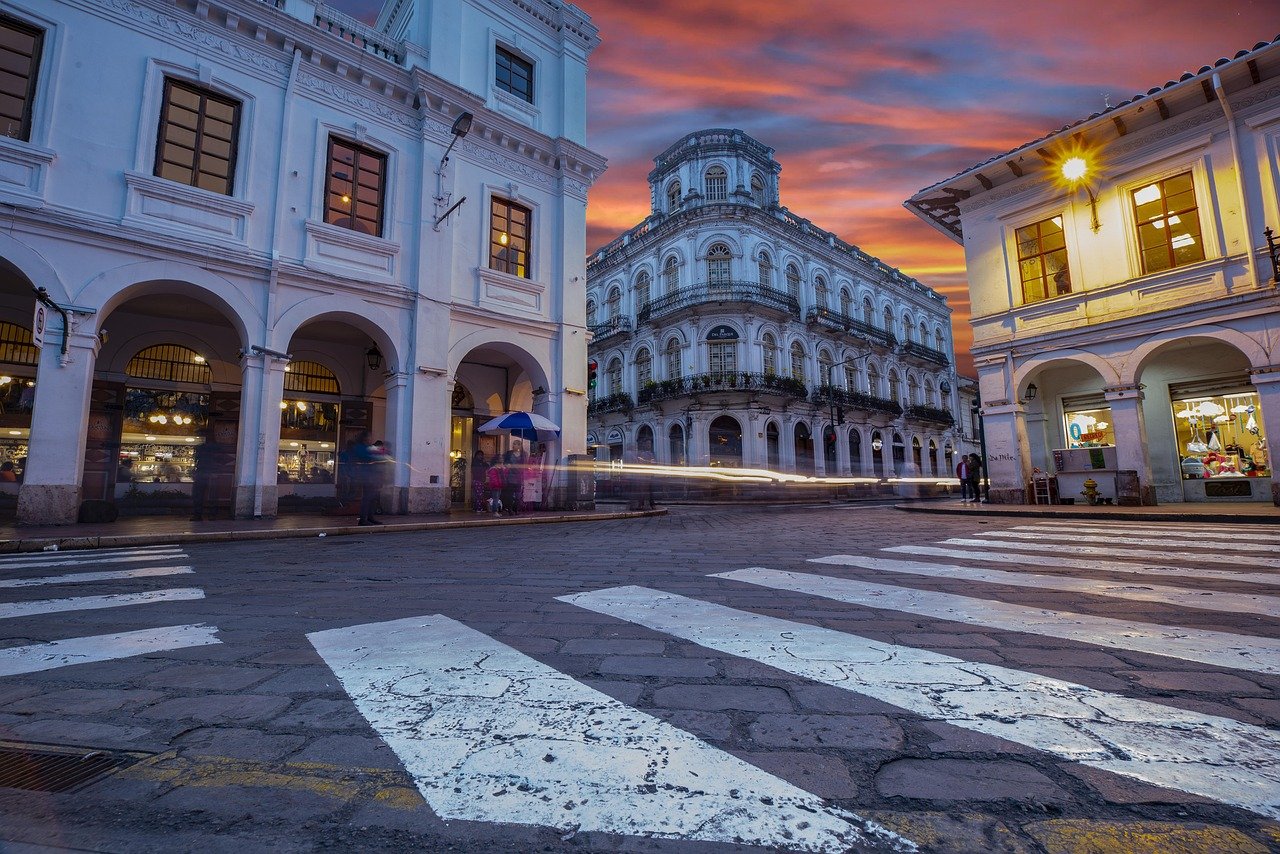
Tarija, set in a fertile valley in southern Bolivia, is known for its mild climate, colonial architecture and relaxed wine-country atmosphere. Its plazas, markets and nearby vineyards give the city a distinct character that appeals to both business travelers and visitors exploring the region.
Passengers
Luggage
About Tarija
Tarija is the capital of Bolivia's southern Tarija Department and the centre of the country's main wine region. Set in a temperate valley beside the Guadalquivir River at around 1,900 metres, the city is known for its sunny climate, relaxed pace and colonial charm, often compared with southern Spain and nicknamed the "Andalusia of Bolivia".
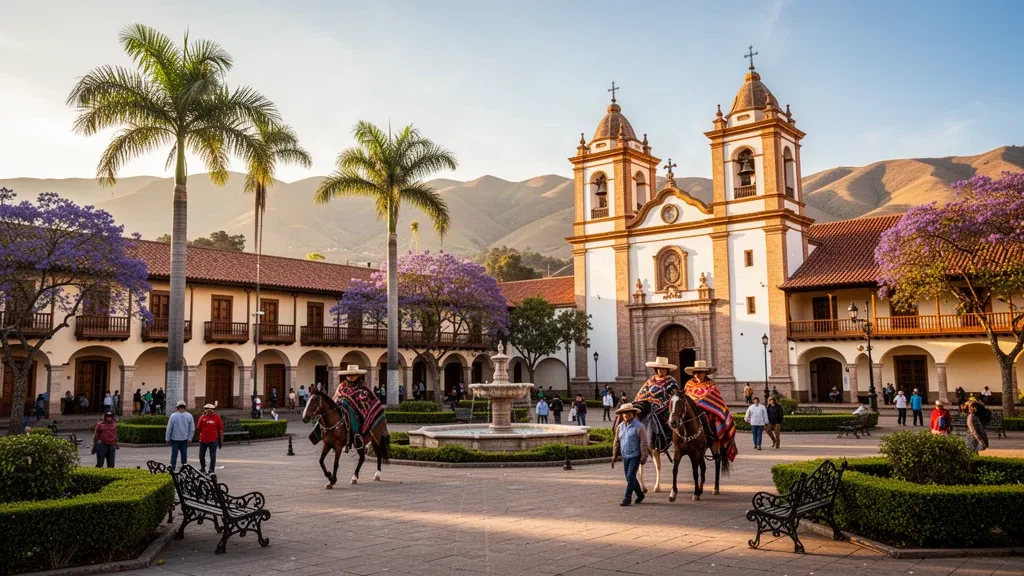
Founded in 1574 by Luis de Fuentes y Vargas as Villa de San Bernardo de la Frontera de Tarija, the city retains a well-preserved historic core around Plaza Luis de Fuentes. Landmarks include the San Bernardo Cathedral, the Casa Dorada, the blue-painted Castillo Azul and the Mirador de los Sueños, a viewpoint shaped like a giant wine glass that overlooks the valley.
Tarija is Bolivia's wine and singani capital. Visitors can follow the Ruta del Vino through nearby valleys such as Valle de la Concepción, where bodegas produce high-altitude wines and the grape brandy singani. The city centre is compact and walkable, with markets, the Museo Paleontológico y Arqueológico and café-lined streets, while festivals such as Comadres, Carnaval Chapaco and the San Roque fiesta fill the calendar.
As the administrative and commercial hub of the Tarija Department, which is important for Bolivia's natural gas industry, the city also attracts business travellers, researchers and students. Its food scene mixes local Chapaco cooking, including saice and ranga, with grilled meats, empanadas, regional wines and singani served in traditional peñas and modern restaurants.
For both leisure and business visitors, Tarija offers a distinctive blend of wine tourism, colonial heritage, mild year-round weather and a gateway position to southern Bolivia and the border with Argentina.
Tarija Travel Guide
Best Time to Visit
Tarija is pleasant for much of the year, but April to October is the dry season with mild, sunny days ideal for wine tours and walking. The grape harvest and Vendimia wine festival around March and April add a lively reason to visit, while summer from November to March is greener but rainier.
How to Get Around
The historic centre is easy to explore on foot, and taxis are affordable for short trips across town. Shared minibuses and local micros serve neighbourhoods, while renting a car or hiring a driver is useful for reaching wineries in the Valle de la Concepción and nearby villages.
Where to Stay
Staying around Plaza Luis de Fuentes or the central historic area puts cafés, restaurants and landmarks within walking distance. La Loma and other quiet residential districts offer hotels with valley views, while rural lodgings in the surrounding wine valleys suit a more relaxed stay.
Food & Drink
Tarija's cuisine features saice, a spiced beef stew served with corn and potatoes, as well as ranga, grilled meats and empanadas. The Mercado Central is good for local flavours, while wineries and singani bodegas across the region offer tastings of Bolivia's best-known wines and grape spirit.
Ground Transportation Services in Tarija
Airport Transfers
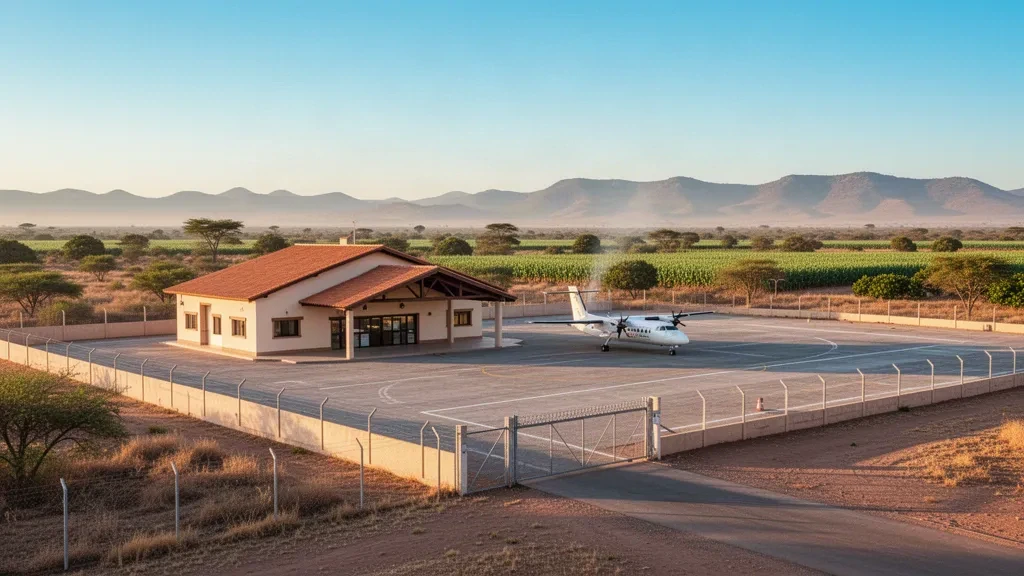
Arrange private transport between Capitán Oriel Lea Plaza Airport and hotels, the historic centre, business districts and surrounding wine areas in Tarija.
Hourly Chauffeur
Book a private chauffeur by the hour for winery tours, business meetings, events and flexible sightseeing around Tarija and the Valle de la Concepción.
Car Rental
Rent a car in Tarija for independent travel through the city, wine route and nearby destinations such as San Jacinto Lake and the surrounding valleys.
Bus & Group Transfers
Organise minibuses or charter buses for groups, corporate travel, events, airport transfers and guided wine-route tours in and around Tarija.
Frequently Asked Questions
Related Cities in Bolivia
View all
Santa Cruz
Santa Cruz, Bolivia's largest city, blends tropical energy with modern commerce and a vibrant cultural scene. Its lively markets, warm climate and proximity to the Amazon basin make it a distinctive destination.
Potosí
Potosí, a historic Andean city in Bolivia, is renowned for its colonial architecture and silver mining heritage. Its steep streets and vibrant markets reveal a rich cultural tapestry shaped by centuries of history.

Pando
Pando, Bolivia's northernmost destination, is a lush Amazonian gateway where river routes, rainforest landscapes and strong cross-border ties with Brazil shape everyday life.