Luanda
Luanda, Angola's Atlantic-facing capital, blends colonial architecture and a busy port with a growing business scene, vibrant music, and a coastline that opens onto nearby beaches.
Passengers
Luggage
About Luanda
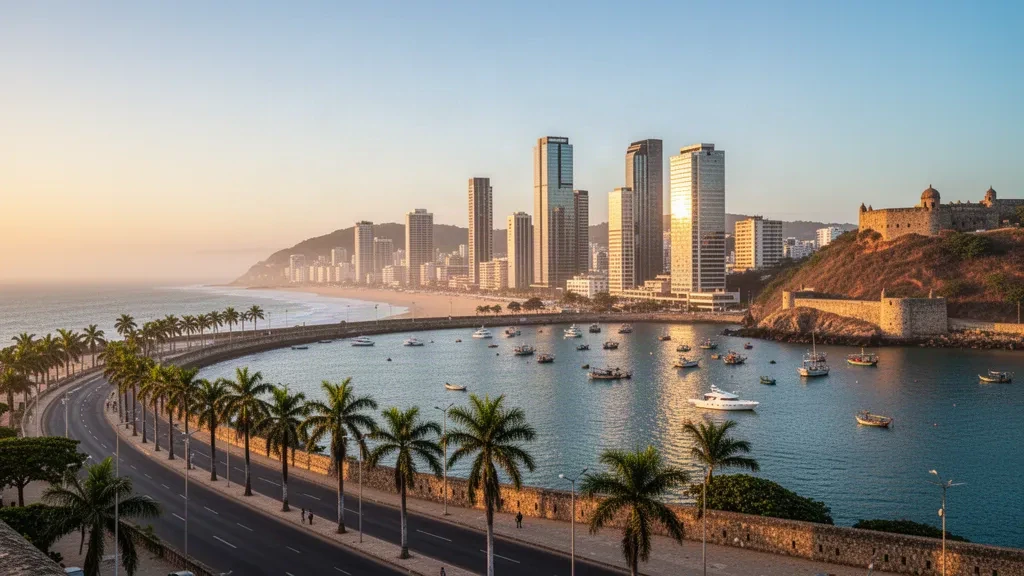
Luanda is Angola's capital and largest city, a sprawling Atlantic port where Portuguese colonial heritage meets a rapidly modernizing skyline. Built around a sheltered bay, the city combines historic forts, palm-lined promenades, high-rise towers and busy waterfront markets.
Founded in 1576 by Portuguese settlers, Luanda grew from a colonial trading post into Angola's administrative and economic center. Landmarks such as the Fortress of São Miguel, now home to the Armed Forces Museum, the National Museum of Slavery and the iron-framed Palácio de Ferro reflect centuries of Portuguese influence.
The historic Baixa district holds narrow streets and pastel colonial buildings, while the Marginal promenade runs along the bay. Ilha do Cabo is a narrow peninsula known for beach clubs and seafood restaurants, and the Mussulo Peninsula offers sandy beaches a short boat ride away. Quiçama National Park lies south of the city.
Modern Luanda is Angola's business and financial center, with oil and gas, banking, construction and logistics concentrated in the capital. Districts such as Talatona and Ingombota host modern hotels, offices and conference venues, while the city's music, nightlife and restaurant scene blend Angolan and Portuguese traditions.
For leisure and business travelers alike, Luanda serves as Angola's main gateway, combining coastal relaxation, colonial history, a growing hospitality sector and connections to the country's interior and offshore industries.
Luanda Travel Guide
Best Time to Visit
The dry season from May to October brings clear skies, lower humidity and comfortable coastal temperatures, making it the best period for sightseeing. November to April is hotter and more humid with frequent afternoon showers.
How to Get Around
Rideshare apps such as Yango and registered taxis are the most practical options for visitors. Walking works in central, well-lit areas during the day, while crowded public minibuses are best avoided by tourists.
Where to Stay
Ilha do Cabo suits first-time visitors with beach access and nightlife, while Ingombota and Baixa are central for sightseeing. Miramar offers quieter bay views and Talatona is a modern business hub with newer hotels.
Food & Drink
Luanda's dining blends Angolan and Portuguese flavors, from muamba de galinha and funge to fresh grilled seafood on Ilha do Cabo. Local beers such as Cuca and Nocal appear alongside Portuguese wines, with cafés and fine-dining options across the city.
Ground Transportation Services in Luanda
Airport Transfers
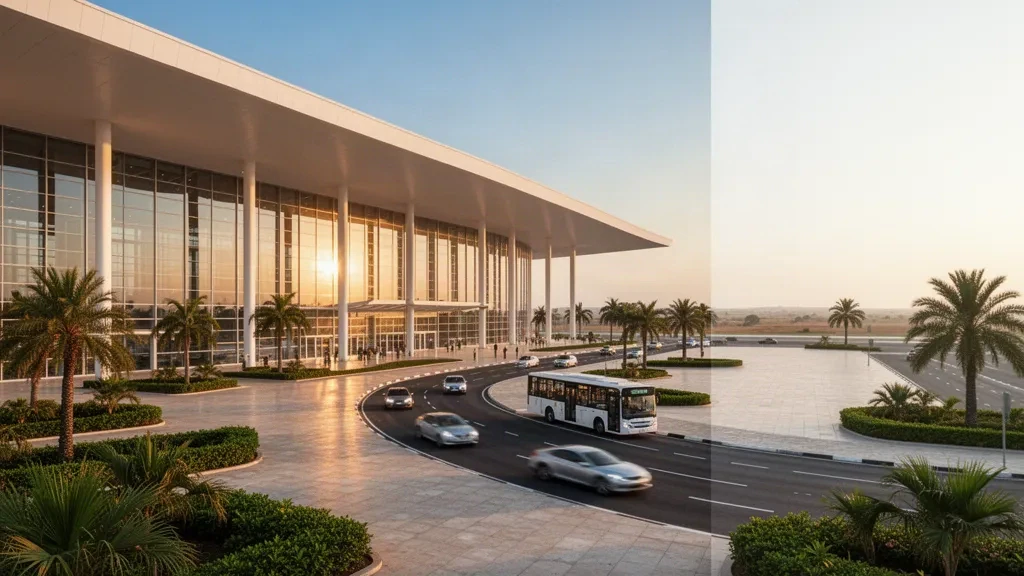
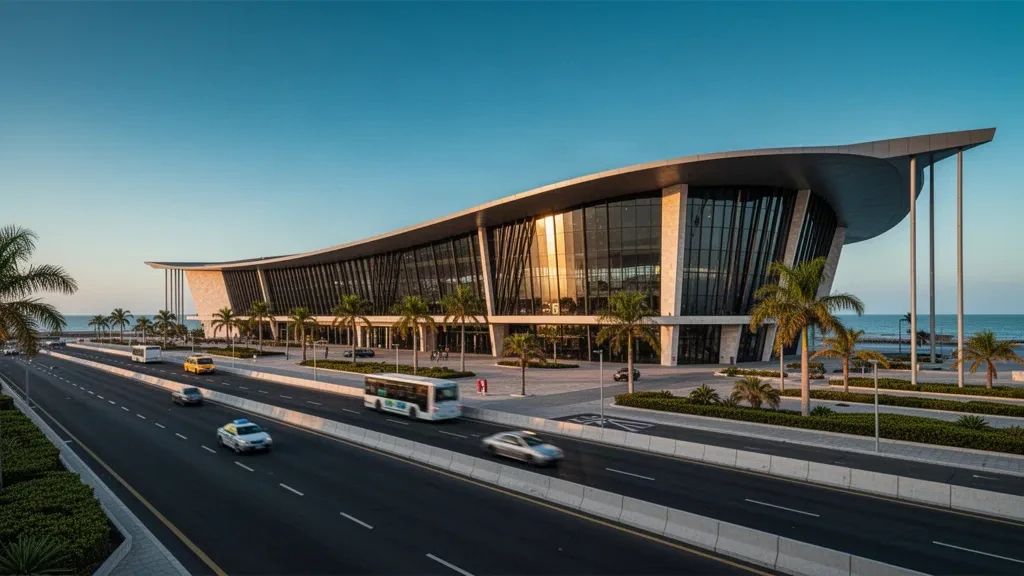
Travel between Dr. António Agostinho Neto International Airport and Luanda hotels, business districts, event venues and other destinations across the city.
Hourly Chauffeur
Book a private chauffeur by the hour for business meetings, corporate events, sightseeing and flexible travel around Luanda.
Car Rental
Rent a car in Luanda for independent travel around the city and convenient trips to Mussulo Peninsula, Quiçama National Park and nearby destinations.
Bus & Group Transfers
Arrange minibuses or charter buses for groups, corporate travel, events, airport transfers and guided tours in and around Luanda.
Airports in Luanda
Frequently Asked Questions
Related Cities in Angola
View all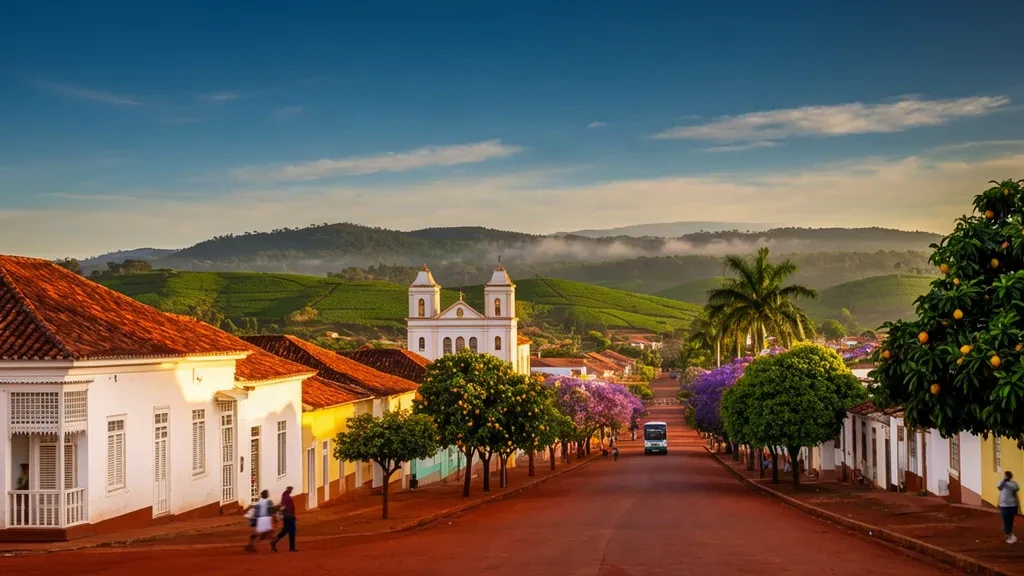
Uíge
Uíge, the capital of Angola's northern Uíge Province, blends a coffee-growing heritage with lively markets, colonial-era architecture and a warm local culture. It is a regional hub for trade and travel in northern Angola.
Angola Zaire
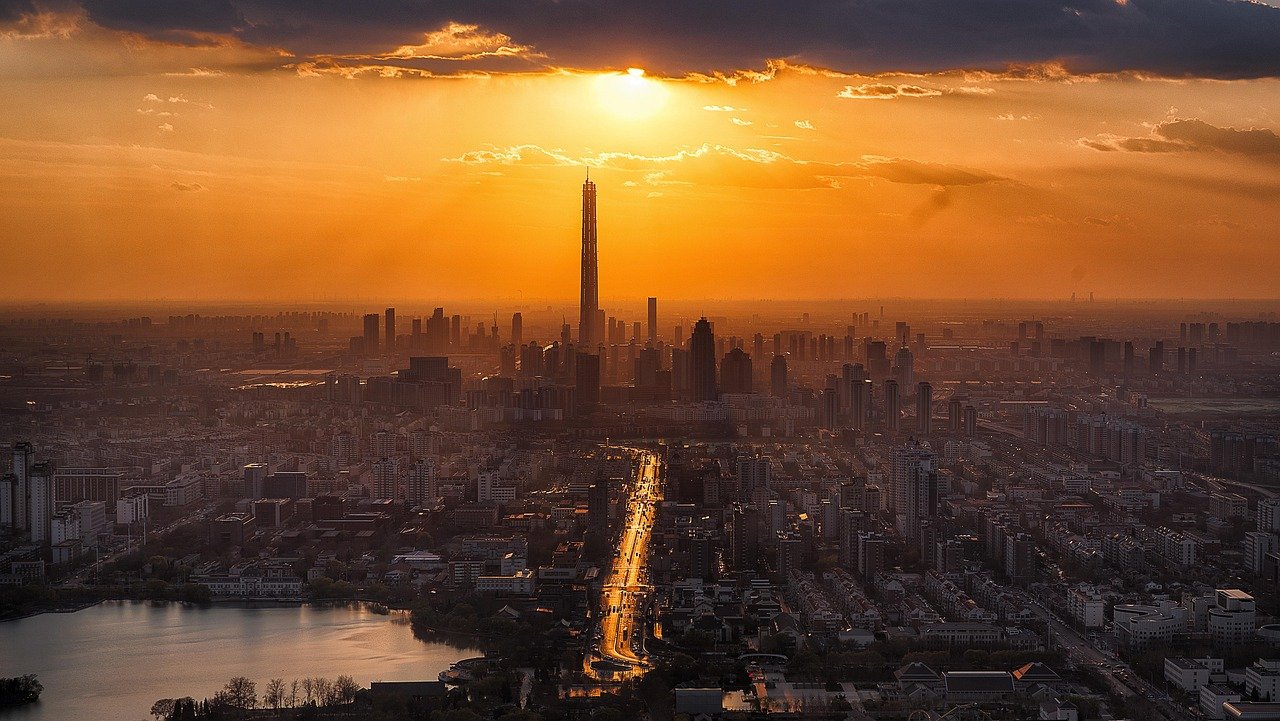
Angola Zaire lies in the country's far north, a quiet corner shaped by the Congo River, Kongo-era heritage and the steady rhythms of provincial life.
Moxico
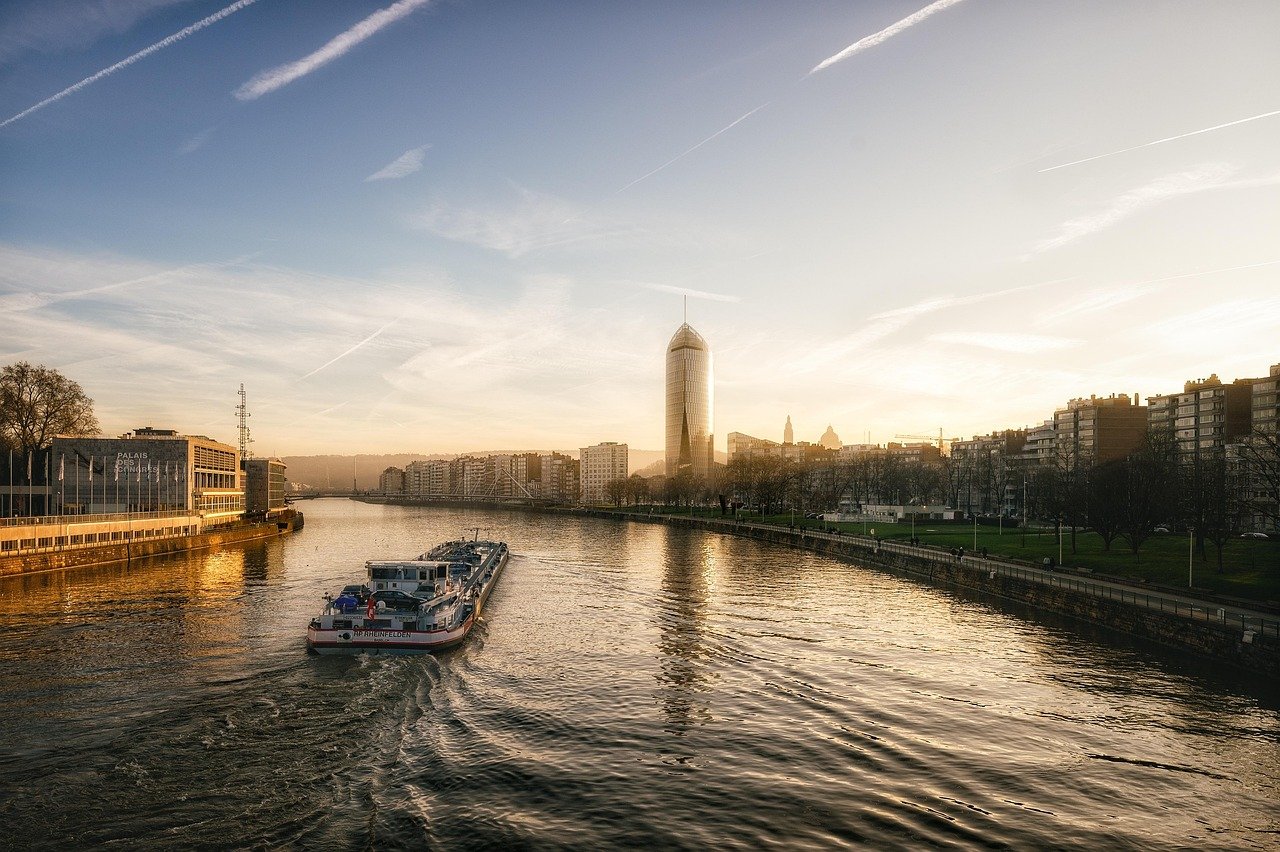
Moxico, in eastern Angola, blends remote river landscapes with a cultural heritage shaped by the region's communities and a history tied to Angola's eastern interior.