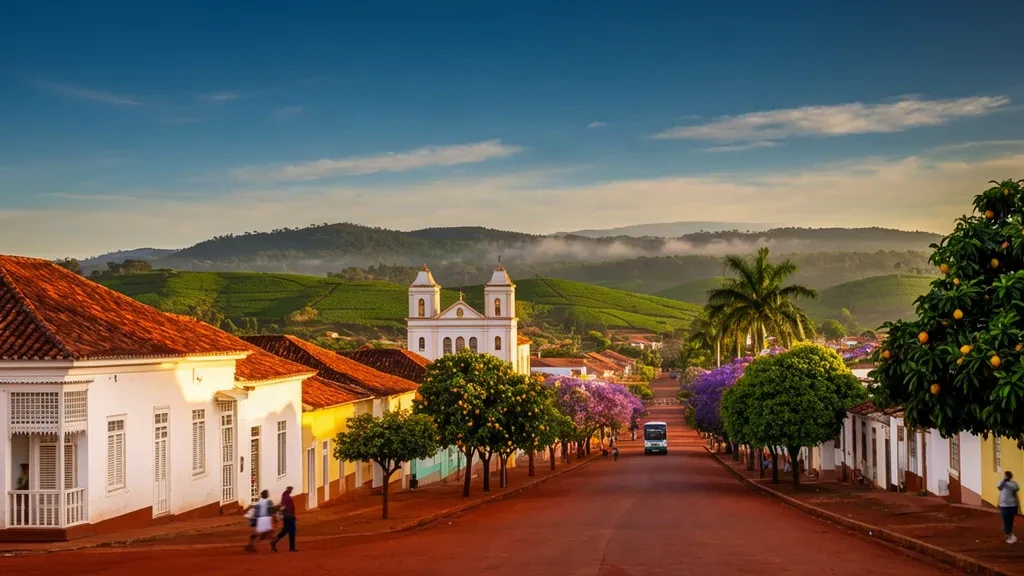
Uíge
Uíge, the capital of Angola's northern Uíge Province, blends a coffee-growing heritage with lively markets, colonial-era architecture and a warm local culture. It is a regional hub for trade and travel in northern Angola.
Passengers
Luggage
About Uíge
Uíge is the capital of Uíge Province in northwestern Angola and a historic centre of the country's coffee-growing highlands. Known during the colonial period as Carmona, the city combines Portuguese-era architecture with the markets, music and daily rhythms of the Bakongo region, where Kikongo is widely spoken alongside Portuguese.
The city's modern identity is rooted in coffee. From the early 20th century, coffee production and trade drove Uíge's growth, financing many of its older buildings and shaping its role as a regional commercial hub. Landmarks such as the Sé Catedral do Uíge, the Praça da Independência and the central market anchor the compact downtown, while green hills surround the urban centre.
Beyond the city, Uíge Province offers notable natural attractions, including the Nzenzo Caves near the Serra do Pingano, Bombo Falls, the Feitiço Lagoon and forested highland scenery. These sites make Uíge a useful base for travellers interested in northern Angola's landscapes and rural Bakongo culture.
Uíge remains an important provincial centre for government, agriculture, trade and services, with coffee, cassava and other crops central to the local economy. Business travellers come for regional administration and commerce, while leisure visitors use the city as a gateway to nearby natural and cultural sites.
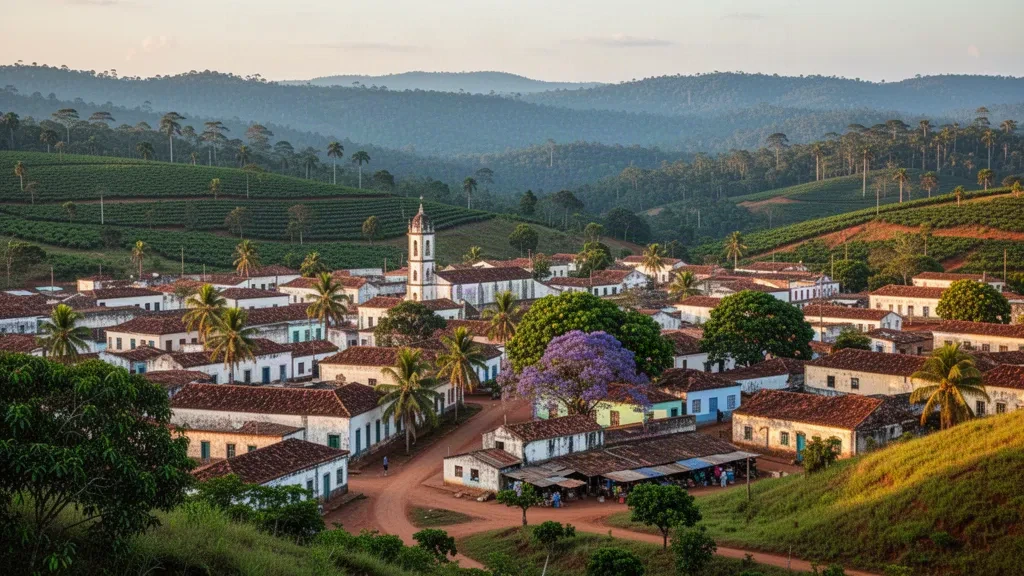
Uíge Travel Guide
Best Time to Visit
The dry season from May to September is the most practical time to visit Uíge, with drier roads and more reliable conditions for sightseeing and trips into the province. The rainy season from October to April brings heavier rainfall, lush scenery and more difficult travel on unpaved rural roads.
How to Get Around
Uíge is a compact provincial capital where central streets can be explored on foot. Shared minibus taxis, moto-taxis and local taxis serve most city journeys, while private drivers and rental cars are useful for reaching attractions such as the Nzenzo Caves and Bombo Falls.
Where to Stay
Most hotels and guesthouses are concentrated in the city centre around the Praça da Independência and the cathedral, with simple business-oriented options and a few larger hotels. Visitors heading into the province may find smaller lodges and guesthouses near major towns and natural sites.
Food & Drink
Angolan and Bakongo cuisine is central to eating in Uíge, with dishes such as moamba de galinha, grilled fish and funge made from cassava flour, often served with local vegetables and palm-oil sauces. The central market, neighbourhood cafés and restaurants offer fresh produce, coffee and everyday Angolan meals.
Ground Transportation Services in Uíge
Airport Transfers
Travel between Uíge Airport (UGO) and hotels, the city centre and destinations across Uíge Province with a pre-booked transfer.
Hourly Chauffeur
Book a private chauffeur by the hour for business meetings, events, market visits and day trips to attractions such as the Nzenzo Caves and Bombo Falls.
Car Rental
Rent a car in Uíge for independent travel around the city and journeys to provincial sites, with local knowledge useful for road conditions in the rainy season.
Bus & Group Transfers
Arrange minibuses or charter buses for group travel, corporate events, airport pick-ups and guided trips across Uíge Province.
Frequently Asked Questions
Related Cities in Angola
View all
Angola Zaire
Angola Zaire lies in the country's far north, a quiet corner shaped by the Congo River, Kongo-era heritage and the steady rhythms of provincial life.
Moxico
Moxico, in eastern Angola, blends remote river landscapes with a cultural heritage shaped by the region's communities and a history tied to Angola's eastern interior.
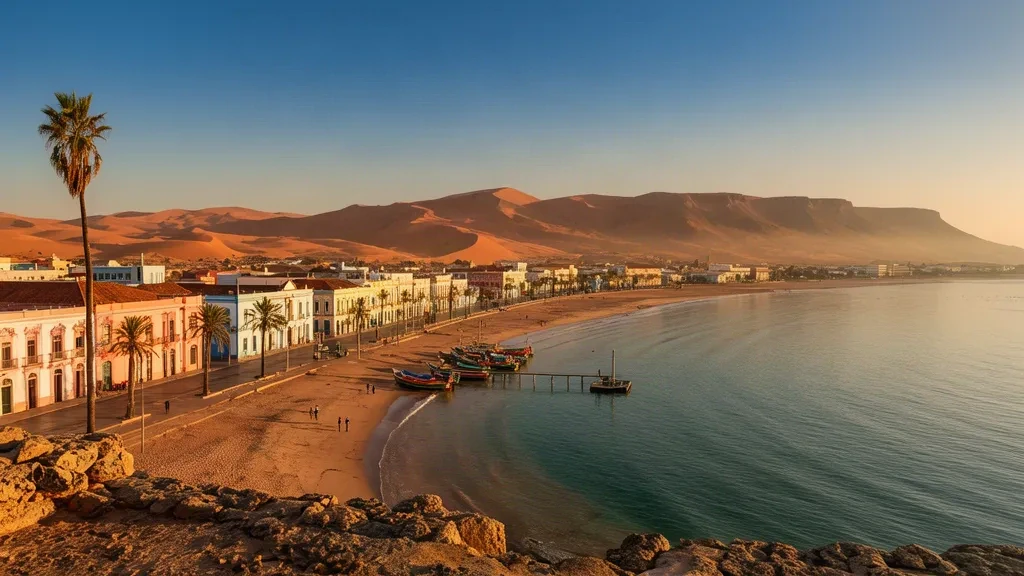
Namibe
Namibe, a coastal city in southern Angola, blends Portuguese colonial architecture with dramatic desert landscapes and Atlantic beaches, offering a relaxed gateway to the region's natural wonders.
Airports in Angola
View all airports in the country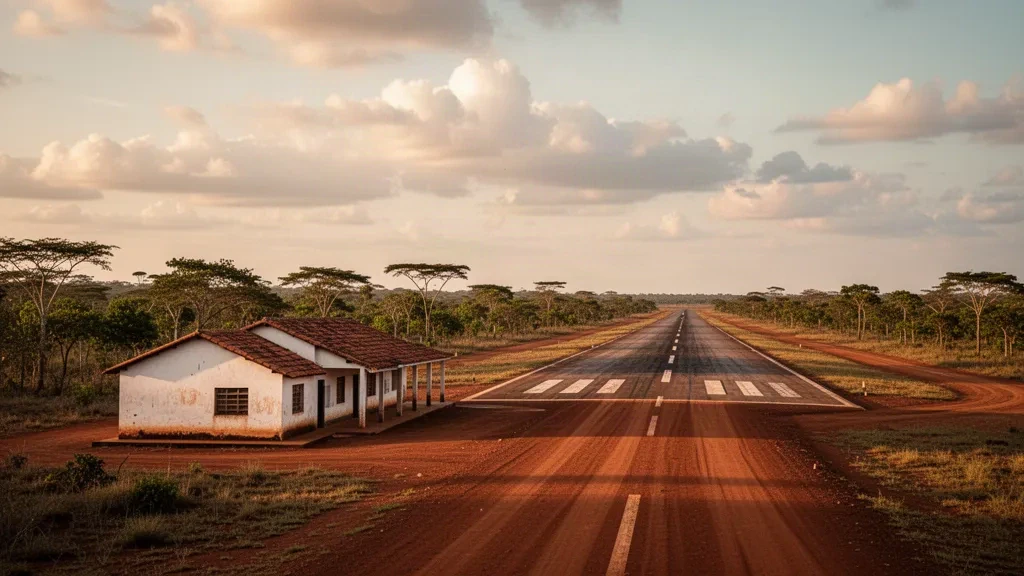
Lumbala Airport (GGC)
Lumbala Airport is a small gateway serving Lumbala N'guimbo and the wider Bundas municipality in Moxico Province, eastern Angola. Compare transfer options into the town and onward travel toward Luena and nearby border-area destinations.
Dirico Airport (DRC)
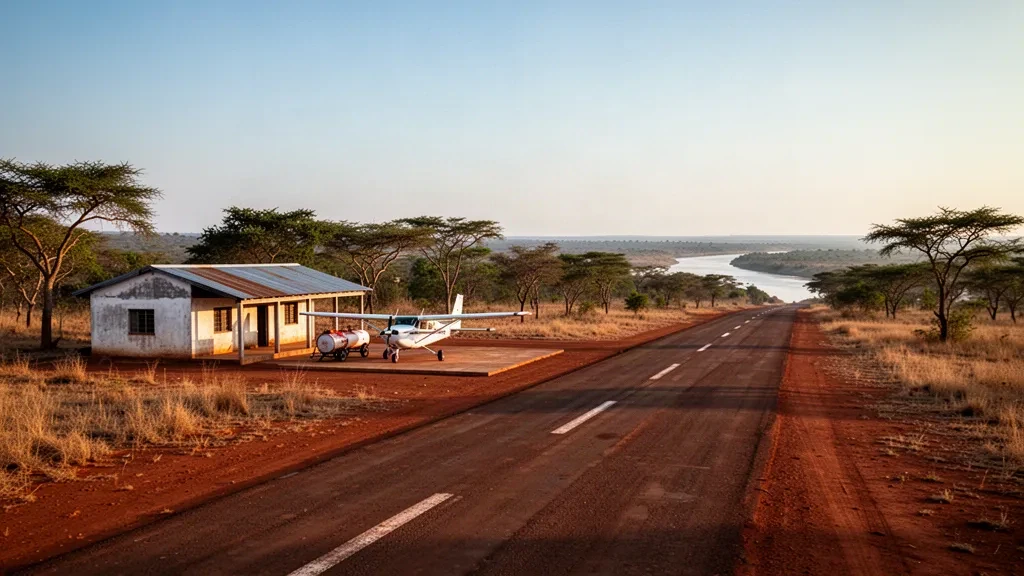
Dirico Airport is a small regional airport serving Dirico in southeastern Angola's Cuando Cubango Province, close to the Namibian border and the Kavango River. Compare transfer options to Dirico town, Menongue and nearby border-area destinations.
Catoca Airport (CTV)
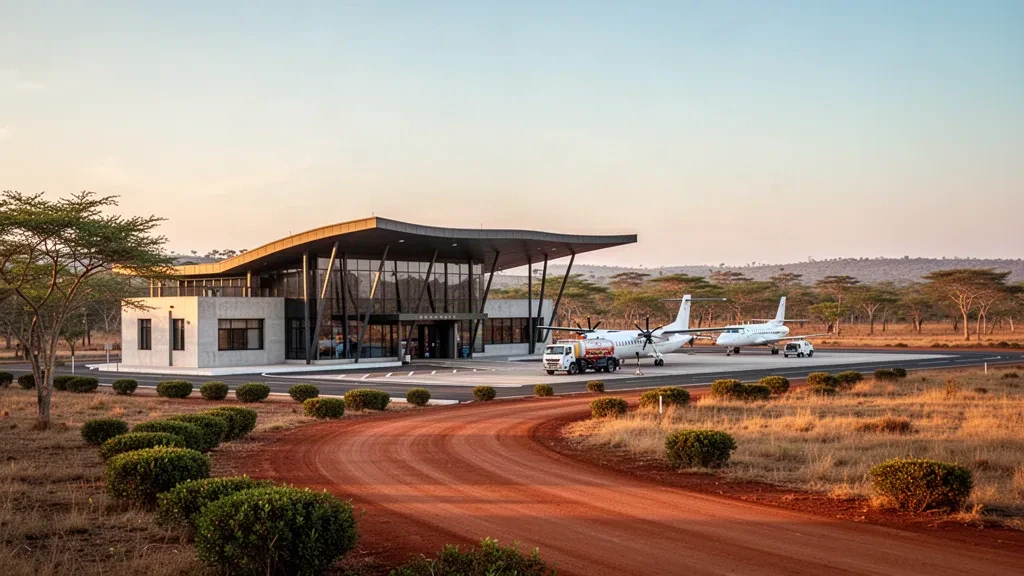
Catoca Airport is a small airport serving the Catoca diamond mine in Lunda Sul Province, about 26 km north of Saurimo. It provides access to the mine area and the wider Saurimo region, with road transfers available to the city and nearby destinations.
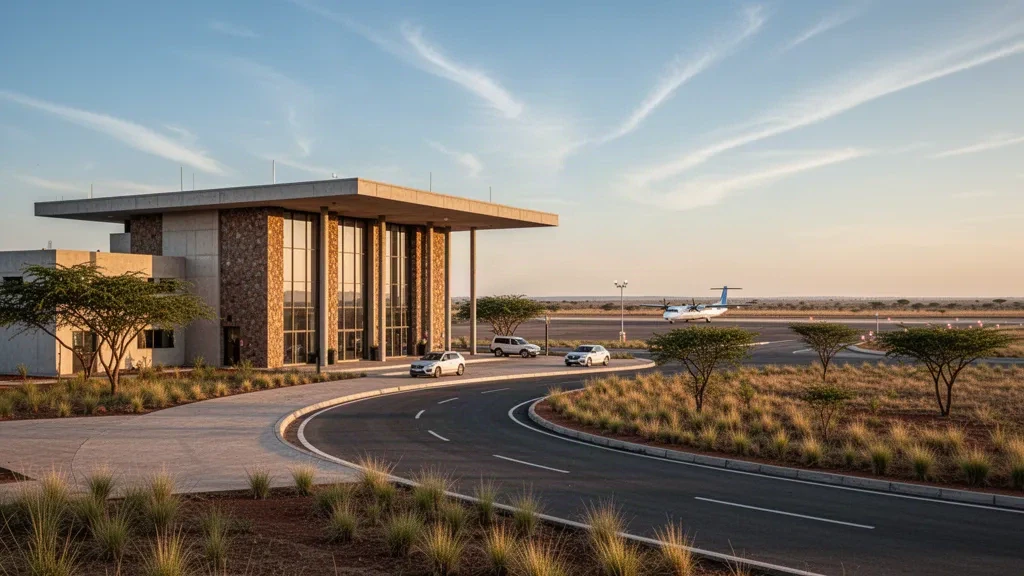
Cuito Cuanavale Airport (CTI)
Cuito Cuanavale Airport is a small regional gateway serving Cuito Cuanavale in Angola's Cuando Cubango Province, with domestic links toward Menongue and Luanda. Transfers from the airport reach the town centre in only a few minutes, making onward travel to the area's historic sites and nearby destinations straightforward.