Swains Island
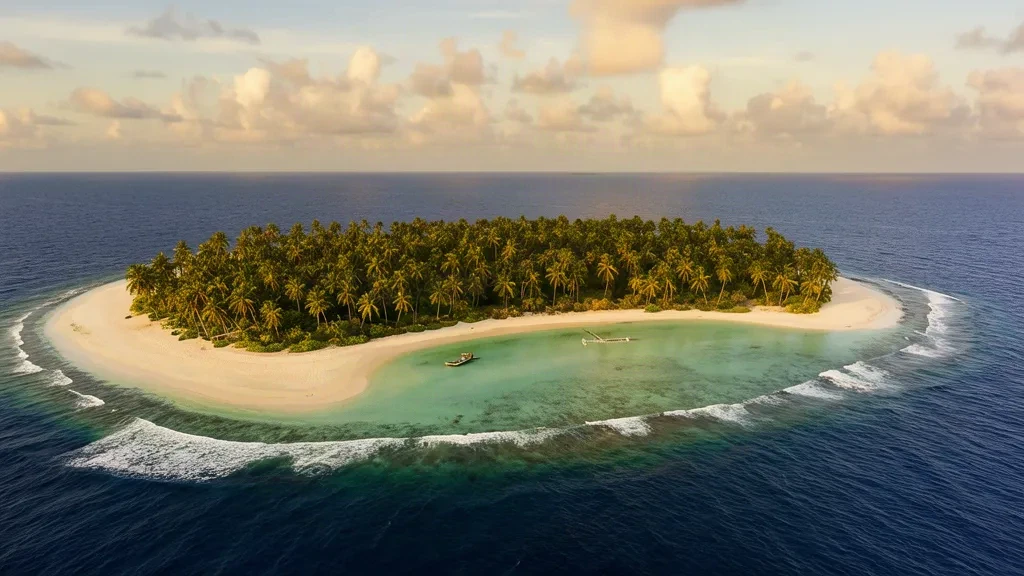
Swains Island, also known as Olohega, is a remote coral atoll in American Samoa. Its small Polynesian community, central lagoon and layered Tokelauan and Samoan heritage give the island a quiet, distinctive character.
Passengers
Luggage
About Swains
Swains Island is a remote coral atoll in the northernmost part of American Samoa, about 320 km northwest of Tutuila. Known as Olohega in Tokelauan and Olosega in Samoan, it is privately owned and has no regular tourism infrastructure, making it one of the least-visited places in the U.S. territory.
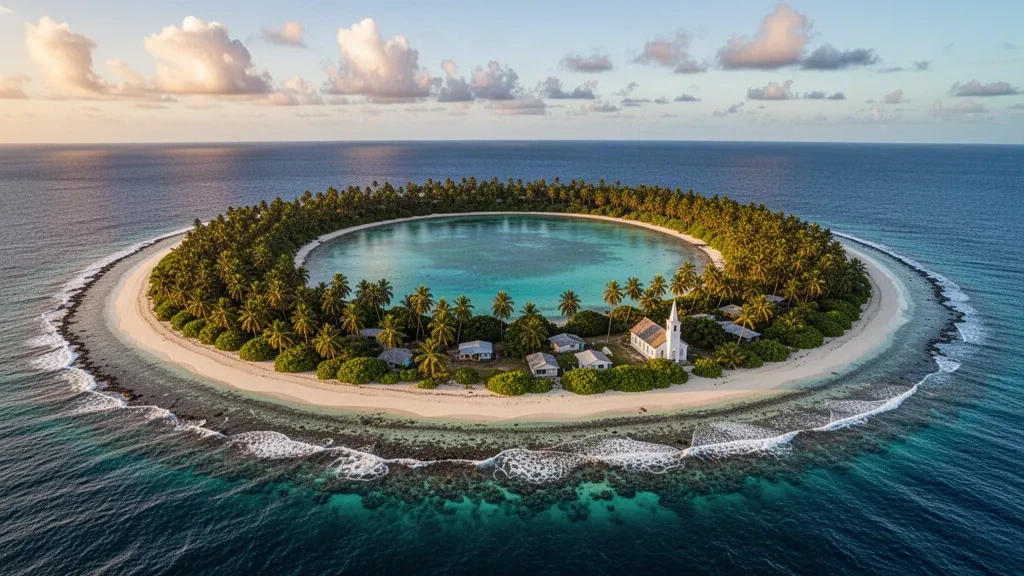
The atoll was claimed by American trader Eli Jennings in 1856 and worked for generations as a copra plantation, with the Jennings family retaining ownership ever since. It was formally joined to American Samoa in 1925 and now lies within the National Marine Sanctuary of American Samoa. The central freshwater lagoon, Lake Namo, gives the island its distinctive ring shape.
Two former settlements, Taulaga in the northwest and Etena in the southeast, trace the island's plantation past, though the 2020 census recorded no permanent residents. Cyclone Percy damaged many structures in 2005, and only a few buildings remain among coconut groves and dense tropical vegetation.
Today Swains Island is valued mainly for its ecology. Its reefs support large schools of barracuda, snappers and sharks, and seabirds nest around the atoll. Occasional small-scale farming and fishing continue, but visits require permission from the island's custodians and a long, well-equipped boat journey.
For most travelers, Swains Island remains a protected frontier rather than a conventional destination. It lies far from American Samoa's main island, with access limited to authorized or research-related visits, so it is best understood as a place of cultural heritage and conservation.
Swains Travel Guide
Best Time to Visit
Swains Island has no regular tourism season, and access requires permission from the island's custodians. The drier months from May to October generally bring more settled sea conditions for an authorized boat voyage from Tutuila.
How to Get Around
There are no roads or public transport on the atoll, so movement is on foot along overgrown former tracks. Reaching the island requires a long boat journey with an experienced crew, usually from Pago Pago on Tutuila.
Where to Stay
Swains Island has no hotels or guesthouses, and any authorized visitor must be self-sufficient. Most travelers base themselves on Tutuila, where accommodation is concentrated around Pago Pago and nearby villages.
Food & Drink
There are no restaurants or shops on the island, so supplies must be brought in. The island's heritage is tied to coconuts, small-scale farming and fishing rather than a developed food scene.
Ground Transportation Services in Swains
Airport Transfers
Pago Pago International Airport serves American Samoa, and airport transfers connect arrivals with hotels, the harbor and meeting points on Tutuila. Swains Island itself has no airstrip and is reached by boat.
Hourly Chauffeur
A private chauffeur is practical on Tutuila for business, sightseeing and transfers around Pago Pago. Swains Island has no road network, so travel there is limited to foot or small boats.
Car Rental
Rental cars are available on Tutuila for exploring Pago Pago and nearby villages. Vehicles cannot be taken to Swains Island, which has no roads for driving.
Bus & Group Transfers
Group transport operates on Tutuila for tours, events and airport transfers. Reaching Swains Island requires arranging a private vessel with an experienced crew rather than road transport.
Frequently Asked Questions
Related Cities in American Samoa
View all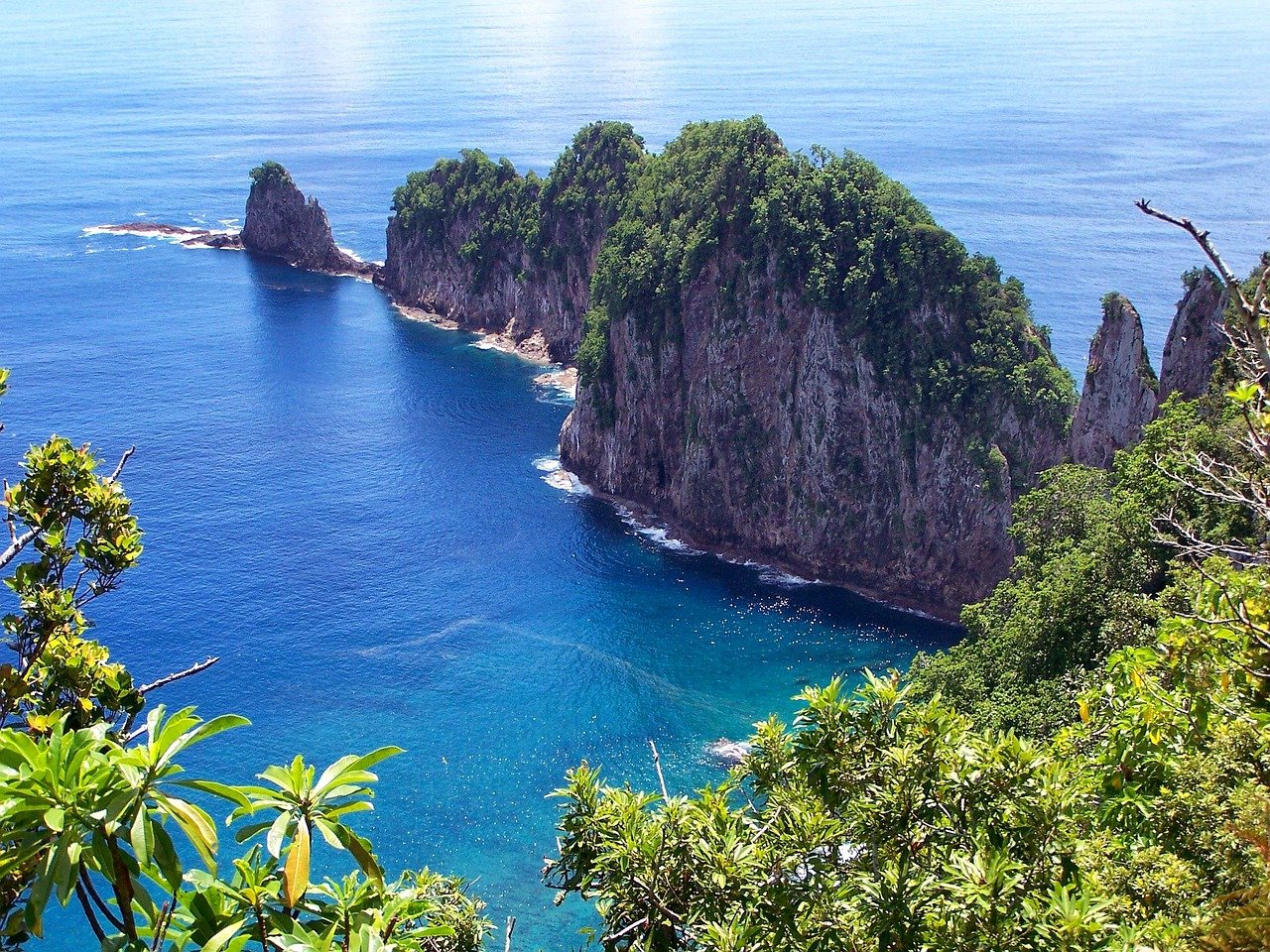
Western
Western, American Samoa, is a coastal district of Tutuila where traditional Polynesian villages meet rainforest trails and coral reefs. It is also home to the territory's main airport and a relaxed South Pacific way of life.
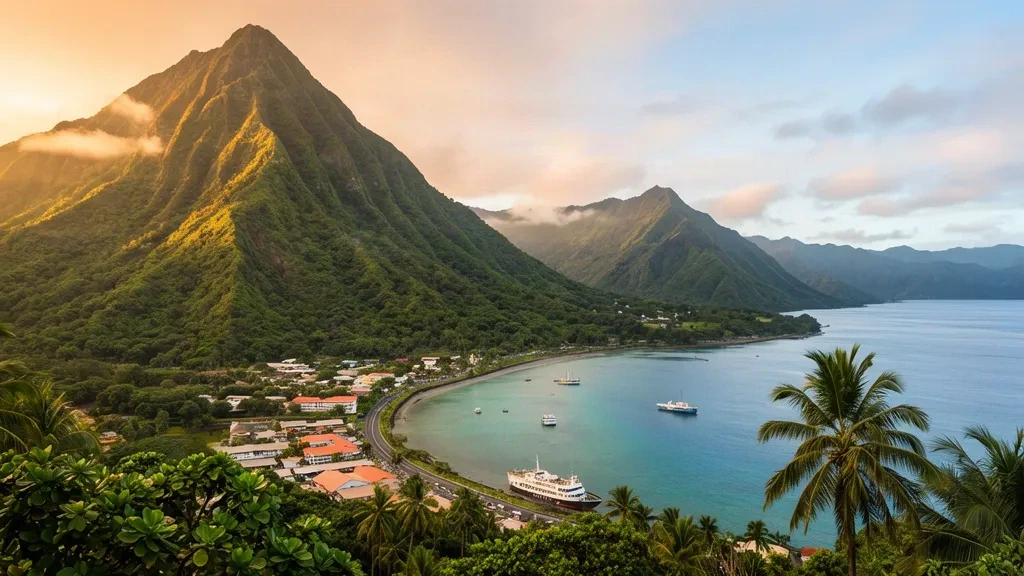
Rose
Rose, a village in American Samoa, offers a glimpse into traditional Polynesian life, with a peaceful setting amid the territory's tropical landscapes.
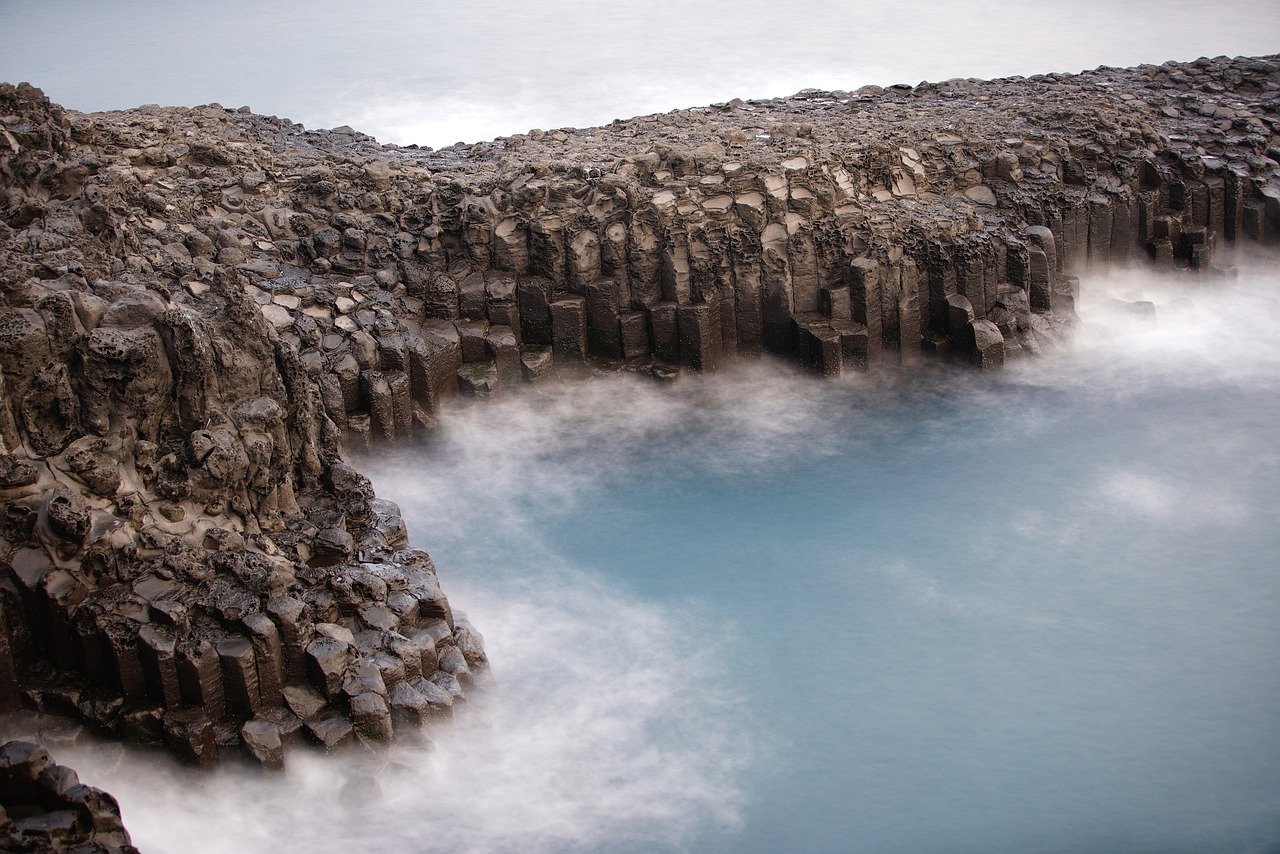
Manuʻa
Manuʻa, a remote island group in American Samoa, preserves a strong Polynesian heritage amid volcanic peaks, coral reefs and quiet villages. Its secluded beaches, traditional fa'a Samoa way of life and unspoiled landscapes make it a distinctive South Pacific destination.