Rose
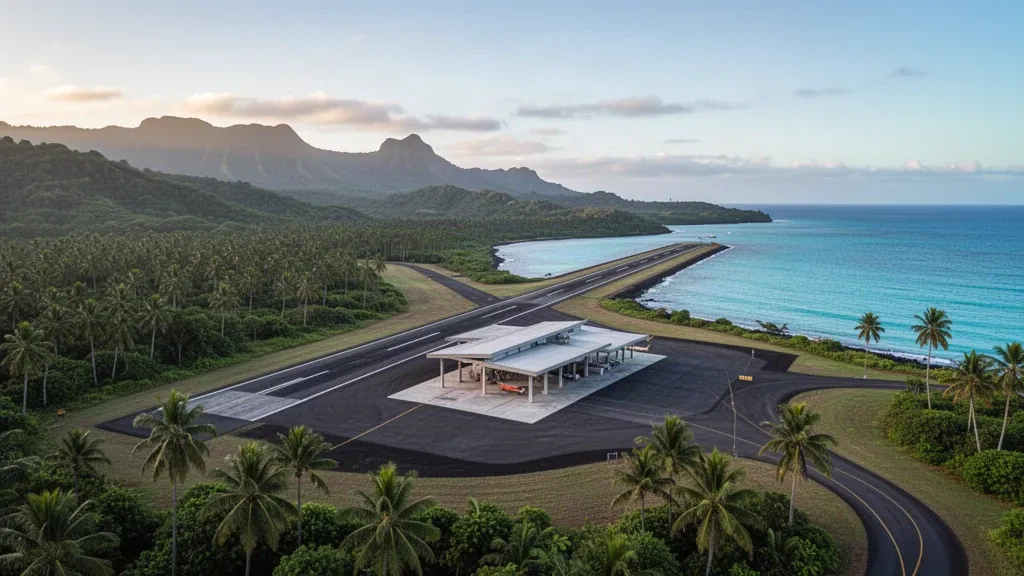
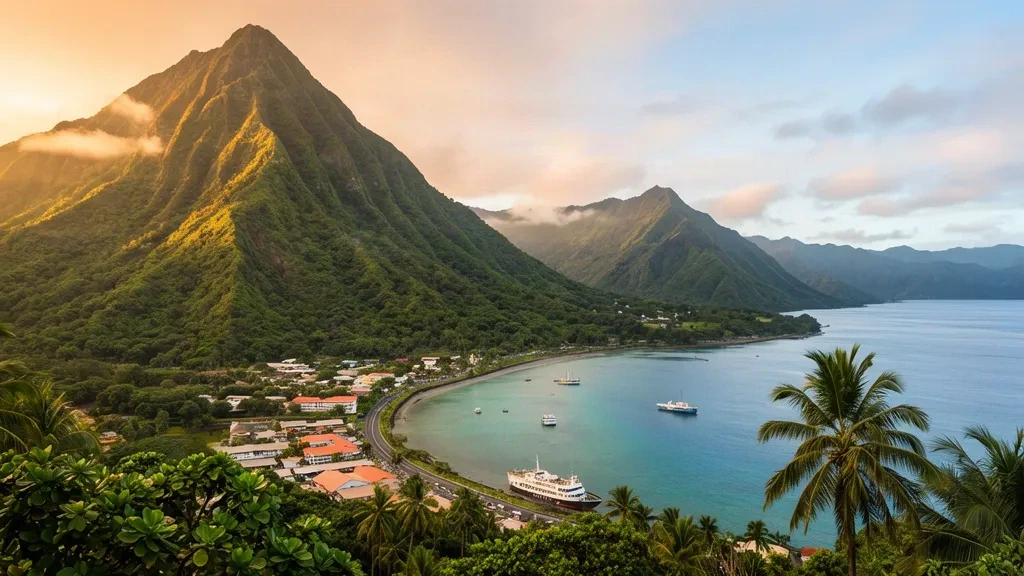
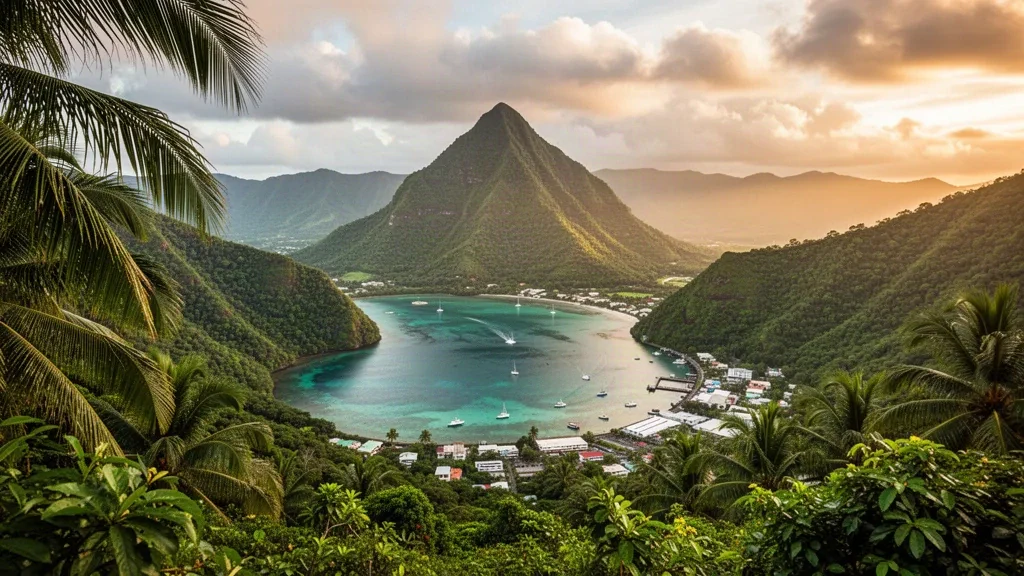
Rose, a village in American Samoa, offers a glimpse into traditional Polynesian life, with a peaceful setting amid the territory's tropical landscapes.
Passengers
Luggage
About Rose
Rose Atoll, also known as Rose Island or Motu o Manu, is an uninhabited oceanic atoll within the U.S. territory of American Samoa. It lies about 130 nautical miles east-southeast of Pago Pago Harbor and is the easternmost Samoan island and the southernmost point of the United States. Rather than a conventional city, it is a strictly protected natural area managed as the Rose Atoll National Wildlife Refuge and the Rose Atoll Marine National Monument.
The atoll consists of two small islets, Rose Island and Sand Island, enclosed by a lagoon and fringing reef. Its reef is known for a pink hue caused by crustose coralline algae, one of the features that makes Rose Atoll distinctive in the region. The land area is tiny, while the surrounding protected monument covers a vast expanse of reef and open ocean.
Rose Atoll is among the most important seabird and marine habitats in American Samoa, supporting a large share of the territory's nesting seabirds, including rare petrels and shearwaters, along with giant clams and healthy reef communities. Early Polynesians visited the atoll periodically, and in 1819 the French navigator Louis de Freycinet named it Rose, reportedly after his wife.
There is no permanent settlement, lodging, restaurant or road network on the atoll, and public access is restricted to protect wildlife. Most visits are scientific, conservation or culturally authorized trips, typically reached by boat from Tutuila or the Manu'a Islands.
For travelers and researchers, Rose Atoll is best understood as a remote conservation destination rather than a leisure city. Nearby Pago Pago and the Manu'a Islands provide the practical base for permits, supplies and any connecting travel, while the atoll itself remains a fragile, closely guarded natural landmark.
Rose Travel Guide
Best Time to Visit
There is no open tourist season at Rose Atoll, and access requires advance authorization. For permitted research or conservation trips, the drier and generally calmer months from May to October offer more predictable sea conditions.
How to Get Around
Rose Atoll has no roads, public transport or visitor facilities. Movement on the atoll is on foot across the small islets or by boat within permitted areas, while most logistics are handled from Pago Pago on Tutuila or the Manu'a Islands.
Where to Stay
There is no accommodation on Rose Atoll, so authorized visitors typically stay aboard vessels. Hotels, guesthouses and homestays are available on Tutuila, particularly around Pago Pago, and in the Manu'a Islands.
Food & Drink
There are no restaurants or shops on the atoll, so food and water must be carried in and all waste carried out. On Tutuila and the Manu'a Islands, travelers can try local Samoan dishes built around fresh fish, taro, breadfruit, coconut and tropical fruit.
Ground Transportation Services in Rose
Airport Transfers
Arrange private transfers between Pago Pago International Airport, Pago Pago Harbor and hotels on Tutuila for travelers preparing to connect onward to Rose Atoll.
Hourly Chauffeur
Book a private chauffeur by the hour around Pago Pago and Tutuila for permit meetings, supply runs and sightseeing before or after a Rose Atoll trip.
Car Rental
Rent a car on Tutuila for independent travel around Pago Pago, coastal roads and villages. Rose Atoll itself has no roads and is reached only by boat.
Bus & Group Transfers
Arrange minibuses or charter buses for groups moving between Pago Pago International Airport, the harbor, accommodations and meeting points on Tutuila.
Frequently Asked Questions
Related Cities in American Samoa
View all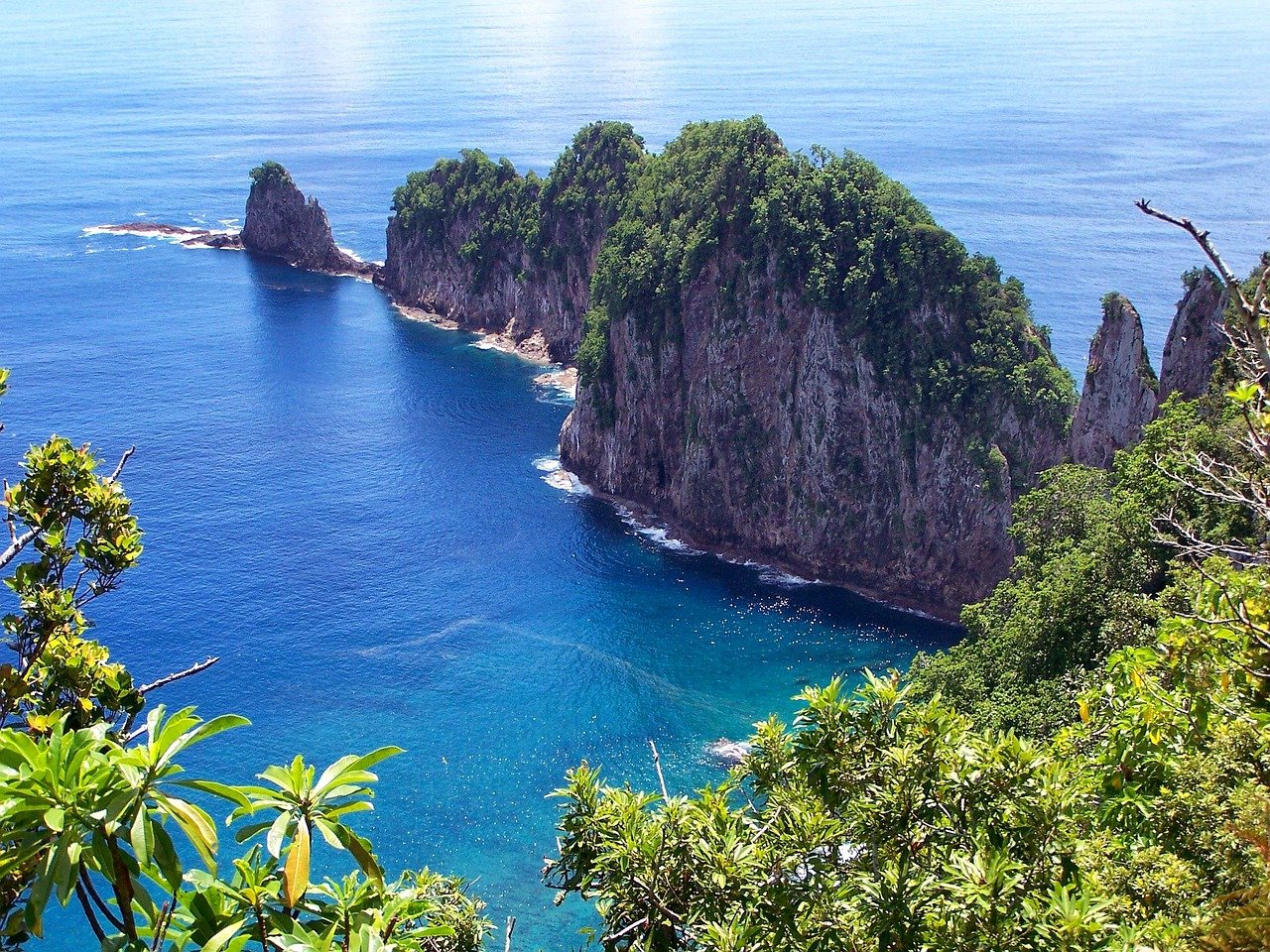
Western
Western, American Samoa, is a coastal district of Tutuila where traditional Polynesian villages meet rainforest trails and coral reefs. It is also home to the territory's main airport and a relaxed South Pacific way of life.
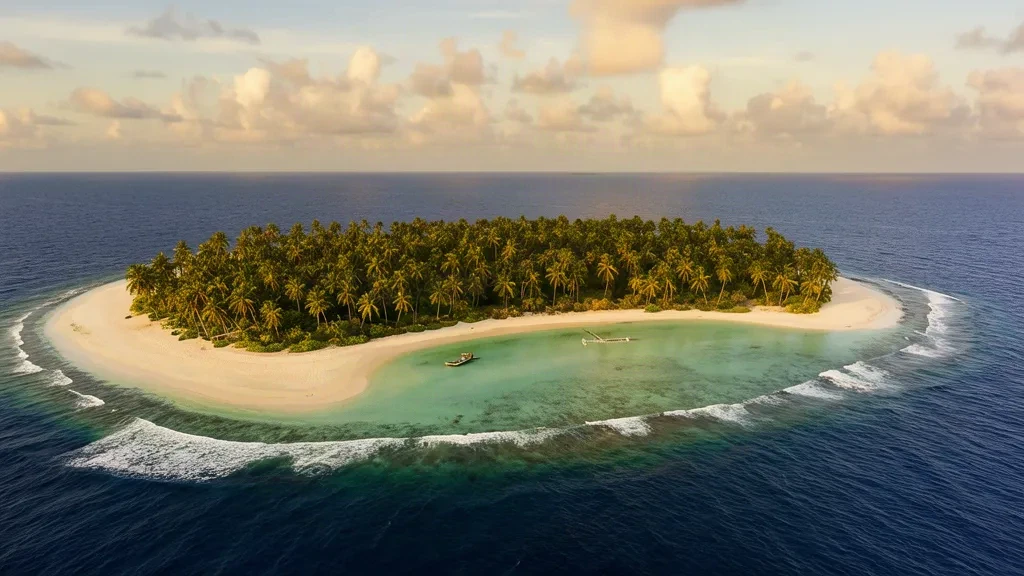
Swains Island
Swains Island, also known as Olohega, is a remote coral atoll in American Samoa. Its small Polynesian community, central lagoon and layered Tokelauan and Samoan heritage give the island a quiet, distinctive character.
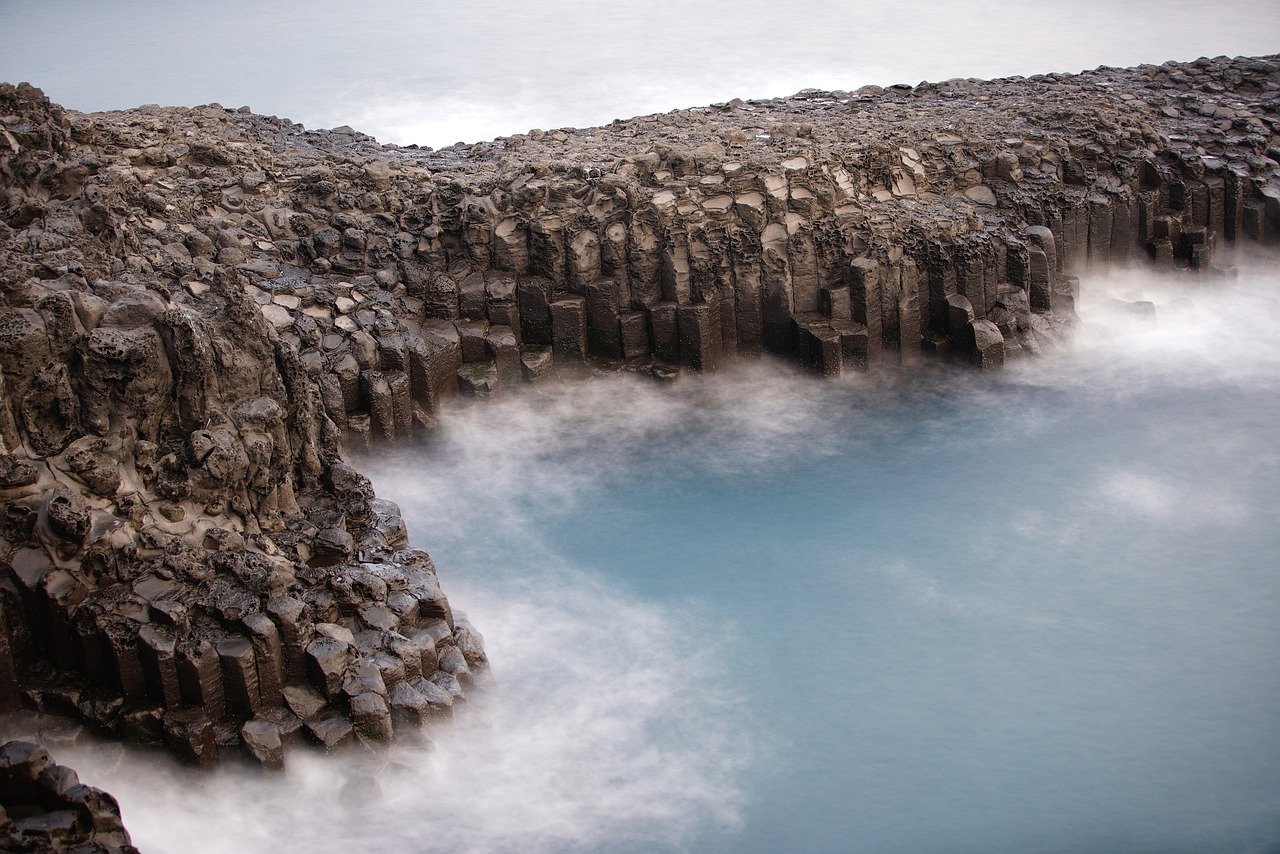
Manuʻa
Manuʻa, a remote island group in American Samoa, preserves a strong Polynesian heritage amid volcanic peaks, coral reefs and quiet villages. Its secluded beaches, traditional fa'a Samoa way of life and unspoiled landscapes make it a distinctive South Pacific destination.