Sétif
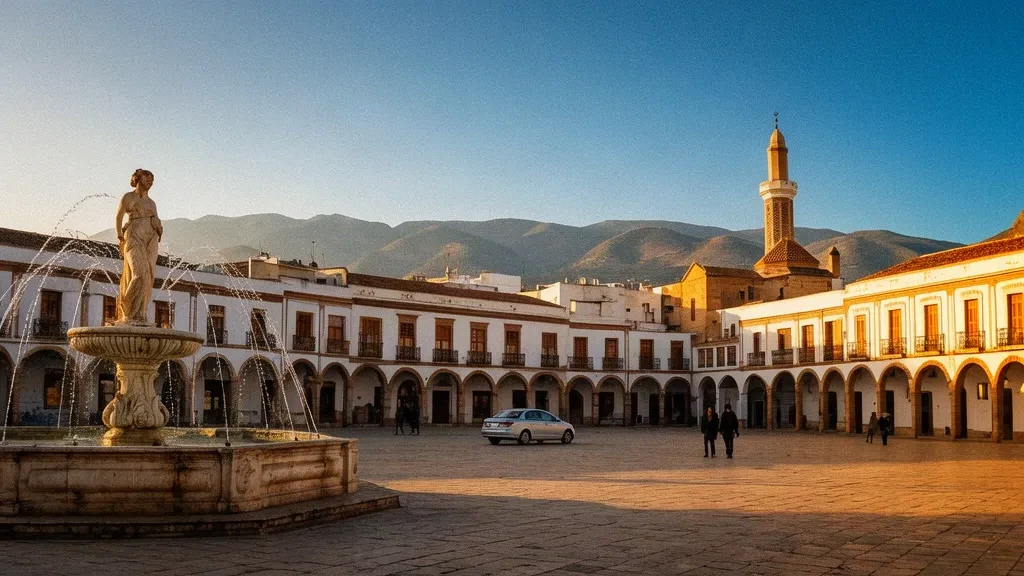
Sétif, an ancient highland city in northeastern Algeria, blends Roman and Byzantine heritage with busy markets, broad colonial-era streets and the landmark Ain El Fouara fountain.
Passengers
Luggage
About Sétif
Sétif is the capital of Sétif Province and one of the largest cities in northeastern Algeria, set on the high plains about 300 kilometres east of Algiers. As a long-standing commercial and agricultural centre, it combines a busy modern core with strong links to the grain-producing countryside that surrounds it.
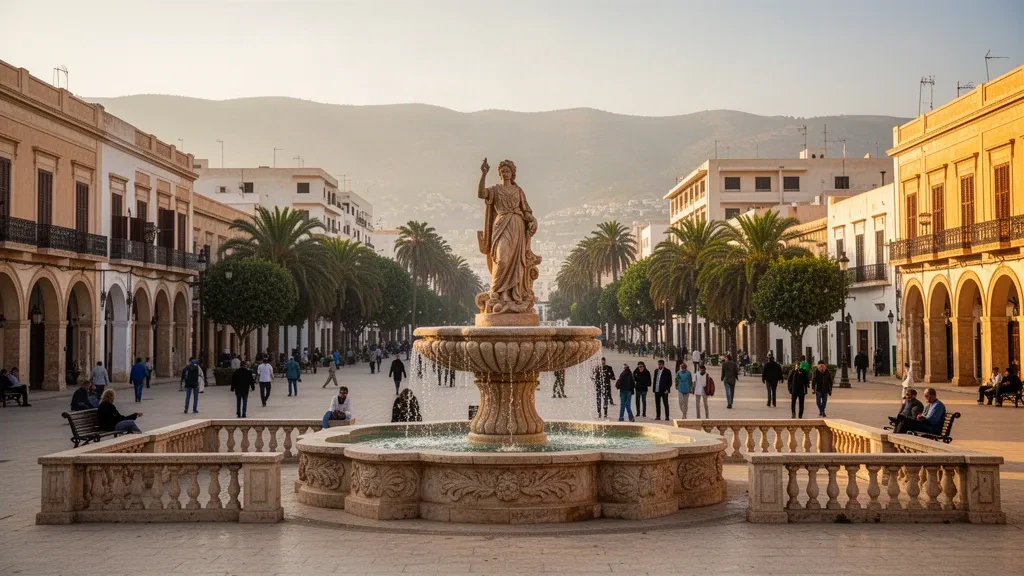
Its history reaches back to the Numidian period and Roman Sitifis, founded as a veteran colony in 97 AD and later capital of the province of Mauretania Sitifensis. Traces of Byzantine fortifications remain near the centre, while the Ain El Fouara Fountain, a 19th-century landmark with a marble statue, stands as the city's best-known symbol and meeting point.
The city centre is organised around broad avenues, the fountain square and the Sétif National Museum, which holds archaeological and ethnographic collections from the region. Visitors also shop and gather at Park Mall Sétif, and the UNESCO-listed Roman ruins of Djémila (ancient Cuicul) lie about 50 kilometres away, making Sétif a useful base for exploring eastern Algeria.
Sétif is a hub for cereals, agro-food processing and manufacturing, and its university, trade events and football culture add to its regional importance. Local cooking highlights couscous, chakhchoukha and grilled meats, served alongside cafés, patisseries and fresh produce from the surrounding high plains.
For leisure travellers, the city offers history, high-plateau scenery and proximity to Roman sites, while business visitors benefit from its commercial role and accessible transport links across the region.
Sétif Travel Guide
Best Time to Visit
Spring (April to May) and autumn (September to October) bring mild weather that suits sightseeing around Sétif. Summers are warm and dry, while winters on the high plateau can be cold with occasional snow.
How to Get Around
Sétif has a tram line opened in 2018, along with public buses and taxis for moving across the city. Many central sights, including the Ain El Fouara Fountain, are within walking distance of the centre.
Where to Stay
Most hotels are concentrated in the city centre near Ain El Fouara and along the main avenues, which is convenient for landmarks and business. The area around Park Mall and the university offers additional practical options.
Food & Drink
Sétif's cuisine features couscous, chakhchoukha and grilled meats, alongside local pastries and fresh produce from the surrounding high plains. Cafés and restaurants cluster in the centre and around Park Mall.
Ground Transportation Services in Sétif
Airport Transfers
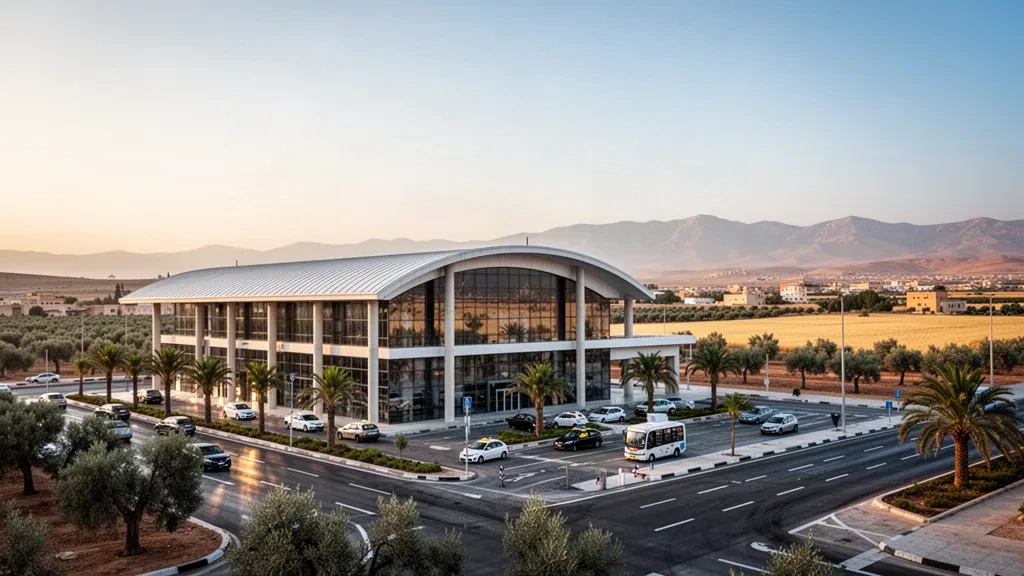
Travel between Sétif International Airport at Aïn Arnat and hotels, business districts, event venues and other destinations across Sétif.
Hourly Chauffeur
Book a private chauffeur by the hour for business meetings, sightseeing, events and flexible travel around Sétif.
Car Rental
Rent a car in Sétif for independent travel around the city and convenient journeys to nearby sites such as the Roman ruins of Djémila.
Bus & Group Transfers
Arrange minibuses or charter buses for groups, corporate travel, events, airport transfers and tours in Sétif and the surrounding region.
Frequently Asked Questions
Related Cities in Algeria
View all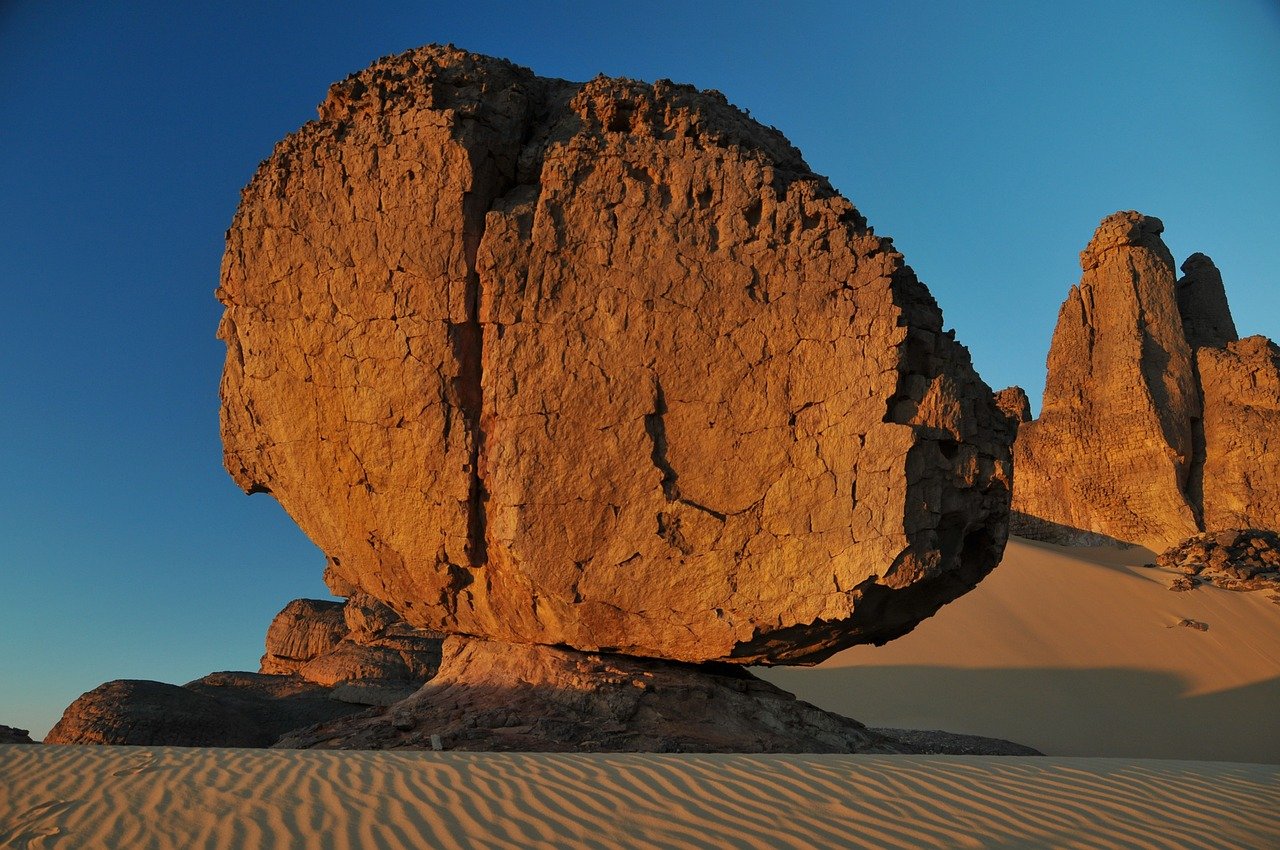
Touggourt
Touggourt, a historic Saharan oasis in Algeria, has long served as a gateway for desert travellers, with palm groves, traditional ksour architecture and a lively market culture. Its blend of Saharan heritage and everyday oasis life gives the city a distinctive, welcoming character.
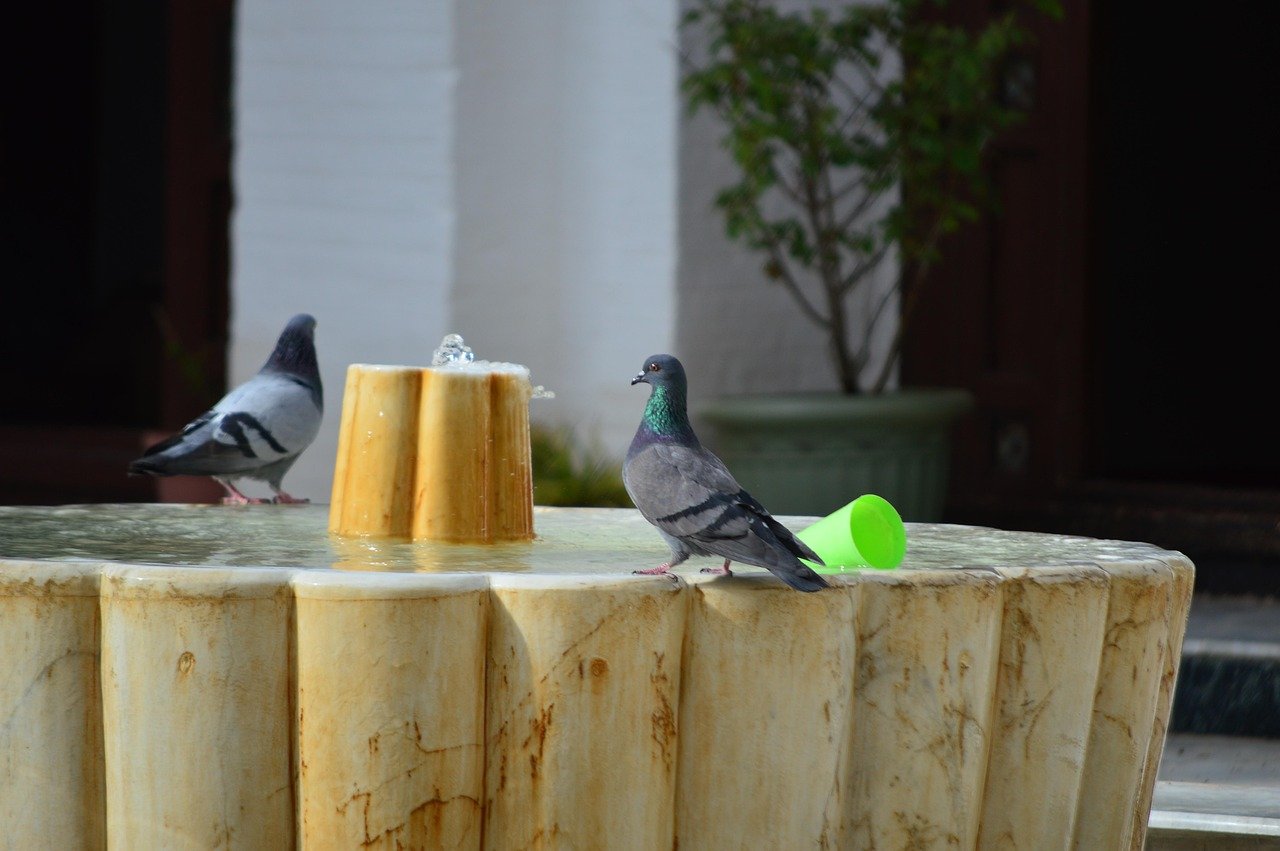
Tlemcen
Tlemcen, a historic city in northwestern Algeria, is known for its Andalusian and Islamic architecture, refined cultural heritage and landmarks such as the Great Mosque and El Mechouar Palace. Its lively medina, olive-covered hills and academic traditions give it a distinctive character that rewards slow exploration.
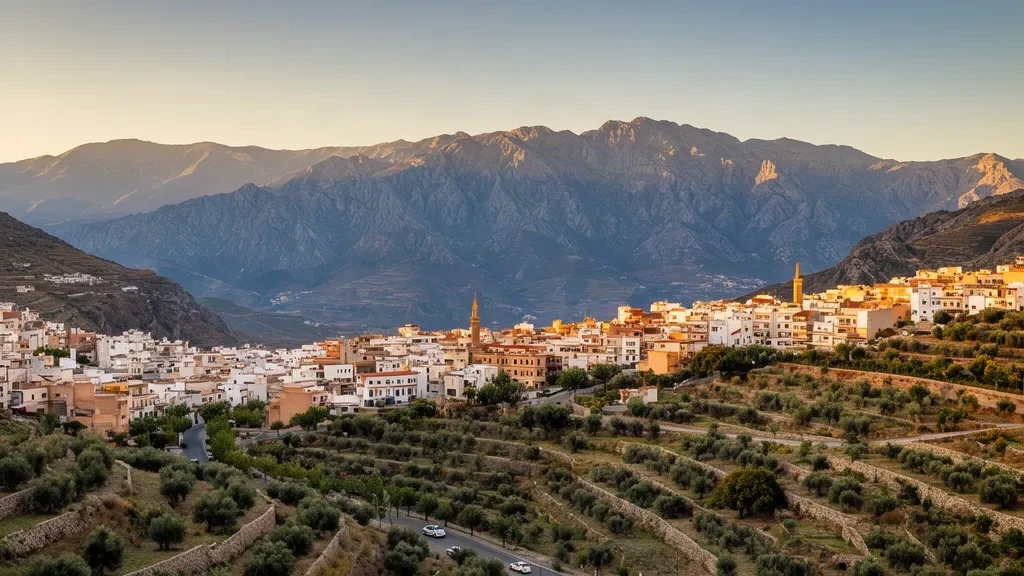
Tizi Ouzou
Tizi Ouzou, capital of its namesake province in Algeria's Kabylie region, blends Amazigh heritage, mountain scenery and a youthful university atmosphere with markets, crafts and olive groves.