Helmand
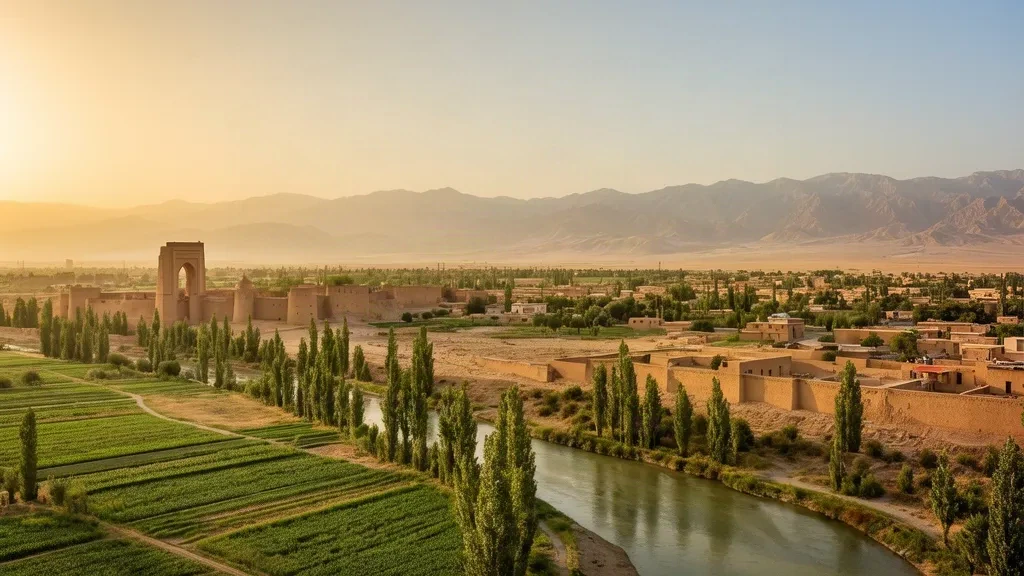
Helmand, in southern Afghanistan, is a regional hub shaped by the Helmand River, historic trade routes and a landscape of desert and irrigated farmland. Its markets and surrounding districts reflect a resilient agricultural culture with deep regional roots.
Passengers
Luggage
About Helmand
Helmand is Afghanistan's largest province, stretching across roughly 58,584 km² of arid plains and irrigated river valleys in the country's southwest. Its capital, Lashkargah, sits beside the Helmand River and grew from the ancient settlement of Bost, giving the region a long history of irrigation, trade and settlement.
The area's past remains visible in landmarks such as the Qala-e-Bost archaeological site near Lashkargah. In the mid-20th century, the Helmand Valley Authority project brought dams, canals and planned streets to the capital, an effort that earned the area the nickname "Little America". Decades of conflict have since reshaped much of the province.
Lashkargah is the administrative and commercial centre, while Gereshk (Nahr-e Saraj) is another important market town. Other districts such as Sangin, Musa Qala, Garmsir and Marjah are mostly rural and agricultural, spread along the river valley and its network of irrigation canals.
Agriculture drives the local economy, with wheat, maize, cotton, fruit and other crops grown in the irrigated valley; illicit opium poppy cultivation has also been widespread and has contributed to the region's instability. The landscape shifts from green river valleys to open desert and rugged highlands.
Helmand is not a conventional leisure destination, and most governments advise against non-essential travel there. The province is more relevant to professionals working in aid, reconstruction, research or security-supported operations, with visits normally arranged through local contacts and careful planning.
Helmand Travel Guide
Best Time to Visit
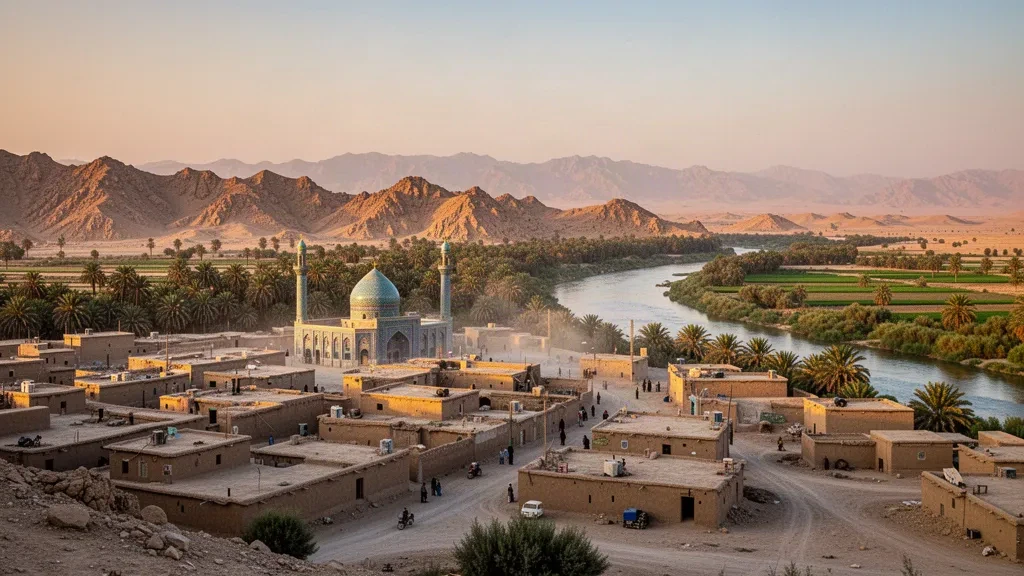
Helmand has very hot summers and relatively mild winters. The cooler months from late autumn to early spring are the most comfortable for any planned visit, but security conditions, rather than weather, are the main factor in travel decisions.
How to Get Around
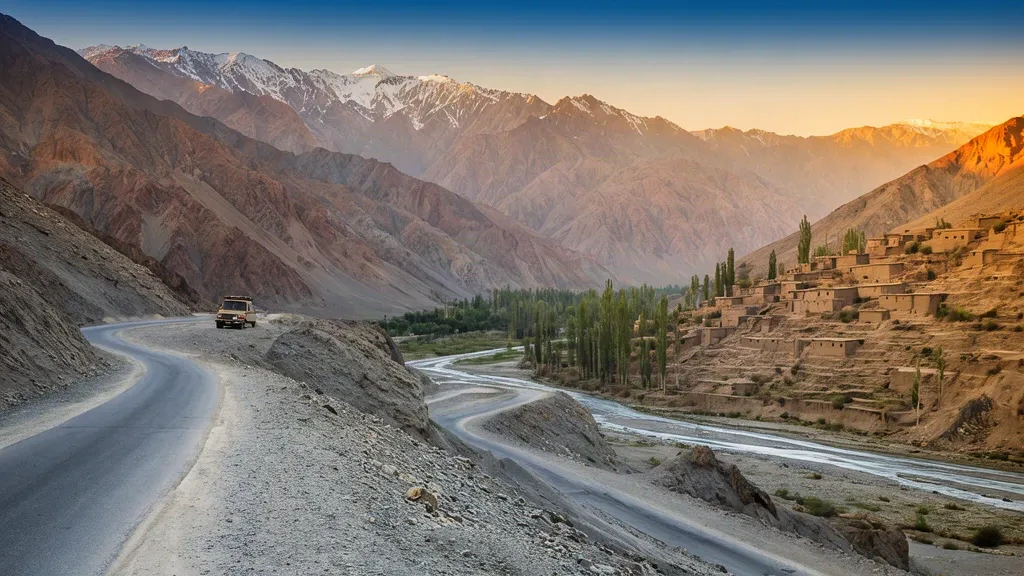
Road travel between Lashkargah and other provincial towns is possible, but conditions and security vary considerably. Movement is usually arranged with local drivers, private vehicles or escorted convoys, and travellers should follow current security guidance.
Where to Stay
Accommodation is limited and concentrated mainly in Lashkargah, where guesthouses and small lodgings serve workers and visitors with local arrangements. Options elsewhere in the province are scarce and should be organised well in advance.
Food & Drink
Local food centres on Afghan staples such as rice, flatbread, kebabs, stews and seasonal fruit from the Helmand valley. Tea is widely served, and meals are typically taken in family homes, guesthouses or small eateries in the main towns.
Ground Transportation Services in Helmand
Airport Transfers
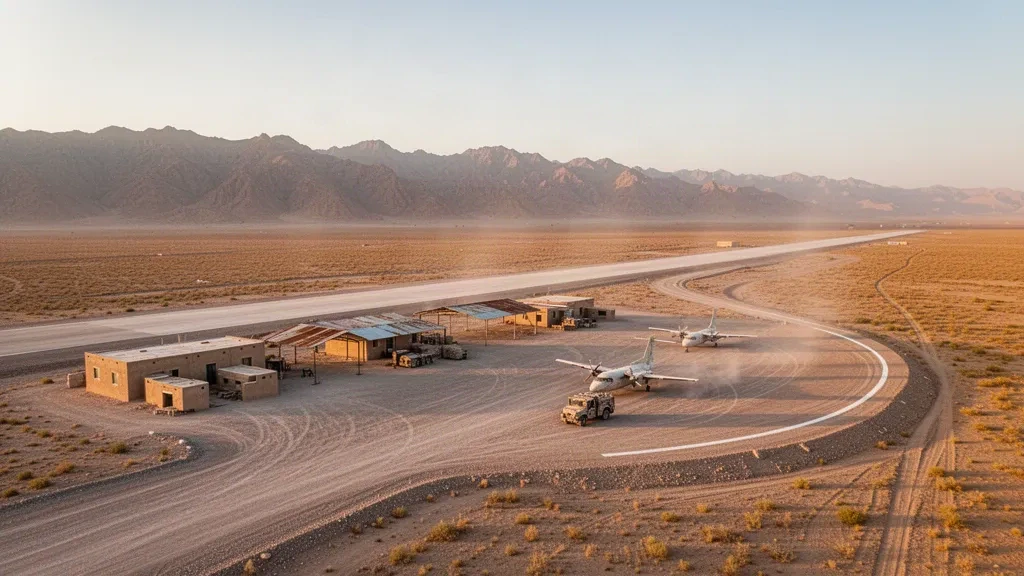
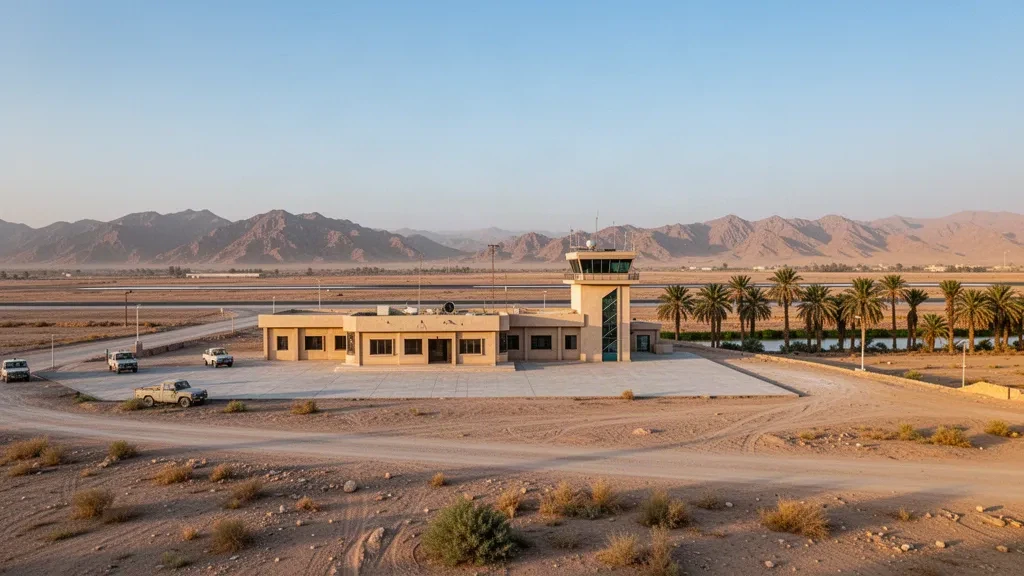
Arrange secure transport between Bost Airport in Lashkargah and destinations across Helmand, including guesthouses, offices and meeting points.
Hourly Chauffeur
A private driver by the hour can support pre-arranged business, humanitarian or research movements around Lashkargah and other accessible areas.
Car Rental
Self-drive car rental is not generally advisable in Helmand; travel is usually arranged with local drivers or escorted vehicles suited to current security conditions.
Bus & Group Transfers
Minibuses and larger vehicles can be arranged for pre-planned group movements, field visits and transfers between Lashkargah and other provincial locations.
Airports in Helmand
Frequently Asked Questions
Related Cities in Afghanistan
View all
Zabul
Zabul, in southern Afghanistan, is a historic area of rugged mountains and valleys, with strong Pashtun traditions and routes linking Kabul and Kandahar.
Wardak
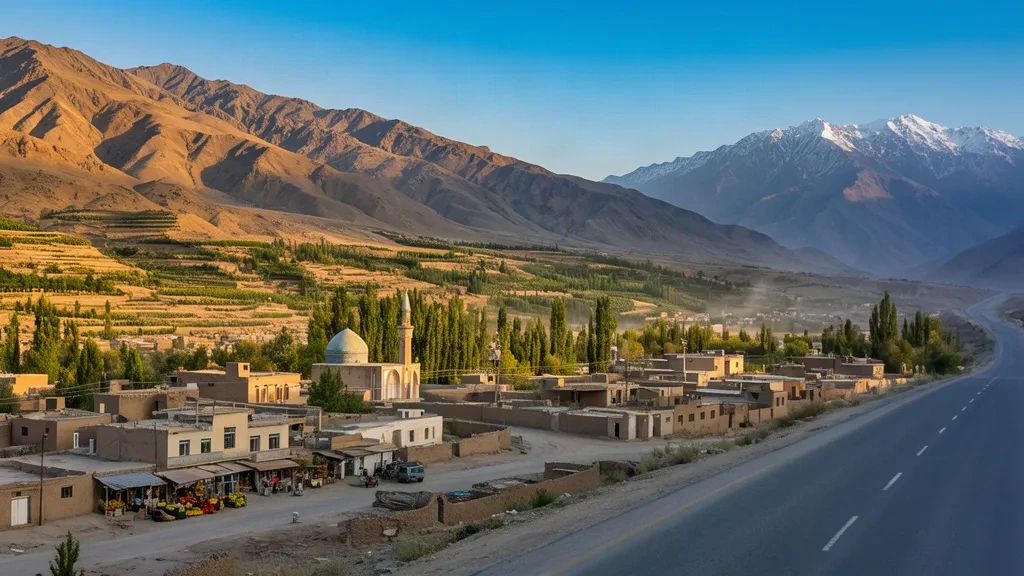
Wardak, a city in central Afghanistan, is known for its rugged mountain scenery, historical sites and rich cultural heritage.
Urozgan
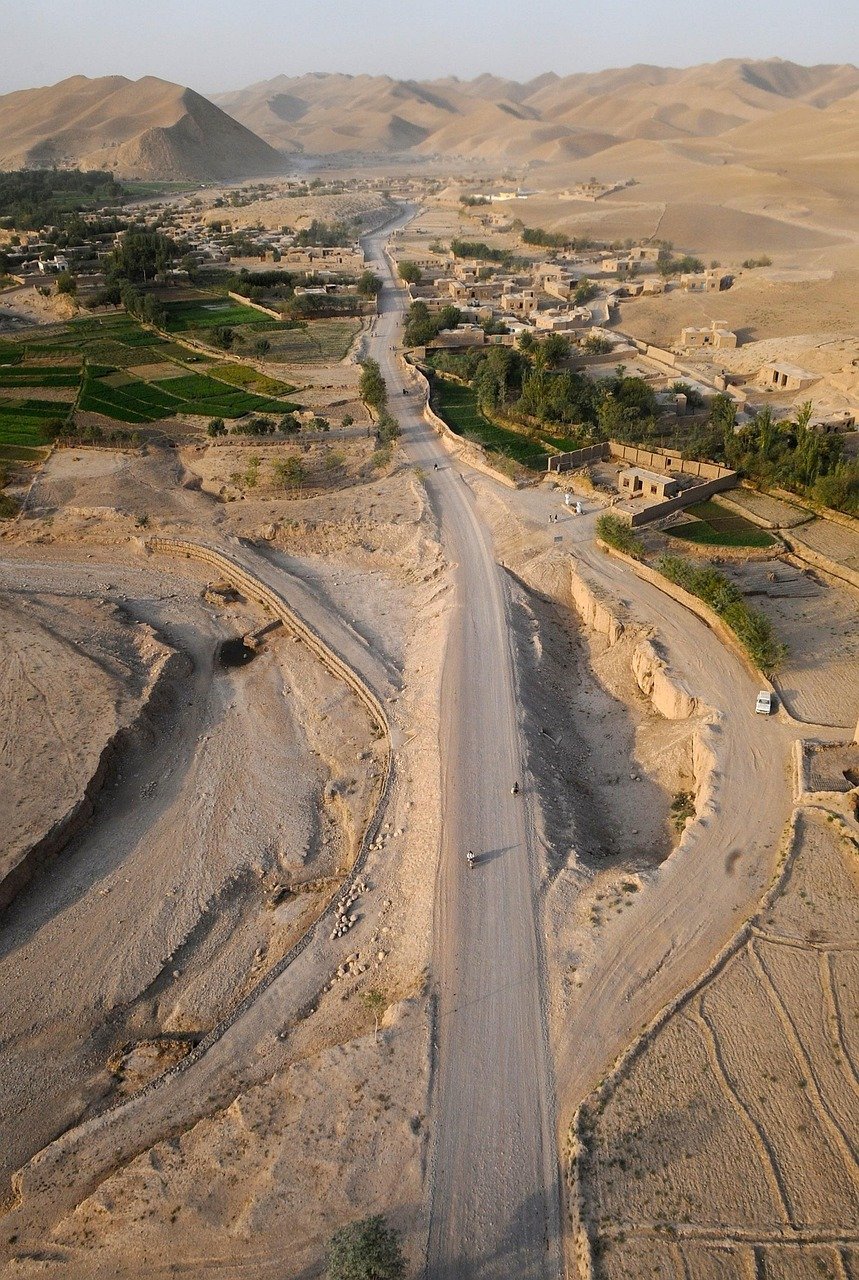
Urozgan, in central Afghanistan, is known for its rugged mountains, rural villages and strong local traditions. Its remote landscapes and historic sites offer a distinctive glimpse of the country's interior.