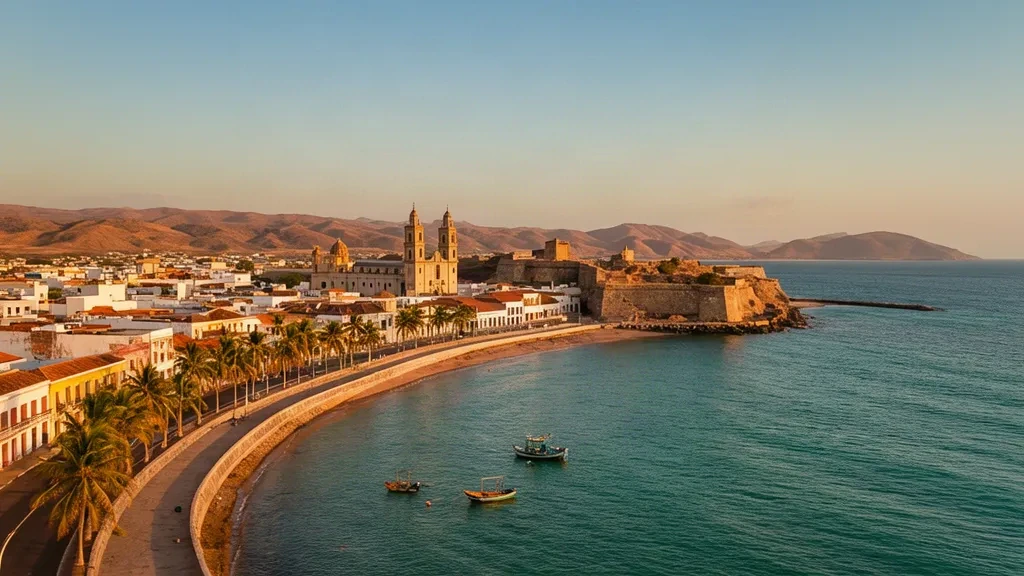
Sucre
Sucre, Venezuela, blends colonial heritage with a lively local rhythm, offering travellers a genuine taste of the country's culture, architecture and everyday life.
Passengers
Luggage
About Sucre
Cumaná is the capital of Sucre State on Venezuela's northeastern Caribbean coast, set near the mouth of the Manzanares River. Founded in 1515, it is widely regarded as the first permanent European settlement on the South American mainland, which gives the city a long and distinctive colonial history.
That heritage remains visible in the historic centre and its fortifications. The 17th-century Castillo San Antonio de la Eminencia rises above the city and coast, while the Castillo de Santa María de la Cabeza, built in 1669, stands by the sea. The Basilica Menor de Santa Inés, the city's oldest church and a co-cathedral, and the birthplace of the poet José Antonio Ramos Sucre add further cultural depth. Cumaná is also the birthplace of the independence leader Antonio José de Sucre.
Beyond the centre, coastal neighbourhoods such as Playa San Luis and Los Bordones offer long beaches and seafood restaurants, while Mochima National Park provides islands, coves and clear water for boating and snorkelling. Museums including the Museo del Mar and the Museo Antonio José de Sucre help explain the region's maritime and political history.
As a regional hub, Cumaná combines fishing, commerce and education, anchored by the Universidad de Oriente. Its port, markets and food scene reflect everyday coastal life, and events such as Carnival draw visitors from across Venezuela.
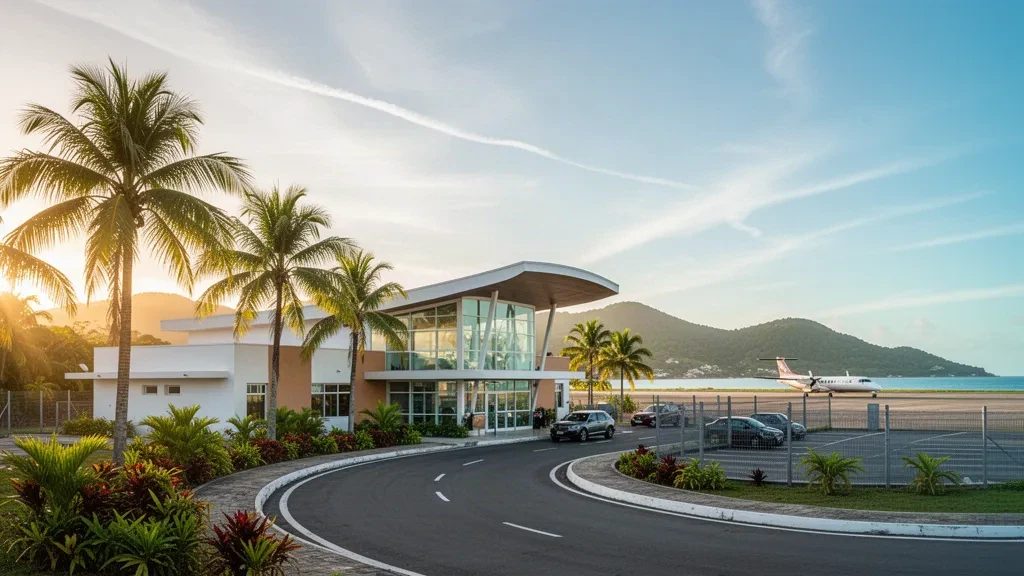
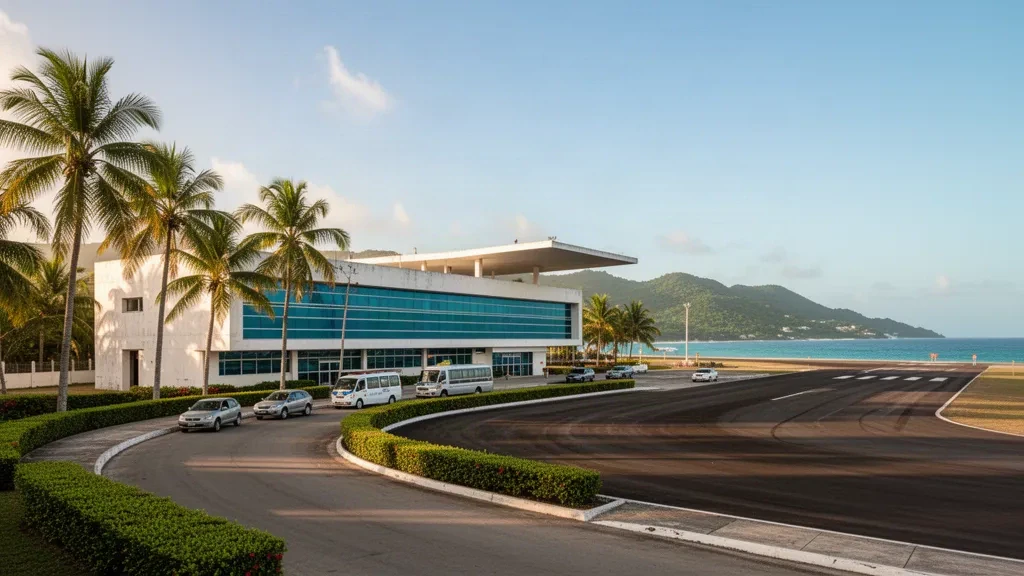
For travellers, Cumaná works as both a beach and history destination and as a gateway to eastern Venezuela and Sucre State, with road connections and Antonio José de Sucre Airport linking it to the wider country.
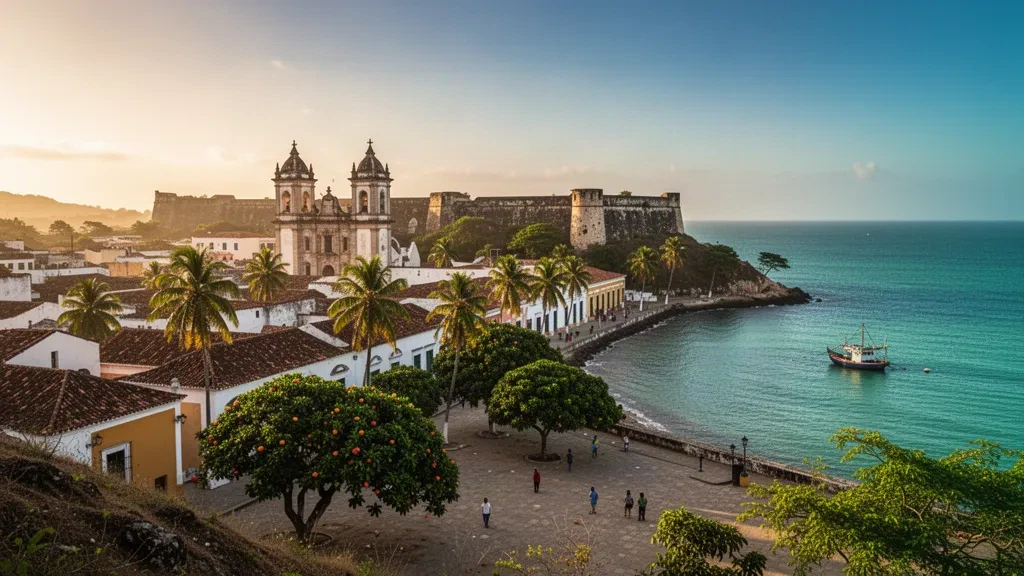
Sucre Travel Guide
Best Time to Visit
The dry season from roughly December to April offers sunny days ideal for beaches and outdoor excursions, while Carnival brings lively celebrations. The heaviest rains usually fall between June and October, so outdoor plans are easier outside that period.
How to Get Around
Cumaná is compact enough to explore the historic centre on foot, while shared taxis, local buses and mototaxis cover longer trips. Taxis and rental cars are useful for reaching beaches such as Playa San Luis or the Mochima National Park area.
Where to Stay
The historic centre suits visitors who want landmarks and museums nearby, while coastal areas around Playa San Luis and Los Bordones offer beach access. Most hotels and guesthouses are concentrated near the centre and the main avenues.
Food & Drink
Cumaná's cuisine centres on fresh Caribbean seafood, including fish, shrimp, lobster and traditional coastal stews. Arepas, empanadas and regional sweets are widely available at local restaurants, beach kiosks and markets.
Ground Transportation Services in Sucre
Airport Transfers
Travel between Antonio José de Sucre Airport (CUM) and hotels, the historic centre, beaches and other destinations across Cumaná and Sucre State.
Hourly Chauffeur
Book a private chauffeur by the hour for business meetings, sightseeing, beach trips and flexible travel around Cumaná.
Car Rental
Rent a car in Cumaná for independent travel along the coast and convenient access to Mochima National Park and nearby towns.
Bus & Group Transfers
Arrange minibuses or charter buses for groups, corporate travel, events, airport transfers and tours in Cumaná and Sucre State.
Airports in Sucre
Frequently Asked Questions
Related Cities in Venezuela
View all
Miranda
Miranda pairs a rich history and lively cultural traditions with green landscapes and easy access to both mountain towns and the Caribbean coast.
Maracaibo
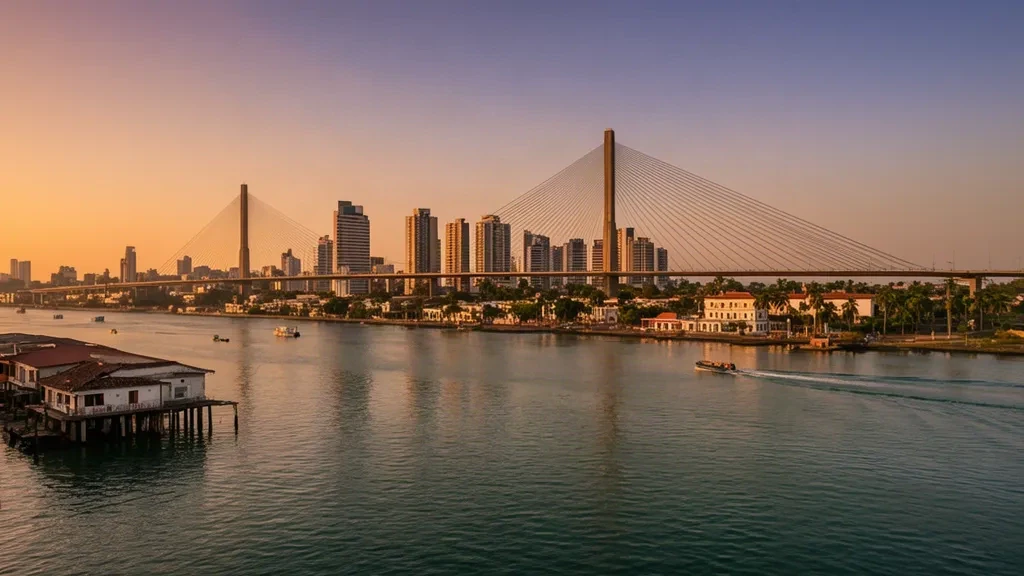
Maracaibo, capital of Zulia state, is a lively lakeside city shaped by oil, Caribbean rhythms and a proud regional culture. Its colonial landmarks, bustling markets and warm nights give it a distinct identity on Venezuela's western coast.
Venezuela
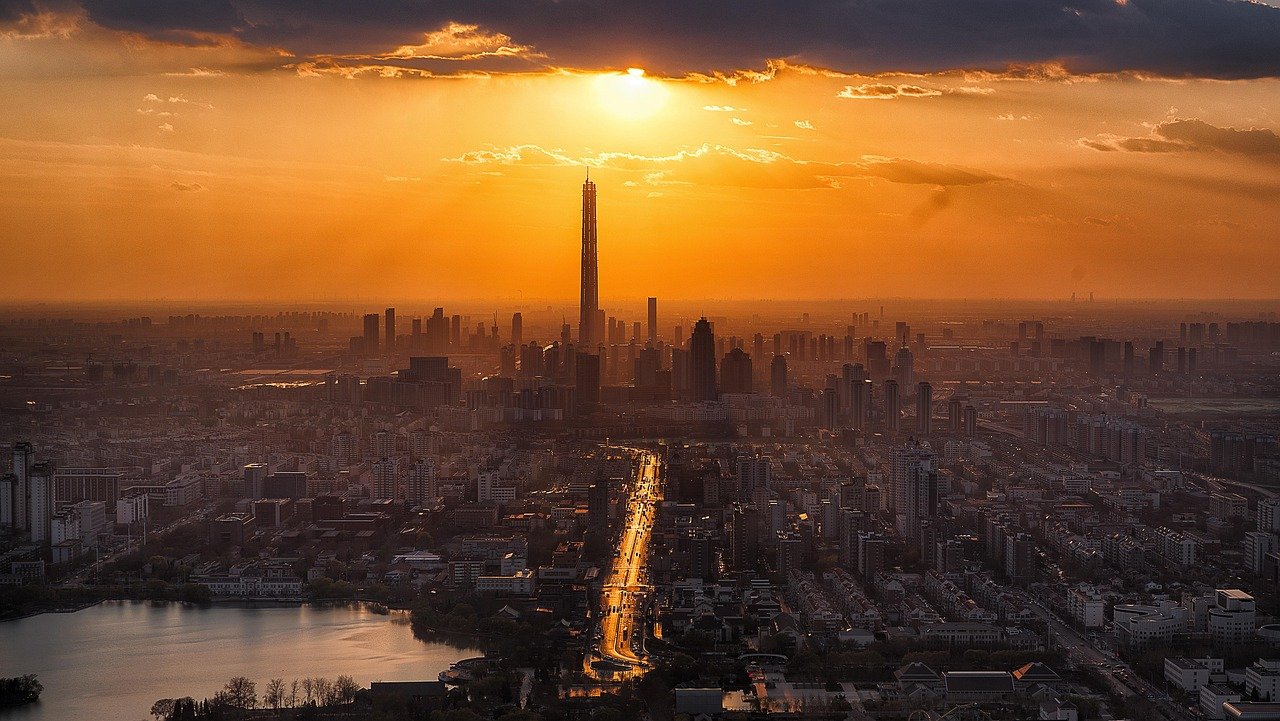
Venezuela blends local culture, everyday life and a welcoming atmosphere, giving travellers a straightforward sense of the region.