Ciudad Bolívar
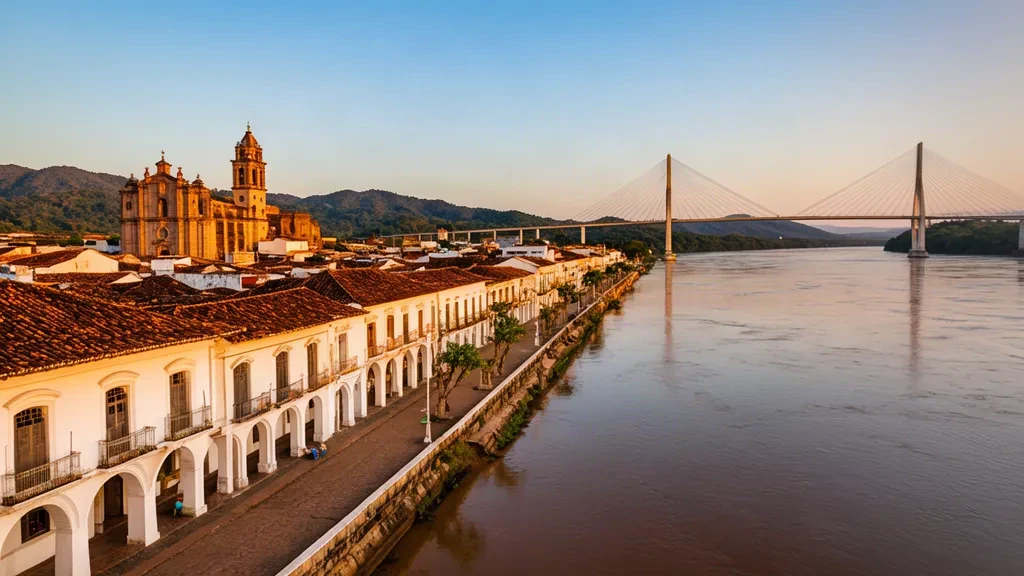
Ciudad Bolívar, founded as Angostura, sits where the Orinoco narrows and pairs colonial streets with a busy riverfront. Its historic center and gateway role to the Guayana region give the city a distinct, enduring character.
Passengers
Luggage
About Bolívar
Ciudad Bolívar is the capital of Bolívar state in southeastern Venezuela, set on the south bank of the Orinoco River where the channel narrows to roughly 800 metres. That narrowing gave the city its former name, Angostura, and it remains a historic river port, a commercial centre for the Orinoco basin and a gateway to the Guayana region.
Founded in 1595 as Santo Tomás de Guayana, the settlement moved several times before taking root as Angostura in 1764. Simón Bolívar convened the Congress of Angostura here in 1819, and the city was renamed Ciudad Bolívar in his honour in 1846. The well-preserved historic centre around Plaza Bolívar, with its cathedral and colonial houses, reflects that long past.
Culture and architecture meet at the Jesús Soto Museum of Modern Art, designed by Carlos Raúl Villanueva and devoted to the kinetic artist born in the city. The Orinoco riverfront, the Angostura Bridge and the old quarter shape the city's visual identity, while joropo and calypso traditions and the annual Orinoco Fair shape its cultural life.
Today Ciudad Bolívar is a government and university town as well as a trading hub for goods such as gold, diamonds, timber, river fish and tropical produce. The Angostura Bridge links it by road to the rest of Venezuela, and the compact centre makes the main sights easy to reach on foot or by taxi.
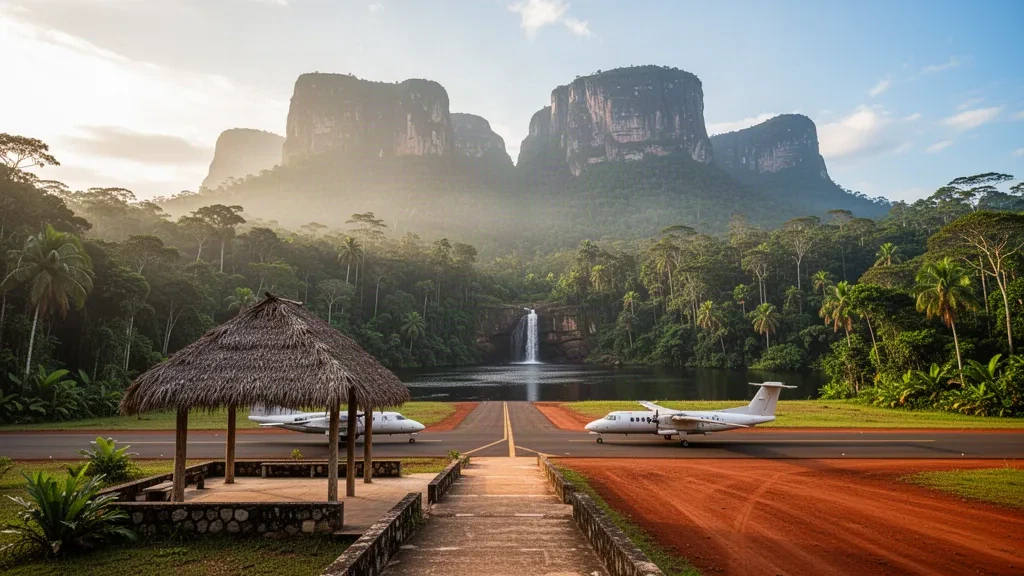
For travellers, the city is both a destination and a staging point: its colonial core and river views reward a stay, while flights and road routes lead on to Canaima National Park, Angel Falls, the Gran Sabana and the Brazilian border.
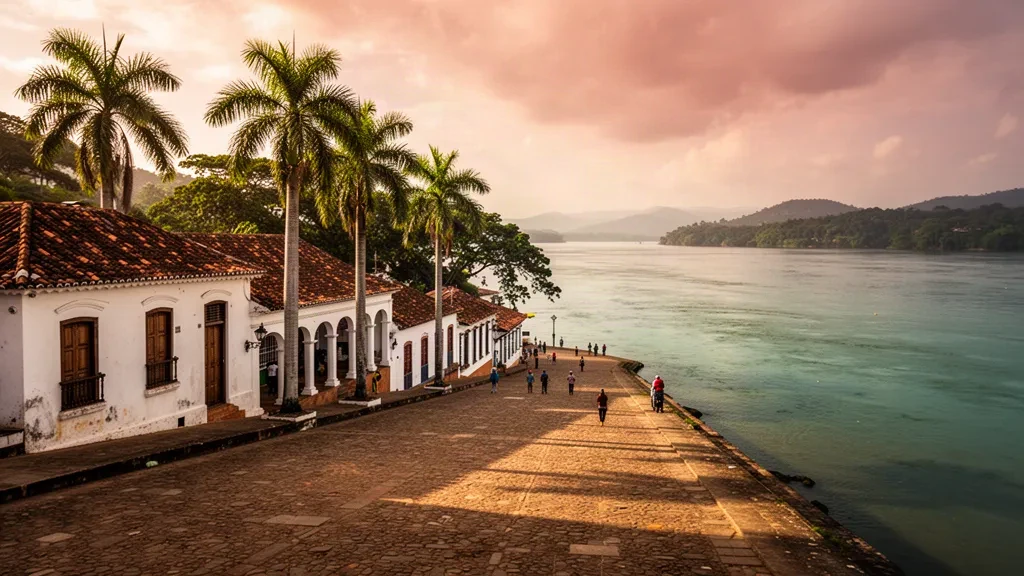
Bolívar Travel Guide
Best Time to Visit
The drier months from about December to April generally offer more settled conditions for exploring the historic centre, the riverfront and nearby natural attractions. The city stays hot and humid year-round, so lightweight clothing and sun protection are useful in every season.
How to Get Around
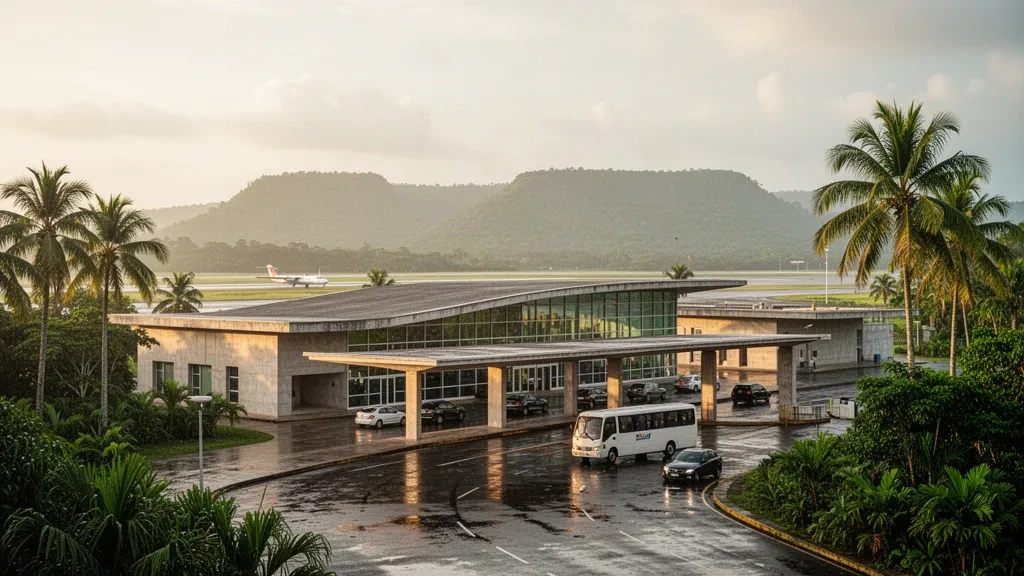
Buses provide the main public transport within Ciudad Bolívar, while taxis are useful for short trips and the compact historic centre can be explored on foot. Tomás de Heres Airport sits within the city, and the Angostura Bridge connects Ciudad Bolívar by road to the rest of Venezuela.
Where to Stay
Staying in or near the historic centre around Plaza Bolívar offers colonial architecture and easy access to the riverfront and museums. Hotels along the main avenues provide restaurants, services and convenient links to the airport and regional roads.
Food & Drink
Local eating centres on Orinoco river fish such as sapoara and morocoto, often served fried with rice, plus cassava bread, arepas and fresh tropical juices. Markets, cafés and small restaurants around the centre offer a straightforward taste of Guayana cooking.
Ground Transportation Services in Bolívar
Airport Transfers
Travel between Tomás de Heres Airport and hotels, the historic centre, the riverfront and destinations across Ciudad Bolívar and Bolívar state.
Hourly Chauffeur
Book a private chauffeur by the hour for business meetings, sightseeing in the old town and flexible travel around Ciudad Bolívar.
Car Rental
Rent a car in Ciudad Bolívar for independent travel around the city and onward journeys toward Ciudad Guayana and the Gran Sabana.
Bus & Group Transfers
Arrange minibuses or charter buses for groups, corporate travel, events, airport transfers and excursions from Ciudad Bolívar and across the region.
Airports in Bolívar
Frequently Asked Questions
Related Cities in Venezuela
View all
Miranda
Miranda pairs a rich history and lively cultural traditions with green landscapes and easy access to both mountain towns and the Caribbean coast.
Maracaibo
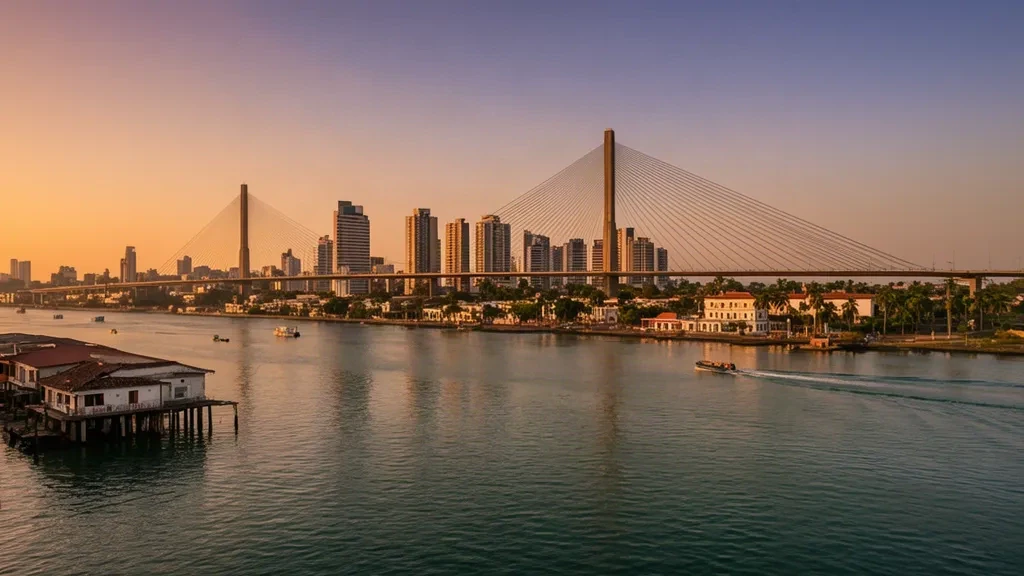
Maracaibo, capital of Zulia state, is a lively lakeside city shaped by oil, Caribbean rhythms and a proud regional culture. Its colonial landmarks, bustling markets and warm nights give it a distinct identity on Venezuela's western coast.
Venezuela
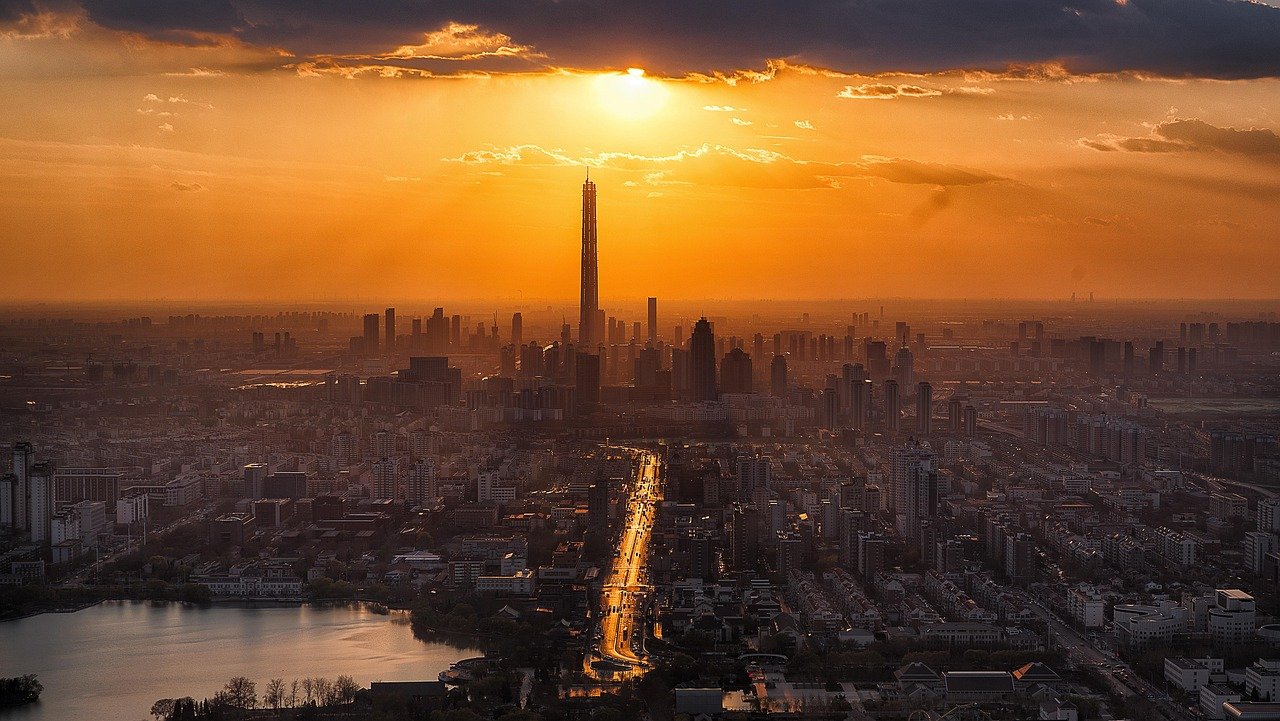
Venezuela blends local culture, everyday life and a welcoming atmosphere, giving travellers a straightforward sense of the region.