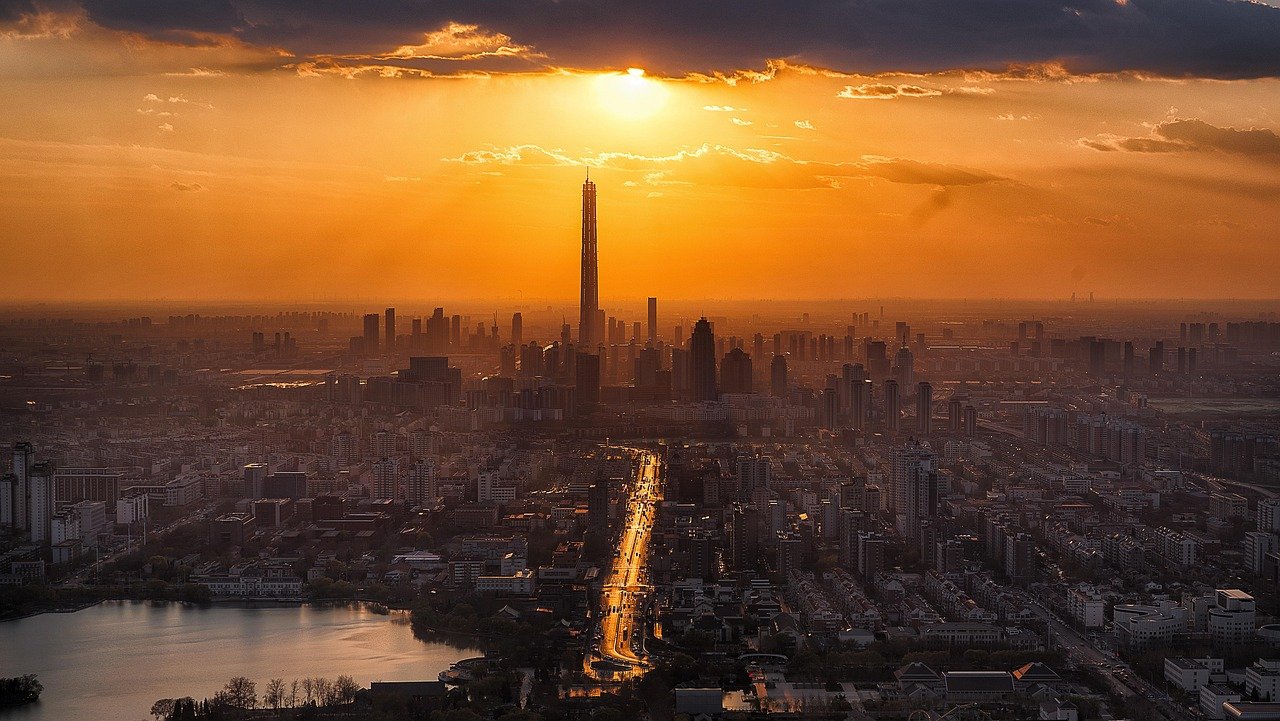
Fergana
Fergana, set in Uzbekistan's fertile Fergana Valley, is a city of tree-lined avenues, tsarist-era architecture, silk workshops and bustling bazaars that reflect Central Asia's layered history.
Passengers
Luggage
About Fergana
Fergana is the capital of Uzbekistan's Fergana Region and one of the main cities of the densely populated Fergana Valley, set in the eastern part of the country near the Kyrgyz border. Wide, tree-lined streets, parks and an orderly Russian colonial layout give the city a calm, green character that differs from the ancient Silk Road centres of Samarkand and Bukhara.
Fergana is among the youngest cities in Uzbekistan. It was founded in 1876 as New Margilan after the Kokand Khanate came under Russian control, was renamed Skobelev in 1907 and became Fergana in 1924. Although it has few medieval monuments, its Regional History Museum, Orthodox church, mosques and colonial-era buildings reflect the layered history of the valley.
Central Park, with its monument to the 9th-century astronomer Ahmad al-Fergani, anchors the city centre, while the Central Bazaar and nearby streets offer a lively view of daily life. Fergana is also a practical base for the region's craft towns: Margilan for silk and ikat weaving, Rishtan for blue-and-green ceramics, and Kokand for the Khudoyar Khan Palace.
As an industrial centre, Fergana has long been associated with oil refining, textiles and food processing, and it remains an important regional hub for trade and administration. Its markets, teahouses and restaurants introduce visitors to Fergana Valley cooking, including pilaf made with reddish devzira rice and plenty of seasonal fruit.
For travellers, Fergana combines a relaxed provincial atmosphere with convenient access to the valley's crafts, history and mountain scenery. Business visitors come for the city's role in regional industry and trade, while leisure travellers use it as a gateway to some of Uzbekistan's best-known artisan traditions.
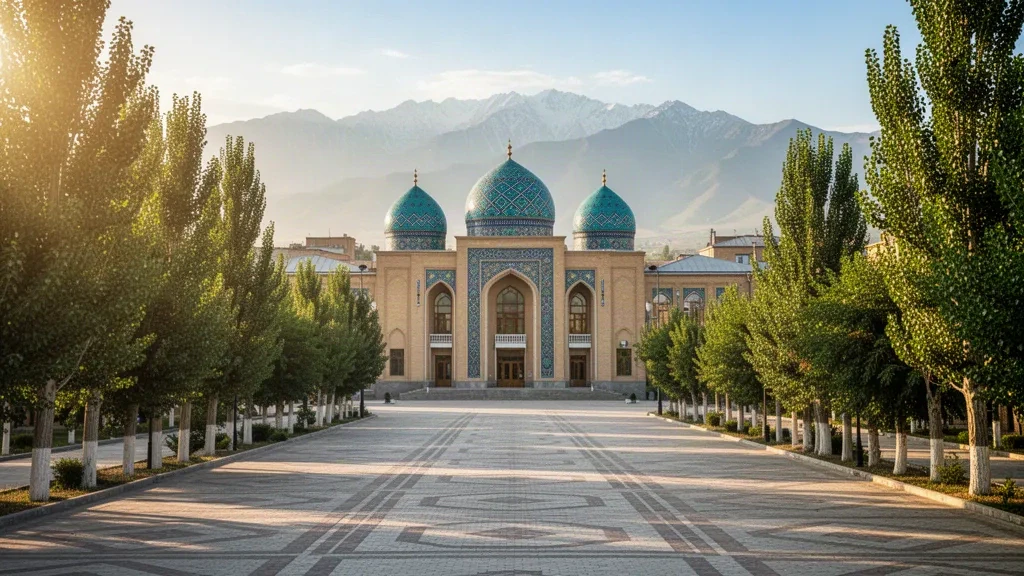
Fergana Travel Guide
Best Time to Visit
Spring (April to May) and early autumn (September to October) offer the most comfortable weather for exploring Fergana and the valley's craft towns. Summers are reliably hot with occasional dry winds, while winters are generally mild but can bring short cold snaps.
How to Get Around
Central Fergana is easy to explore on foot, and taxis are widely used for longer trips across the city. Shared minibuses and local buses link neighbourhoods and nearby towns, while private drivers are useful for visiting Margilan, Rishtan and Kokand.
Where to Stay
Hotels and guesthouses concentrate around the city centre near Central Park and the main bazaar, keeping most sights within easy reach. Staying centrally also makes day trips to Margilan, Rishtan and Kokand more convenient.
Food & Drink
Fergana is known for its valley-style pilaf made with reddish devzira rice and whole garlic, often served in local teahouses and restaurants. Bazaars and street stalls offer manti, lagman, kebabs, halva, baklava and abundant fresh seasonal fruit.
Ground Transportation Services in Fergana
Airport Transfers
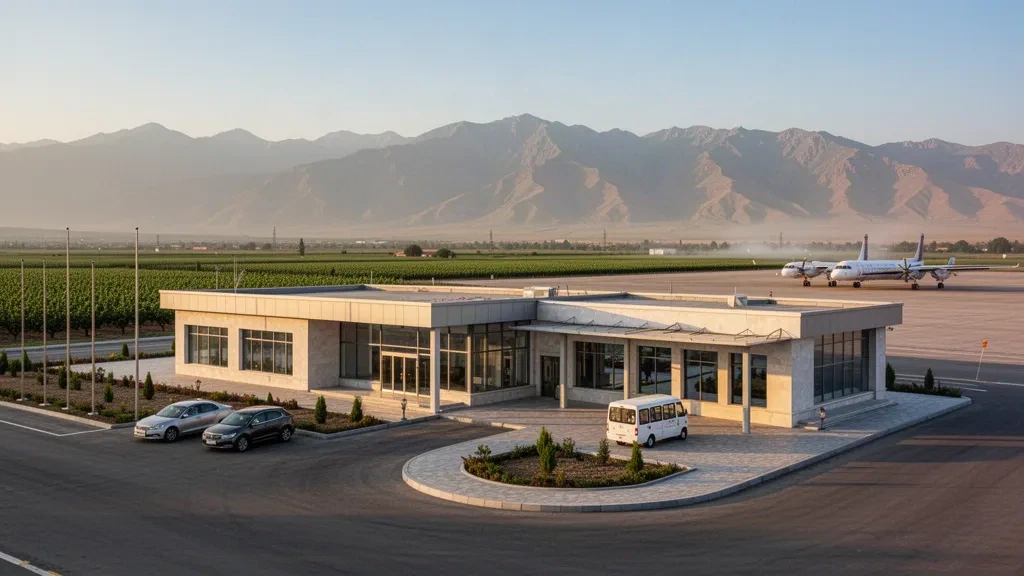
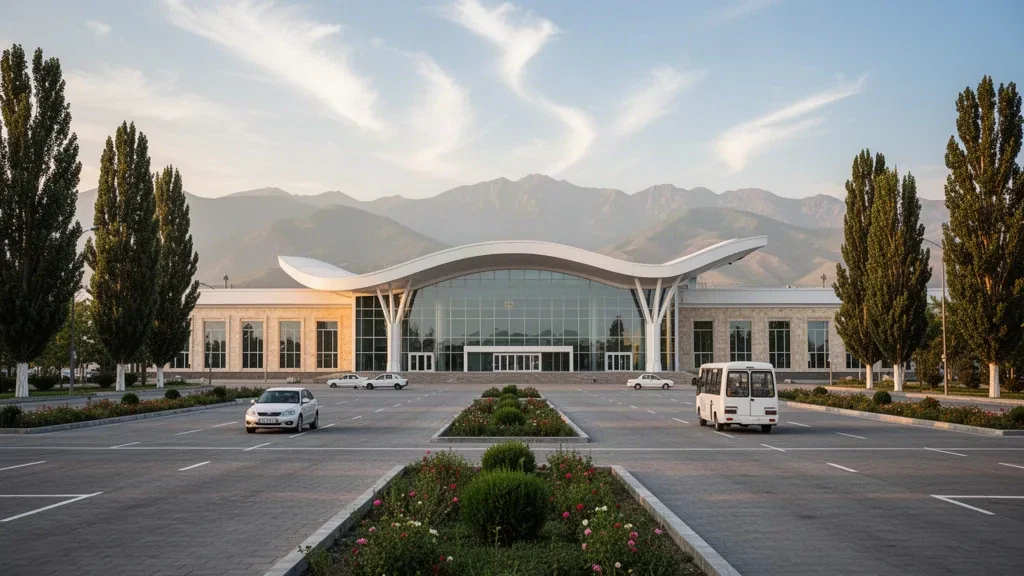
Travel between Fergana International Airport and hotels, the city centre, business areas and craft towns such as Margilan, Rishtan and Kokand.
Hourly Chauffeur
Book a private driver by the hour for business meetings, market visits, sightseeing and flexible travel around Fergana and the wider valley.
Car Rental
Rent a car in Fergana for independent travel around the city and convenient journeys to Margilan, Rishtan, Kokand and other valley destinations.
Bus & Group Transfers
Arrange minibuses or charter buses for groups, corporate travel, events, airport transfers and craft-town tours in the Fergana region.
Airports in Fergana
Frequently Asked Questions
Related Cities in Uzbekistan
View all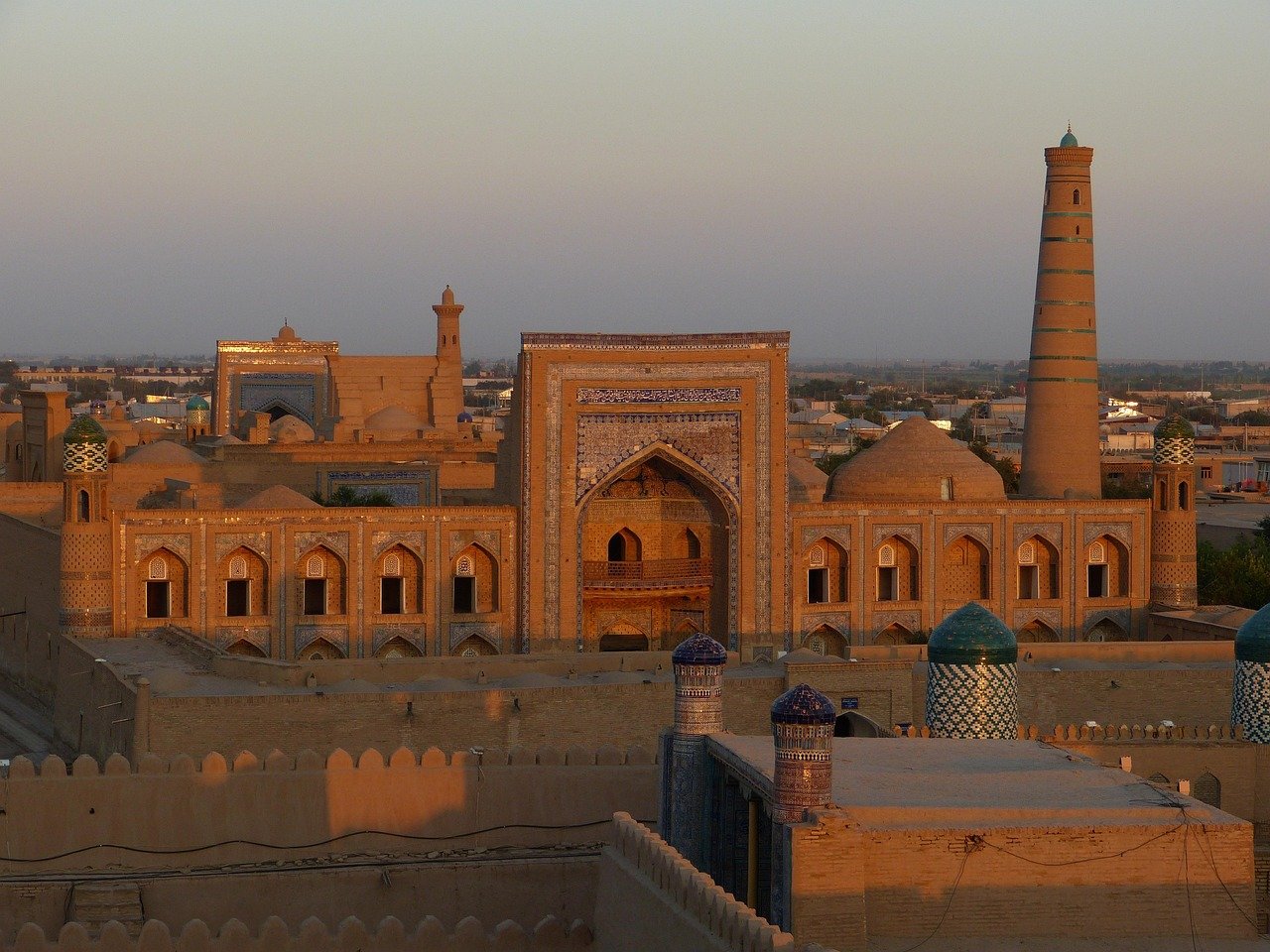
Khiva
Khiva, a UNESCO World Heritage site in Uzbekistan's Xorazm region, is famed for its well-preserved inner city, Ichan Kala, with mosques, madrasahs and minarets that evoke its Silk Road past.
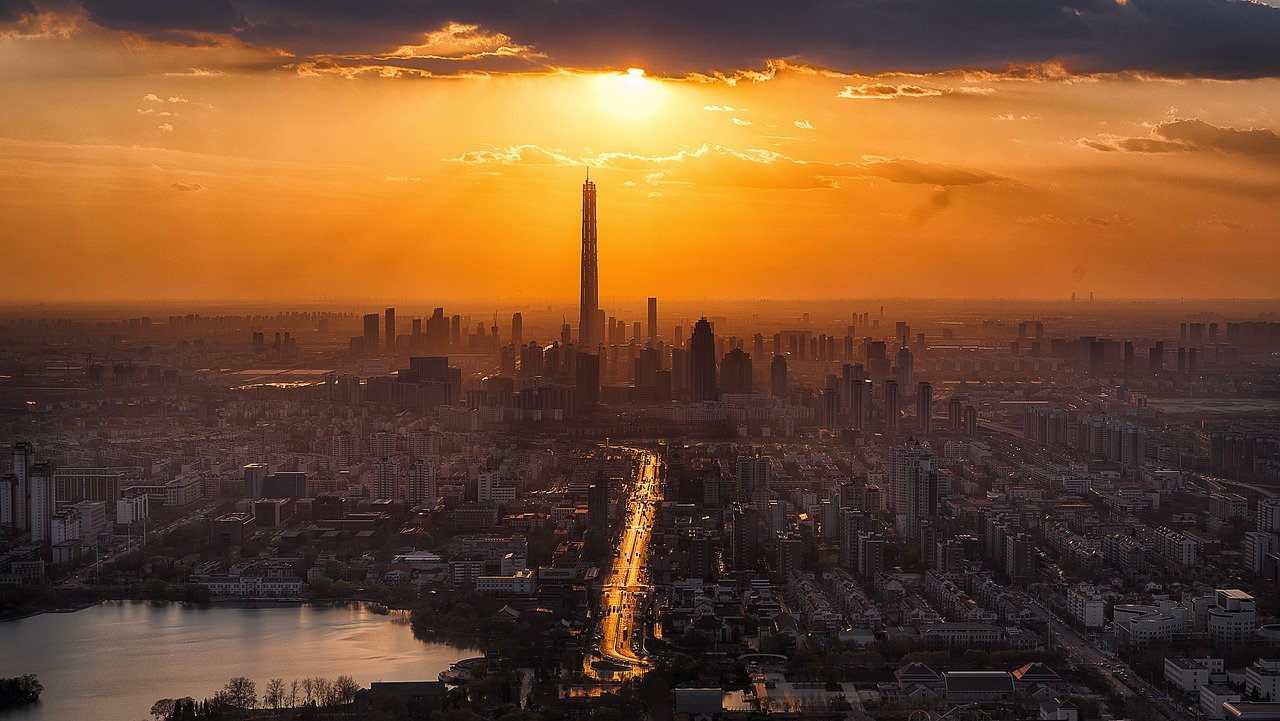
Tashkent
Tashkent, Uzbekistan's capital, pairs Silk Road heritage and Soviet-era architecture with ornate metro stations, busy bazaars and a growing contemporary scene.
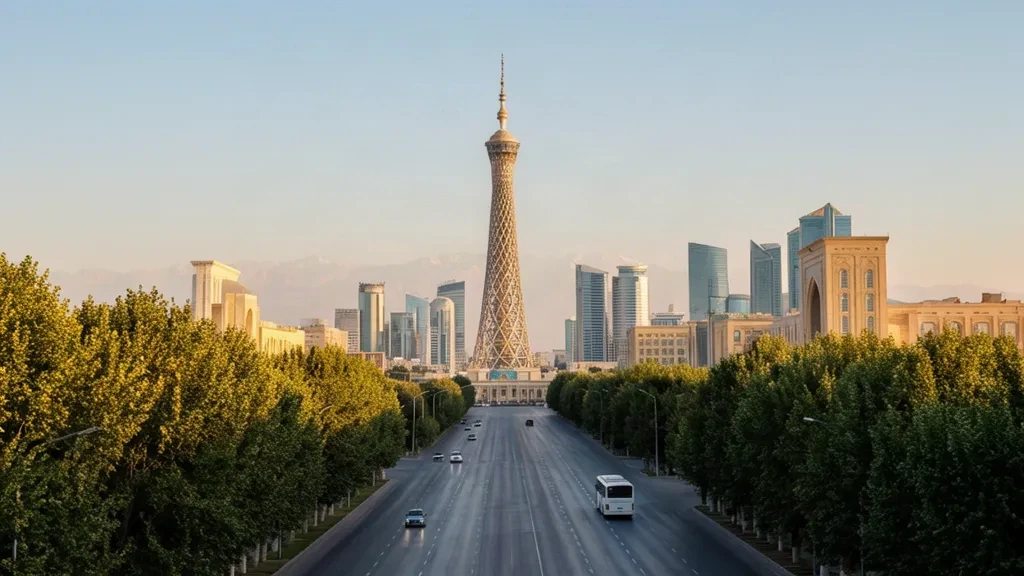
Tashkent
Tashkent, Uzbekistan's capital, pairs wide Soviet-era boulevards and intricately decorated metro stations with a modern skyline, busy bazaars and leafy parks.