Nukulaelae
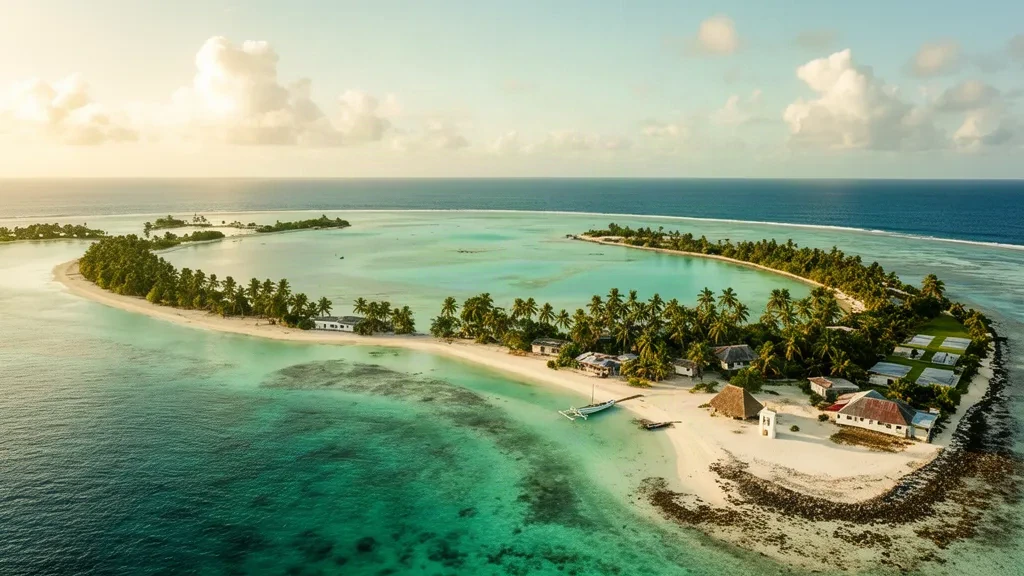
Nukulaelae, a secluded atoll in Tuvalu, offers a glimpse of traditional Polynesian life amid pristine lagoons and untouched beaches.
Passengers
Luggage
About Nukulaelae
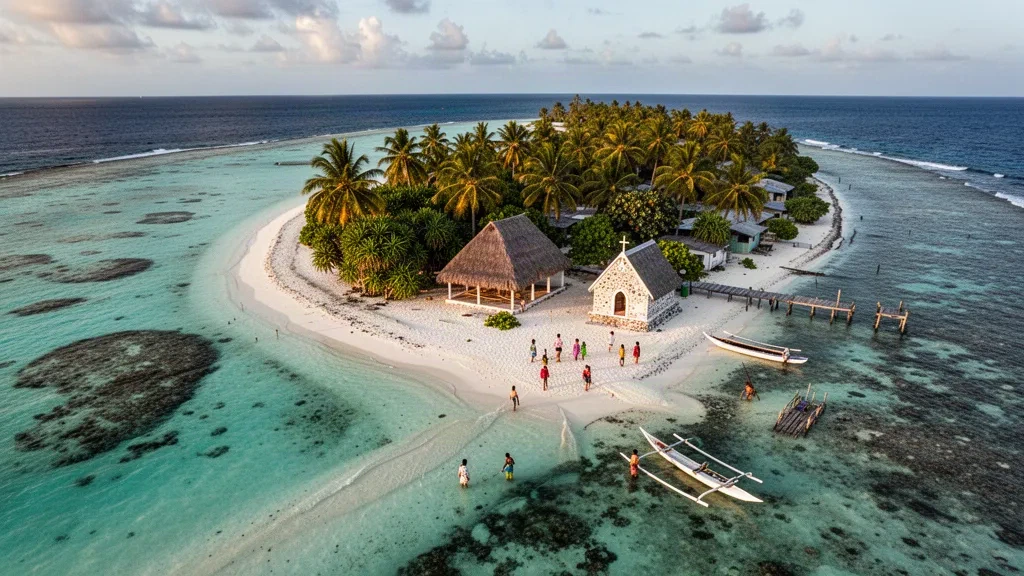
Nukulaelae is a small coral atoll in southeastern Tuvalu, about 120 km southeast of the capital Funafuti. Its narrow ring of islets surrounds a shallow turquoise lagoon, and most of the population of around 300 people lives in the village of Pepesala on the islet of Fangaua.
Daily life remains closely tied to the sea and the land. Fishing, coconut harvesting and the cultivation of pulaka, or swamp taro, in hand-dug pits support local households, while the maneapa community hall and the church anchor village life. The atoll's white-sand beaches, reef flats and quiet lagoon offer a glimpse of traditional outer-island Polynesian culture.
There are no roads, cars or hotels on Nukulaelae. Visitors move on foot along the inhabited islet or by small boat across the lagoon, and accommodation is typically a simple family-run guesthouse or homestay arranged through the island council. The pace is deliberately slow, and Sundays are observed as a day of rest and church.
For travellers, Nukulaelae is an opportunity to experience Tuvalu away from the capital: snorkelling the lagoon, joining local fishing trips, visiting pulaka gardens and walking between uninhabited islets. Access depends on infrequent inter-island vessels, so journeys require patience and planning.
The atoll has little commercial or conference infrastructure, but its value for business and leisure visitors alike lies in its unspoiled environment and strong community traditions. It suits travellers seeking a genuinely remote, culturally grounded Pacific stay rather than standard resort amenities.
Nukulaelae Travel Guide
Best Time to Visit
The drier months from May to October are the most comfortable for travel to Nukulaelae, with calmer seas making boat crossings and lagoon trips easier. The wetter season from November to April brings higher rainfall and a greater chance of cyclones.
How to Get Around
Nukulaelae has no roads or cars, so visitors walk along Fangaua's sandy paths and use small boats for crossings within the lagoon. Any inter-island travel to other atolls depends on the limited government passenger and cargo vessel schedule.
Where to Stay
Accommodation is basic, usually a family-run guesthouse or homestay in Pepesala on Fangaua. Stays are best arranged in advance through the Nukulaelae island council or a contact in Funafuti, and visitors should expect simple facilities.
Food & Drink
Meals centre on fresh fish, coconut, breadfruit and pulaka, or swamp taro, often shared in family or community settings. Supplies beyond locally grown and caught food are limited, so visitors should bring essentials from Funafuti.
Ground Transportation Services in Nukulaelae
Airport Transfers
There is no airstrip on Nukulaelae, so airport travel means arriving at Funafuti International Airport and continuing by inter-island boat. Guesthouses and the island council can help coordinate the connection between flights and the sea journey.
Hourly Chauffeur
With no road network, private hire is best arranged as a boat and local guide by the hour for lagoon crossings, fishing trips and visits between the islets of Nukulaelae.
Car Rental
Cars are not used on Nukulaelae and there are no roads to drive. Travellers who need a vehicle should rent one in Funafuti, while getting around the atoll is done on foot or by boat.
Bus & Group Transfers
Groups travel around Nukulaelae by chartered boat rather than bus. Local operators can arrange lagoon crossings, fishing outings and transport between Fangaua and other islets for visiting groups.
Frequently Asked Questions
Related Cities in Tuvalu
View all
Vaitupu
Vaitupu is a coral atoll in Tuvalu whose close-knit community, traditional Polynesian customs and lagoon-side villages shape a quiet island way of life. Home to Motufoua Secondary School and reached mainly by boat, it offers visitors a rare glimpse of outer-island Tuvalu.
Nukufetau
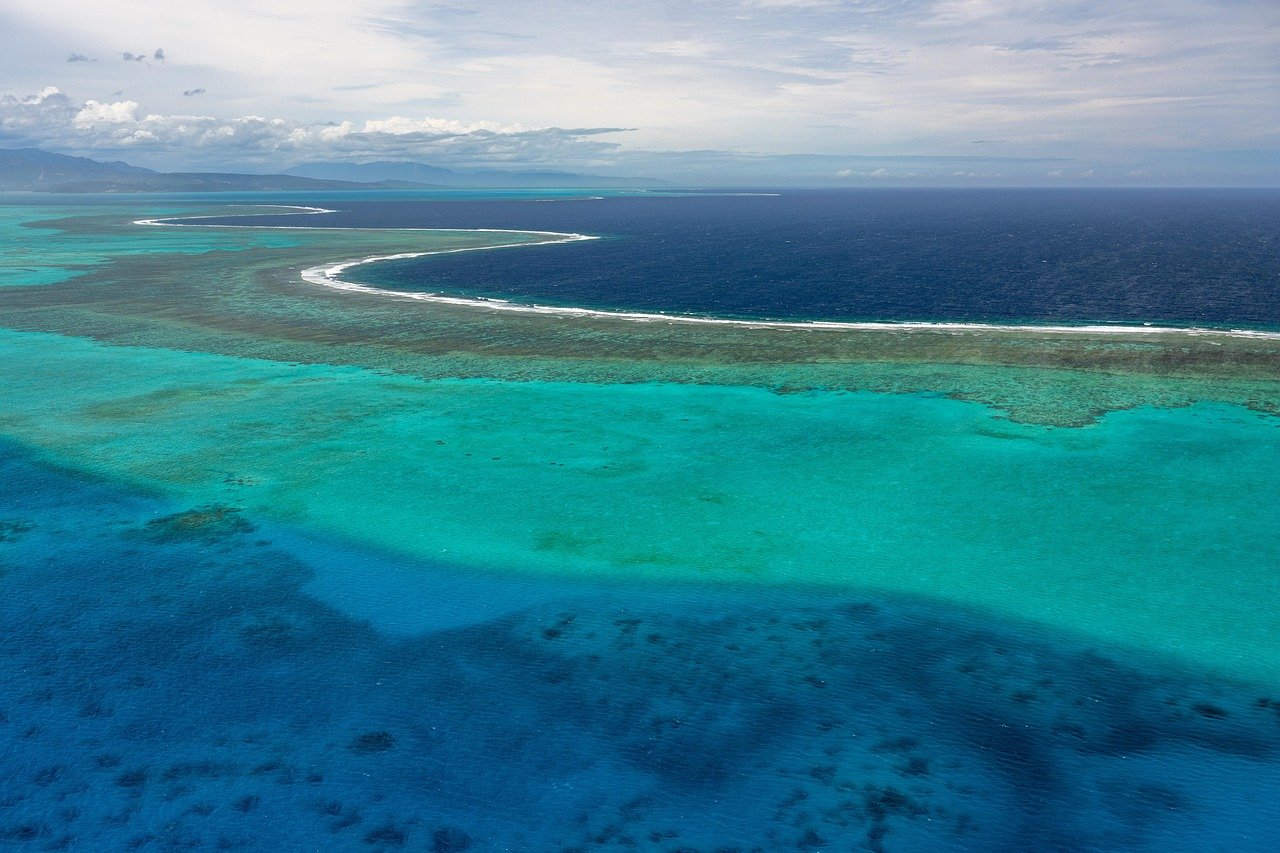
Nukufetau is a coral atoll in Tuvalu, defined by its wide lagoon, scattered islets and traditional island communities. Its remote Pacific setting and unhurried way of life give the atoll a quiet, distinctive character.
Nui
Nui, a small island in Tuvalu, is known for its close-knit community, traditional Polynesian culture and tranquil lagoon.