Nui
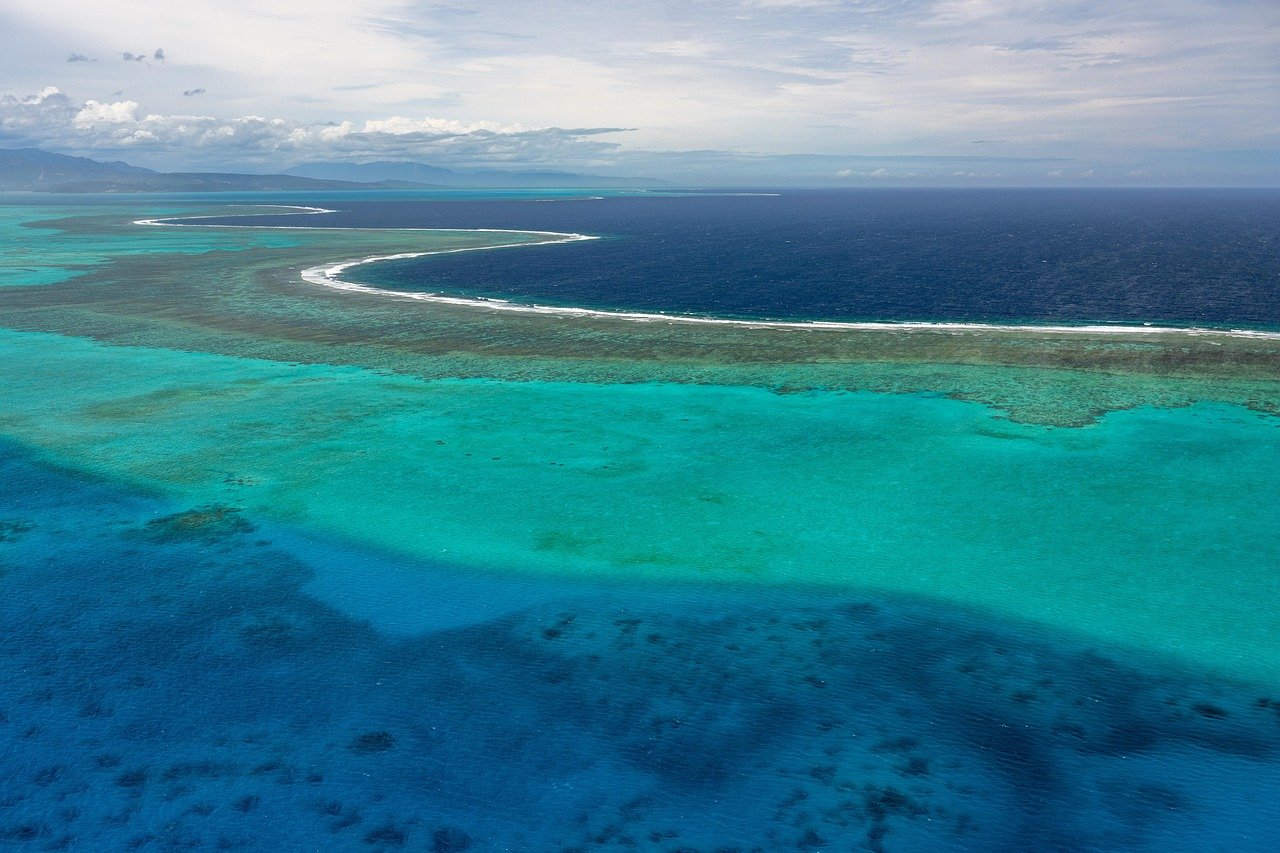
Nui, a small island in Tuvalu, is known for its close-knit community, traditional Polynesian culture and tranquil lagoon.
Passengers
Luggage
About Nui
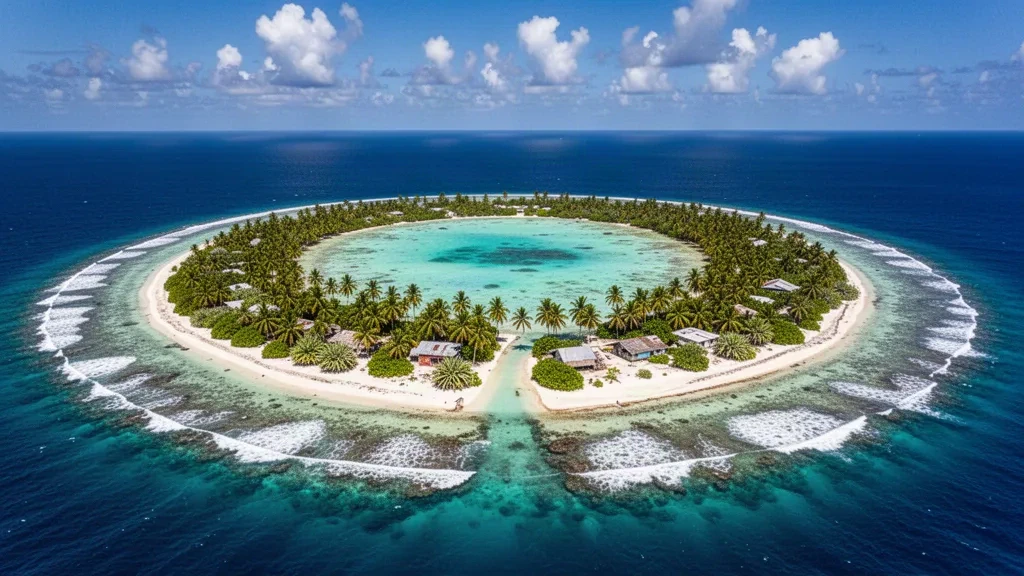
Nui is one of the nine island districts of Tuvalu, a remote coral atoll in the central Pacific. Most residents live on Fenua Tapu, the largest and southernmost islet, with the main settlement of Tanrake on the western side. The atoll's lagoon, reef flats and palm-lined islets define a quiet, close-knit island way of life far removed from urban tourism.
The atoll has a distinct cultural heritage shaped by ancestors from both Samoa and the Gilbert Islands, now Kiribati. Alongside Tuvaluan, many Nuians speak Gilbertese, and local traditions such as the paopao outrigger canoe and the annual Bogin te Ieka commemoration on 16 February recall both everyday seafaring and the devastating 1882 tsunami.
Community life centres on the falekaupule meeting hall, churches and village activities, with handicraft production, subsistence fishing and copra among the main local livelihoods. Nui is also remembered for the damage caused by Cyclone Pam in 2015, when storm surges displaced many families and destroyed much of the island's crops.
There is no airport on Nui; visitors reach the atoll by boat from Funafuti, usually after arriving at Funafuti International Airport. The journey depends on inter-island shipping schedules, making Nui a destination for travellers seeking genuine Pacific island culture rather than conventional tourism infrastructure.
For both leisure and business travellers, Nui offers insight into Tuvalu's outer-island life, community governance and climate vulnerability. It is relevant for researchers, development workers and adventurous visitors interested in Pacific heritage, while the capital Funafuti remains the practical hub for transport, supplies and government business.
Nui Travel Guide
Best Time to Visit
May to October is generally the drier season in Tuvalu, with calmer conditions for inter-island boat travel to Nui. November to April is the cyclone season, when storms and rough seas can delay or disrupt journeys.
How to Get Around
Nui has no airport, so visitors arrive by inter-island boat from Funafuti. On the atoll, most movement is on foot or by bicycle and motorbike, with outrigger canoes used around the lagoon.
Where to Stay
Accommodation on Nui is limited to small guesthouses and family homestays, mainly in and around Tanrake on Fenua Tapu. Visitors should arrange stays in advance through local contacts or the island council.
Food & Drink
Meals on Nui centre on fresh fish, coconut, pulaka, breadfruit and locally grown produce. Community feasts and church events are important social occasions, while store supplies are limited and many goods come from Funafuti.
Ground Transportation Services in Nui
Airport Transfers
Fly into Funafuti International Airport and continue by private transfer to the Funafuti wharf, where inter-island boats depart for Nui; there is no airport on Nui itself.
Hourly Chauffeur
A private driver can be booked by the hour in Funafuti for airport, wharf, hotel and business travel. On Nui, local guides and drivers are limited and best arranged through accommodation or community contacts.
Car Rental
Rental vehicles are generally available in Funafuti rather than on Nui, where road infrastructure is minimal. Visitors to Nui mostly walk, cycle or use local motorbikes for short trips.
Bus & Group Transfers
Groups travelling to Nui usually coordinate charter or scheduled inter-island boat transfers from Funafuti and arrange local transport for community visits and events on the atoll.
Frequently Asked Questions
Related Cities in Tuvalu
View all
Vaitupu
Vaitupu is a coral atoll in Tuvalu whose close-knit community, traditional Polynesian customs and lagoon-side villages shape a quiet island way of life. Home to Motufoua Secondary School and reached mainly by boat, it offers visitors a rare glimpse of outer-island Tuvalu.

Nukulaelae
Nukulaelae, a secluded atoll in Tuvalu, offers a glimpse of traditional Polynesian life amid pristine lagoons and untouched beaches.
Nukufetau
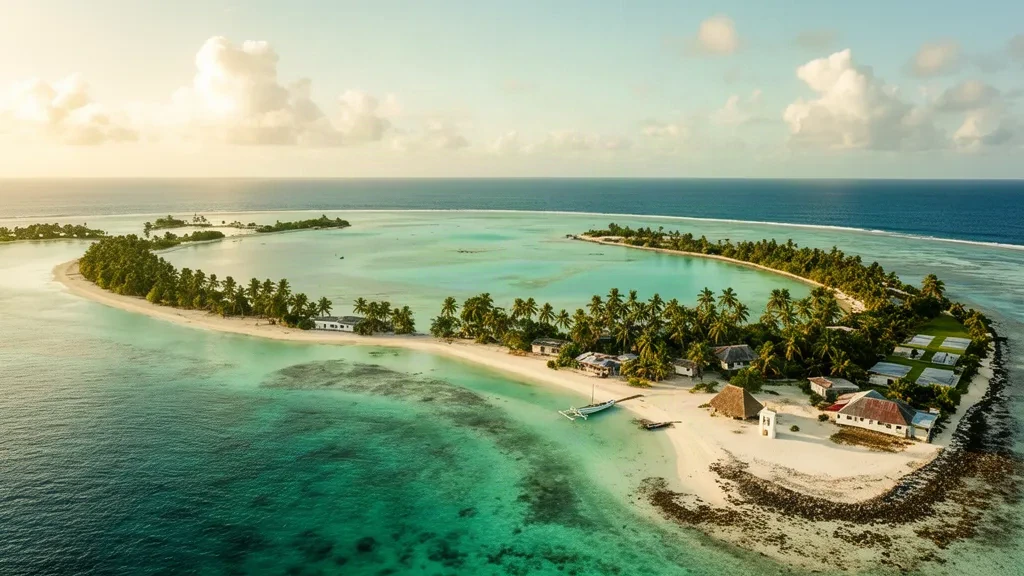
Nukufetau is a coral atoll in Tuvalu, defined by its wide lagoon, scattered islets and traditional island communities. Its remote Pacific setting and unhurried way of life give the atoll a quiet, distinctive character.