Lebap
Lebap, in eastern Turkmenistan, blends desert landscapes and Amu Darya history with the lively bazaars of Türkmenabat, reflecting a distinct Silk Road heritage and everyday Turkmen culture.
Passengers
Luggage
About Lebap
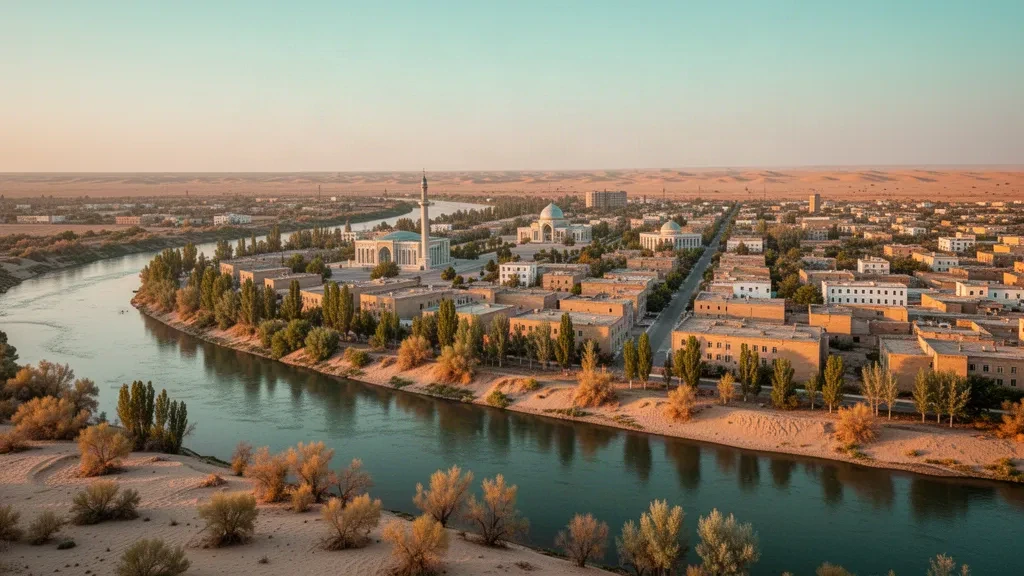
Türkmenabat is Turkmenistan's second-largest city and the administrative centre of Lebap Region, sitting on the left bank of the Amu Darya near the border with Uzbekistan. Known in earlier periods as Chardzhou and, in ancient times, as Amul, the city grew from a Silk Road river crossing into a major railway and trading hub of eastern Turkmenistan.
Its history reaches back around two thousand years to the fortified settlement of Amul, which stood at a crossroads linking Bukhara, Khiva and Merv. Russian settlers founded the modern quarter in 1886 during construction of the Trans-Caspian railway, and the city later became an industrial and transport centre. Today, the ruins of Amul Fortress and the Lebap Regional History Museum preserve that layered past, including antique Turkmen carpets and regional artefacts.
Central Türkmenabat is compact and practical, with lively bazaars such as the Green Bazaar, the modern Wedding Palace known as Bagt Köşgi, the White Yurt and riverside areas along the Amu Darya. These everyday landmarks sit alongside Soviet-era avenues and newer buildings, giving the city a distinctive mix of old Silk Road memory and contemporary Turkmen life.
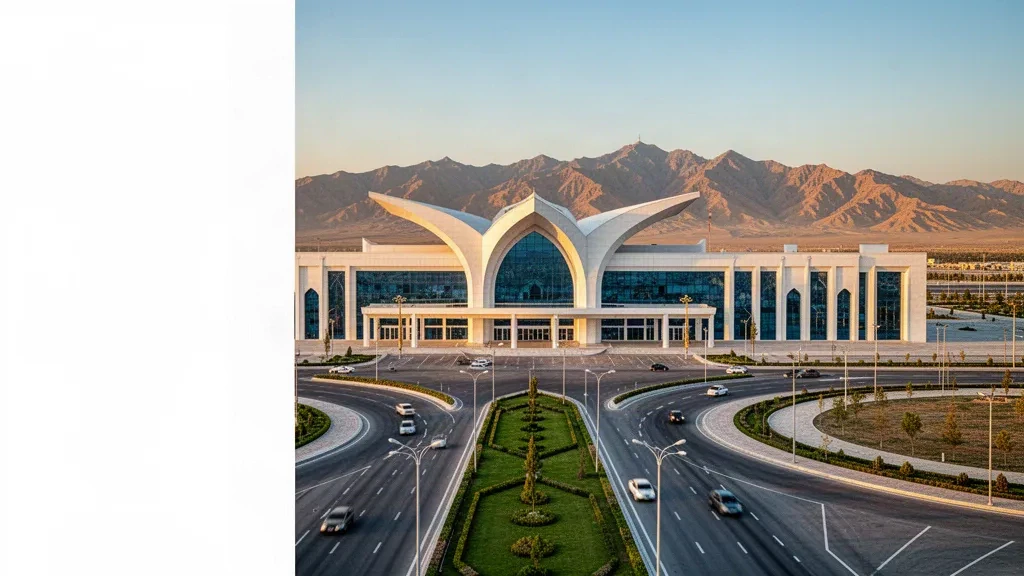
The city remains an important junction on the M37 highway between Ashgabat and Türkmenbaşy and a rail link toward Uzbekistan, with food processing and textiles among its traditional industries. Its position near the Farap border makes it a natural entry point for travellers moving between Turkmenistan and Bukhara, while Türkmenabat International Airport connects the city to Ashgabat and other domestic destinations.
For leisure visitors, Türkmenabat offers a quieter, authentic alternative to the capital, with easy access to Silk Road sites and the desert landscapes of Repetek Nature Reserve. For business travellers, it serves as the administrative and commercial centre of Lebap Region and a practical base for travel across eastern Turkmenistan.
Lebap Travel Guide
Best Time to Visit
Spring (April to May) and autumn (September to October) bring the most comfortable weather for exploring Türkmenabat, with mild days and cooler nights. Summers are very hot, while winters are cool and quiet.
How to Get Around
Türkmenabat is served by shared taxis and minibuses on the main routes, and private taxis are widely used for direct journeys around the city. The central area near the river and bazaars is walkable, and rental cars are available for trips outside the centre.
Where to Stay
Most visitors stay in the central part of Türkmenabat, close to the bazaars, river and main roads, where hotels and guesthouses are most convenient. Options are more limited than in Ashgabat, so booking ahead is sensible, especially for business or transit travel.
Food & Drink
Local food in Türkmenabat centres on Turkmen dishes such as plov, shashlik and manty, along with fresh produce and melons from the Amu Darya region. The Green Bazaar and neighbourhood cafés are good places to sample regional flavours and traditional tea.
Ground Transportation Services in Lebap
Airport Transfers
Travel between Türkmenabat International Airport and hotels, the city centre, the Farap border and other destinations across Lebap Region.
Hourly Chauffeur
Book a private chauffeur by the hour for business meetings, sightseeing at Amul Fortress, bazaar visits and flexible travel around Türkmenabat.
Car Rental
Rent a car in Türkmenabat for independent travel around the city and convenient journeys to sites such as Repetek Nature Reserve.
Bus & Group Transfers
Arrange minibuses or charter buses for groups, corporate travel, events, border transfers and tours in and around Türkmenabat.

Frequently Asked Questions
Related Cities in Turkmenistan
View all
Mary
Mary, an ancient city in Turkmenistan, serves as a gateway to the UNESCO-listed ruins of Merv. Its rich Silk Road heritage, museums and archaeological sites reflect a storied past in Central Asia.

Balkan
Balkan, a city in western Turkmenistan, is the administrative center of Balkan District, where traditional Turkmen culture meets the expansive landscapes of the Karakum Desert.

Daşoguz
Daşoguz, a regional capital in northern Turkmenistan, combines broad Soviet-era avenues with bustling bazaars and acts as a gateway to the ancient sites of Konye-Urgench.