Chiang Rai
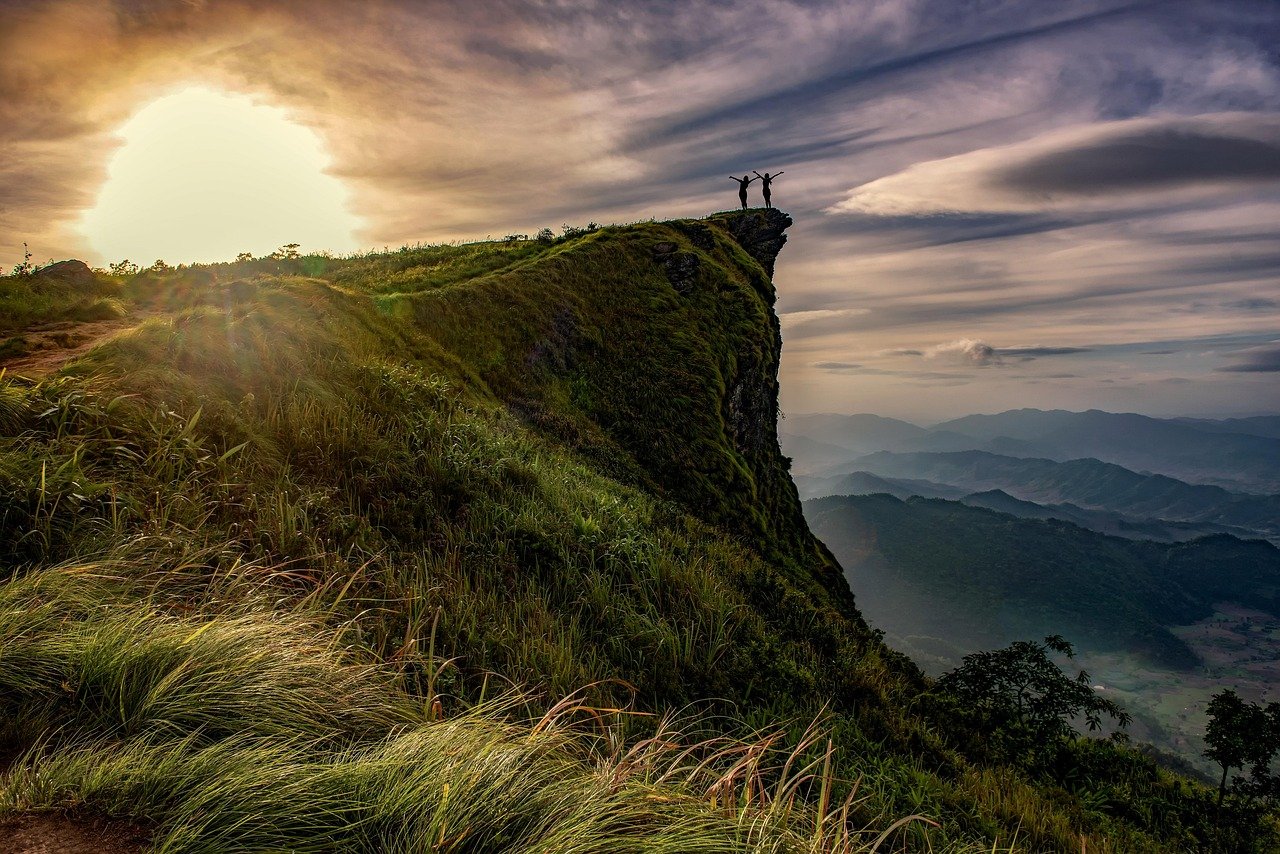
Chiang Rai, Thailand's northernmost provincial capital, blends Lanna heritage, hill tribe traditions and dramatic mountain scenery with landmarks such as the White Temple and the Golden Triangle. Its relaxed pace, night markets and riverside setting give the city a distinct cultural character in northern Thailand.
Passengers
Luggage
About Chiang Rai
Chiang Rai is a compact city in northern Thailand and the capital of Chiang Rai Province, close to the borders with Myanmar and Laos. Founded in 1262 by King Mangrai, it served as an early capital of the Lanna Kingdom and remains a gateway to the Golden Triangle, where the Ruak and Mekong rivers meet.
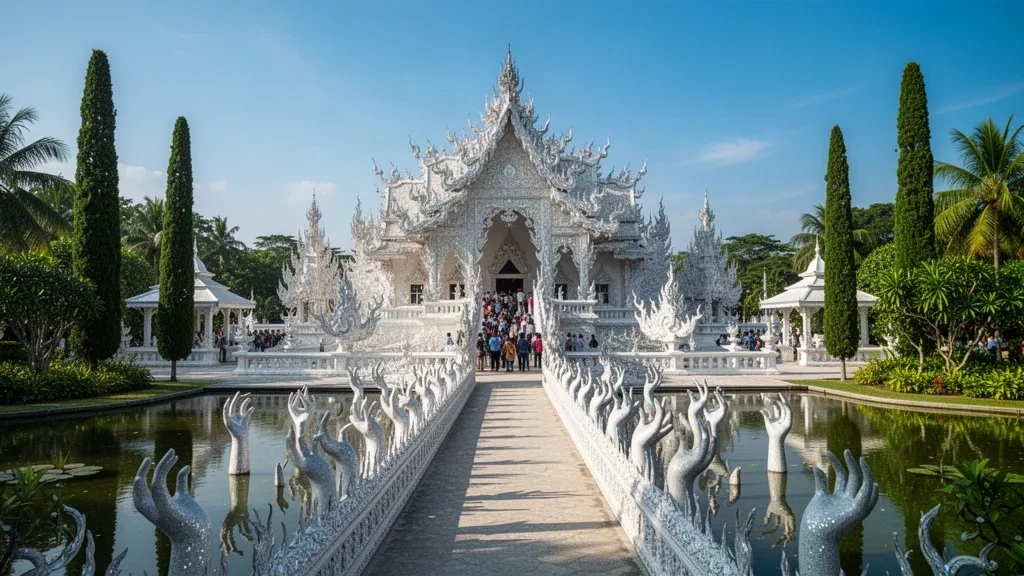
Although quieter than nearby Chiang Mai, Chiang Rai has a distinctive artistic identity. The White Temple (Wat Rong Khun), designed by artist Chalermchai Kositpipat, and the Blue Temple (Wat Rong Suea Ten) draw many visitors, while the Black House (Baan Dam Museum) offers a darker, museum-like counterpoint. Wat Phra Kaew is historically significant as the original home of the Emerald Buddha.
The city centre is walkable around the golden Clock Tower, the Night Bazaar and the Saturday Walking Street market. The Kok River runs along the north side of town, while attractions such as Singha Park, Doi Tung and the hill-tribe villages of Mae Fah Luang district lie within easy day-trip reach.
Chiang Rai's food scene centres on northern Thai and Lanna dishes, including khao soi, nam ngiao, sai ua sausage and local coffee from surrounding highlands. The Night Bazaar and weekend walking street mix street food, crafts and live performances.
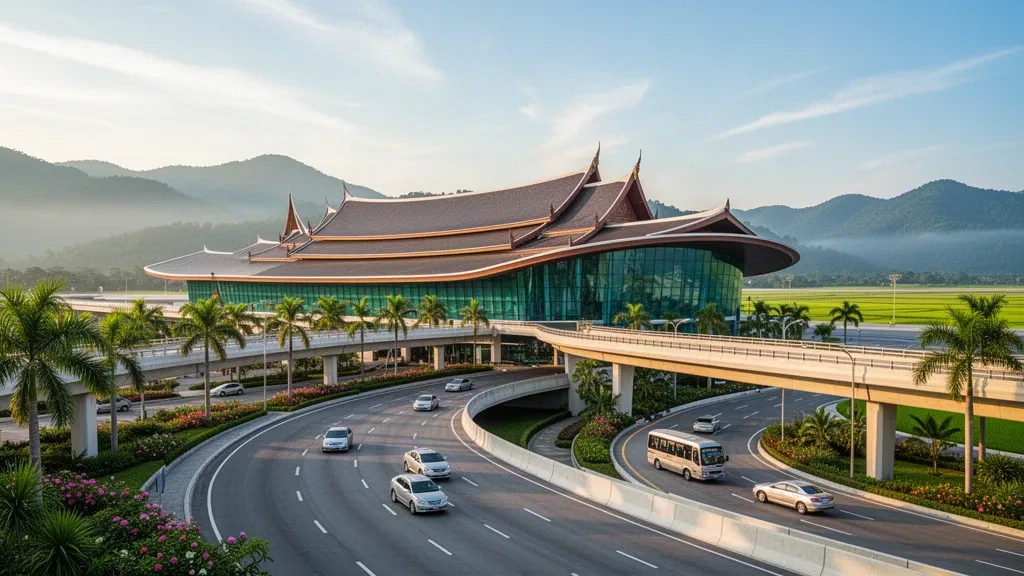
For travellers, Chiang Rai works well as both a relaxed cultural base and a practical stop between Thailand, Laos and Myanmar. It has a small but convenient international airport, a manageable centre, and a range of guesthouses, boutique hotels and local transport services that suit independent explorers and business visitors alike.
Chiang Rai Travel Guide
Best Time to Visit
The cool, dry season from November to February is the most comfortable period, with clear days for temples, river trips and hill visits. March to May can be hot, while the rainy season from June to October brings greener landscapes and fewer crowds but occasional downpours.
How to Get Around
Chiang Rai's compact centre is easy to explore on foot, while songthaews, tuk-tuks and taxis connect hotels, the bus station and outlying sights. Renting a scooter or car is practical for visiting the White Temple, Blue Temple, Black House and destinations further afield.
Where to Stay
Most visitors stay near the Clock Tower, Night Bazaar and central market, where cafés, restaurants and transport links are close by. Quieter riverside guesthouses along the Kok River offer a more relaxed setting, while resorts on the city edge provide easier access to nearby countryside attractions.
Food & Drink
Chiang Rai is known for northern Thai dishes such as khao soi, nam ngiao, sai ua sausage and gaeng hang lay, often served with sticky rice. The Night Bazaar, Saturday Walking Street and local cafés offer street food, hill-tribe coffee and regional specialities throughout the city.
Ground Transportation Services in Chiang Rai
Airport Transfers
Travel between Mae Fah Luang-Chiang Rai International Airport and hotels, guesthouses, business venues and other destinations across Chiang Rai city and the surrounding province.
Hourly Chauffeur
Book a private chauffeur by the hour for temple visits, business meetings, events and flexible sightseeing around Chiang Rai and nearby attractions such as the White Temple and Golden Triangle.
Car Rental
Rent a car in Chiang Rai for independent travel around the city and convenient day trips to the Blue Temple, Black House, Doi Tung, Singha Park and the Golden Triangle.
Bus & Group Transfers
Arrange minibuses or charter buses for groups, corporate travel, events, airport transfers and guided tours in Chiang Rai and the wider northern Thailand region.
Frequently Asked Questions
Related Cities in Thailand
View all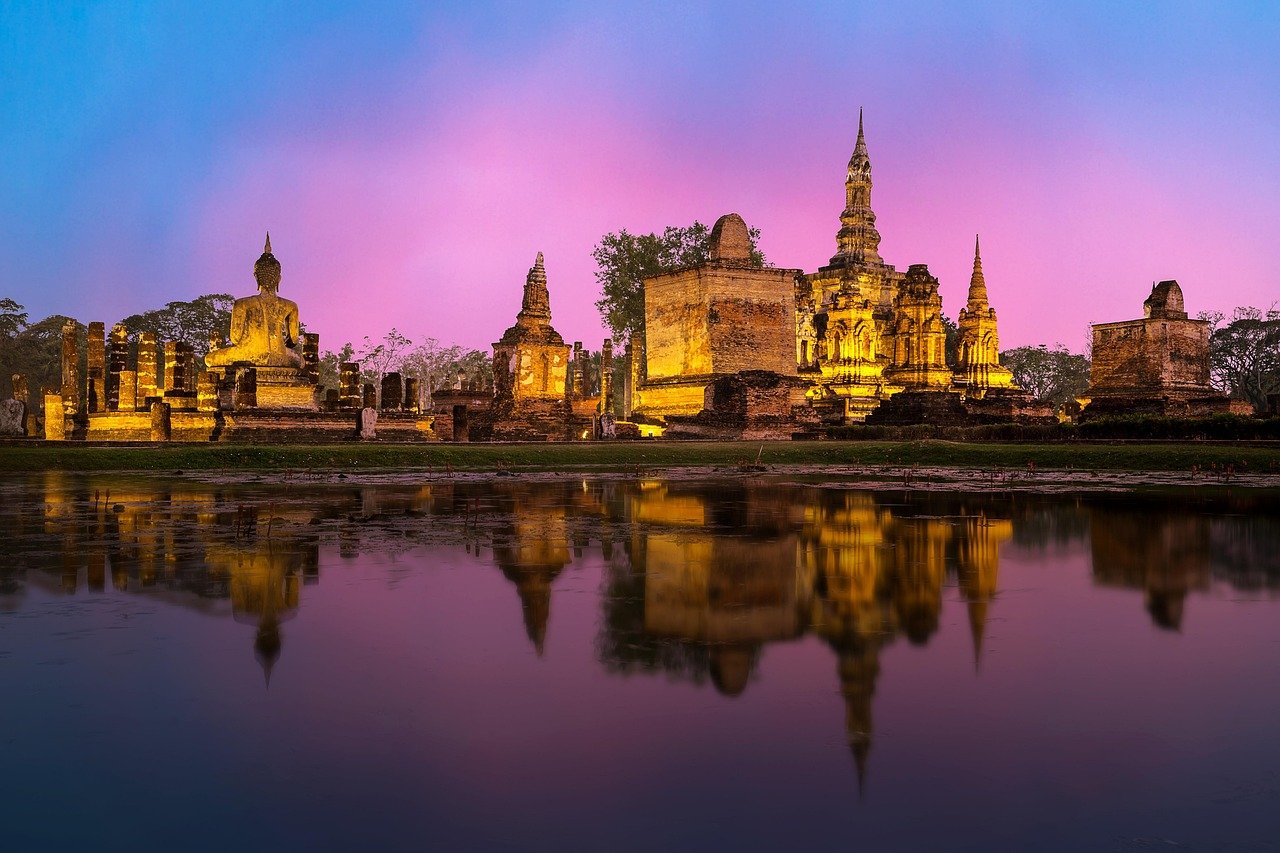
Yasothon
Yasothon, a quiet provincial capital in northeastern Thailand, blends Isan folk traditions, the lively Bun Bang Fai rocket festival and landmark temples with relaxed rice-field surroundings.
Yala
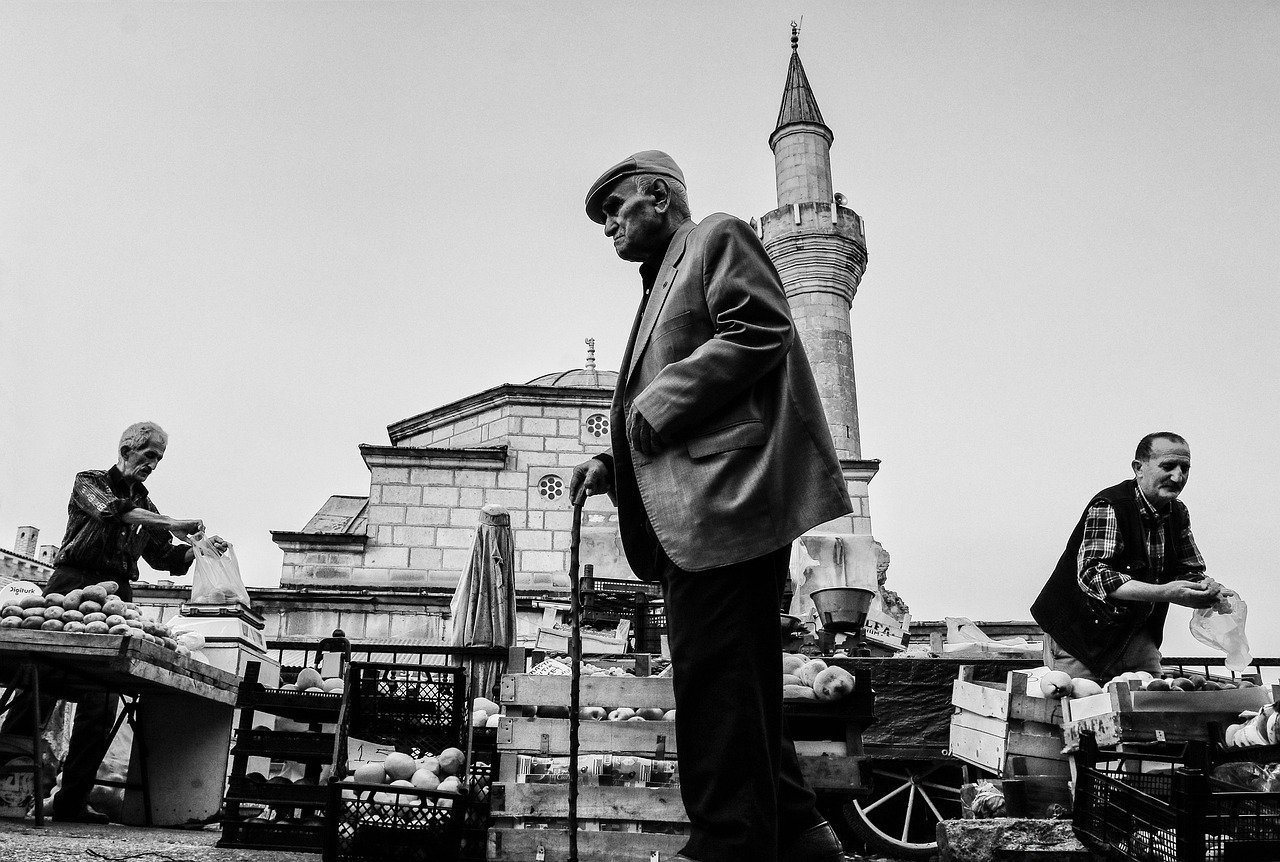
Yala, a southern Thai city near the Malaysian border, blends Malay-Muslim and Thai Buddhist traditions with lush landscapes and a relaxed local rhythm. Its markets, temples and surrounding mountains give the city a distinctive character in Thailand's deep south.
Uthai Thani
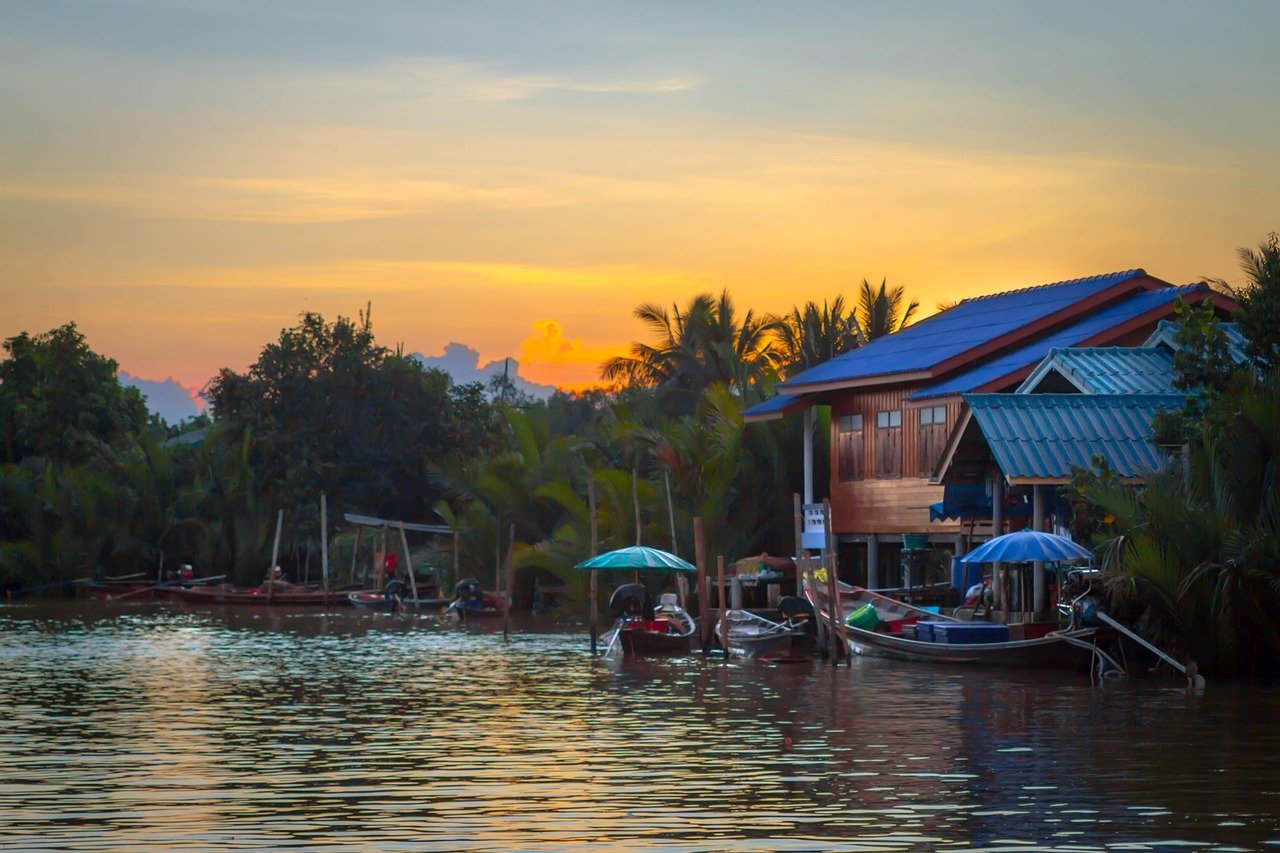
Uthai Thani, a peaceful riverside town in central Thailand, is known for its rich history, the intricately decorated Wat Tha Sung, and a laid-back local lifestyle that reflects traditional Thai culture.