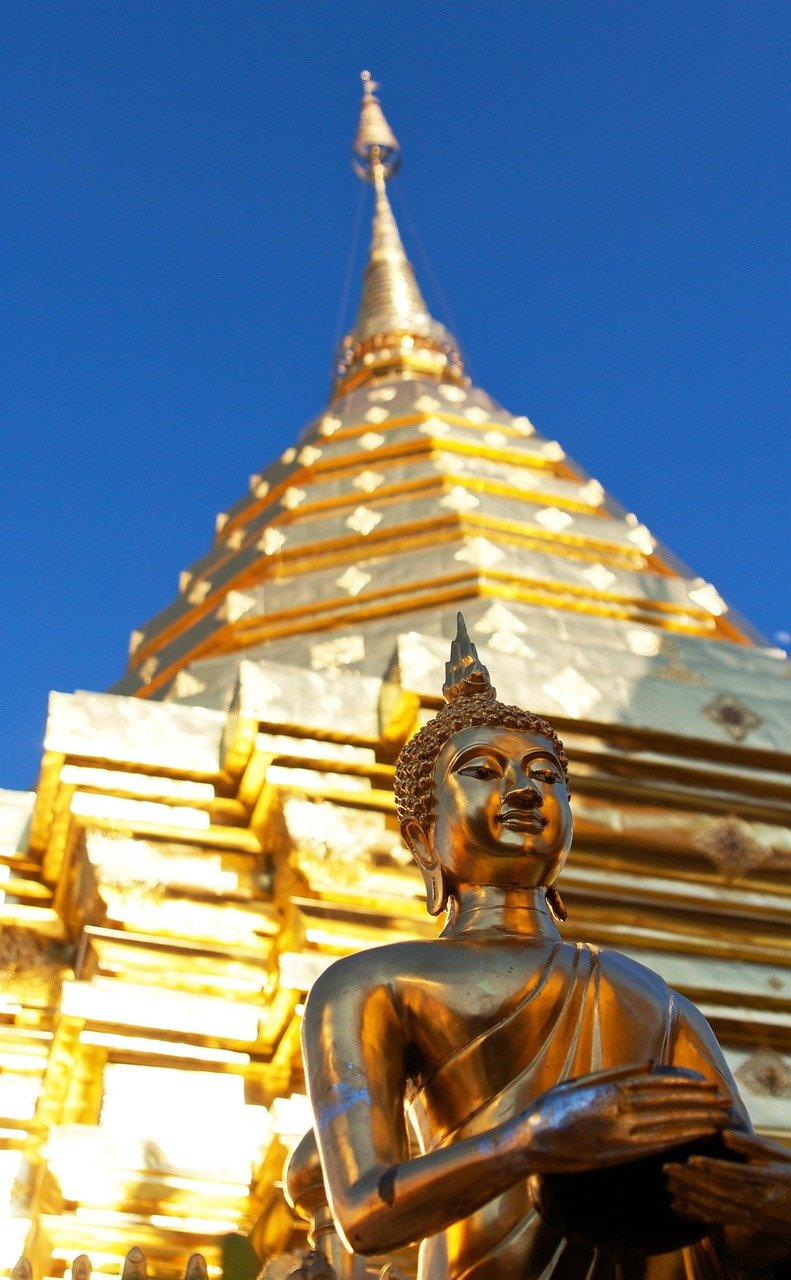
Chiang Mai
Chiang Mai, the cultural heart of northern Thailand, pairs ancient temples and a walled old city with lively markets, mountain scenery and a relaxed creative spirit.
Passengers
Luggage
About Chiang Mai
Chiang Mai is the cultural heart of northern Thailand and the largest city in the region, set in a mountain valley roughly 700 km north of Bangkok. Once the capital of the Lanna Kingdom, it is known for its relaxed pace, centuries-old Buddhist temples, surrounding hills and a strong tradition of northern Thai crafts and cuisine.
History remains visible in the Old City, where a square moat and partly preserved walls enclose lanes of teak houses, monasteries and landmarks such as Wat Phra Singh and Wat Chedi Luang. On the mountain west of town, Wat Phra That Doi Suthep offers sweeping views and remains the city's most important pilgrimage site.
Districts give Chiang Mai distinct rhythms: the Old City concentrates temples, guesthouses and the Sunday Walking Street; Nimmanhaemin is a modern café and boutique area popular with students and digital nomads; and the Night Bazaar, Warorot Market and riverside neighbourhoods add commerce, street food and quieter stays.
Chiang Mai blends tradition with a growing international role. It hosts universities, coworking spaces, medical facilities, conferences and festivals such as Yi Peng, Loy Krathong and Songkran, while its restaurants range from northern Thai specialities such as khao soi and sai ua to global food.
For leisure travellers it offers temples, markets, cooking schools and easy access to mountains and hill villages, while business visitors and remote workers find meeting venues, reliable services and a comfortable base outside Bangkok.
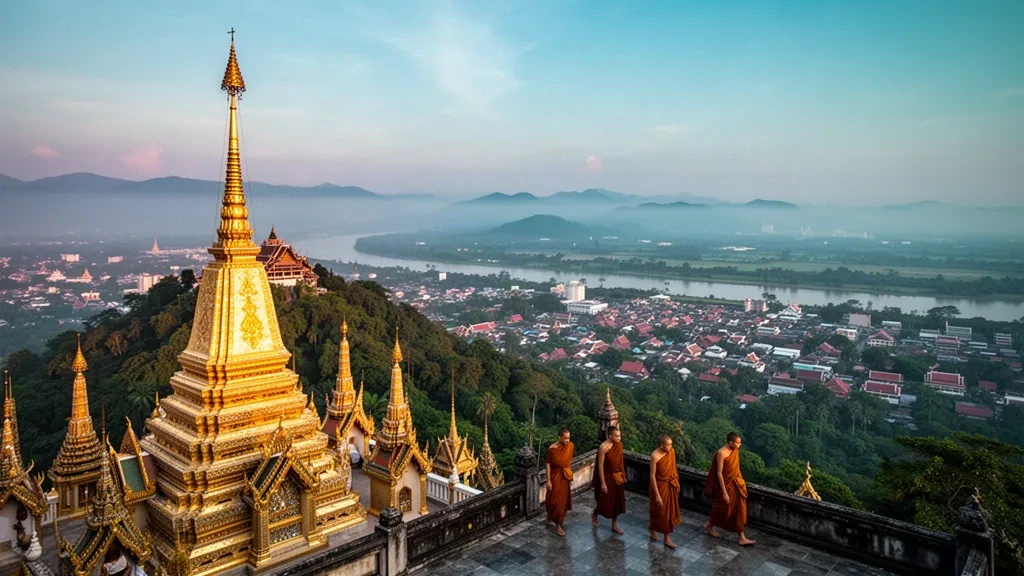
Chiang Mai Travel Guide
Best Time to Visit
November to February is the most comfortable period, with cooler, dry weather and major festivals such as Yi Peng and Loy Krathong. March to May is hot and often hazy from seasonal burning, while June to October brings monsoon rains and greener landscapes.
How to Get Around
Red songthaew pickup trucks, tuk-tuks, taxis and ride-hailing services cover most trips, and the compact Old City is easy to explore on foot or by bicycle. Renting a car or scooter is useful for Doi Suthep, Doi Inthanon and day trips outside the city.
Where to Stay
The Old City suits first-time visitors who want temples, markets and cafés within walking distance. Nimmanhaemin offers trendy hotels and digital-nomad-friendly stays, while the Riverside and Night Bazaar areas provide a livelier or more convenient base.
Food & Drink
Try northern Thai staples such as khao soi, sai ua and nam prik ong at local restaurants, and browse Warorot Market, the Night Bazaar and the Sunday Walking Street for street food and snacks. Chiang Mai also has a strong café culture and a growing range of international dining.
Ground Transportation Services in Chiang Mai
Airport Transfers
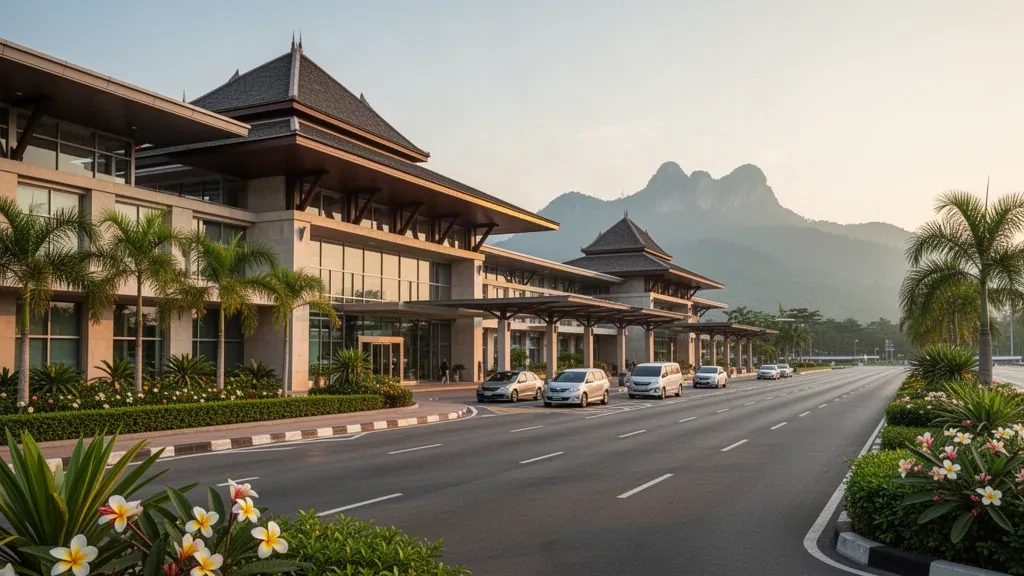
Travel between Chiang Mai International Airport and hotels in the Old City, Nimmanhaemin, the Riverside and surrounding resorts or venues.
Hourly Chauffeur
Book a private chauffeur by the hour for temple visits, business meetings, events, night market trips and flexible sightseeing around Chiang Mai.
Car Rental
Rent a car in Chiang Mai for independent travel around the city and convenient day trips to Doi Suthep, Doi Inthanon and the wider province.
Bus & Group Transfers
Arrange minibuses or charter buses for groups, airport transfers, corporate events, weddings, school trips and guided tours in and around Chiang Mai.
Frequently Asked Questions
Related Cities in Thailand
View all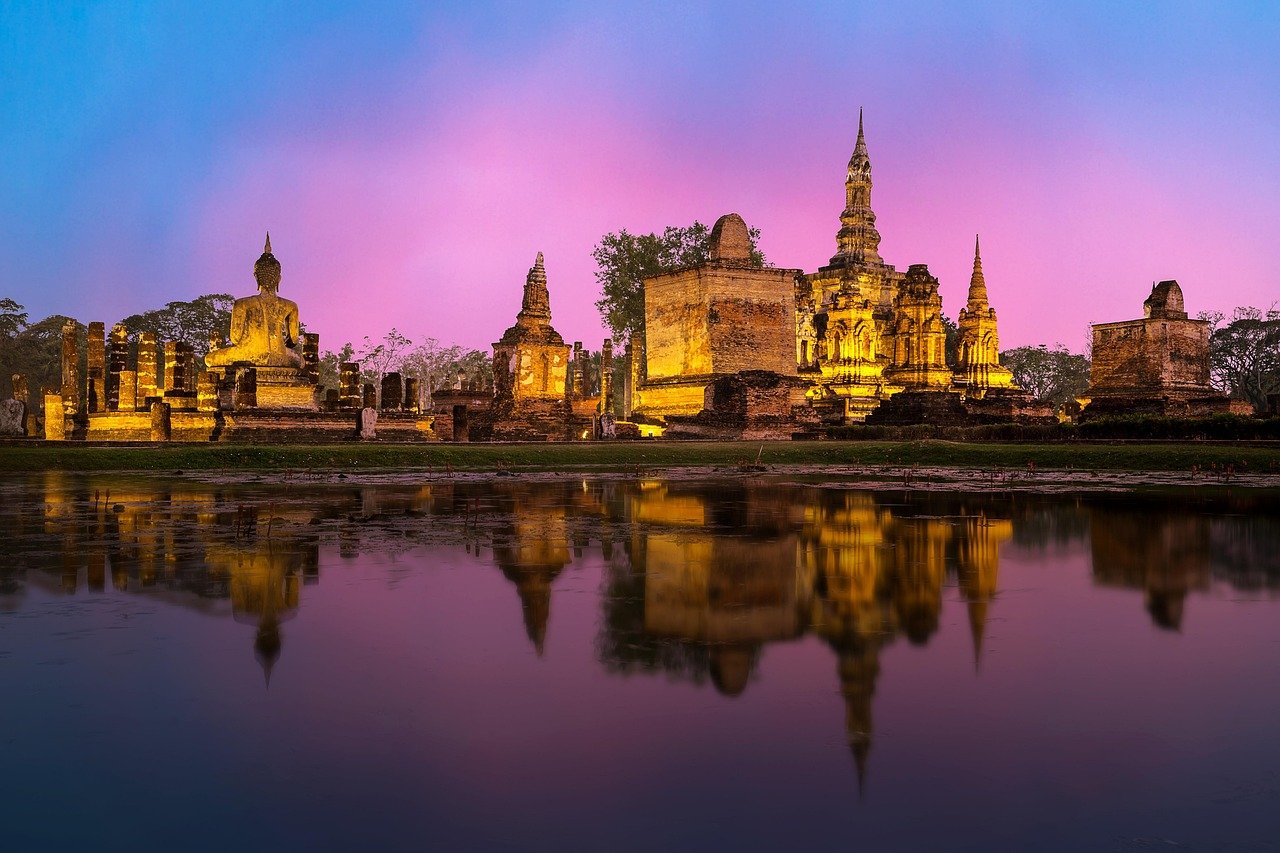
Yasothon
Yasothon, a quiet provincial capital in northeastern Thailand, blends Isan folk traditions, the lively Bun Bang Fai rocket festival and landmark temples with relaxed rice-field surroundings.
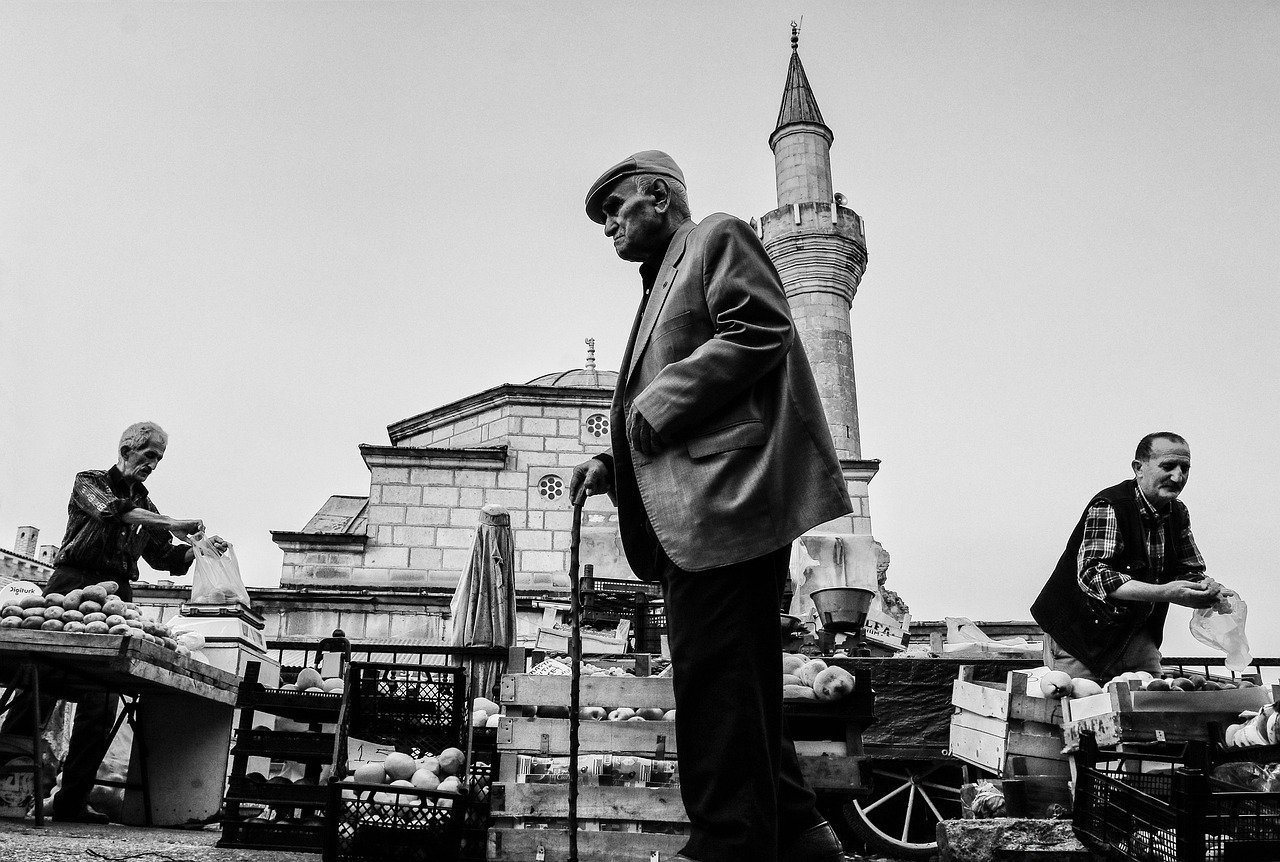
Yala
Yala, a southern Thai city near the Malaysian border, blends Malay-Muslim and Thai Buddhist traditions with lush landscapes and a relaxed local rhythm. Its markets, temples and surrounding mountains give the city a distinctive character in Thailand's deep south.
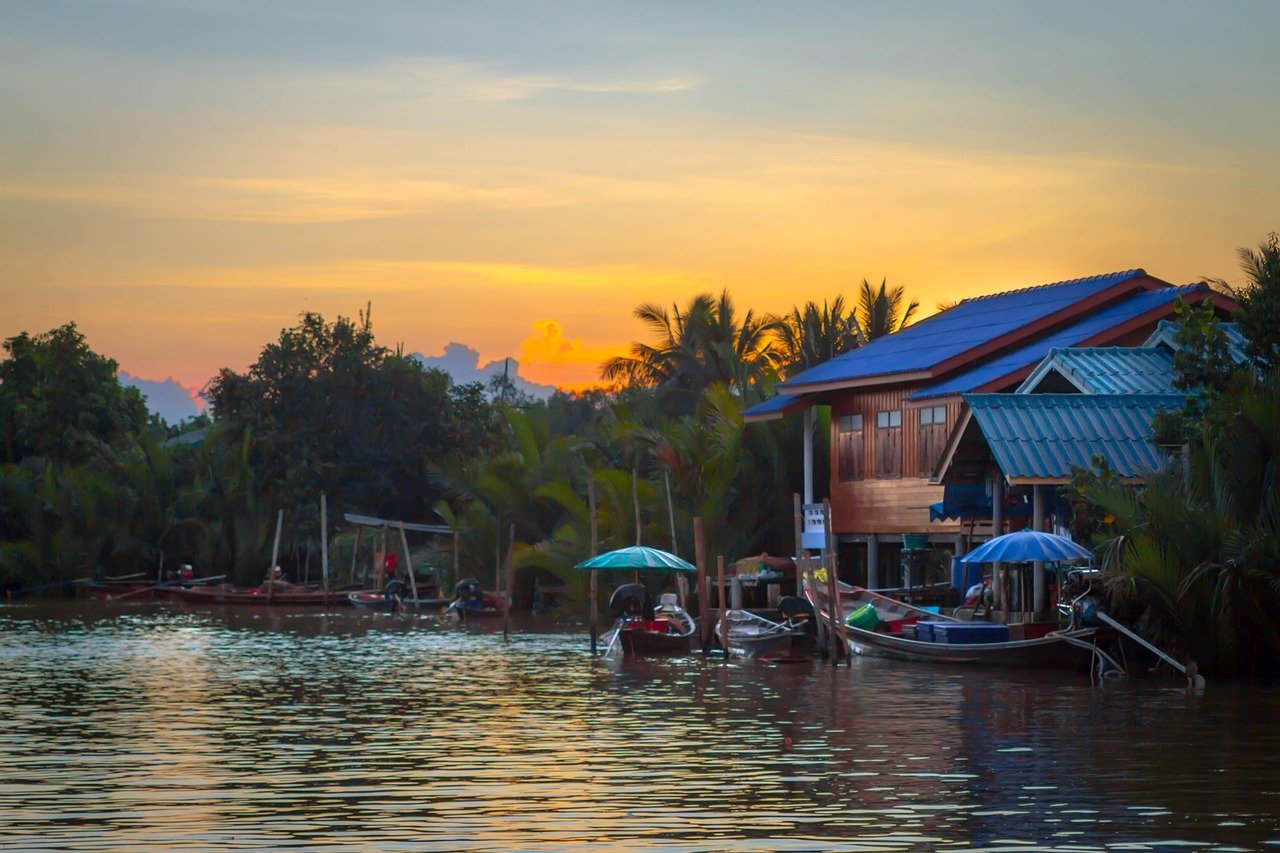
Uthai Thani
Uthai Thani, a peaceful riverside town in central Thailand, is known for its rich history, the intricately decorated Wat Tha Sung, and a laid-back local lifestyle that reflects traditional Thai culture.