Katavi
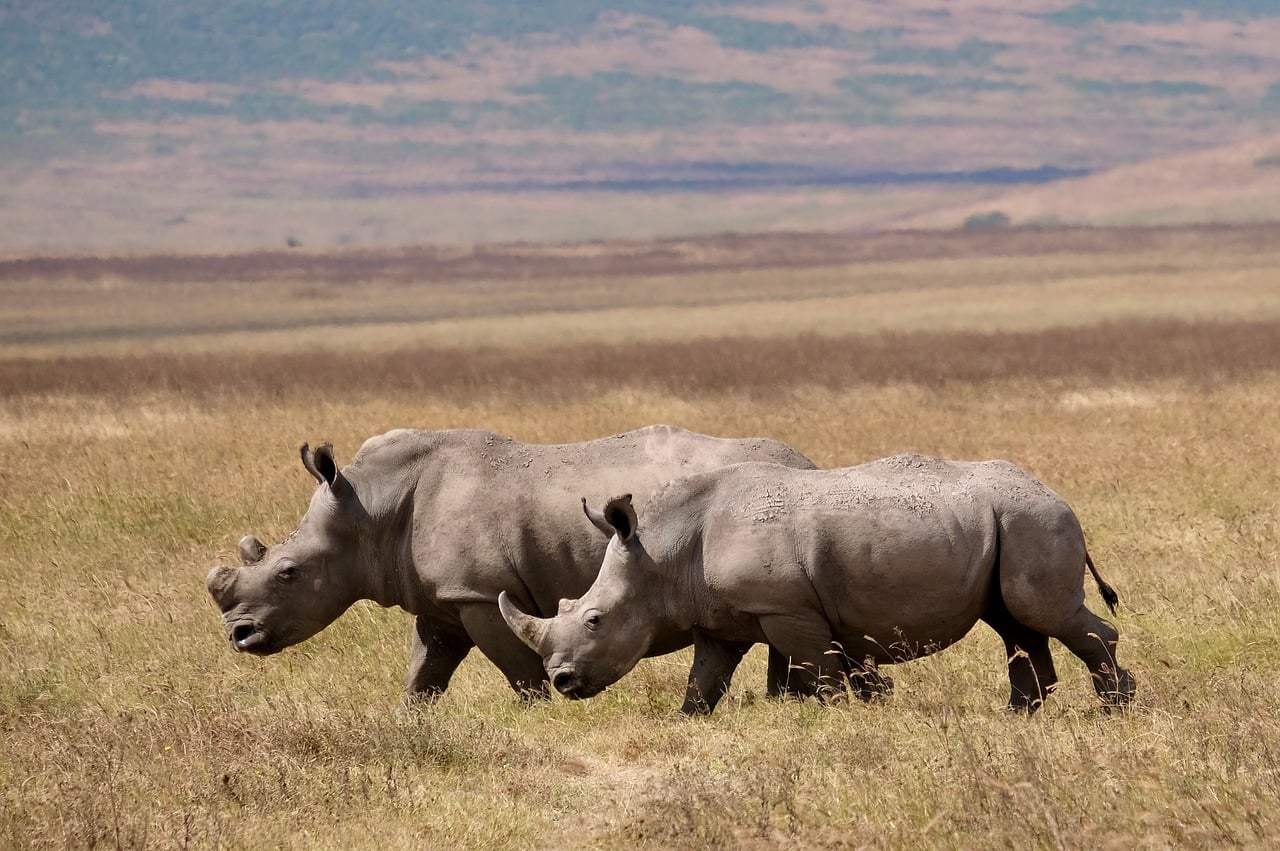
Katavi, in western Tanzania, is a remote destination defined by Katavi National Park, where vast plains, seasonal rivers and large hippo and buffalo herds create a quiet, off-the-beaten-path travel experience.
Passengers
Luggage
About Katavi
Mpanda is the administrative capital of Katavi Region in western Tanzania and the main gateway to Katavi National Park, one of the country's most remote and wildlife-rich protected areas. Set between Lake Tanganyika and Lake Rukwa, the town has grown from a small trading and mining settlement into a regional service centre for travel, commerce and government.
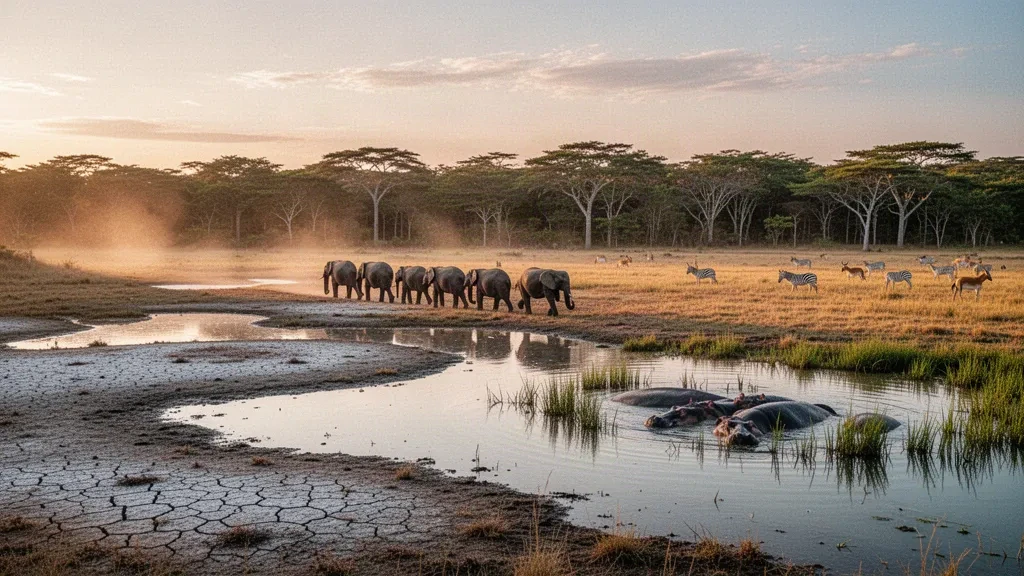
Katavi National Park lies about 40 kilometres south of Mpanda and covers roughly 4,471 km², making it Tanzania's third-largest national park. Its Katuma River, seasonal floodplains and lakes such as Chada and Katavi draw large concentrations of hippos, crocodiles, buffalo and elephants, while the park is also known for its birdlife and walking safaris.
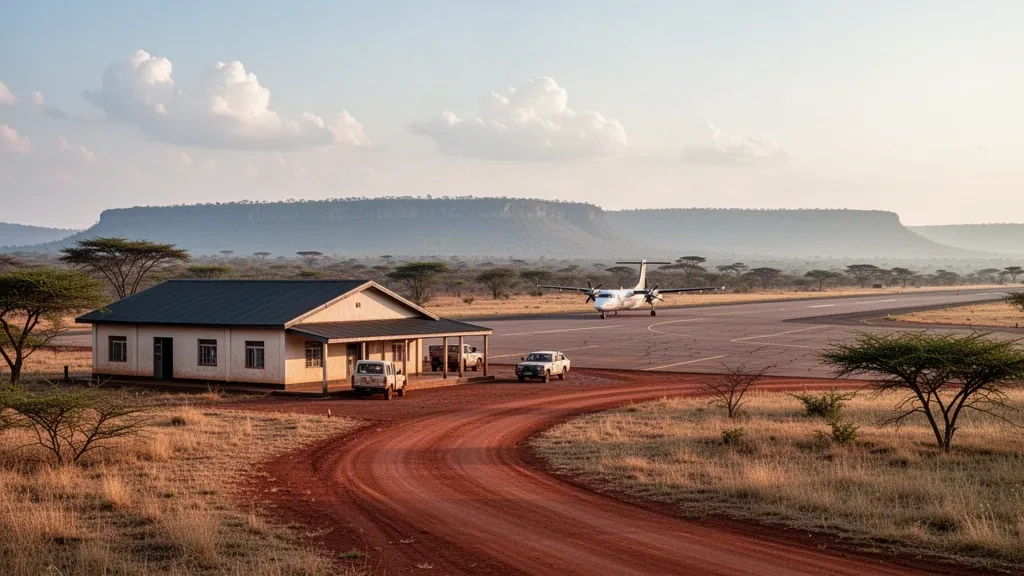
The town itself is a practical travel hub, with Mpanda Airport serving domestic flights, a railway connection to Tabora and bus links to Sumbawanga, Kigoma and Mbeya. Local life is shaped by agriculture, gold mining in the surrounding areas and trade routes that connect the region to Lake Tanganyika.
Visitors typically use Mpanda as a base for safaris into Katavi National Park, while the wider region offers access to Lake Tanganyika's shoreline and rural communities. The town's markets, guesthouses and local transport options make it a useful stop for independent travellers and organised groups alike.
Katavi Travel Guide
Best Time to Visit
The dry season from June to October is the best time for wildlife viewing in Katavi National Park, when animals concentrate around the Katuma River and shrinking lakes. The wet season from November to May brings greener scenery and fewer visitors but can make roads and tracks difficult.
How to Get Around
Mpanda is compact enough to explore on foot, by bicycle, boda boda or taxi, while minibuses and buses connect the town with surrounding districts. For safaris in Katavi National Park, visitors usually arrange 4x4 game drives with a lodge or tour operator.
Where to Stay
Most visitors stay in camps and lodges inside or near Katavi National Park, while Mpanda town offers simpler guesthouses and small hotels for budget travellers. Staying in Mpanda is convenient for early access to the airport, bus station and railway station.
Food & Drink
Mpanda's food scene is centred on local Tanzanian staples such as ugali, rice, grilled meat and fish, often served with beans and greens. Small restaurants, cafés and market stalls offer everyday meals, while lodges around Katavi provide fuller safari dining.
Ground Transportation Services in Katavi
Airport Transfers
Book a private transfer between Mpanda Airport (NPY) and guesthouses, hotels or safari camps in Mpanda and the surrounding Katavi Region.
Hourly Chauffeur
Use a private chauffeur by the hour for business meetings, town errands, sightseeing and flexible travel around Mpanda.
Car Rental
Rent a vehicle in Mpanda for independent travel around the town and nearby destinations, including road journeys toward Katavi National Park.
Bus & Group Transfers
Arrange minibuses or charter buses for groups, safari connections, events and transfers between Mpanda and Katavi National Park or Lake Tanganyika.
Frequently Asked Questions
Related Cities in Tanzania
View all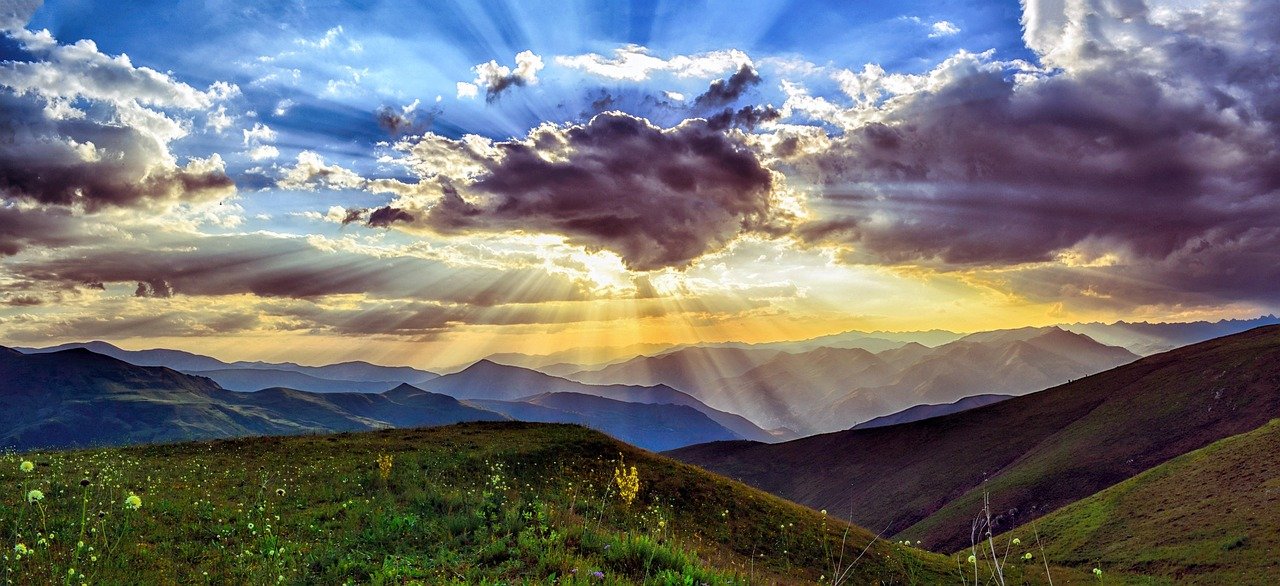
Njombe
Njombe is a highland city in southern Tanzania, known for its cool climate, agricultural trade and green rolling hills that make it a peaceful stop for travelers exploring the Southern Highlands.
Zanzibar South
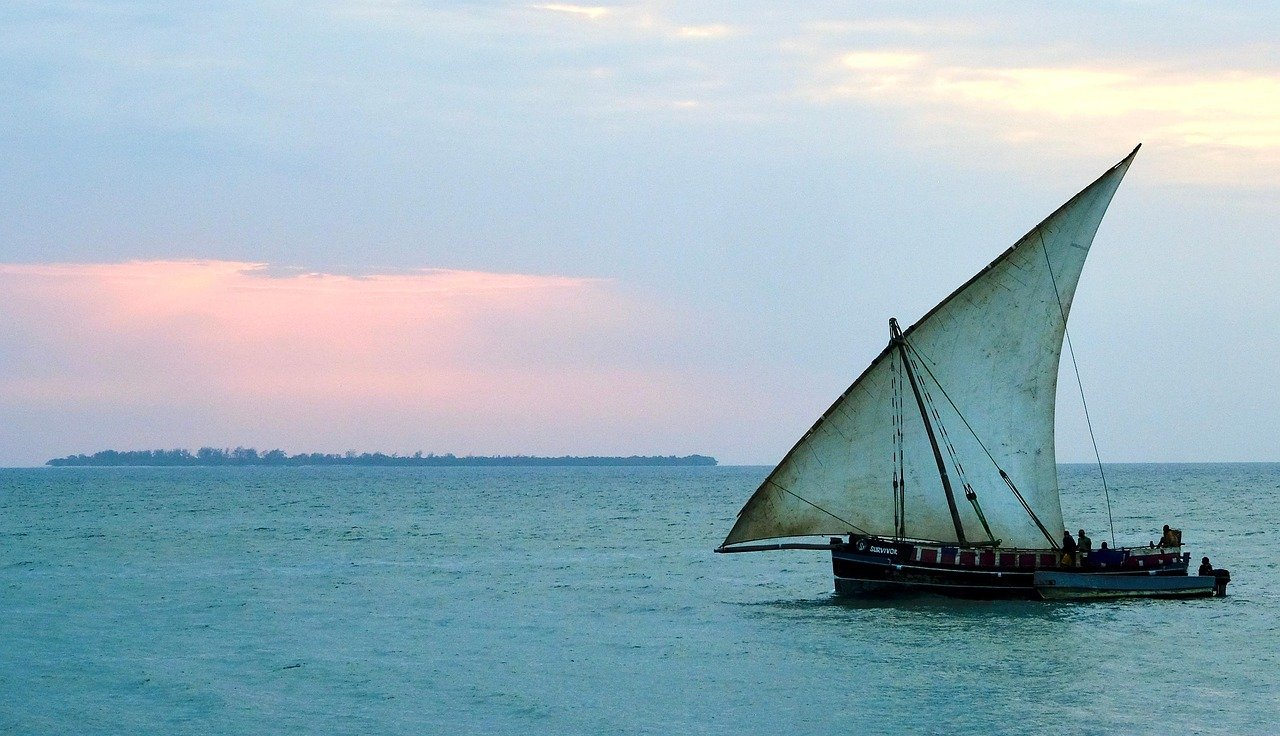
Zanzibar South stretches along the southern coast of Unguja, where Jozani Forest, Kizimkazi’s old mosque and quiet Indian Ocean beaches reveal the island’s Swahili heritage and natural beauty.
Zanzibar City
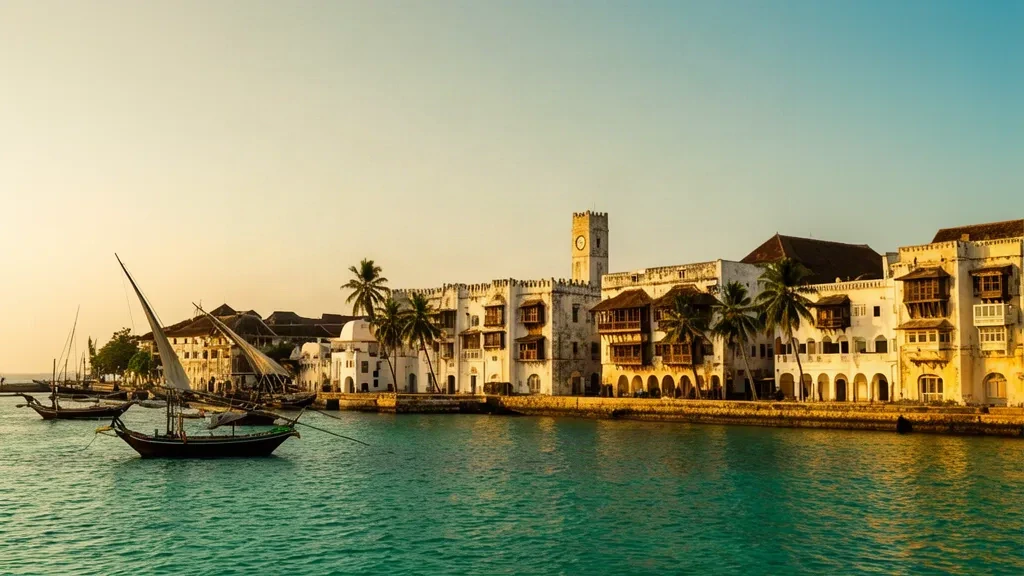
Zanzibar City, the capital of Zanzibar, pairs its historic Stone Town with a lively waterfront, spice markets and a blend of Swahili, Arab, Indian and European influences.